
Every year on November 11th, the United States pauses to honor the service and sacrifices of millions of men and women who have served in the U.S. Armed Forces. Parades fill city streets, flags wave from porches, and moments of silence mark 11:00 a.m., the precise hour when World War I hostilities ceased. But why is Veterans Day fixed on November 11? The answer lies in a pivotal moment in world history—a ceasefire that not only ended a devastating war but also laid the foundation for a lasting tradition of remembrance and gratitude.
The Armistice That Changed Everything
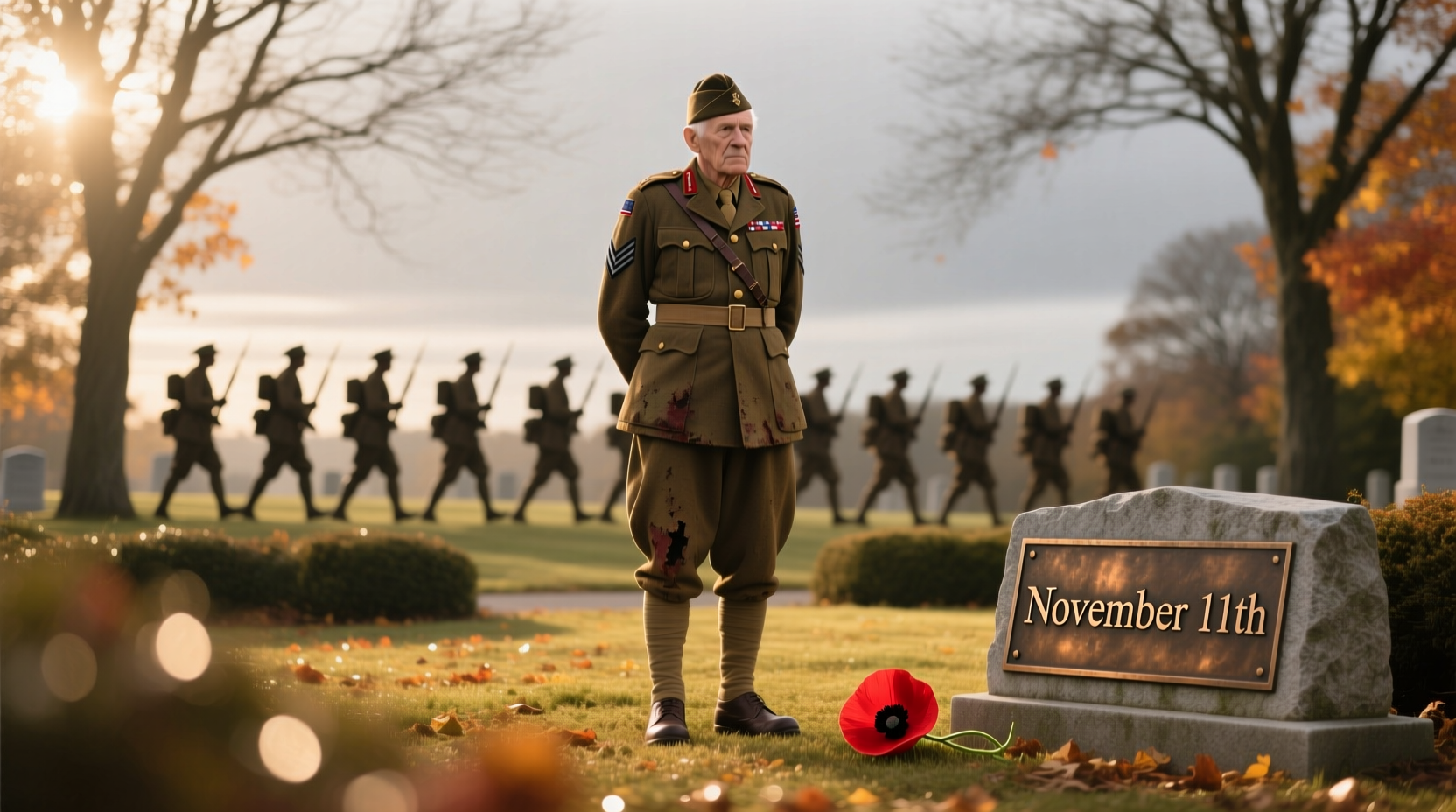
The origin of observing Veterans Day on November 11th traces back to the final hours of \"the war to end all wars\"—World War I. After more than four years of relentless combat across Europe, an armistice agreement between the Allied powers and Germany took effect at exactly 11:00 a.m. on November 11, 1918. This date and time were deliberately chosen to signal a definitive end to active fighting on the Western Front.
The significance of the eleventh hour of the eleventh day of the eleventh month was immediately recognized as symbolic. It represented not just a military cessation, but a global hope for peace. In the years that followed, November 11 became known as Armistice Day in the U.S. and other Allied nations, commemorating both the end of the war and honoring those who served.
“November 11, 1918, was more than a ceasefire—it was a collective sigh of relief from a world exhausted by conflict.” — Dr. Rebecca Langston, Military Historian, Smithsonian Institution
From Armistice Day to Veterans Day
For decades, Armistice Day remained focused on World War I veterans. However, after the immense contributions of American service members in World War II and the Korean War, the scope of the holiday evolved. In 1954, President Dwight D. Eisenhower signed legislation officially renaming Armistice Day to Veterans Day, broadening its purpose to honor all U.S. military veterans—living or deceased—who served in any war.
This shift reflected a growing national awareness that every generation bears the burden of defending freedom. Unlike Memorial Day, which specifically remembers those who died in service, Veterans Day celebrates the living legacy of courage, discipline, and patriotism embodied by all who wore the uniform.
Tip: Attend a local Veterans Day ceremony or visit a VA hospital to personally thank a veteran—small gestures carry deep meaning.Why November 11 Remains Fixed
In 1968, Congress passed the Uniform Monday Holiday Act, aiming to create more three-day weekends for federal employees. As part of this law, Veterans Day was moved to the fourth Monday in October, effective 1971. However, the change sparked widespread public confusion and resistance. Many states continued to observe the holiday on November 11, citing its historical and emotional significance.
Recognizing the importance of preserving the symbolic date, President Gerald Ford signed a bill in 1975 restoring Veterans Day to November 11, beginning in 1978. Since then, the U.S. has consistently observed the holiday on its original date, regardless of the day of the week.
Timeline of Key Dates in Veterans Day History
- November 11, 1918: World War I armistice takes effect at 11:00 a.m.
- 1919: President Woodrow Wilson proclaims the first observance of Armistice Day.
- 1938: Congress makes Armistice Day a legal federal holiday dedicated to world peace.
- 1954: Renamed Veterans Day to honor all American veterans.
- 1971–1977: Observed on the fourth Monday in October under the Uniform Monday Holiday Act.
- 1978: Officially returned to November 11 by presidential order.
How the Nation Honors Veterans Today
Veterans Day is marked by a blend of solemn reflection and public celebration. Across the country, communities organize events that include flag ceremonies, school assemblies, wreath-laying rituals at memorials, and parades featuring marching bands, active-duty personnel, and veteran organizations like the American Legion and VFW.
The U.S. Department of Veterans Affairs hosts special programs at national cemeteries and medical centers. Many businesses offer free meals, discounts, or services to veterans as a token of appreciation. Federal offices, post offices, and banks close in observance, allowing citizens time to participate in tributes or spend time with veteran family members.
| Observance | Purpose | Example Activity |
|---|---|---|
| Parades | Celebrate military service publicly | Downtown parade with marching units and floats |
| Minute of Silence | Reflect on sacrifice at 11:00 a.m. | Schools pause for a moment of silence |
| Free Meals & Discounts | Express civilian gratitude | Restaurants offer complimentary meals to veterans |
| Educational Programs | Teach younger generations about service | Classroom presentations by local veterans |
Mini Case Study: A Small Town’s Big Tribute
In Lebanon, Pennsylvania, a community of fewer than 25,000 people hosts one of the nation’s longest-running Veterans Day parades. Started in 1919, the event draws thousands annually and features over 100 units, including high school ROTC cadets, WWII veterans in wheelchairs, and families carrying photos of fallen soldiers. Local businesses close early, and schools release students so families can attend.
What began as a tribute to returning WWI soldiers has become a multigenerational tradition. “We don’t do it for spectacle,” says Mary Thompson, a volunteer organizer. “We do it because our kids need to see what service looks like—not just in textbooks, but in the faces of real people who gave their time, their youth, sometimes their health.”
Ways to Meaningfully Observe Veterans Day
Honoring veterans doesn’t require grand gestures. Simple, intentional actions can make a lasting impact. Here are practical steps individuals and families can take:
- Learn about a veteran in your family or community and document their story.
- Write thank-you letters to veterans at nearby VA hospitals.
- Attend a local ceremony—even standing quietly shows respect.
- Support veteran-owned businesses or nonprofits that assist transitioning service members.
- Encourage schools to invite veterans for classroom discussions.
Checklist: How to Honor a Veteran This November 11
- ☑ Research the difference between Veterans Day and Memorial Day
- ☑ Find a local event or livestream a national ceremony
- ☑ Call or visit a veteran relative or neighbor
- ☑ Share a social media post highlighting a veteran’s story (with permission)
- ☑ Donate to a reputable veteran support organization
Frequently Asked Questions
Why isn’t Veterans Day spelled “Veteran’s Day” or “Veterans’ Day”?
The official spelling is “Veterans Day” without an apostrophe. This is intentional—the day belongs to all veterans collectively, not as a possession of one veteran (Veteran’s) or multiple veterans (Veterans’). The U.S. Department of Veterans Affairs confirms this as the correct form.
Do other countries observe November 11 the same way?
Many nations commemorate November 11, though under different names and traditions. In Canada and Australia, it’s known as Remembrance Day and includes two minutes of silence. The United Kingdom observes Remembrance Sunday, typically the second Sunday in November, with ceremonies centered around the Cenotaph in London. While customs vary, the core theme of honoring military service remains universal.
Is Veterans Day always a federal holiday?
Yes. Veterans Day is one of ten permanent federal holidays in the United States. All non-essential federal offices close, and federal employees receive paid leave. Many private employers also grant time off or offer special recognition to employee veterans.
Conclusion: More Than Just a Date
November 11 is not merely a calendar notation—it is a living testament to the cost of freedom and the enduring value of service. From the silent fields of northern France in 1918 to bustling Main Streets across America today, the date continues to unite generations in gratitude. Understanding why Veterans Day falls on November 11th connects us to a broader narrative of resilience, peace, and national duty.
As another November 11 approaches, consider how you can contribute to this legacy. Whether through quiet reflection, community involvement, or a simple “thank you,” your actions help ensure that the sacrifices of veterans are neither forgotten nor taken for granted.
🚀 Take action today: Reach out to a veteran in your life, attend a local event, or share this article to spread awareness. Honor is best expressed not just once a year—but remembered every day.