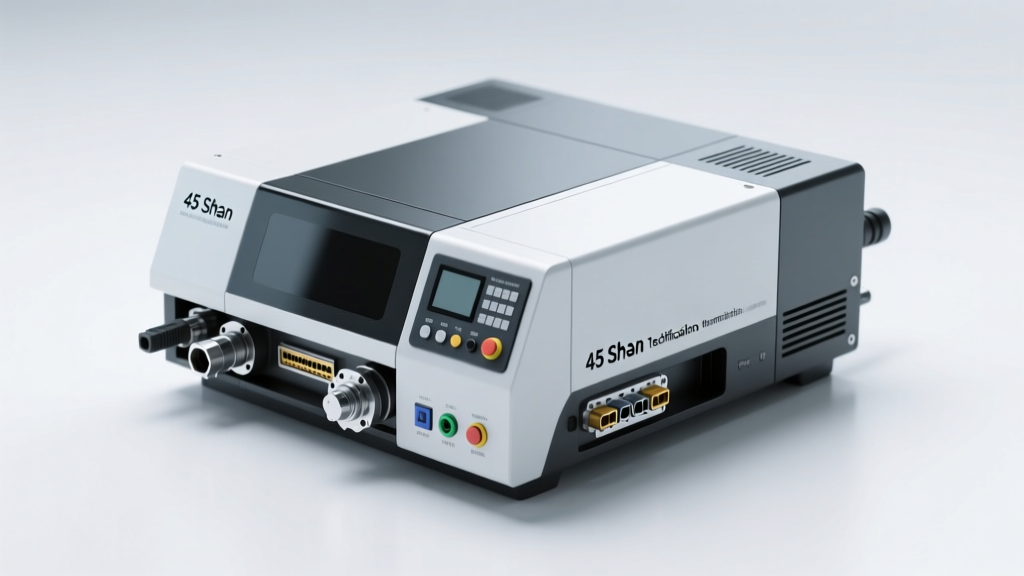
Suppliers & Materials for Testing Instruments & Equipment
Testing instruments and equipment are essential tools in modern industry, playing a critical role in quality assurance, process control, and performance evaluation. These devices ensure that products meet regulatory standards, function reliably, and maintain consistency across production cycles. One of the most crucial aspects of reliable testing is precision in distance measurement, force detection, temperature monitoring, and electrical signal analysis.
The performance and longevity of testing instruments depend heavily on the quality of materials used in their construction. High-grade components ensure accuracy, resistance to environmental stress, and durability under repeated use. Below is a detailed breakdown of the key materials used in manufacturing testing equipment, followed by a curated list of trusted suppliers known for their reliability, product range, and customer support.
Materials Used in Testing Instruments & Equipment
The selection of materials in test equipment design balances durability, precision, weight, and resistance to environmental factors such as moisture, heat, and chemical exposure. Here are the most commonly used materials and their applications:
Stainless Steel
Renowned for its exceptional resistance to corrosion, wear, and high temperatures, stainless steel is ideal for structural and contact components in testing instruments.
Advantages
- High corrosion and abrasion resistance
- Excellent strength-to-weight ratio
- Maintains dimensional stability under stress
- Easy to clean and sanitize (ideal for lab environments)
- Resists contamination and buildup
Limitations
- Heavier than aluminum or polymers
- Higher manufacturing cost
- Can be challenging to machine precisely
Best for: Load cells, mechanical gauges, tensile testers, and instruments used in harsh or outdoor environments
Aluminum
Lightweight yet strong, aluminum is widely used in portable and field-deployable testing equipment due to its favorable mechanical and thermal properties.
Advantages
- Low density for portability
- Natural oxide layer provides corrosion resistance
- Excellent thermal conductivity
- Easily machined and formed into complex shapes
- Cost-effective for mass production
Limitations
- Less durable than steel under high stress
- May deform under prolonged heavy loads
- Requires coating in highly corrosive environments
Best for: Portable stress testers, handheld measurement tools, aerospace and automotive field diagnostics
High-Quality Polymers
Advanced engineering plastics such as PEEK, polycarbonate, and nylon offer lightweight, electrically insulating, and chemically resistant solutions for non-metallic components.
Advantages
- Excellent electrical insulation
- Resistant to solvents, acids, and oils
- Lightweight and impact-resistant
- Flexible design options (molding, 3D printing)
- Ideal for sealing and insulating components
Limitations
- Can degrade under UV exposure or extreme heat
- Limited load-bearing capacity
- May absorb moisture over time
Best for: Enclosures, gaskets, circuit housings, and internal non-conductive parts in electronic test devices
Precious Metals
Gold, silver, and platinum are used in critical electrical and sensing components due to their unmatched conductivity and resistance to oxidation.
Advantages
- Superior electrical and thermal conductivity
- High resistance to tarnishing and corrosion
- Ensure signal integrity in sensitive measurements
- Long-term reliability in connectors and contacts
Limitations
- Very high cost
- Soft and prone to wear if not plated
- Limited mechanical strength
Best for: Thermocouples, sensor probes, high-precision electrical gauges, and calibration equipment
| Material | Durability | Weight | Electrical Properties | Common Applications |
|---|---|---|---|---|
| Stainless Steel | Excellent | Heavy | Moderate (conductive) | Mechanical testers, load cells, industrial sensors |
| Aluminum | Good | Light | Good (conductive) | Portable testers, field equipment, structural frames |
| High-Quality Polymers | Good | Very Light | Excellent (insulating) | Enclosures, seals, insulation, electronic housings |
| Precious Metals | Very Good (with plating) | Medium | Exceptional (conductive) | Sensors, connectors, calibration probes, circuitry |
Expert Tip: When designing or selecting test equipment, consider hybrid material solutions—such as aluminum frames with stainless steel contact points or polymer-insulated precious metal contacts—to optimize performance, cost, and longevity.
Top Suppliers of Testing Instruments & Equipment
Choosing the right supplier is crucial for obtaining reliable, calibrated, and well-supported testing equipment. The following companies are recognized leaders in the industry, offering a wide range of new and used instruments, technical support, calibration services, and fast delivery options.
-
Global Test Supply
A U.S.-based supplier with a vast inventory of over 2,000 products, Global Test Supply specializes in industrial and scientific testing equipment. Known for its next-day shipping, ISO-traceable calibration, and responsive customer service, it serves laboratories, manufacturing plants, and research institutions. Their product range includes torque testers, pressure gauges, and dimensional measurement tools.
-
Safety Direct
One of the U.K.’s leading suppliers with over 25 years of experience, Safety Direct focuses on safety and environmental monitoring instruments. They offer comprehensive solutions for noise, radiation, temperature, pressure, and air quality testing. The company is praised for its technical expertise, after-sales support, and compliance with British and EU safety standards.
-
Test Equipment Ltd
Basing in the U.K., Test Equipment Ltd maintains one of the largest inventories of new and refurbished test and measurement devices in Europe. They provide short-term rentals and long-term leasing options, making them ideal for businesses with fluctuating testing needs. The company stocks equipment from top brands like Fluke, Keysight, and Rohde & Schwarz.
-
Apex Test Equipment
A family-owned business based in the United States, Apex Test Equipment is an authorized distributor for industry leaders including Keysight, Fluke, Tektronix, and Ametek. They cater to a diverse clientele—from startups to Fortune 500 companies—offering competitive pricing, calibration services, and personalized support. Their reputation for integrity, fast shipping, and knowledgeable staff makes them a preferred partner for high-precision applications.
Procurement Tip: Always verify whether the supplier provides calibration certificates, warranty options, and access to technical support. For critical applications, choose suppliers that offer ISO/IEC 17025 accredited calibration services.
Precaution Measures for Testing Instruments & Equipment
Testing instruments and equipment are essential tools in laboratories, industrial environments, and research facilities. However, improper handling or negligence during operation can lead to serious injuries, equipment damage, or even fatalities. Implementing proper precautionary measures ensures not only operator safety but also the accuracy and longevity of the instruments. Below is a comprehensive guide to the most critical safety practices when working with testing instruments and equipment.
Key Safety Measures for Operating Testing Instruments
Insulation Check
Electrical insulation is a fundamental safety requirement when conducting tests involving voltage or current. Always verify that the workbench, flooring, and surrounding surfaces are properly insulated, especially in high-voltage environments. Use non-conductive mats and ensure all cables and connectors are fully covered—never expose bare wires or loose connections.
When operating high-voltage equipment, maintain a minimum clearance of one meter from other electrical devices to prevent arcing or accidental contact. Avoid performing electrical tests in damp or wet areas, as moisture significantly increases the risk of electric shock. Regularly inspect insulation integrity and replace damaged components immediately.
Wear Protective Equipment
Personal protective equipment (PPE) is your first line of defense against hazards such as electric arcs, chemical exposure, radiation, and flying debris. Always wear appropriate PPE, including flame-resistant clothing, insulated gloves, safety goggles, and a face shield or welder’s mask when dealing with high-energy discharges or intense light sources.
PPE should be worn whenever operating equipment that generates high currents, toxic fumes, extreme heat, or harmful radiation (e.g., UV, X-rays). Ensure that all protective gear meets industry standards and is regularly inspected for wear and tear. Never compromise on protection—even during short-duration tests.
Safe Instrument Handling
Before using any testing instrument, thoroughly read the user manual and understand its operational procedures, limitations, and emergency shutdown protocols. Never power on a device if it shows signs of damage—such as cracked casings, frayed wires, or unusual noises—as this could indicate internal faults.
When transporting or moving instruments, always carry them by designated handles or support points. Avoid swinging or dropping equipment, which can damage sensitive components or calibration settings. After use, store instruments in a secure, dry, and dust-free environment, preferably in protective cases or cabinets to prevent accidental damage or exposure to environmental hazards.
Working Condition and Environment
The testing environment plays a crucial role in both safety and measurement accuracy. Ensure the work surface is flat, stable, and capable of supporting the weight of the equipment to prevent tipping or falling. Keep all instruments and accessories dry at all times to reduce the risk of electrical shorts or shocks.
Establish a controlled testing zone by restricting access to unauthorized personnel, pets, and unnecessary materials. This minimizes distractions and prevents accidents. Always turn off and unplug equipment when not in use or during setup changes. For prolonged breaks, disconnect power sources entirely and lock out the system if applicable to prevent accidental activation.
| Safety Measure | Hazard Prevented | Best Practices |
|---|---|---|
| Insulation Check | Electric shock, short circuits | Use insulated mats; inspect cables; avoid wet environments |
| PPE Usage | Burns, eye injury, radiation exposure | Wear gloves, goggles, flame-resistant gear; inspect PPE regularly |
| Instrument Handling | Equipment damage, physical injury | Follow manuals; carry correctly; never use damaged tools |
| Controlled Environment | Trips, falls, electrical hazards | Keep area dry, clean, and restricted; unplug when idle |
Important: Failure to follow proper safety protocols can result in severe injury, equipment failure, or fire. Always conduct a risk assessment before beginning any test procedure. Ensure all personnel are trained in emergency response, including how to cut power quickly and administer first aid. Regular safety audits and equipment inspections are essential for maintaining a safe and compliant testing environment.
How to Choose Testing Instruments & Equipment
Selecting the right testing instruments and equipment is a critical decision that directly impacts the accuracy, reliability, and repeatability of your results. In industries ranging from manufacturing and pharmaceuticals to electronics and materials science, the wrong instrument can lead to flawed data, compliance issues, and costly rework. With a vast array of options available, making an informed choice requires a structured approach focused on application needs, technical specifications, usability, and long-term support.
Define Your Testing Needs
Begin by clearly identifying the physical, chemical, or electrical properties you need to measure. This foundational step ensures that the equipment you select aligns with your specific application and regulatory requirements.
- Determine whether you're testing mechanical strength (tensile, compression, fatigue), thermal performance (thermal conductivity, expansion), electrical characteristics (resistance, capacitance), or environmental durability (humidity, corrosion)
- Reference relevant industry standards such as ASTM, ISO, IEC, or MIL-STD to ensure compliance and comparability of results
- Consider sample size, frequency of testing, and required throughput—high-volume labs may need automated systems, while R&D environments benefit from flexible, multi-purpose instruments
- Identify whether destructive or non-destructive testing methods are appropriate for your samples
Key consideration: Always validate that the instrument’s capabilities match both current and anticipated future testing demands.
Understand Instrument Specifications
Technical performance metrics are essential for ensuring the instrument delivers accurate and repeatable results. These specifications define the limits and reliability of your measurements.
- Measurement Range: Ensure the instrument can handle the full spectrum of expected values (e.g., force from 1N to 10kN, temperature from -100°C to 1000°C)
- Resolution & Accuracy: High-resolution sensors detect minute changes; accuracy (±%) indicates how close measurements are to true values
- Precision & Repeatability: Look for low standard deviation across repeated tests under identical conditions
- Response Time: Critical in dynamic testing; faster response enables real-time monitoring of rapid changes
- Data Output & Connectivity: USB, Ethernet, or wireless interfaces allow integration with data acquisition systems and software
Pro tip: Request calibration certificates traceable to NIST or other national standards to verify performance claims.
Evaluate Ergonomics and Usability
An instrument may have excellent specs, but poor usability can lead to operator errors, reduced efficiency, and inconsistent results—especially in high-throughput or multi-user environments.
- Assess the user interface: intuitive menus, touchscreen displays, and clear visual feedback reduce training time and mistakes
- Check physical design: lightweight construction, ergonomic grips, and balanced weight distribution improve handling during prolonged use
- Look for features like auto-detection of probes, guided test sequences, and on-screen prompts that simplify operation
- Ensure readability in various lighting conditions with backlit displays and high-contrast fonts
- Consider software integration—does it support automated reporting, data export, and LIMS (Laboratory Information Management Systems)?
Critical factor: Instruments with excessive complexity or poor documentation can negate their technical advantages.
Assess Brand Reputation and Support
Reliability doesn’t end at purchase—ongoing support, service, and product longevity are crucial for minimizing downtime and maintaining data integrity.
- Choose manufacturers with a proven track record in your industry; established brands often invest heavily in R&D and quality control
- Review warranty terms (typically 1–3 years), availability of extended service contracts, and global service network coverage
- Verify spare parts availability and turnaround time for repairs—downtime can be costly in production or research settings
- Check for responsive customer support, technical training programs, and online resources (manuals, FAQs, troubleshooting guides)
- Look for peer-reviewed case studies, third-party validations, or citations in scientific literature to confirm real-world performance
Smart choice: Prioritize vendors offering calibration services, software updates, and application engineering support.
Professional Recommendation: When selecting testing equipment, adopt a total cost of ownership (TCO) approach. While upfront cost is important, consider long-term expenses such as maintenance, calibration, training, and potential productivity losses due to downtime. Mid-tier instruments from reputable brands often provide the best balance between performance, durability, and support—ideal for most industrial and laboratory applications.
| Application Type | Recommended Equipment Tier | Key Features to Look For | Expected Lifespan |
|---|---|---|---|
| Quality Control (High Volume) | Industrial Grade | Automated testing, rugged design, fast cycle times, LIMS integration | 7–10 years |
| Research & Development | Premium / Multi-Function | High resolution, modular sensors, programmable test profiles, advanced analytics | 8–12 years |
| Field Testing / On-Site Use | Portable / Ruggedized | Battery-powered, shock-resistant, weatherproof, lightweight | 5–7 years |
| Educational / Training Labs | Entry-Level / Standard | User-friendly interface, safety features, comprehensive manuals, affordable consumables | 6–8 years |
Additional Considerations
- Calibration & Traceability: Regular calibration ensures measurement accuracy. Choose instruments with easy calibration procedures and documentation traceable to international standards.
- Software & Data Security: Ensure data integrity with password protection, audit trails, and exportable, non-proprietary file formats (CSV, XML).
- Environmental Tolerance: Consider operating temperature, humidity, and vibration resistance—especially for industrial or outdoor use.
- Upgradability: Modular designs allow for sensor or software upgrades, extending the instrument’s useful life.
- Regulatory Compliance: Verify that the instrument meets relevant safety and electromagnetic compatibility (EMC) standards (e.g., CE, UL, FCC).
Comprehensive Guide to Distance Measurement: Q & A
Understanding distance measurement is fundamental across numerous disciplines, from engineering and construction to navigation and physics. This detailed Q&A guide explores the significance, types, and tools used in measuring distance, offering practical insights for students, professionals, and curious minds alike. Accurate distance measurement ensures precision in planning, safety in execution, and reliability in scientific experimentation.
Did You Know? The concept of distance extends beyond physical space—it plays a critical role in data science, network theory, and even psychology, where "distance" can represent conceptual or emotional separation.
Q1. What is the importance of measuring distance?
A1: Distance measurement is essential because it defines spatial relationships between objects and locations. In construction, precise measurements determine the structural integrity and layout of buildings, roads, and infrastructure. For example, miscalculations in foundation dimensions can lead to costly errors or safety hazards.
In navigation—whether maritime, aviation, or everyday GPS use—distance measurement enables route optimization, fuel efficiency, and accurate arrival time predictions. Systems like GPS rely on satellite signal travel time to compute distances, allowing real-time positioning.
In physics and engineering, distance is a foundational variable in kinematics, used to calculate velocity, acceleration, and work. Accurate distance tracking is vital in experiments involving motion, optics, and relativity. Even in sports science, measuring sprint distances helps analyze athlete performance.
Q2. What are the types of distance measurement?
A2: There are three primary types of distance measurement, each serving different analytical and practical purposes:
- Absolute Distance: This refers to the exact, physical measurement between two points, typically expressed in standardized units such as meters, kilometers, or miles. For example, the absolute distance between New York and Boston is approximately 340 kilometers.
- Relative Distance: This measures distance in terms of time, cost, effort, or other variables rather than physical length. For instance, a 10-kilometer commute through heavy traffic may have a higher relative distance than a 15-kilometer drive on a highway due to time and fuel consumption.
- Perceptual (or Psychological) Distance: This reflects how individuals subjectively experience distance based on personal, cultural, or environmental factors. A familiar route may feel shorter than an unfamiliar one of the same length. Cultural perceptions—such as viewing distant countries as "far away" due to language or political barriers—also influence this type of distance.
Understanding these distinctions helps professionals in urban planning, logistics, and human geography make more informed decisions.
Q3. What equipment can be used to measure distance?
A3: A wide range of tools and instruments are used globally to measure distance, each suited to specific applications and precision requirements:
- Laser Distance Meters: Use light pulses to calculate distance with high accuracy (±1–2 mm), ideal for indoor construction and real estate.
- Tape Measures: Flexible rulers made of steel or fiberglass, commonly used in carpentry and DIY projects for short to medium distances.
- Total Stations: Advanced surveying instruments combining electronic theodolites and distance meters, used in civil engineering for precise land mapping.
- GPS Devices: Utilize satellite signals to determine global position and distances, widely used in navigation, agriculture, and outdoor recreation.
- Theodolites: Measure horizontal and vertical angles in surveying; when combined with baseline measurements, they help compute distances indirectly.
- Ultrasonic Distance Sensors: Emit sound waves to detect object proximity, commonly found in robotics, parking sensors, and industrial automation.
Choosing the right tool depends on required accuracy, environmental conditions, and the scale of the measurement.
Q4. What are some distance measuring tools?
A4: Common distance measuring tools include:
- Laser Distance Measurer: Fast and accurate for indoor and outdoor use; often features digital displays and memory functions.
- Mechanical Odometer: Found in vehicles, it measures distance traveled by counting wheel rotations.
- Surveyor’s Wheel (Measuring Wheel): A handheld device rolled along the ground to estimate long distances, useful in agriculture and road inspection.
- Measuring Tape: Available in various lengths (e.g., 5m, 30m), essential for construction, tailoring, and home improvement.
- GPS Receivers: From smartphone apps to professional-grade units, they provide real-time distance tracking over large areas.
Emerging technologies like LiDAR (Light Detection and Ranging) and drone-based photogrammetry are also revolutionizing large-scale distance and terrain mapping with unprecedented detail.
| Tool/Instrument | Typical Use Case | Accuracy Range | Best For |
|---|---|---|---|
| Laser Distance Meter | Indoor construction, real estate | ±1–3 mm | Precise short to medium distances |
| Tape Measure | Carpentry, DIY projects | ±1–2 mm | Manual, close-range measurements |
| Total Station | Land surveying, engineering | ±2 mm + 2 ppm | High-precision outdoor mapping |
| GPS Device | Navigation, outdoor tracking | 1–5 meters (standard); cm-level (RTK) | Global positioning and route tracking |
| Surveyor’s Wheel | Agriculture, road inspection | ±0.5% of distance | Quick estimation of long paths |
| Ultrasonic Sensor | Robotics, automation | ±1 cm | Proximity detection in controlled environments |
Expert Tip: Always calibrate your measuring instruments regularly and use them under appropriate environmental conditions. Temperature, humidity, and surface reflectivity can affect readings—especially with laser and ultrasonic devices.
Additional Recommendations
- For critical applications, cross-verify measurements using multiple tools or methods.
- Understand the limitations of each device—e.g., GPS accuracy decreases in urban canyons or dense forests.
- Keep digital tools updated with the latest firmware for optimal performance.
- Store mechanical tools like tapes and wheels in dry conditions to prevent corrosion or warping.
- When teaching or learning distance concepts, use real-world examples to enhance understanding.
Accurate distance measurement is more than a technical skill—it's a cornerstone of scientific inquiry, engineering excellence, and everyday decision-making. Whether you're laying out a garden, designing a skyscraper, or navigating across continents, the right approach to measuring distance ensures reliability, safety, and success.