
Purchasing a used car can be one of the smartest financial decisions a driver makes. With prices for new vehicles climbing and depreciation hitting hardest in the first few years, a well-chosen pre-owned vehicle offers significant savings without sacrificing quality. But the used car market is vast and varied, filled with both hidden gems and costly pitfalls. The key to success lies not in luck—but in preparation, research, and a disciplined approach.
This guide walks you through every critical phase: from setting realistic expectations and identifying trustworthy sources, to inspecting vehicles like a pro and negotiating with confidence. Whether you're a first-time buyer or upgrading your current ride, these strategies will help you avoid common mistakes and secure a dependable car that serves you well for years.
Know What You’re Looking For—and What You Can Afford
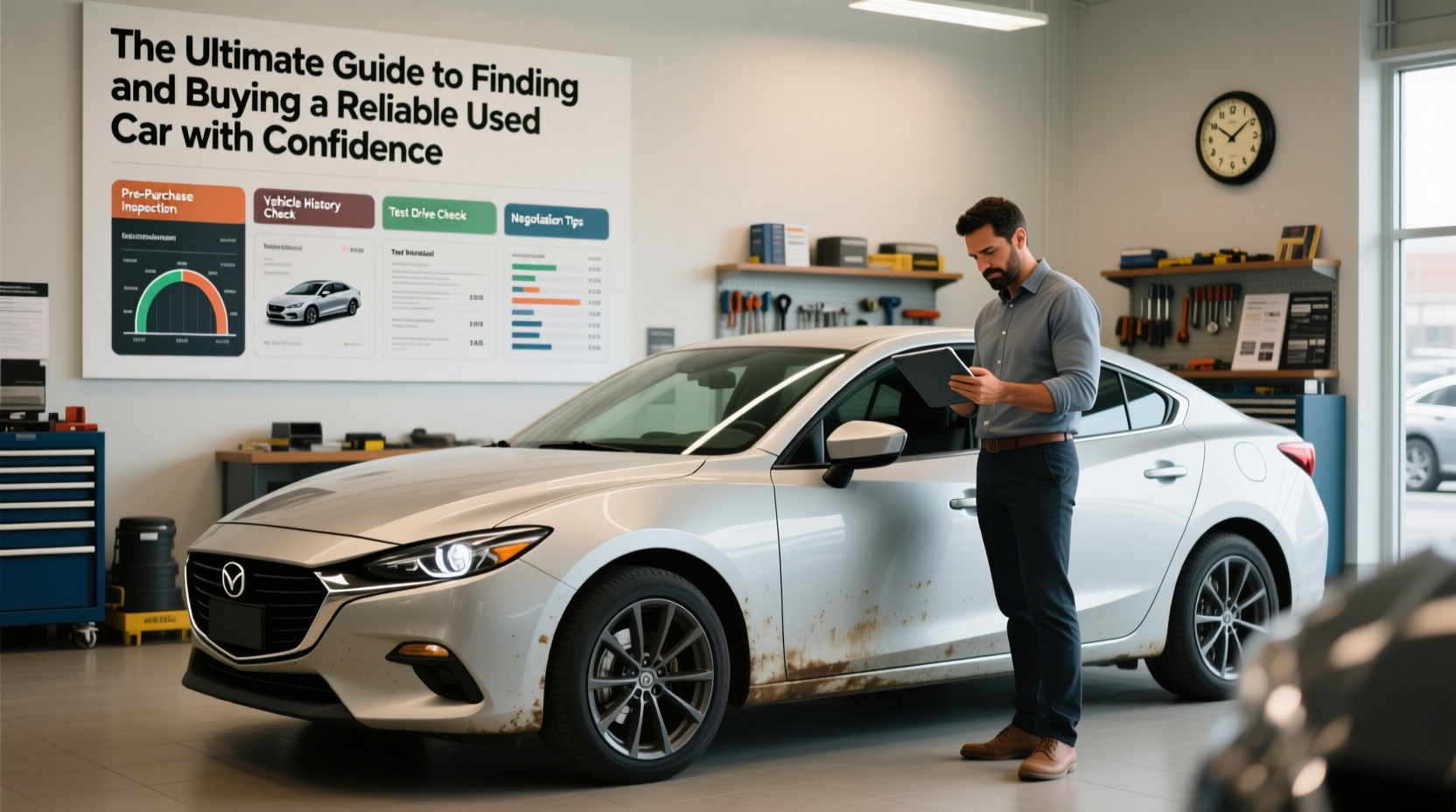
Before browsing listings, define your needs. Are you commuting daily, hauling kids, or planning road trips? Your lifestyle should shape your choice of vehicle type—sedan, SUV, truck, or hybrid. Equally important is establishing a firm budget that includes not just the purchase price, but taxes, registration, insurance, and anticipated maintenance.
Many buyers fall into the trap of focusing solely on monthly payments, which dealers may manipulate by extending loan terms. Instead, calculate your total out-the-door cost. A $15,000 car with high interest over 72 months could end up costing nearly $20,000. Stick to shorter loan terms if financing, or better yet, pay cash to avoid interest entirely.
Tip: Use online calculators to estimate total ownership costs, including fuel, insurance, and average repair expenses for specific models.Where to Buy: Evaluating Your Options
The source of your used car significantly impacts reliability and peace of mind. Each option has pros and cons:
| Source | Pros | Cons |
|---|---|---|
| Certified Pre-Owned (CPO) Dealerships | Factory-backed warranties, rigorous inspections, financing options | Higher prices, limited inventory |
| Private Sellers | Likely lower prices, direct communication with owner | No warranty, higher risk of hidden issues |
| Independent Used Car Lots | Wider selection, potential for negotiation | Inconsistent quality, less transparency |
| Online Marketplaces (e.g., CarGurus, Autotrader) | Extensive filters, user reviews, price comparisons | Must verify legitimacy, no physical inspection until later |
Certified Pre-Owned programs, offered by manufacturers, are often the safest bet. These vehicles undergo multi-point inspections, come with extended warranties, and typically have low mileage and clean histories. While more expensive than private sales, they reduce long-term risk.
“Buyers who invest time in researching vehicle history and sourcing are 70% less likely to experience major mechanical failures within the first year.” — Sarah Lin, Automotive Consumer Analyst at DriveSure Research
Inspect Like a Pro: What to Check Before You Buy
A thorough inspection separates informed buyers from those who get burned. Start with the vehicle history report using the VIN. Services like Carfax or AutoCheck reveal accidents, title brands (like salvage or flood), service records, and odometer discrepancies.
Then, conduct a physical evaluation:
- Exterior: Look for uneven panel gaps, mismatched paint, or rust—signs of past collisions or poor storage.
- Tires: Uneven wear may indicate alignment issues or neglect.
- Interior: Test all electronics, check for musty smells (a sign of water damage), and inspect seat wear relative to mileage.
- Engine: Open the hood. Check for oil leaks, cracked hoses, or corroded battery terminals. Start the engine—listen for knocking or excessive noise.
- Undercarriage: If possible, view from below for rust, fluid drips, or structural damage.
Never skip a test drive. Drive on different road types—city streets, highways, hills. Pay attention to how the car accelerates, brakes, and handles turns. Does it pull to one side? Are there strange vibrations or noises?
Tip: Bring a trusted mechanic for a pre-purchase inspection. Most charge $100–$150 but can uncover thousands in potential repairs.Step-by-Step: The Smart Buyer’s Process
Follow this timeline to ensure you make a confident, informed decision:
- Week 1: Define your budget and needs. Research reliable models known for longevity (e.g., Toyota Camry, Honda CR-V, Mazda CX-5).
- Week 2: Search listings across multiple platforms. Save promising options and note their VINs.
- Week 3: Request vehicle history reports. Contact sellers to ask about maintenance, reason for selling, and any known issues.
- Week 4: Schedule viewings. Perform visual checks and test drives. Take photos and notes on each car.
- Week 5: Hire an independent mechanic for inspection on your top choice(s). Review findings objectively.
- Week 6: Negotiate based on inspection results and market value. Aim for 5–10% below asking if justified.
- Final Step: Complete the purchase with a clear title, bill of sale, and all paperwork in order.
Red Flags That Should Make You Walk Away
Some warning signs are non-negotiable. Be prepared to leave if you encounter:
- Odometer rollback suspicion (check service stamps against mileage)
- Flood damage indicators (moldy smell, silt in crevices, corroded electrical connectors)
- Seller refuses a third-party inspection
- VIN doesn’t match documents or windows sticker
- Pressure to buy immediately or “limited-time offer” tactics
In one real case, a buyer was drawn to a sleek-looking SUV priced $2,000 below market. The seller claimed it was “garage-kept and meticulously maintained.” However, the Carfax showed a flood damage title, and the mechanic found sand in the air filter and corroded wiring under the dash. Walking away saved the buyer from a dangerous and costly mistake.
Frequently Asked Questions
Is it safe to buy a used car online without seeing it first?
It can be, but only with precautions. Use reputable platforms, require a vehicle history report, and insist on a pre-purchase inspection by a certified mechanic before transferring funds. Never wire money or use irreversible payment methods.
What’s the best time of year to buy a used car?
Winter months, especially December and January, often yield better deals as sellers look to offload vehicles before the new year. Additionally, dealership incentives may extend to used inventory at year-end.
Should I finance through the dealer or my bank?
Always compare rates. Dealers may offer convenience, but credit unions and banks often provide lower interest rates, especially if you have strong credit. Get pre-approved before visiting a lot to strengthen your negotiating position.
Your Action Plan: Checklist for Success
Use this checklist to stay organized and confident throughout your search:
- ✅ Determine budget including taxes and fees
- ✅ Identify 2–3 reliable models that fit your needs
- ✅ Obtain free sample vehicle history reports to learn what to look for
- ✅ Contact sellers with targeted questions about maintenance and ownership
- ✅ Schedule test drives during daylight for better visibility
- ✅ Hire an independent mechanic for inspection
- ✅ Verify title status and ensure it’s clean and transferable
- ✅ Negotiate based on objective findings, not emotions
- ✅ Secure financing in advance or confirm cash availability
- ✅ Complete all paperwork with copies for your records
Drive With Confidence
Finding a reliable used car isn’t about luck—it’s about process. When you equip yourself with knowledge, leverage tools like vehicle history reports and professional inspections, and remain disciplined in your approach, you shift the odds dramatically in your favor. The result isn’t just a car; it’s peace of mind, financial wisdom, and freedom on the road.
💬 Ready to start your search? Pick one model today, run a VIN check, and take the first step toward owning a dependable vehicle. Share your experience or questions in the comments—your journey can help others do the same.