
For gamers who love discovering hidden gems and supporting independent developers, choosing the right digital storefront matters—not just for game discovery, but for how much they pay over time. Steam and Epic Games Store are two dominant platforms in PC gaming, each with distinct approaches to pricing, promotions, and developer incentives. When it comes to indie titles—games often priced between $5 and $20—the difference in savings can add up significantly over a year. Understanding how these platforms structure their deals, when they run sales, and what drives their discount strategies helps players make smarter purchasing decisions.
While Steam has long been the default marketplace for PC gamers, Epic’s aggressive entry into the space with free weekly games and exclusive launches has disrupted the status quo. But beyond marketing tactics, which platform actually delivers better long-term value for fans of indie games?
Pricing Models and Revenue Share
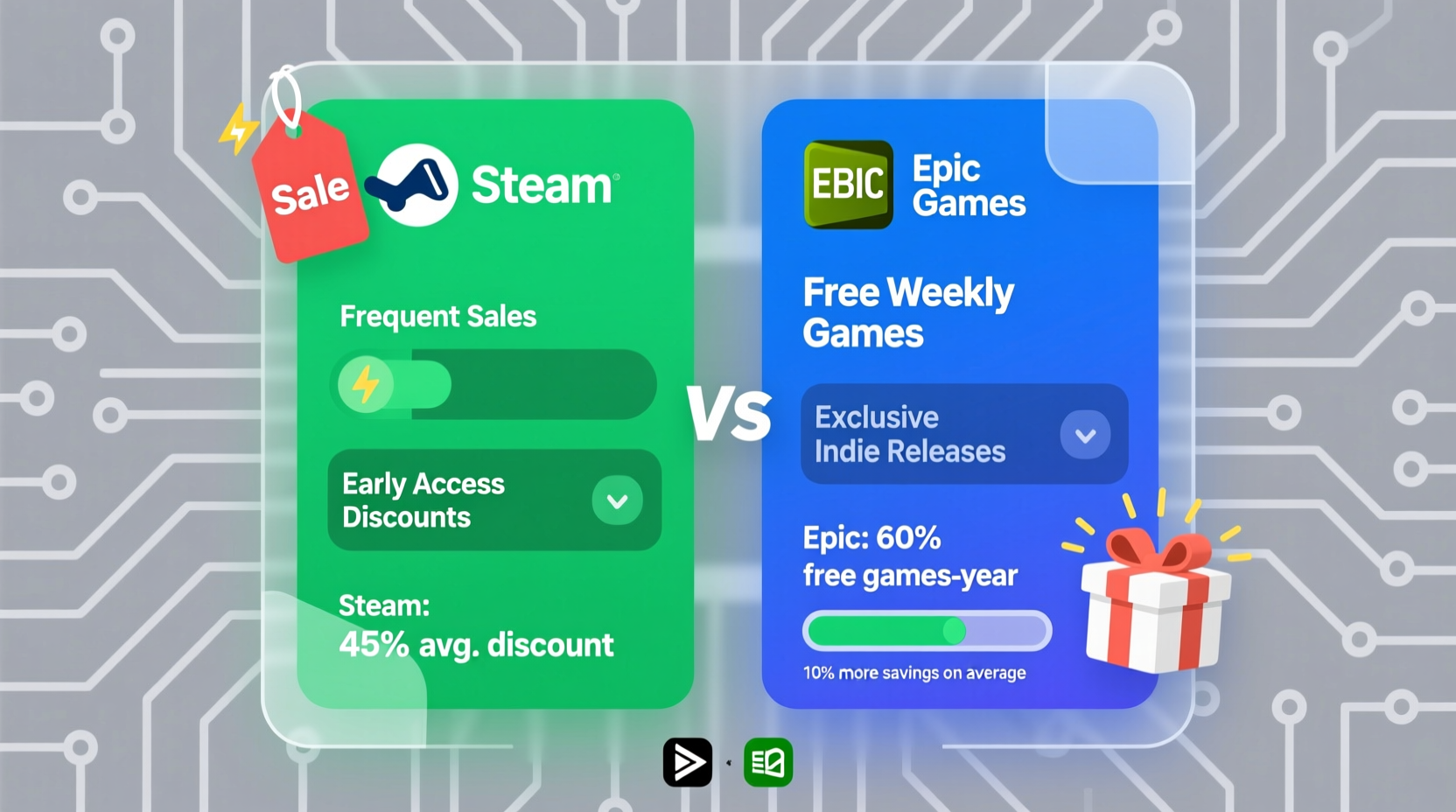
The foundation of any platform’s deal quality lies in its revenue model and how it shares profits with developers. This directly influences pricing flexibility, sale frequency, and promotional depth.
Steam operates on a tiered revenue split: 70/30 standard, with developers earning 70% of each sale. However, Valve introduced a \"revenue-based\" scale in 2018 where studios earning over $10 million receive 25% of additional revenue, improving their cut to 75%. While this benefits larger indie successes like *Hades* or *Dead Cells*, smaller developers still operate under the traditional split.
Epic Games Store, by contrast, uses a flat 88/12 split—developers keep 88% of every sale. This is one of the most generous models in the industry. The rationale is clear: attract developers with better margins, which in turn encourages more competitive pricing and frequent discounts.
“Epic’s revenue share allows us to be more aggressive with launch pricing and seasonal sales without sacrificing studio sustainability.” — Lena Park, Co-Founder of Pixel Spiral Games
This structural advantage means many indie developers choose to price lower on Epic from day one or offer deeper discounts during promotions. It also incentivizes exclusivity deals, although those have become less common since 2021.
Sale Frequency and Depth of Discounts
When comparing actual discounts on indie games, both platforms run regular promotions—but with different rhythms and philosophies.
Steam hosts several major seasonal sales per year: Winter Sale, Summer Sale, Lunar New Year, and Autumn Events. During these, indie titles frequently see discounts of 50–90%, especially if they’ve been on the market for six months or longer. Additionally, Steam’s algorithm-driven “Recommended for You” system surfaces personalized deals, increasing visibility for niche titles.
Epic runs fewer large-scale sales but compensates with consistent weekly promotions. Their “Mega Sale” events occur quarterly and often feature curated indie bundles or deep cuts from publishers like Devolver Digital or Annapurna Interactive. More importantly, Epic leverages its higher developer margin to offer steeper discounts—commonly 60–90% off—with less restriction on timing.
Tip: If you're building a backlog of indie games, track Epic’s Thursday promotions—they often include surprise flash discounts on recent releases.One key difference: Steam allows third-party keys and regional pricing, enabling users in developing regions to access games at lower rates. Epic does not support region-based pricing as broadly, making some titles effectively more expensive outside North America and Europe—even during sales.
Comparison Table: Key Deal Metrics
| Metric | Steam | Epic Games Store |
|---|---|---|
| Revenue Split | 70% (up to 75% after $10M) | 88% |
| Avg. Indie Discount | 50–75% | 60–90% |
| Sale Frequency | 4+ major annual sales | Quarterly + weekly deals |
| Free Weekly Games | No | Yes (since 2018) |
| Regional Pricing | Yes (extensive) | Limited |
| Indie Visibility Tools | Wishlist, tags, reviews | Curation-focused banners |
| Price History Tracking | Supported via third parties | No native tool |
The data shows that while Steam leads in user tools and global accessibility, Epic wins on raw discount potential and developer incentives. However, the absence of price history trackers on Epic makes it harder to judge whether a current deal is truly exceptional.
Real Example: Buying Patterns Over Six Months
Consider Sarah, a gamer based in Canada who plays roughly 15 indie titles per year. She follows both stores closely and tracks prices using external tools like IsThereAnyDeal.com.
In early January, she wanted *Inscryption*, an acclaimed indie horror-card hybrid. On Steam, it launched at CAD $24.99 and dropped to $14.99 during the Spring Sale—40% off—six months later. Meanwhile, Epic offered the same title at $12.49 just three months post-launch, citing a publisher partnership and favorable revenue terms.
Later that spring, she picked up *Tunic*, *Cocoon*, and *Chained Echoes*. All were available on both platforms, but only Epic included them in a weekend flash sale with an extra 15% off coupons. Steam eventually matched the final price during its Summer Sale—but two weeks later.
Over six months, Sarah saved approximately CAD $48 by prioritizing Epic for new purchases and using Steam mainly during peak sale periods. Her strategy? Buy immediately on Epic if the game interests her and wait for Steam if she’s unsure.
This scenario illustrates a growing trend: players who actively monitor both platforms can optimize spending by leveraging Epic’s deeper discounts and Steam’s broader library timing.
Exclusive Titles and Platform Lock-In
Another factor influencing deal value is exclusivity. Between 2018 and 2022, Epic secured numerous timed exclusives—many of them indie darlings like *Hades*, *Sable*, and *Cult of the Lamb*. These deals meant that for a period (usually 6–12 months), certain high-profile indies were only available on Epic.
While controversial among consumers who preferred Steam’s interface and community features, these exclusives gave Epic leverage to promote bundled deals and cross-promotions. For example, purchasing *Hades* on Epic during its exclusive window came with a digital artbook and soundtrack—a value-add not initially offered on Steam.
Today, most exclusivity agreements have expired, and cross-platform availability is nearly universal. However, Epic still negotiates “preferred partner” status with select indie studios, resulting in earlier access to discounts or bonus content. This subtle edge enhances perceived deal quality even when base prices are similar.
Tip: Check whether a game includes exclusive DLC or cosmetic bonuses on one platform before buying—it can tip the value balance.Actionable Checklist: Maximizing Indie Game Savings
- ✅ Monitor both Steam and Epic weekly deals—subscribe to newsletters or follow official social channels.
- ✅ Use price tracking sites like SteamDB, GG.deals, or IsThereAnyDeal to compare historical lows.
- ✅ Claim Epic’s free weekly games—even if you don’t play them immediately, they expand your library at no cost.
- ✅ Wishlist indie titles on Steam to receive automatic sale notifications.
- ✅ Prioritize Epic for newly discounted indies with 80%+ off; use Steam for well-reviewed classics during seasonal sales.
- ✅ Consider regional pricing—if eligible, create a Steam account in a lower-tier region to access cheaper rates legally.
- ✅ Bundle smart: Steam’s holiday bundles often include obscure indies alongside hits, offering unique value.
Long-Term Value: Beyond the Price Tag
Deals aren’t just about the lowest price—they’re also about usability, longevity, and ecosystem benefits.
Steam excels in post-purchase experience. Features like cloud saves, mod support through the Steam Workshop, robust community forums, achievements, and remote play enhance engagement long after purchase. Many indie developers integrate tightly with Steamworks APIs, enabling richer functionality.
Epic lacks built-in modding tools and has minimal community interaction features. Its launcher is functional but barebones compared to Steam’s feature-rich client. However, Epic integrates deeply with Unreal Engine projects, meaning some indie titles built in UE5 may perform slightly better or load faster on their native store.
Moreover, Steam’s marketplace allows resale of in-game items (for supported games), trading cards, and community-driven economies—all adding indirect value. Epic offers none of these. So while a game might be cheaper upfront on Epic, Steam provides more ways to extract ongoing utility from ownership.
Frequently Asked Questions
Are Epic’s deals always better than Steam’s?
Not always. While Epic tends to offer deeper percentage discounts, Steam’s broader regional pricing, longer sales duration, and bundled offers often result in comparable or sometimes lower effective prices—especially for users in Latin America, Southeast Asia, or Eastern Europe.
Can I move my games from Epic to Steam or vice versa?
No. Unlike physical media, digital licenses are tied to the platform. Once purchased, a game remains locked to that storefront unless the developer releases it independently elsewhere. Always buy with the understanding that switching platforms later won’t transfer ownership.
Is it worth waiting for free games on Epic?
If you’re patient and open to surprises, yes. Epic has given away over 200 games since 2018, including critically acclaimed indies like *Inside*, *Outer Wilds*, and *Spiritfarer*. However, don’t expect every free title to align with your taste—curate wisely and claim only what you genuinely intend to play.
Final Verdict: Where Should You Buy Indie Games?
The answer depends on your priorities.
If you value maximum short-term savings, developer-friendly economics, and immediate access to steep discounts, **Epic Games Store** generally offers better deals on indie titles. Its 88% revenue split empowers publishers to go lower, faster. Combined with free weekly games, it’s ideal for expanding your library affordably.
However, if you prioritize long-term engagement, modding, community features, price transparency, and regional affordability, **Steam** remains the superior overall ecosystem—even if individual discounts appear slightly shallower.
The smartest approach isn’t choosing one over the other, but using both strategically. Leverage Epic for aggressive pricing and freebies, then rely on Steam for community depth and proven classics during seasonal blowouts. With careful planning, you can enjoy the best of both worlds—saving money while supporting the vibrant indie scene that continues to redefine modern gaming.
🚀 Ready to optimize your indie game spending? Start tracking upcoming sales on both platforms today—and never overpay for your next favorite title again.