In an age of digital banking and instant spending, the humble piggy bank has evolved into a powerful tool for behavioral finance. The modern password lock piggy bank isn’t just a novelty—it’s a psychological barrier that fosters discipline, reduces impulsive withdrawals, and reinforces commitment to financial goals. Unlike traditional jars or envelopes, a password-protected model adds a layer of cognitive friction that makes accessing funds intentional rather than automatic. When used strategically, this simple device can significantly improve saving habits, especially for individuals prone to emotional spending or those building emergency funds, vacation pools, or children’s financial literacy.
Why a Password Lock Piggy Bank Works
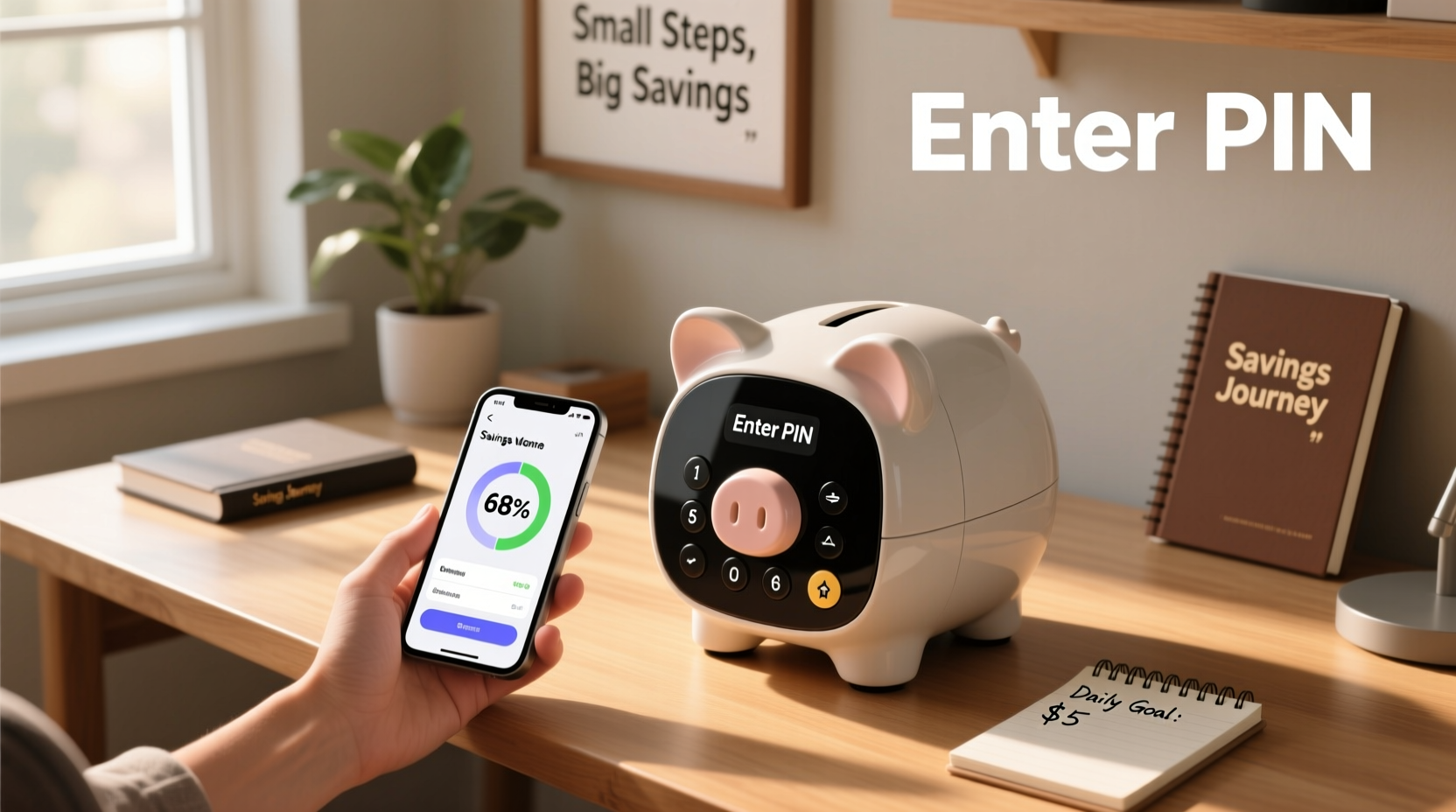
The effectiveness of a password lock piggy bank lies in its ability to disrupt habitual spending patterns. Behavioral economists refer to this as \"commitment device\" design—a mechanism that helps people follow through on future plans by limiting present choices. By requiring a password to access saved money, you introduce a delay and mental checkpoint that forces reflection before withdrawal.
This is particularly useful for households with shared spaces, where cash might otherwise be borrowed temporarily and never returned. It also serves as a tangible symbol of financial boundaries—especially effective when teaching children about delayed gratification or helping adults resist short-term temptations.
“Physical barriers to spending, even symbolic ones like a password lock, activate self-control regions in the brain. That split-second pause can prevent a regrettable withdrawal.” — Dr. Lena Patel, Behavioral Finance Researcher at MIT
5 Smart Strategies to Maximize Savings
1. Set Clear, Time-Bound Goals
A locked piggy bank without a purpose becomes a forgotten container. Assign each piggy bank a specific goal: $500 for car repairs, $300 for holiday gifts, or a child’s first savings target. Write the goal and deadline on a label attached to the bank. This visual cue reinforces motivation every time you see it.
Tip: Use colored labels or sticky notes to differentiate between goals—red for emergencies, green for vacations, blue for education.2. Automate Small, Regular Contributions
Consistency beats size when building savings. Instead of waiting for “extra” money, schedule small deposits weekly or biweekly. Try rounding up daily purchases and depositing the difference. For example, if you spend $3.75 on coffee, put $0.25 into the piggy bank. Over a month, that’s nearly $10—without feeling the pinch.
For families, turn contributions into a game: match every dollar a child saves, or add a bonus after three months of consistent deposits.
3. Use Dual Passwords for Accountability
To strengthen commitment, set up dual-access rules. Share the password only with a trusted partner, parent, or friend who agrees to act as a “gatekeeper.” Needing approval before withdrawal introduces social accountability, making impulsive access less likely.
This strategy works well in marital finances or co-parenting situations, where one person manages day-to-day spending but both must agree on tapping savings.
4. Create a Withdrawal Policy
Define under what conditions the piggy bank can be opened. Is it only for true emergencies? After a 48-hour cooling-off period? Only with written justification?
Write your policy and tape it beside the bank. Example: “Funds may only be accessed for unexpected medical costs, job loss buffers, or pre-approved family needs.” This turns the piggy bank into a rule-based system, not just a container.
5. Track Progress Visually
Since you can’t see inside most password-locked banks, maintain a progress chart nearby. Each week, estimate or log the amount saved and mark it on a graph. Visual tracking triggers dopamine responses linked to achievement, encouraging continued participation.
For children, use a sticker chart. For adults, pair it with a notes app or spreadsheet. The key is maintaining a sense of momentum—even when the money is out of sight.
Step-by-Step Guide: Setting Up Your Password Lock Piggy Bank
- Choose the right model: Select a piggy bank with a secure digital keypad, durable build, and removable base for eventual access.
- Define your savings goal: Be specific—amount, purpose, and deadline (e.g., $800 for a laptop by December).
- Set a strong but memorable password: Avoid birthdays; use a combination like “Save2025” or a meaningful number sequence.
- Establish contribution rules: Decide how often and how much will go in (e.g., $20 every Friday).
- Create a withdrawal policy: List acceptable reasons for access and any required approvals.
- Place it strategically: Keep it visible but not tempting—on a bookshelf, not next to your wallet.
- Monitor and celebrate milestones: Acknowledge reaching 25%, 50%, and 75% of your goal with non-monetary rewards.
Mini Case Study: The Johnson Family’s Emergency Fund Breakthrough
The Johnsons struggled to maintain an emergency fund. Despite earning a stable income, unexpected expenses—car repairs, vet bills—always seemed to wipe out their savings within weeks. They decided to try a password lock piggy bank labeled “Family Safety Net” with a $1,000 goal.
They set a rule: both parents had to agree and enter the password together to open it. They automated $30 weekly deposits from grocery change and side gig earnings. A chart on the fridge tracked progress.
After five months, they reached $750. When their water heater failed, they accessed the fund—but only after discussing alternatives and confirming it met their “unexpected essential repair” criteria. Because the process was deliberate, they felt in control, not guilty. Within six months of the withdrawal, they had rebuilt the fund, now with stronger habits in place.
Do’s and Don’ts: Best Practices Summary
| Do | Don’t |
|---|---|
| Use the piggy bank for one specific goal at a time | Use it as a general “junk drawer” for spare cash |
| Review progress monthly and adjust contributions if needed | Forget about it for months without checking |
| Involve family members in setting rules and goals | Keep the password a secret without explanation |
| Pair it with a digital savings account for overflow | Rely solely on physical cash without backup plans |
| Reset the bank after a withdrawal with renewed commitment | Abandon the system after one use |
Frequently Asked Questions
Can I trust a password lock piggy bank with large amounts of cash?
These devices are best suited for moderate, goal-based savings—not long-term storage of large sums. For significant amounts, consider combining the piggy bank with a high-yield savings account. Use the physical bank as a behavioral tool, not a primary vault.
What if I forget the password?
Choose a password that’s meaningful but not obvious. Write it down and store it in a secure location (like a home safe or password manager) labeled “Piggy Bank Reset.” Avoid factory defaults like “0000,” which defeat the purpose of security.
Are these effective for children’s financial education?
Extremely. Children learn cause-and-effect quickly when they see that saving leads to unlocking something valuable. Pair the bank with lessons on budgeting, opportunity cost, and patience. Let them choose the password and decorate the bank to increase ownership.
Conclusion: Turn Discipline Into Design
The power of a password lock piggy bank isn’t in its mechanics—it’s in the behavior it shapes. By turning saving into a structured, intentional practice, you leverage psychology to support financial health. Whether you're rebuilding after setbacks, teaching kids about money, or simply avoiding the lure of quick spending, this tool offers a low-tech solution with high-impact results.
🚀 Start today: Choose one financial goal, get a password lock piggy bank, and make your first deposit. Small actions, protected by smart systems, lead to lasting wealth.