In recent years, the excitement of pre-ordering a highly anticipated video game has been increasingly overshadowed by uncertainty. Launches once expected on specific dates are now routinely delayed—sometimes by months or even years. Games that were promoted with cinematic trailers and developer livestreams vanish into silence, leaving fans wondering if their pre-purchase was a smart move or a financial gamble. As development timelines stretch and studios face mounting pressure, the question arises: Is it still worth pre-ordering video games?
The answer isn't straightforward. While pre-orders once guaranteed early access, exclusive in-game items, or physical collector’s editions, today’s landscape demands more caution. Between unmet promises, incomplete launches, and outright cancellations, players are reevaluating whether the benefits outweigh the risks.
The Changing Landscape of Game Releases
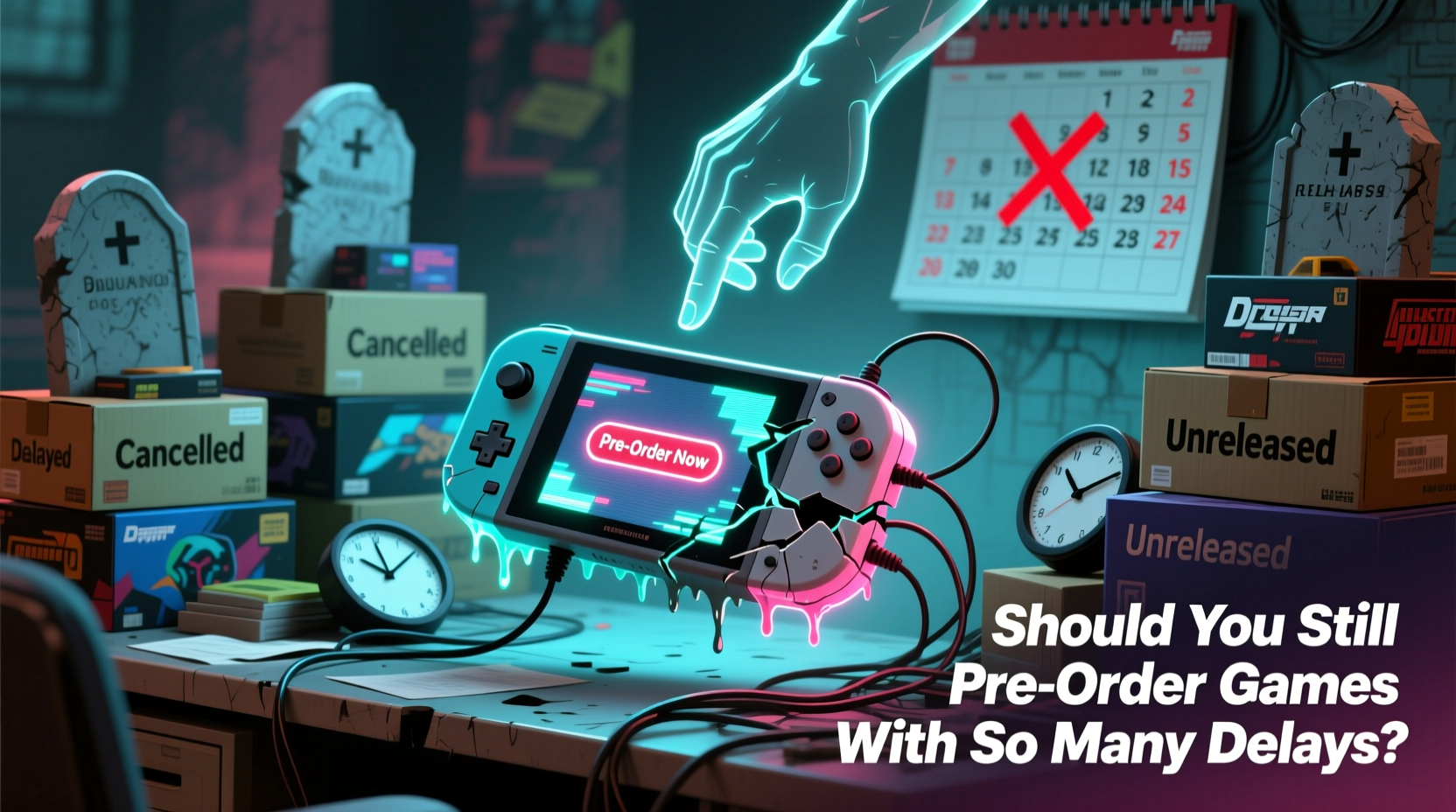
Gone are the days when a pre-order meant simply reserving a copy before launch day. In the 2000s and early 2010s, pre-ordering a game often came with tangible perks: bonus weapons, skins, or even full DLC packs. Retailers competed to offer the most enticing incentives, and consumers responded eagerly.
But as game development grew more complex—and budgets ballooned—so did the challenges of meeting deadlines. High-profile titles like Cyberpunk 2077, Starfield, and Diablo IV launched with significant bugs or missing features, despite aggressive marketing and early pre-order availability. Meanwhile, others such as Indiana Jones and the Great Circle and Fable have faced multiple delays, pushing release windows from one year to the next.
According to data from industry tracker VGInsights, over 60% of major AAA titles scheduled for release between 2020 and 2023 experienced at least one delay. The average delay spanned four to six months, with some projects entering indefinite hiatus.
“Pre-orders used to be about convenience and exclusivity. Now they’re often a financial lifeline for developers during extended production cycles.” — Marcus Lin, Senior Analyst at GameEconomy Insights
Risks of Pre-Ordering in the Modern Era
While pre-ordering can feel like supporting your favorite franchises, it comes with growing risks:
- Delayed releases: Many pre-ordered games miss their original launch window. Without clear communication, players may wait months longer than expected.
- Broken promises: Bonuses advertised at pre-order may be removed, altered, or never delivered if the game changes direction mid-development.
- Poor launch quality: Rushed releases to meet pre-order commitments can result in buggy, unstable experiences—especially on last-gen consoles.
- Limited refunds: Digital storefronts like PlayStation Store, Xbox Marketplace, and Steam rarely offer refunds once a pre-order is placed, even if the game is delayed indefinitely.
- Feature creep and scope changes: Games may shift focus entirely during development, making early promises irrelevant by launch.
When Pre-Ordering Still Makes Sense
Despite the risks, there are still scenarios where pre-ordering a game is a reasonable decision:
- Physical collector’s editions: Limited-run boxes with art books, statues, or steelbook cases often sell out quickly. If you're a collector, pre-ordering may be the only way to secure these items.
- Guaranteed day-one access: For online multiplayer games (e.g., Call of Duty, Destiny), pre-ordering sometimes unlocks early play periods, giving you a head start.
- Supporting indie developers: Smaller studios rely on early revenue to fund final development phases. Pre-ordering through platforms like itch.io or Kickstarter-style campaigns can help bring niche projects to life.
- Discounts and bundles: Some retailers offer price reductions or free accessories (like controllers or gift cards) exclusively for pre-orders.
However, even in these cases, due diligence is essential. Research the studio’s track record, read patch notes from previous titles, and follow community discussions. A developer known for transparency and consistent delivery is far less risky than one with a history of missed deadlines.
Smart Alternatives to Traditional Pre-Orders
Instead of committing funds months in advance, consider these safer strategies:
| Strategy | How It Works | Benefits |
|---|---|---|
| Wishlist + Price Alerts | Add the game to your digital store wishlist (Steam, Epic, etc.) and enable notifications. | Get notified at launch or during sales; no financial commitment. |
| Wait for Day-One Reviews | Delay purchase until trusted outlets publish reviews. | Avoid broken launches; assess performance and content depth. |
| Join Beta Tests | Sign up for closed or open betas if available. | Experience gameplay firsthand and judge stability before buying. |
| Use Subscription Services | Platforms like Xbox Game Pass or EA Play include new releases on day one. | Play without upfront cost; cancel anytime if unsatisfied. |
These approaches let you stay informed and engaged without locking in money prematurely. In fact, many gamers report higher satisfaction rates when they delay purchases by even a few weeks, allowing patches and community feedback to shape their decision.
Mini Case Study: The Rise and Delay of *Avowed*
Obsidian Entertainment’s Avowed, announced in 2020 as a first-person fantasy RPG set in the Outer Worlds universe, generated immediate buzz. By 2022, it was listed for a 2023 release, and several retailers began offering pre-orders with exclusive armor sets and digital artbooks.
Then, in late 2023, Microsoft announced a delay to 2024, citing “additional time needed to polish core systems.” No further updates followed for months. Fans who had pre-ordered were left in limbo—some unable to cancel their orders, others frustrated by the lack of communication.
By contrast, those who waited were unaffected. When a public demo finally launched in June 2024, players could try the game risk-free. Many praised its immersive combat but criticized clunky UI—a flaw not evident in early trailers. Those who played the demo were better equipped to decide whether the full game was worth buying.
This case underscores a broader trend: patience pays off. The information gained from demos, reviews, and player feedback often outweighs the minor perks of early commitment.
Checklist: Should You Pre-Order This Game?
Before clicking “buy” on a pre-order page, ask yourself the following:
- ✅ Has the developer released similar games on time before?
- ✅ Are the pre-order bonuses exclusive, or will they be sold later?
- ✅ Is there a refund policy if the game is delayed or canceled?
- ✅ Has a playable demo or beta been released?
- ✅ Are reviews or press previews available yet?
- ✅ Am I buying this because I want it—or because I feel pressured by FOMO?
If more than two answers are “no” or “unsure,” it’s wiser to wait.
Expert Insight: The Business Behind Pre-Orders
From a business perspective, pre-orders serve a critical function beyond consumer demand—they provide early revenue that funds ongoing development, marketing, and server infrastructure.
“Pre-orders are less about customer service and more about cash flow forecasting. They help publishers lock in projected sales and manage inventory, especially for physical copies.” — Lena Patel, Industry Economist at NPD Group
This explains why companies push pre-orders aggressively, even when release dates are tentative. Marketing teams begin campaigns long before development is stable, banking on hype to drive early sales. Unfortunately, this model prioritizes revenue over product readiness—putting consumers at risk.
Some studios are pushing back. Larian Studios (Baldur’s Gate 3) opted not to offer traditional pre-orders, instead releasing an early access version that evolved based on player feedback. The result? A critically acclaimed launch and sustained sales momentum—without the baggage of unfulfilled promises.
FAQ
Can I get a refund on a pre-ordered game if it's delayed?
It depends on the platform. Steam allows refunds within 48 hours of purchase, provided the game hasn’t been downloaded. PlayStation and Xbox are stricter—refunds are typically only granted if the game is canceled, not merely delayed. Always review the store’s policy before buying.
Do pre-order bonuses ever come back?
Sometimes. Publishers occasionally re-release cosmetic items or DLCs as part of anniversary updates or special events. However, physical exclusives (like statues or steelbooks) rarely return. If it matters to you, act early—but weigh the cost against potential disappointment.
Are digital pre-orders safer than physical ones?
Digital pre-orders guarantee you’ll receive the game eventually, but they don’t protect against delays or poor quality. Physical copies carry additional risk—if a game is canceled, manufacturing halts, and retailers may not issue refunds. Both formats require caution.
Conclusion: Rethinking Pre-Orders in 2024
Pre-ordering video games isn’t obsolete—but it’s no longer a default choice. With rising delays, inconsistent quality, and shrinking bonuses, the practice demands careful evaluation. Blind loyalty to franchises or fear of missing out should not override sound judgment.
The modern gamer has better tools than ever: wishlists, review aggregators, subscription services, and community forums. These empower informed decisions without financial risk. For collectors or die-hard fans, pre-orders still hold value—but they should be the exception, not the rule.
As development becomes more ambitious and timelines more unpredictable, the smartest move may not be to pre-order, but to wait. Let the dust settle. Watch the reviews. Try the demo. Then decide—with confidence.
💬 What’s your take? Have you been burned by a delayed pre-order—or found success with one? Share your story in the comments and help others navigate the evolving world of game launches.