In recent years, reusable grocery bags have become a symbol of environmental responsibility. Seen draped over shoppers’ shoulders or folded neatly in car trunks, they signal intent: “I care about the planet.” But beneath this well-meaning gesture lies a complex reality. Are reusable bags genuinely better than plastic, or are consumers being misled by a phenomenon known as greenwashing?
Greenwashing occurs when companies or individuals promote products as environmentally friendly without substantiating claims or full transparency. The shift from single-use plastic to reusable bags was widely celebrated, but new research suggests that the environmental footprint of reusables isn’t always as clean as it appears. To make informed decisions, we need to look beyond marketing slogans and examine lifecycle impacts, usage habits, and real-world outcomes.
The Environmental Cost of Single-Use Plastic Bags
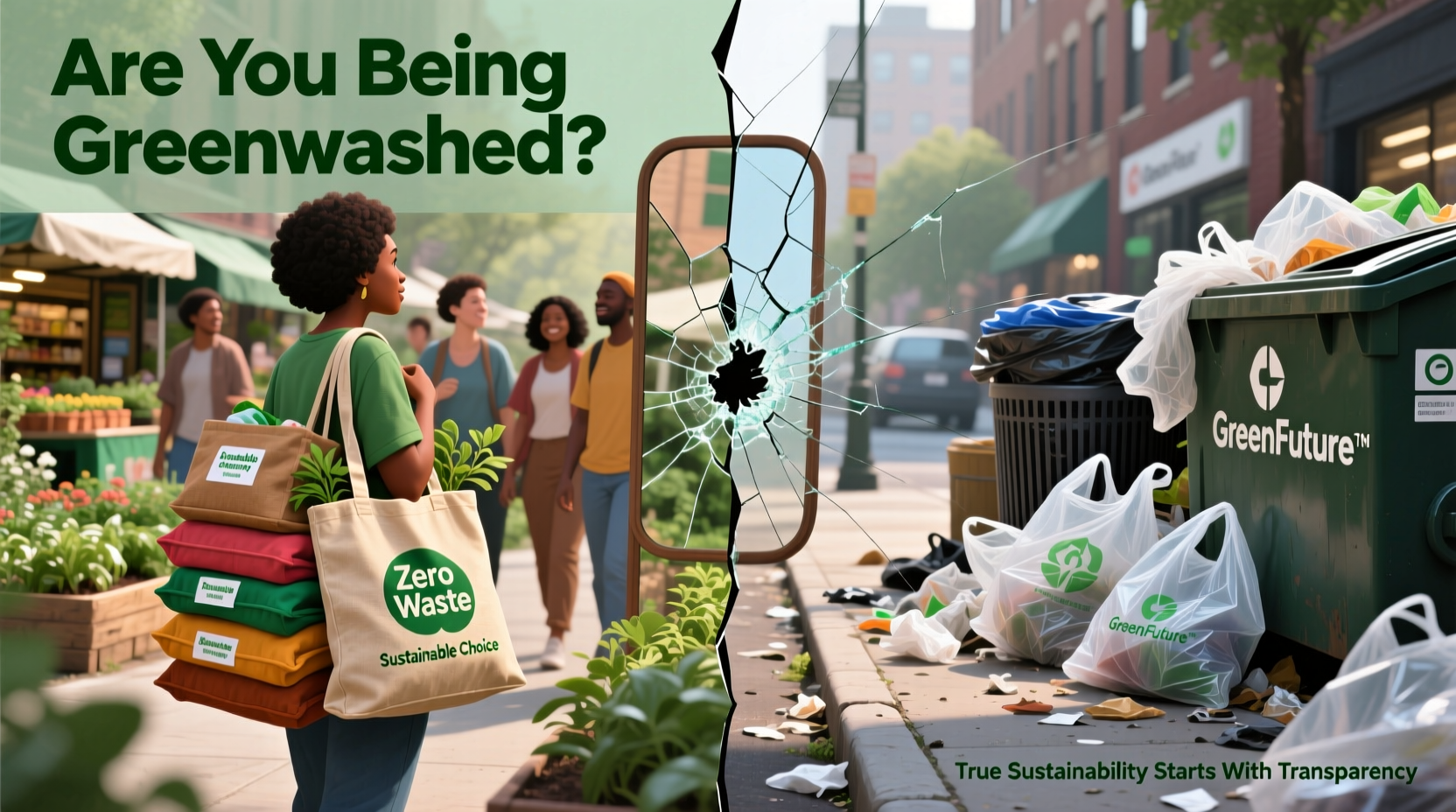
Plastic shopping bags have long been criticized for their environmental toll. Made primarily from polyethylene—a petroleum-based product—their production emits greenhouse gases and consumes non-renewable resources. Once discarded, they persist in ecosystems for centuries, breaking into microplastics that pollute oceans and harm wildlife.
According to the United Nations Environment Programme (UNEP), between 500 billion and 1 trillion plastic bags are consumed globally each year. Less than 10% are recycled in most countries, with the rest ending up in landfills, waterways, or incinerators. This alarming waste stream justified bans and fees on plastic bags in over 120 countries.
However, while the problem with plastic is clear, the solution may not be as simple as switching to reusable alternatives.
Lifecycle Analysis: What Does It Take to Make a Reusable Bag?
To understand whether reusable bags are truly greener, we must consider their entire lifecycle: raw material extraction, manufacturing, transportation, use phase, and end-of-life disposal.
A landmark 2018 study by the Danish Environmental Protection Agency compared the environmental impact of various bag types. Shockingly, it found that a cotton reusable bag must be used **7,100 times** to match the global warming potential of a single-use plastic bag used once and discarded. Even more durable polypropylene (non-woven) reusable bags require at least **37 uses** to break even in terms of climate impact.
Why such high numbers? Cotton farming is resource-intensive—requiring vast amounts of water, pesticides, and land. Manufacturing processes also contribute significantly to carbon emissions. In contrast, plastic bags, though problematic in disposal, have a much lower initial production footprint.
“Sustainability isn’t about swapping one material for another—it’s about changing behavior. A reusable bag only reduces impact if it’s actually reused enough.” — Dr. Sarah Thompson, Environmental Systems Analyst, Stockholm Institute
Are You Contributing to Greenwashing?
Greenwashing often thrives on good intentions. Consumers buy reusable bags believing they’re making an eco-positive choice. But if those bags sit unused in a closet, get lost after two trips, or are replaced frequently due to wear, the environmental cost outweighs the benefit.
Many brands now market \"eco-friendly\" tote bags made from organic cotton or recycled materials. While these improvements help, they don’t eliminate the core issue: low utilization rates. A 2021 UK government report revealed that the average reusable bag is used only **9 times** before being discarded—far below the threshold needed for environmental parity.
Moreover, some retailers distribute free reusable bags as part of sustainability campaigns, inadvertently encouraging overconsumption. When treated like disposable items, even durable bags become waste.
Tip: Before buying another reusable bag, check your current collection. One well-used bag beats ten underused “eco” totes.Comparative Impact Table: Bag Types and Break-Even Usage
| Bag Type | Material | Climate Break-Even (Uses) | Water Use (Liters per Bag) | Recyclability |
|---|---|---|---|---|
| Single-Use Plastic | Polyethylene | 1 (baseline) | 22 | Low (often not recycled) |
| Polypropylene Reusable | Non-woven PP | 37 | 110 | Moderate |
| Polyester Reusable | Recycled PET | 51 | 80 | Moderate |
| Cotton Reusable | Organic Cotton | 2,700 | 2,700 | Low |
| Heavy-Duty Canvas | Conventional Cotton | 7,100 | 10,000+ | Low |
Data source: Danish EPA, 2018; UNEP Lifecycle Assessments
How to Actually Be Greener: A Practical Checklist
The goal isn’t to shame reusable bag users but to encourage smarter habits. Sustainability hinges on consistent use, durability, and mindful consumption. Follow this checklist to ensure your efforts aren’t undermined by greenwashing narratives.
- ✅ Commit to using each bag at least 50 times (100+ is ideal)
- ✅ Choose compact, durable materials like non-woven polypropylene
- ✅ Keep bags visible—in your car, by the door, or in your work bag
- ✅ Wash reusable bags only when necessary to reduce water and energy use
- ✅ Repair minor tears instead of replacing
- ❌ Avoid collecting promotional reusable bags unless you’ll use them
- ❌ Don’t treat reusable bags as fashion accessories to be swapped seasonally
Real Example: The Case of the Forgotten Tote
Sophie, a resident of Portland, Oregon, prides herself on her eco-conscious lifestyle. She owns seven reusable grocery bags—three canvas, two insulated, and two trendy designer totes given as gifts. Yet, a month-long audit revealed she only used four of them, and never more than twice each. Two were left in her office, one was misplaced during a move, and another tore after carrying heavy canned goods.
Despite her intentions, Sophie’s actual reuse rate was less than 15%. According to lifecycle data, none of her bags had reached their environmental break-even point. Her story reflects a common pattern: emotional commitment to sustainability without behavioral consistency.
After learning about the data, Sophie consolidated her collection to two sturdy polypropylene bags, kept one in her backpack and one in her car. Within three months, both surpassed 30 uses. Her carbon savings finally began to outweigh the initial production cost.
Step-by-Step Guide to Maximizing Your Bag’s Eco-Impact
- Assess what you already own: Inventory your current reusable bags. Identify which are durable and practical.
- Select two reliable bags: Choose ones that fold small, carry weight well, and are easy to clean.
- Create storage habits: Store one in your vehicle and one near your front door or in your daily bag.
- Track usage: Mentally note each use or mark a calendar until the habit becomes automatic.
- Extend lifespan: Spot-clean when needed, air dry, and avoid overloading.
- Retire responsibly: If a bag wears out, repurpose it for storage or donate if still usable.
Frequently Asked Questions
Do reusable bags really reduce waste?
Yes—but only if used consistently. A single reusable bag used 50+ times prevents hundreds of plastic bags from entering circulation. However, frequent replacement or low usage can increase overall waste and emissions.
Are paper bags a better alternative?
No. Paper bags require more energy and water to produce than plastic and are rarely reused. They also decompose slowly in landfills and generate methane. While biodegradable, they’re not a sustainable standalone solution.
What’s the most eco-friendly bag option?
The most sustainable bag is the one you already own and will use repeatedly. For new purchases, non-woven polypropylene offers the best balance of low break-even point, durability, and recyclability.
Conclusion: Beyond the Bag—Toward Real Sustainability
The debate between reusable and plastic shopping bags isn’t just about materials—it’s about mindset. True sustainability doesn’t come from purchasing the “right” product but from developing lasting habits that minimize consumption and maximize utility.
Before accepting any eco-label at face value, ask: How many times will I use this? What resources went into making it? What happens when it’s no longer useful? These questions cut through greenwashing and lead to meaningful change.
You don’t need a closet full of reusable bags to be environmentally responsible. You need two good ones—and the discipline to use them, again and again.
💬 What’s your reusable bag routine? Share your tips or challenges in the comments—let’s build a community of truly sustainable shoppers.