More people than ever are turning to online income as a way to gain financial independence, reduce reliance on traditional jobs, or supplement their earnings. The digital economy has lowered barriers to entry, making it possible for anyone with internet access and basic skills to start earning from home. But while opportunities abound, success doesn’t come from random attempts—it comes from strategy, consistency, and smart execution. This guide breaks down realistic, beginner-friendly ways to generate income online, with actionable steps you can take today.
1. Assess Your Skills and Choose the Right Path
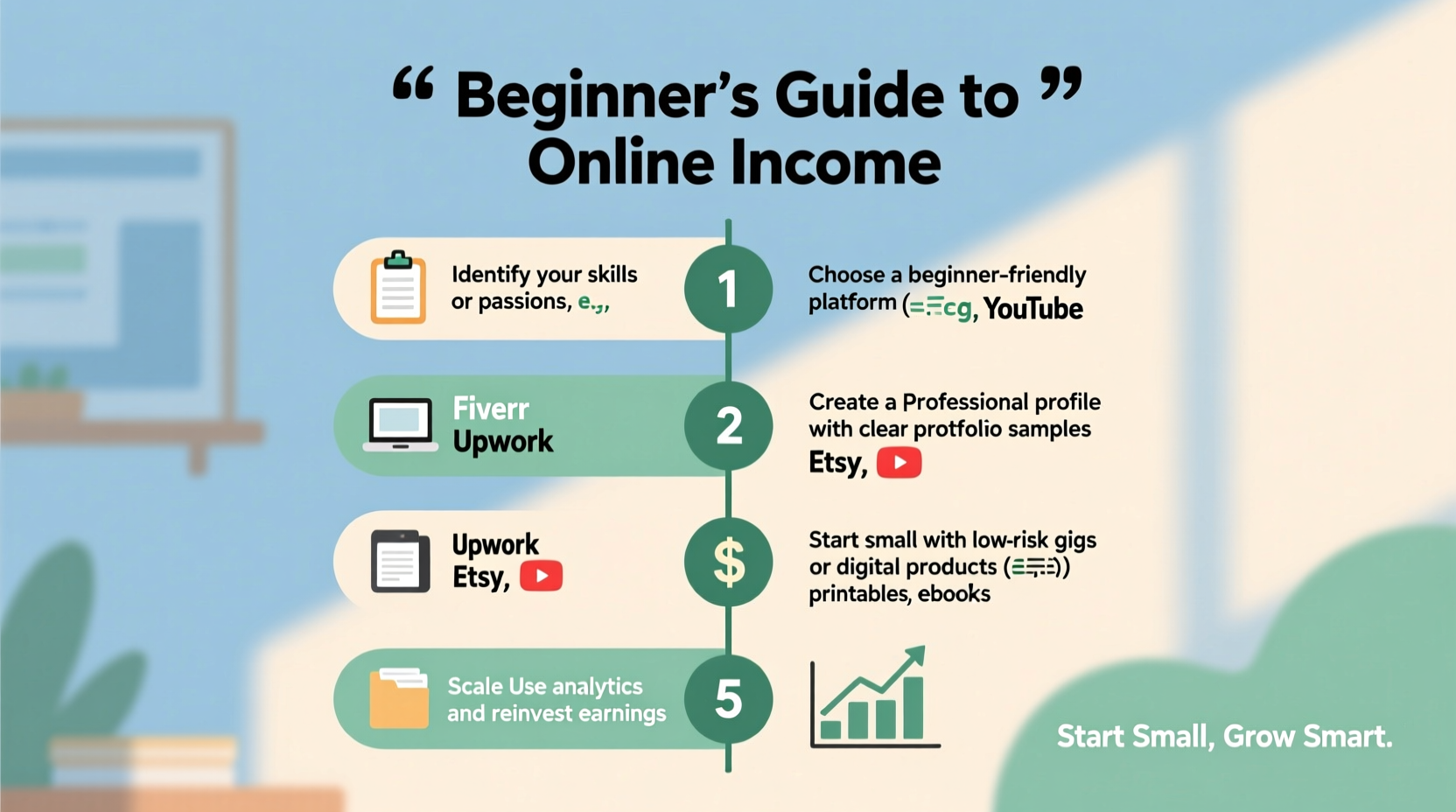
Before diving into any online venture, it’s essential to understand what you bring to the table. Everyone has marketable skills—writing, graphic design, social media management, coding, teaching, customer service, or even organizing spreadsheets. Start by listing your abilities, interests, and available time. Then match them to viable online income streams.
Tip: Use free platforms like LinkedIn or Skillshare to audit your current skill set and identify gaps you can fill with short courses.Not every method suits every person. For example, freelance writing requires strong communication skills but low startup costs. Dropshipping demands marketing savvy and tolerance for risk. Teaching English online needs patience and clear speech, not formal credentials in many cases.
Common Online Income Streams for Beginners
| Method | Skill Required | Startup Cost | Time to First Earnings |
|---|---|---|---|
| Freelance Writing | Writing, research | Low (just a computer) | 1–4 weeks |
| Virtual Assistant | Organization, communication | Very Low | 2–6 weeks |
| Online Surveys | Attention to detail | None | Same day |
| Teaching/Tutoring | Pedagogy, subject knowledge | Low | 1–3 weeks |
| Affiliate Marketing | Marketing, content creation | Moderate | 2–6 months |
2. Build a Foundation: Tools and Setup
You don’t need expensive equipment to get started, but having the right tools increases efficiency and professionalism. At minimum, you’ll need:
- A reliable computer or tablet
- Stable high-speed internet
- A quiet workspace free from distractions
- Free software: Google Workspace, Canva, Grammarly, Trello
- A dedicated email address for professional use
Create profiles on relevant platforms. If freelancing, sign up for Upwork, Fiverr, or Freelancer.com. For tutoring, consider Preply, VIPKid, or Chegg. Fill out your profile completely—include a clear photo, detailed description of services, and examples of past work if available.
“Your online presence is your storefront. A polished profile builds trust and converts browsers into clients.” — Dana Lee, Digital Career Coach
3. Step-by-Step Guide to Launching Your First Income Stream
Let’s walk through launching a freelance writing business—a beginner-accessible path with global demand.
- Identify your niche: General writing is competitive. Specialize in areas like tech, health, finance, or lifestyle to stand out.
- Create 2–3 writing samples: Write mock blog posts or adapt personal projects. Publish them on Medium or a free WordPress site.
- Set your rates: Start at $0.05–$0.10 per word or $25–$50 per article. Raise prices as you gain experience.
- Apply to 5–10 jobs daily: On Upwork, filter for “Entry Level” or “No Experience Needed” gigs. Customize each proposal.
- Deliver excellent work: Meet deadlines, follow instructions, and ask for feedback. Positive reviews attract future clients.
- Scale gradually: Once you have 5 good reviews, increase rates and target higher-paying clients.
4. Real Example: From Unemployed to $1,200/Month in 90 Days
Sarah, a 34-year-old administrative assistant from Ohio, lost her job during a company restructuring. With two kids and limited savings, she decided to try freelancing. She had strong writing skills from drafting emails and reports.
She spent one week researching freelance platforms and creating three sample articles on parenting tips, home organization, and remote work tools. She signed up on Upwork, applied to 8 writing jobs per day, and landed her first gig within 10 days—a $40 article about meal planning.
Over the next two months, she completed 37 projects, earned glowing reviews, and raised her rate from $30 to $65 per article. By day 90, she was earning $1,200/month consistently, working 25 hours a week from her kitchen table.
Her secret? Consistency and responsiveness. She treated freelancing like a real job, logging in daily and communicating promptly with clients.
5. Avoid These Common Beginner Mistakes
Many newcomers fail not because the model doesn’t work, but due to preventable errors. Watch out for these pitfalls:
- Expecting fast riches: Most legitimate online income takes weeks or months to gain traction.
- Scattering efforts: Jumping between survey sites, dropshipping, and YouTube drains focus. Pick one path and master it.
- Undervaluing your work: Charging too little harms long-term growth and attracts difficult clients.
- Ignoring contracts or payment terms: Always agree on scope, deadline, and payment method before starting work.
Do’s and Don’ts for Online Success
| Do | Don't |
|---|---|
| Start small and build credibility | Invest thousands in unproven schemes |
| Track time and income weekly | Work without a schedule or goals |
| Use free learning resources (Coursera, YouTube) | Pay for “get rich quick” courses |
| Ask for testimonials after completing work | Assume clients will leave reviews automatically |
6. Essential Checklist for Getting Started
Follow this checklist to launch your online income journey in under a week:
- ☐ Identify 2–3 marketable skills
- ☐ Choose one income method to focus on
- ☐ Set up a professional email address
- ☐ Create a portfolio or profile on 1–2 platforms
- ☐ Draft 2–3 work samples or service descriptions
- ☐ Apply to 5–10 entry-level opportunities
- ☐ Schedule 1–2 hours daily for outreach and work
- ☐ Track all applications and responses in a spreadsheet
7. Frequently Asked Questions
Is it really possible to make money online as a beginner?
Yes. Millions earn full- or part-time incomes online without advanced degrees or technical backgrounds. Success depends on choosing a realistic path, putting in consistent effort, and learning from feedback. Platforms like Fiverr, Upwork, and Teachable lower entry barriers significantly.
How much can I expect to earn in the first month?
Earnings vary by method and effort. Beginners in freelancing or virtual assistance typically earn $100–$500 in the first month. Online surveys pay less—$20–$100—but require minimal skill. Long-term earning potential grows with reputation and client base.
Are there any scams I should watch out for?
Yes. Avoid any opportunity that asks you to pay upfront for training, software, or “exclusive access.” Legitimate platforms are free to join. Never send money or share sensitive banking details. Stick to well-known sites with user reviews and secure payment systems.
Take Action Today
The best time to start building your online income was yesterday. The second-best time is now. You don’t need perfect skills, a big budget, or a viral idea. You need action. Pick one strategy from this guide, complete the checklist, and apply for your first opportunity today. Every expert was once a beginner who decided to begin. Your journey starts with a single step—take it.
🚀 Ready to start earning from home? Choose one method, commit to 30 minutes a day, and track your progress. Share your goal in the comments below—accountability accelerates results.