Types of Palestine Favors
Palestine favors are cherished tokens that celebrate the rich cultural heritage, history, and identity of the Palestinian people. These meaningful keepsakes are widely used in weddings, corporate events, cultural celebrations, and national commemorations. Thanks to growing demand and wholesale customization options, Palestine-themed favors now come in a wide variety of artistic, edible, and functional forms—each designed to honor tradition while serving as a lasting memento.
Cultural Wedding Favors
Weddings in Palestinian culture are vibrant celebrations of heritage, family, and tradition—making culturally inspired favors a central element. These symbolic gifts often feature iconic motifs such as the Hand of Fatima (Keffiyeh pattern), olive branches, or traditional embroidery (tatreez).
Popular Examples
- Mini silk or velvet pouches shaped like hands or adorned with traditional patterns
- Filled with symbolic treats: almonds (fertility), honey (sweetness), or dates (abundance)
- Personalized with names and wedding dates for a special touch
- Often wrapped in fabric featuring the Palestinian flag colors (black, white, green, red)
Considerations
- May require careful sourcing to ensure authentic designs
- Delicate materials may need protective packaging
- Limited shelf life if containing perishable items
Best for: Weddings, engagement parties, cultural heritage events
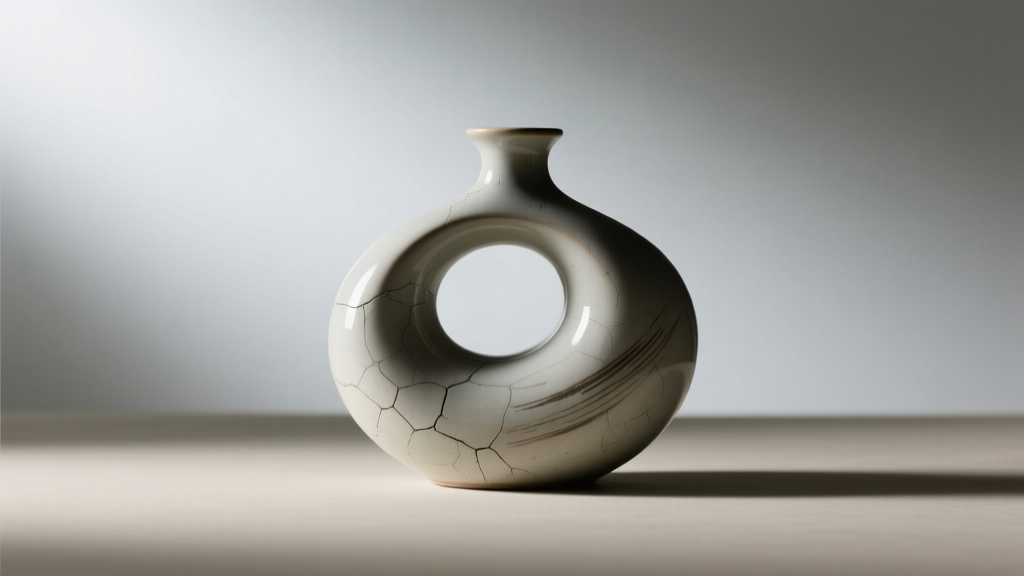
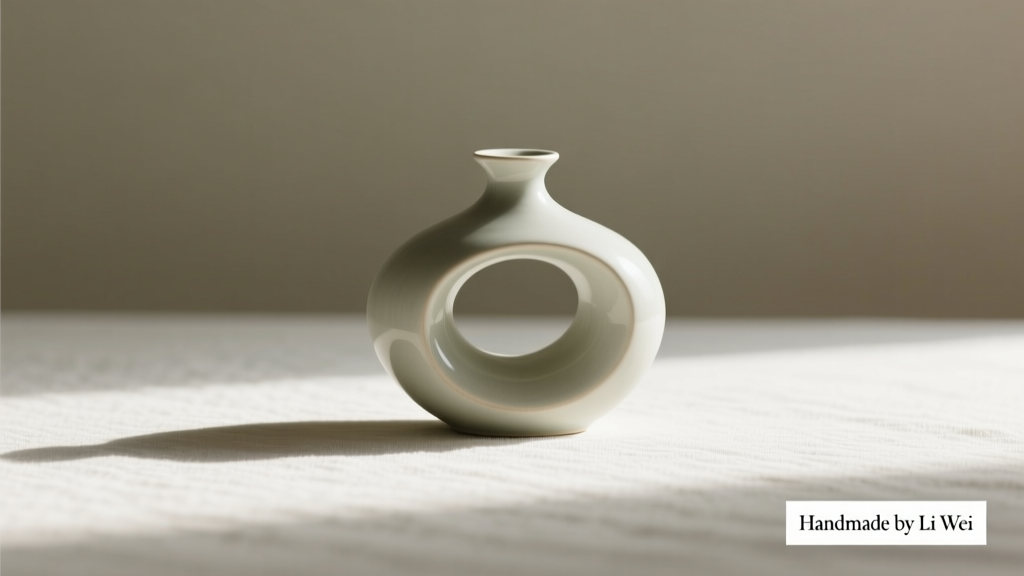
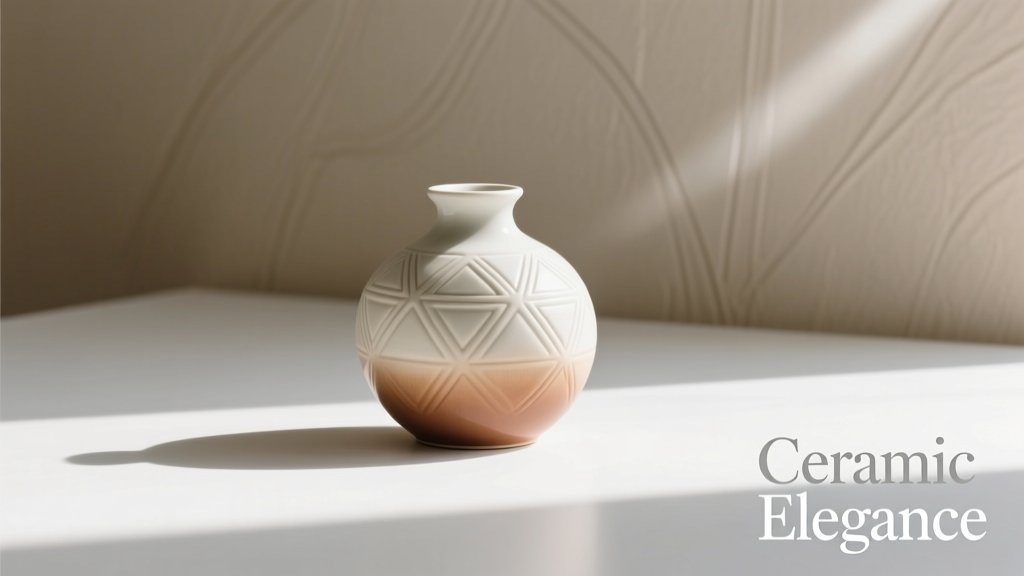
Turning Stoneware into Art
Palestinian ceramics and stoneware are renowned for their craftsmanship, vibrant colors, and deep cultural symbolism. These handcrafted pieces transform everyday tableware into artistic expressions of identity and resilience.
Features & Benefits
- Hand-painted bowls, cups, plates, and vases with traditional motifs like olive trees, doves, and Jerusalem skyline
- Made using age-old techniques passed down through generations
- Durable and functional—ideal for both display and use
- Serve as long-lasting souvenirs that support local artisans
Limitations
- More fragile than other favor types
- Higher cost due to handmade nature
- Heavier weight increases shipping costs
Best for: Cultural galas, diplomatic events, milestone anniversaries, gift exchanges
Sweet Success: Edible Favors
Sweet treats are a cornerstone of Palestinian hospitality and make for delightful, shareable favors. These edible gifts connect guests to the flavors of Palestine and are often crafted using family recipes handed down for generations.
Popular Options
- Maamoul: Date- or nut-filled shortbread cookies dusted with powdered sugar
- Kunafa: Crispy, cheese-filled pastry soaked in sweet syrup—often miniaturized for favors
- Honey-dipped almonds or sesame clusters (halva-inspired)
- Potted herb or olive saplings symbolizing peace and resilience
Challenges
- Short shelf life for fresh pastries
- Requires proper packaging to maintain freshness
- Allergen awareness needed (nuts, dairy)
Best for: Weddings, Eid celebrations, community festivals, charity events
Beauty in Small Packages: Glass Art Favors
Palestinian glassblowing, especially from Hebron, is a centuries-old craft known for its brilliance and intricate designs. Glass favors combine elegance with cultural significance, making them standout keepsakes.
Why They Stand Out
- Hand-blown ornaments, candle holders, or mini vases in Palestinian flag colors
- Designs often feature doves (peace), olive branches (resilience), or Arabic calligraphy
- Highly durable and visually striking
- Often packaged in decorative boxes with cultural symbolism
Drawbacks
- Fragile and require careful handling
- Premium pricing due to artisan labor
- Not ideal for large-scale events with budget constraints
Best for: High-end weddings, cultural exhibitions, diplomatic gifts, heritage commemorations
| Favor Type | Cultural Significance | Durability | Cost Range | Ideal Occasions |
|---|---|---|---|---|
| Cultural Wedding Favors | High – rich in symbolism and tradition | Medium (fabric + perishable fillings) | $ – $$ | Weddings, engagements, cultural ceremonies |
| Stoneware & Ceramics | Very High – represents artisan heritage | High (if handled carefully) | $$ – $$$ | Galas, anniversaries, art exhibitions |
| Edible Favors | High – tied to Palestinian cuisine and hospitality | Low to Medium (perishable) | $ – $$ | Festivals, religious events, community gatherings |
| Glass Art Favors | Very High – reflects ancient craftsmanship | High (but fragile) | $$ – $$$ | Premium weddings, diplomatic events, cultural showcases |
Expert Tip: When sourcing Palestine favors, consider partnering with fair-trade cooperatives or women’s artisan collectives in Palestine. This not only ensures authenticity but also supports economic empowerment and cultural preservation.
Designs of Palestine Favors: A Celebration of Heritage and Craftsmanship
Palestine favors are more than just keepsakes—they are powerful expressions of cultural identity, resilience, and artistry. When people discuss Palestine favors, the conversation naturally turns to the rich diversity of design options rooted deeply in Palestinian heritage. These favors serve as both personal mementos and symbolic gestures, often used in weddings, births, religious celebrations, and national commemorations. Central to their appeal is the seamless integration of traditional Palestinian motifs, colors, and craftsmanship, making each piece a meaningful tribute to the nation’s enduring legacy.
Symbolic Themes and Motifs in Palestinian Favors
At the heart of Palestine favor design lies tatreez, the centuries-old Palestinian embroidery tradition. This intricate hand-stitching features geometric patterns and nature-inspired motifs, each carrying symbolic meaning. Olive branches, a recurring theme, represent peace, resilience, and deep-rooted connection to the land—a powerful emblem of Palestinian identity. Similarly, the Palestine anemone (Kalaniot), the national flower, is often stylized in embroidery and artwork, symbolizing the beauty and strength of the people.
These motifs are not limited to fabric; they are thoughtfully incorporated into a wide range of favor items, including hand-embroidered coasters, ceramic tiles, greeting cards, and decorative boxes. The use of such symbols transforms everyday objects into cultural artifacts, allowing recipients to carry a piece of Palestine with them.
The color palette of Palestine favors is equally symbolic. The colors red, black, white, and green—drawn from the Palestinian flag—are frequently used, with red, black, and white also reflecting the iconic Palestinian keffiyeh. The keffiyeh pattern itself is often replicated in favor designs, serving as a subtle yet potent emblem of national pride and solidarity.
Handcrafted Elegance: The Artisan Touch
One of the defining characteristics of Palestine favors is that they are predominantly handcrafted by skilled local artisans, many of whom come from generations of craftspeople. Whether it’s a wooden box delicately carved with olive tree patterns, a ceramic plate painted with traditional calligraphy, or a linen napkin embroidered with tatreez, each item bears the unique touch of its creator.
This handcrafted nature ensures exceptional quality and authenticity. More importantly, it supports local economies and preserves endangered cultural practices. Every stitch, brushstroke, or chisel mark tells a story—of heritage, resistance, and hope. As a result, these favors are not mass-produced trinkets but meaningful, one-of-a-kind treasures that honor both the giver and the recipient.
Contemporary vs. Traditional Designs: Bridging Generations
Traditional Designs
Rooted in centuries-old customs, traditional Palestine favors emphasize authenticity and cultural preservation. These designs often feature classic tatreez patterns, natural materials like olive wood and cotton, and motifs tied to village identity—such as those from Hebron, Ramallah, or Gaza. They are favored in formal cultural events and by those seeking to uphold ancestral traditions.
Contemporary Interpretations
Modern Palestinian designers are reimagining traditional elements for today’s audiences. By blending classic motifs with minimalist aesthetics, modern typography, and sustainable materials, they create favors that resonate with younger generations. Examples include sleek acrylic keychains engraved with the keffiyeh pattern, reusable tote bags with abstract anemone prints, or digital illustrations printed on eco-friendly paper.
These innovations maintain cultural integrity while making the designs more accessible and relevant in global contexts. This fusion not only keeps the tradition alive but also introduces Palestinian artistry to new markets and audiences.
Customizable Favors: Personalization with Purpose
Personalization is a key trend in modern favor design, and Palestine favors are no exception. Customization allows individuals to tailor items to specific events—such as weddings, birthdays, or memorials—while still honoring cultural roots. Common custom elements include:
Materials like ceramics, textiles, glass, and wood are highly adaptable to customization, allowing for laser engraving, hand-painting, embroidery, or printing. This flexibility ensures that each favor remains unique and deeply personal.
| Design Element | Cultural Significance | Common Applications |
|---|---|---|
| Tatreez Embroidery | Represents regional identity and heritage; often passed down through generations | Textiles, handbags, table runners, favor pouches |
| Olive Branch Motif | Symbol of peace, resilience, and connection to the land | Wood carvings, ceramic tiles, invitation designs |
| Palestine Anemone | National flower; symbol of beauty and endurance | Printed artwork, embroidery, greeting cards |
| Keffiyeh Pattern | Icon of Palestinian identity and solidarity | Fashion accessories, stationery, decorative items |
Note: When selecting or designing Palestine favors, it’s important to source from authentic Palestinian artisans or ethical vendors who support local communities. Avoid mass-produced imitations that strip cultural meaning from traditional designs. By choosing genuine, handcrafted items, you contribute to the preservation of Palestinian heritage and empower local economies.
How to Choose Palestine Favors
Selecting the perfect Palestinian favor is more than just a gesture—it’s a meaningful way to celebrate heritage, culture, and connection. Whether for weddings, corporate events, or community gatherings, the right favor reflects thoughtfulness and authenticity. Making an informed choice involves understanding the occasion, budget, guest preferences, and the quality of available options.
Match Favors to the Event Type
The nature of your event should guide your favor selection, ensuring it complements the tone and purpose of the gathering. Palestinian culture offers a rich variety of traditional and modern options that can be tailored to different settings.
- Weddings: Elegant ceramic pieces hand-painted with Palestinian motifs like olive branches, embroidery patterns (tatreez), or calligraphy make timeless keepsakes. Consider pairing them with small bottles of olive oil or za'atar from the West Bank.
- Religious or Cultural Celebrations: Edible treats such as maamoul (date or nut-filled cookies) wrapped in decorative boxes with Palestinian flag colors convey warmth and tradition.
- Casual Gatherings: Biscoff-style cookies or kanafeh-flavored sweets are affordable, delicious, and easy to distribute in bulk.
- Corporate or Diplomatic Events: Sophisticated gifts like engraved glass lanterns (inspired by Jerusalem’s architecture), wooden olive wood boxes, or leather-bound notebooks with Palestinian designs reflect professionalism and cultural pride.
Key tip: Incorporate symbolism—olive trees, doves, or traditional embroidery—to reinforce cultural identity.
Set a Realistic Budget
Budget considerations play a crucial role in determining the type and quantity of favors you can offer. Palestinian crafts range from mass-produced items to artisanal, handcrafted pieces, each with varying price points.
- Bulk-Ordered Favors: Items like custom-printed keychains, magnets, or packaged spices are cost-effective when ordered in large quantities, making them ideal for large weddings or community events.
- Handcrafted Artisan Goods: Olive wood carvings, hand-embroidered fabric pieces, or pottery from local cooperatives are higher in cost due to the labor and skill involved. These are best reserved for intimate gatherings or VIP guests.
- Hybrid Approach: Combine a simple edible favor (e.g., honey or thyme) with a small symbolic item (e.g., a miniature key representing return and heritage) to balance cost and sentiment.
- Shipping & Import Costs: When sourcing from Palestinian suppliers, factor in delivery times and customs fees, especially for international events.
Smart strategy: Prioritize quality over quantity—fewer meaningful favors leave a stronger impression than many generic ones.
Consider Guest Preferences & Cultural Sensitivity
Understanding your audience ensures that the favors are appreciated and respected. Thoughtful consideration of dietary restrictions, cultural backgrounds, and personal values enhances the guest experience.
- Dietary Needs: If offering food, include options that are halal, vegan, or nut-free where applicable. Clearly label ingredients to accommodate allergies.
- Religious or Political Sensitivity: While Palestinian symbols are deeply meaningful, ensure the context of the event supports their inclusion, especially in diverse or diplomatic settings.
- Audience Age: Younger guests may appreciate modern designs (e.g., minimalist jewelry or tote bags), while older guests might value traditional ceramics or embroidered pieces.
- Practicality: Guests are more likely to cherish favors they can use, such as reusable cups with Palestinian art, scented candles with olive oil, or bookmarks with poetry by Mahmoud Darwish.
Insight: A personalized note explaining the cultural significance of the favor adds emotional value and educational depth.
Choose a Reputable Supplier
The quality of your favors reflects the care you put into your event. Partnering with trusted suppliers—especially those based in Palestine or supporting Palestinian artisans—ensures authenticity and ethical sourcing.
- Wholesale Distributors: Look for suppliers who offer customization (e.g., names, dates, logos) and provide samples before bulk ordering.
- Artisan Cooperatives: Organizations like Southern Seed, Dead Sea Crafts, or Tatreez & Tea support women-led collectives and preserve traditional craftsmanship.
- Quality Checks: Ensure materials are durable—ceramics should be chip-resistant, wood should be smoothly finished, and packaging should be secure for transport.
- Sustainability: Opt for eco-friendly packaging and natural materials to align with modern values and reduce environmental impact.
Pro tip: Request certificates of origin or artisan profiles to share with guests, adding storytelling value to your favors.
Professional Recommendation: For most events, a blend of tradition and practicality works best. Consider a beautifully packaged jar of Palestinian olive oil with a laser-engraved wooden lid featuring your event date. It’s culturally rich, usable, and memorable. Always order a few extra pieces for last-minute needs or gifts to vendors and hosts.
| Event Type | Recommended Favor | Average Cost per Unit | Customization Options |
|---|---|---|---|
| Wedding | Hand-painted ceramic olive branch plate | $8–$15 | Name, date, quote in Arabic/English |
| Community Iftar | Maamoul in decorative box with tatreez design | $2–$4 | Event name, organization logo |
| Corporate Networking | Olive wood pen or business card holder | $10–$20 | Company logo, Arabic calligraphy |
| Birthday or Baby Shower | Mini keychain with Bethlehem star | $1–$3 | Initials, date |
Additional Considerations
- Cultural Authenticity: Ensure designs respect Palestinian heritage and avoid cultural appropriation. Work directly with Palestinian-owned businesses when possible.
- Shipping & Timing: Order at least 6–8 weeks in advance, especially for handmade items, to account for production and delivery delays.
- Educational Element: Include a small card explaining the symbolism of the favor (e.g., the olive tree as a symbol of resilience).
- Eco-Friendly Choices: Support sustainable practices by choosing biodegradable packaging and natural dyes in textiles.
- Feedback Loop: After the event, gather guest feedback on the favors to improve future selections.
Scenarios for Palestine Favors: Meaningful Tokens Across Events
Palestine favors are more than just small gifts—they are heartfelt expressions of gratitude, cultural pride, and connection. While often associated with weddings, their significance extends far beyond, enriching a wide variety of personal, cultural, and professional events. These thoughtfully chosen tokens celebrate heritage, foster community, and leave lasting impressions. Below is a detailed exploration of the most common and impactful scenarios where Palestine-inspired favors shine.
Cultural Insight: Palestinian favors often incorporate traditional motifs such as tatreez (embroidery), olive branches, and geometric patterns, symbolizing resilience, peace, and deep-rooted heritage. Choosing authentic designs supports local artisans and preserves cultural identity.
Weddings: A Touch of Tradition and Heritage
Weddings remain the most iconic occasion for Palestine favors, where they serve as both a thank-you gesture and a celebration of cultural identity. Guests are presented with beautifully curated gifts that reflect the couple’s roots and values. These favors are not merely decorative—they are symbolic, often passed down through generations.
Traditional Palestinian wedding favors include:
- Handcrafted ceramics painted with classic Palestinian patterns, such as the olive tree or Jerusalem skyline
- Engraved wooden boxes or keepsakes featuring Arabic calligraphy of the couple’s names or wedding date
- Assorted sweets like ma'amoul (date or nut-filled pastries), knafeh, or baklava, packaged in decorative boxes with traditional fabric wraps
- Olive oil bottles from the West Bank, symbolizing peace, prosperity, and connection to the land
These items not only express gratitude but also invite guests to carry a piece of Palestinian culture with them long after the celebration ends.
Festivals and Cultural Events: Celebrating with Meaningful Keepsakes
During religious and cultural festivals, Palestine favors play a vital role in deepening the sense of belonging and shared identity. Whether it's Eid al-Fitr, Eid al-Adha, Ramadan, or cultural heritage days, these tokens help attendees feel personally connected to the event’s purpose and message.
Popular festival favors include:
- Miniature lanterns (fanous) adorned with Palestinian embroidery patterns, especially during Ramadan
- Traditional thobes or embroidery kits for children and adults to learn and preserve tatreez
- Customized bookmarks or prayer mats featuring Palestinian poetry or calligraphy
- Cultural seed packets (like olive or za'atar) to promote connection to the land and sustainable traditions
Personalized touches—such as including the event name, date, or a short message in Arabic and English—enhance the emotional value and make the favor a cherished keepsake.
Corporate Events: Building Connections with Cultural Elegance
Forward-thinking organizations use Palestine favors to strengthen relationships with clients, partners, and employees during conferences, product launches, or cultural awareness initiatives. These gifts demonstrate respect for diversity and a commitment to social responsibility.
Ideal corporate favors include:
- Engraved glassware with subtle Palestinian motifs, perfect for formal gifting
- Artisanal olive wood pens or desk organizers crafted by cooperatives in Bethlehem or Hebron
- Sustainable tote bags made from organic cotton and printed with traditional patterns
- Gourmet gift sets featuring Palestinian olive oil, za'atar, and almonds—ideal for international clients
Such favors not only reflect a company’s values but also support ethical sourcing and empower Palestinian entrepreneurs.
Educational Gatherings: Sharing Knowledge and Culture
Academic conferences, cultural workshops, and university seminars focused on Palestinian history, art, or politics often use favors to reinforce learning and engagement. These practical items serve as educational tools and conversation starters.
Common educational favors include:
- Notebooks covered in authentic tatreez designs, often with quotes from Palestinian poets or scholars
- Reusable pens made from recycled materials, engraved with cultural symbols
- Maps of historic Palestine or illustrated timelines of key events, designed for educational use
- Mini art prints of Palestinian artists like Naji al-Ali or Emily Jacir
These items encourage continued reflection and dialogue, extending the impact of the event beyond the classroom or conference hall.
Community Gatherings: Uniting Through Shared Heritage
Local events such as fundraisers, cultural fairs, solidarity marches, and charity bazaars use Palestine favors to build unity and collective memory. These gatherings often aim to raise awareness or support for Palestinian causes, making the favors both symbolic and functional.
Popular community event favors include:
- Potted olive saplings—a powerful symbol of rootedness and resilience
- Homemade pastries wrapped in fabric cloths featuring traditional embroidery
- Hand-stitched key-shaped ornaments, representing the key to return and the right of return
- Reusable water bottles or mugs with slogans like “Sumud” (steadfastness) or “Free Palestine” in Arabic calligraphy
These tokens not only honor attendees but also serve as ongoing reminders of shared values and collective action.
| Event Type | Popular Favor Ideas | Cultural Significance | Ideal for |
|---|---|---|---|
| Weddings | Ceramics, engraved wood, sweets, olive oil | Heritage, prosperity, gratitude | Guests, family, elders |
| Festivals | Lanterns, embroidery kits, seed packets | Religious celebration, cultural continuity | All ages, community members |
| Corporate Events | Engraved glass, olive wood pens, gift sets | Professional respect, ethical values | Clients, partners, stakeholders |
| Educational Events | Notebooks, pens, art prints, maps | Knowledge sharing, cultural awareness | Students, academics, activists |
| Community Gatherings | Olive saplings, key ornaments, pastries | Resilience, solidarity, memory | Volunteers, donors, supporters |
Pro Tip: When selecting Palestine favors, consider sourcing directly from Palestinian cooperatives or fair-trade organizations. This ensures authenticity, supports local economies, and adds deeper meaning to your gesture.
Final Thoughts: More Than a Gift—A Statement of Identity
Palestine favors transcend the concept of simple souvenirs. They are powerful symbols of identity, resistance, and beauty. Whether used in intimate weddings or large-scale public events, these tokens carry stories, values, and hopes. By thoughtfully incorporating Palestinian culture into your events, you not only honor tradition but also contribute to its preservation and global recognition.
Choose favors that resonate with your event’s purpose, reflect authenticity, and inspire connection. In doing so, you turn a small gift into a lasting legacy.
Frequently Asked Questions About Palestine Favors
Q1: Why are Palestine favors significant?Palestine favors hold deep cultural and historical significance, serving as more than just decorative keepsakes. They are powerful symbols of Palestinian identity, heritage, and resilience. Each favor often incorporates traditional motifs such as the tatreez (embroidery) patterns, olive branches, or the Palestinian flag, all of which carry rich meanings tied to the land, ancestry, and national pride.
These items are especially meaningful in diaspora communities, where they help preserve cultural continuity across generations. Whether given at weddings, birthdays, or commemorative events, Palestine favors act as heartfelt reminders of tradition, artistry, and solidarity with the Palestinian people.
Q2: Can Palestine favors be customized?Yes, one of the most cherished aspects of Palestine favors is their ability to be personalized. Customization allows individuals to add a unique and sentimental touch, making the favors even more special for recipients. Common personalizations include:
- Names and initials: Ideal for weddings, baby showers, or graduation celebrations.
- Dates and milestones: Such as anniversaries, memorials, or independence day commemorations.
- Special messages: Short phrases in Arabic or English, like “Forever Palestinian” or “With Love from Palestine.”
- Event-specific designs: Incorporating themes like harvest festivals, religious holidays, or cultural exhibitions.
From engraved wooden boxes to embroidered fabric tags, customization enhances both emotional value and aesthetic appeal, transforming simple gifts into lasting mementos.
Q3: What are edible Palestine favors?Edible Palestine favors offer a delightful way to share the rich flavors of Palestinian cuisine while honoring tradition. These sweet treats are not only delicious but also reflect the region’s culinary heritage. Popular options include:
- Maamoul: Soft, date- or nut-filled shortbread cookies, often shaped using wooden molds and dusted with powdered sugar. Traditionally made during Easter and Eid celebrations.
- Kunafa: A warm, syrup-soaked pastry filled with gooey cheese and topped with crushed pistachios—beloved across the Levant and perfect for gifting in elegant packaging.
- Loqaimat: Small, deep-fried dough balls soaked in honey or date syrup, commonly served at festive gatherings.
- Olive oil cookies and za’atar treats: Savory-sweet snacks made with locally sourced ingredients that highlight Palestine’s agricultural richness.
Packaged in decorative boxes or fabric wraps featuring Palestinian patterns, these edible favors provide a sensory connection to the culture and are excellent for weddings, religious events, and cultural festivals.
Q4: What is the most common material used for Palestine favors?The most commonly used materials in crafting Palestine favors are glass, ceramic, and wood—each chosen for its durability, beauty, and connection to traditional craftsmanship. Artisans across Palestine have perfected the use of these mediums over generations, resulting in handcrafted pieces that reflect both skill and cultural pride.
Here’s a closer look at each material and its significance:
| Material | Features | Cultural Significance |
|---|---|---|
| Glass | Hand-blown or painted with traditional colors like cobalt blue, red, and green; often used for ornaments, candle holders, and vases. | Hebron is renowned for its glassblowing tradition dating back centuries, making glass items a symbol of Palestinian artistry and endurance. |
| Ceramic | Hand-painted with intricate tatreez patterns or olive tree motifs; used for plates, mugs, and decorative tiles. | Derives from ancient pottery techniques, with Bethlehem and Jerusalem being key centers of ceramic production. |
| Wood | Carved olive wood from Bethlehem, known for its rich grain and natural fragrance; crafted into crosses, nativity scenes, and keepsake boxes. | Olive wood symbolizes peace and rootedness in the land, with trees often hundreds of years old representing continuity and resistance. |
These materials not only ensure high-quality, long-lasting favors but also support local artisans and sustainable practices within Palestinian communities.
Q5: Are Palestine favors suitable for corporate events?Absolutely. Palestine favors are increasingly recognized as elegant and meaningful gifts for corporate events, conferences, and client appreciation gatherings. Their unique blend of artistry, cultural depth, and quality craftsmanship makes them stand out compared to generic promotional items.
For professional settings, consider these refined options:
- Engraved olive wood pens or desk organizers: Combine functionality with symbolism, ideal for business partners or employees.
- Custom glass award plaques: Featuring Palestinian designs, perfect for recognition ceremonies or international collaborations.
- Mini ceramic tiles with company logos: Hand-painted by artisans, these can double as decorative art pieces.
- Gift sets with olive oil and za’atar: Sourced from Palestinian cooperatives, these promote ethical gifting and fair trade values.
By choosing Palestine favors for corporate events, organizations not only offer a sophisticated token of appreciation but also demonstrate support for cultural preservation and social responsibility. This thoughtful gesture can strengthen relationships and leave a lasting impression grounded in authenticity and purpose.