
The passing or resignation of a pope triggers one of the most secretive and solemn processes in global religion: the papal conclave. As speculation grows with each passing year—especially as Pope Francis approaches his late 80s—the question arises: Who might be the next pope? Behind the closed doors of the Sistine Chapel, cardinals from around the world will gather to elect a successor, guided by centuries-old traditions and modern geopolitical realities. Understanding the leading candidates, the mechanics of the conclave, and the factors influencing the decision offers insight into the future direction of the Catholic Church.
How the Papal Conclave Works
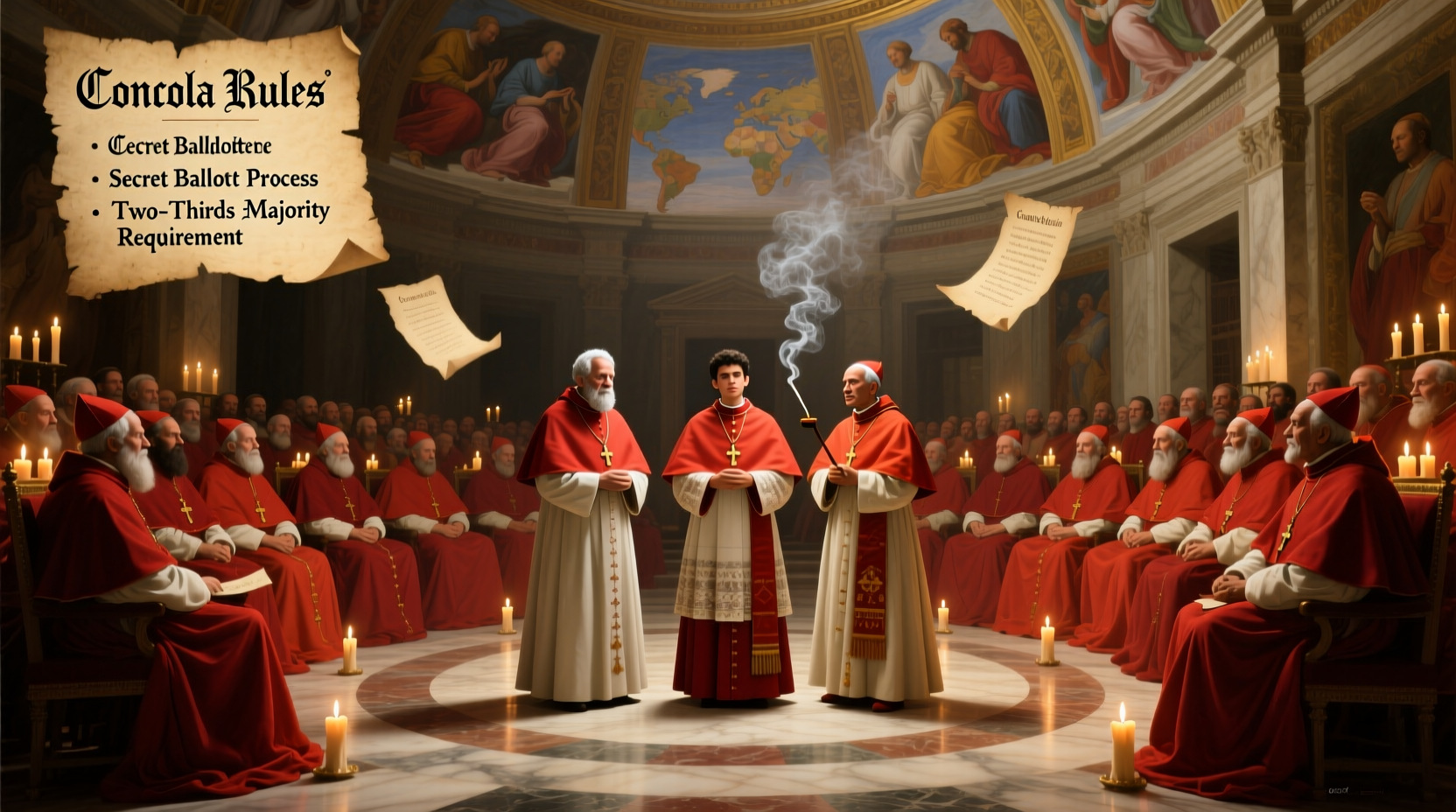
The conclave is the formal process by which the College of Cardinals elects a new pope. It begins 15 to 20 days after the death or resignation of the reigning pontiff, allowing time for cardinals to travel to Vatican City. Only cardinals under the age of 80 are eligible to vote, currently numbering around 130. These cardinal-electors are sequestered within the Vatican, cut off from outside communication, until a new pope is chosen.
Voting occurs in rounds, with each cardinal casting a handwritten ballot. A two-thirds majority is required for election. If no candidate secures this threshold after several ballots, the rules allow for a simple majority in later stages under specific conditions. The ballots are burned after each round; black smoke signals no decision, while white smoke indicates a new pope has been elected.
Tip: The conclave’s secrecy is absolute—cardinals take an oath not to disclose internal discussions, ensuring deliberations remain confidential.Top Candidates for the Next Pope
While no official list exists, Vatican observers and theologians identify several cardinals as potential contenders based on theological alignment, leadership experience, and global representation. These \"papabili\" (Italian for “pope-able”) reflect the shifting dynamics within the Church, particularly its growing presence in Africa, Asia, and Latin America.
- Cardinal Pietro Parolin (Italy) – The current Secretary of State, Parolin is a seasoned diplomat with deep institutional knowledge. Seen as a continuity candidate, he aligns closely with Pope Francis’ reformist vision.
- Cardinal Luis Antonio Tagle (Philippines) – A charismatic figure with strong appeal in the Global South, Tagle heads the Dicastery for Evangelization. His pastoral approach and multilingual fluency make him a unifying figure.
- Cardinal Jean-Marc Ayrault (Canada) – Though less publicly prominent, Ayrault’s work in interfaith dialogue and social justice resonates with progressive Catholics.
- Cardinal Robert Prevost (USA) – Recently appointed head of the Dicastery for Bishops, Prevost influences episcopal appointments worldwide. His role gives him significant behind-the-scenes influence.
- Cardinal Fridolin Ambongo Besungu (Democratic Republic of Congo) – Representing Africa’s rapidly growing Catholic population, Ambongo is a vocal advocate for synodality and ecological justice.
Key Factors Influencing the Election
The choice of a new pope is shaped by more than personal charisma. Cardinals consider a range of strategic and spiritual criteria:
- Geopolitical Balance: With Europe’s Catholic population declining, there is increasing pressure to choose a pope from the Global South.
- Theological Orientation: Will the next pope continue Francis’ emphasis on mercy, inclusion, and environmental stewardship—or pivot toward doctrinal conservatism?
- Administrative Skill: Given ongoing financial and governance reforms, the next pope must be both a spiritual leader and an effective manager.
- Health and Age: Cardinals may favor a younger candidate who can serve for a decade or more, ensuring stability.
“Electing a pope isn’t about popularity—it’s about discernment. The Holy Spirit works through prayerful deliberation, not polls.” — Cardinal Timothy Dolan, Archbishop of New York
Step-by-Step Timeline of the Conclave Process
Understanding the sequence of events helps demystify the conclave:
- Sede Vacante: The papal office becomes vacant upon death or resignation.
- General Congregations: Cardinals meet daily to discuss Church affairs and prepare for the conclave.
- Seclusion: Electors enter the Domus Sanctae Marthae and are isolated from external contact.
- Voting Rounds: Up to four ballots per day (two in morning, two in afternoon) are conducted.
- Election: Once a candidate accepts the office, he chooses a papal name.
- Announcement: The senior cardinal deacon announces Habemus Papam (“We have a pope”) from St. Peter’s Basilica.
Comparison of Leading Papal Candidates
| Candidate | Nationality | Age (as of 2024) | Key Strengths | Potential Challenges |
|---|---|---|---|---|
| Pietro Parolin | Italy | 69 | Institutional experience, diplomatic skill | Perceived as too close to Francis; European bias |
| Luis Antonio Tagle | Philippines | 67 | Global appeal, pastoral warmth | Less administrative experience |
| Fridolin Ambongo | DRC | 64 | Represents African Church, moral authority | Language barriers; regional politics |
| Robert Prevost | USA | 69 | Control over bishop appointments | U.S. bishops face credibility issues |
| Christoph Schönborn | Austria | 79 | Theological depth, media presence | Age disqualifies him soon; conservative leanings |
Mini Case Study: The 2013 Conclave That Elected Pope Francis
The 2013 conclave followed the unexpected resignation of Pope Benedict XVI. After just five ballots over two days, Cardinal Jorge Mario Bergoglio of Argentina emerged as a compromise candidate. Initially not considered a front-runner, Bergoglio gained momentum as cardinals sought a reformer untainted by Vatican scandals. His humility, pastoral focus, and background from the Global South made him a symbol of renewal. Upon election, he chose the name Francis—after Saint Francis of Assisi—signaling a commitment to simplicity and service. This conclave demonstrated that papal elections can produce surprises when consensus forms around a transformative figure.
Common Misconceptions About the Conclave
Several myths persist about how popes are chosen:
- Myth: The most famous cardinal will win.
Reality: Media visibility doesn't guarantee support; many influential cardinals operate behind the scenes. - Myth: Europeans no longer have a chance.
Reality: While geographic diversity is desired, doctrinal alignment and experience still matter most. - Myth: The U.S. has the most influence.
Reality: American cardinals are few in number (only 5 electors in 2023); their influence is soft, not decisive.
FAQ
Can a non-cardinal be elected pope?
Technically yes, though it hasn’t happened since 1830. The last non-cardinal elected was Pope Gregory XVI. In practice, all recent popes have been cardinals at the time of election.
Is there a favorite to become the next pope?
No official favorite exists. While names like Tagle and Parolin surface frequently in analysis, true momentum only emerges during private discussions among cardinals.
What happens if the conclave is deadlocked?
If no candidate wins after approximately 30–33 ballots, the rules permit a runoff between the top two vote-getters, requiring only a simple majority. This safeguard prevents indefinite stalemates.
Conclusion: Preparing for a Pivotal Moment in Church History
The next papal conclave will shape the Catholic Church’s trajectory for decades. Whether the cardinals choose a reformer from the Global South or a Vatican insider committed to continuity, the decision will reflect deeper currents within global Catholicism—its struggles with relevance, unity, and mission. As faithful Catholics and curious observers await this historic moment, understanding the process, the players, and the principles at stake brings clarity to one of the world’s most enduring institutions.
💬 What qualities do you think the next pope should embody? Share your thoughts on leadership, vision, and faith in the comments below.