Types of Female Nude Sculptures in Art
The female nude in sculpture is one of the most enduring and powerful subjects in the history of art. Representing far more than physical form, these statues embody ideals of beauty, emotion, identity, and cultural values across civilizations. From ancient civilizations to contemporary art, the female nude has served as a canvas for exploring femininity, vulnerability, strength, and sensuality. These works invite viewers to reflect on the human condition, the evolution of aesthetic ideals, and the complex relationship between art and society. Whether idealized, abstracted, or politically charged, each sculpture tells a story that transcends time and medium.
Classical Nudes
Rooted in ancient Greek and Roman traditions, classical nude sculptures represent the idealized female form through harmonious proportions and anatomical precision.
Characteristics
- Emphasis on symmetry, balance, and naturalism
- Graceful, poised postures reflecting dignity
- Focused on timeless beauty and modesty
- Inspired by mythology and divine femininity (e.g., Venus, Aphrodite)
Contextual Notes
- Often reflect patriarchal ideals of beauty
- Less focus on individual identity or emotion
- Primarily created by male artists for elite audiences
Best known examples: Venus de Milo, Bathing Venus by Giambologna
Modern Nudes
Emerging in the 19th and 20th centuries, modern nude sculptures break from realism to explore abstraction, emotion, and conceptual depth.
Characteristics
- Stylized, fragmented, or exaggerated forms
- Influenced by Cubism, Surrealism, and Expressionism
- Focus on inner emotional or psychological states
- Challenges traditional aesthetics and norms
Contextual Notes
- May be difficult to interpret for general audiences
- Sometimes criticized for lack of technical refinement
- Can provoke controversy due to unconventional presentation
Best known examples: Woman Walking by Alberto Giacometti, Reclining Figure by Henry Moore
Erotic Nudes
These sculptures openly explore themes of desire, intimacy, and sexuality, often depicting couples or sensual poses with emotional intensity.
Characteristics
- Emphasis on passion, touch, and physical connection
- Often features dynamic or intertwined figures
- Intended to evoke emotional or sensual responses
- Historically censored but increasingly accepted in art contexts
Contextual Notes
- Risk of being misinterpreted as purely pornographic
- Subject to cultural and legal restrictions
- Requires sensitive presentation in public spaces
Best known examples: The Kiss by Auguste Rodin, Tantric stone carvings from Khajuraho
Feminist Nudes
A powerful movement in contemporary art, feminist nude sculptures reclaim the female body as a site of agency, diversity, and empowerment.
Characteristics
- Challenges objectification and male gaze
- Promotes body positivity and inclusivity
- Addresses gender, identity, and sexual autonomy
- Often incorporates personal narratives or political messages
Contextual Notes
- May face backlash from conservative audiences
- Requires contextual understanding to fully appreciate
- Still underrepresented in major art institutions
Best known examples: Works by Judy Chicago, Kiki Smith, and Nan Goldin
| Type | Artistic Focus | Emotional Tone | Cultural Impact | Notable Artists/Periods |
|---|---|---|---|---|
| Classical Nudes | Idealized beauty, harmony | Serene, dignified | Foundation of Western art | Greek & Roman sculptors, Renaissance revival |
| Modern Nudes | Abstraction, emotion | Expressive, introspective | Redefined artistic boundaries | Brancusi, Moore, Giacometti |
| Erotic Nudes | Sensuality, intimacy | Passionate, intense | Challenged censorship norms | Rodin, Egon Schiele, Tantric artisans |
| Feminist Nudes | Empowerment, identity | Provocative, empowering | Transformed discourse on gender | Judy Chicago, Kiki Smith, Carolee Schneemann |
Expert Insight: When studying or displaying nude sculptures, context is essential. Understanding the historical, cultural, and artistic intent behind each piece allows for a deeper appreciation beyond surface-level interpretation. Museums and educators often provide valuable commentary to guide respectful engagement with these works.
How to Choose Anatomical and Artistic Human Figure Models
Selecting a human figure model—particularly a detailed, anatomically accurate nude figure—is an important decision for professionals and educators in anatomy, art, and design. These models serve as essential tools for understanding human form, proportion, and structure. Whether used in medical education, fine art studios, or classroom instruction, choosing the right model involves careful consideration of purpose, material, detail, size, and budget.
1. Determine the Purpose
Understanding the primary use of the figure is crucial to making an informed choice. Different applications demand different features:
Medical & Anatomy Education
For teaching human anatomy, choose a model with accurate musculature, skeletal landmarks, and organ systems. Look for dissectible models that allow layer-by-layer exploration of the body. These are ideal for students and healthcare professionals.
Art & Sculpture Studies
Artists benefit from models that emphasize proportion, pose, and surface detail. A figure in a dynamic or balanced pose helps with sketching, painting, and sculpting. Realistic skin texture and facial expression may be important for lifelike representation.
Interior Decoration
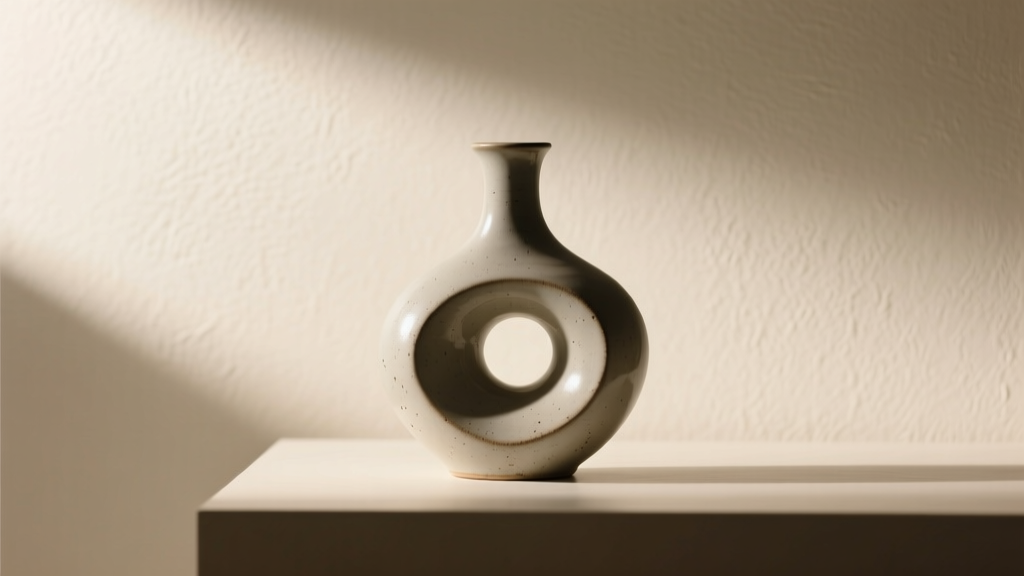
Decorative figures prioritize aesthetics over accuracy. These are often stylized or abstract, made from elegant materials like bronze or ceramic, and designed to complement interior spaces.
2. Assess the Material
The material affects durability, realism, weight, and cost. Each has trade-offs depending on your needs:
| Material | Pros | Cons | Best For |
|---|---|---|---|
| Plastic (PVC/ABS) | Durable, lightweight, affordable, easy to clean | Less realistic texture, may look artificial | Classroom use, student practice |
| Resin | Highly detailed, realistic appearance, excellent for fine features | Fragile, sensitive to sunlight, more expensive | Art studios, display models |
| Clay (Polymer or Ceramic) | Artistic finish, customizable, warm texture | Porous, can chip, requires sealing | Artistic projects, decorative pieces |
| Metal (Bronze, Aluminum) | Extremely durable, premium look, long-lasting | Heavy, expensive, limited poseability | Decorative sculptures, galleries |
3. Consider the Level of Detail
Detail level should align with your intended use:
4. Size Matters
Choose a size that fits your space and functional needs:
- Miniature (6–12 inches): Portable, affordable, good for quick reference or desk display.
- Standard (18–24 inches): Most common size for art and education; balances detail and space.
- Life-Size (60+ inches): Used in medical labs or art studios for realistic study; requires significant space and support.
Consider visibility: larger models are better for group instruction or display, while smaller ones are practical for personal use.
5. Set a Realistic Budget
Prices vary widely based on material, size, and craftsmanship:
Entry-Level ($20–$80)
Plastic or small resin figures. Great for students, hobbyists, or temporary setups.
Mid-Range ($80–$300)
Detailed resin or small metal models. Suitable for art schools, clinics, or serious collectors.
Premium ($300+)
Life-size, dissectible, or handcrafted metal/ceramic figures. Used in universities, hospitals, or galleries.
Note on Terminology: The term "naked women figures" is often used colloquially, but in professional and educational contexts, terms like anatomical model, art mannequin, or human figure sculpture are more accurate and respectful. Always prioritize ethical sourcing and appropriate use, especially in academic or public settings.
By carefully evaluating purpose, material, detail, size, and budget, you can select a human figure model that enhances learning, inspires creativity, and meets your long-term needs.
Functions, Features, and Design of the Female Form in Sculpture
The representation of the female form in sculpture has played a central role in the history of art, serving as a powerful medium for expressing beauty, emotion, cultural values, and philosophical ideas. From ancient fertility symbols to contemporary explorations of identity, the sculpted female figure transcends mere aesthetics, embodying complex narratives about humanity, society, and artistic innovation.
Artists meticulously craft these figures by considering anatomical accuracy, proportion, posture, and gesture to achieve both visual harmony and symbolic depth. The choice of medium—such as marble, bronze, clay, or plaster—further influences the texture, weight, and emotional resonance of the piece. Each material offers unique expressive possibilities: marble conveys elegance and timelessness, while bronze allows for dynamic poses and fine detail.
Historical Functions and Symbolism
Throughout history, the nude female form has served diverse cultural and spiritual functions. In prehistoric and ancient societies, these figures often symbolized fertility, motherhood, and divine power.
- The Venus of Willendorf (c. 28,000–25,000 BCE) emphasizes reproductive features, suggesting a connection to fertility rituals.
- Ancient Greek sculptures like the Venus de Milo reflect ideals of beauty, balance, and harmony rooted in classical philosophy.
- Renaissance artists such as Michelangelo and Donatello revived classical forms, using the female figure to explore humanism and divine proportion.
- In non-Western traditions, deities like the Hindu goddesses Parvati or Durga are depicted nude or semi-nude, representing cosmic energy and spiritual power.
Key insight: The function of the female figure often reflects the values and beliefs of the society that produced it.
Artistic Features and Expressive Elements
Artists use specific design elements to convey emotion, narrative, and meaning through the female form. These include facial expression, body language, drapery (or its absence), and interaction with space.
- Facial expressions can communicate serenity, sorrow, passion, or defiance, adding psychological depth to the sculpture.
- Posture and gesture—such as an outstretched arm or a turned head—can suggest movement, vulnerability, or empowerment.
- Contrapposto stance, where weight is shifted onto one leg, creates naturalism and dynamism, famously used in classical and Renaissance works.
- Minimalist or abstracted forms, as seen in modern art, focus on essence rather than realism, inviting viewers to interpret meaning subjectively.
Artistic note: Even without clothing, the body becomes a canvas for storytelling through subtle anatomical and compositional choices.
Design Principles and Technical Considerations
The creation of a compelling sculpted female figure involves mastery of anatomy, balance, and structural integrity. Artists must understand skeletal structure, muscle tension, and center of gravity to produce lifelike or intentionally stylized forms.
- Proportions follow established canons (e.g., the 8-head ratio in classical sculpture) or are deliberately distorted for expressive effect.
- Symmetry and asymmetry are balanced to create visual interest while maintaining stability, especially in freestanding works.
- Surface treatment—polished, rough, textured, or patinated—affects how light interacts with the form, enhancing mood and realism.
- Scale plays a crucial role; monumental figures evoke awe, while intimate pieces invite personal connection.
Technical tip: Proper armature and internal support are essential when working with fragile materials like clay or plaster.
Evolution in Modern and Contemporary Art
In the 20th and 21st centuries, artists have redefined the female form, challenging traditional ideals and exploring themes of identity, gender, and autonomy.
- Alberto Giacometti’s elongated, fragile figures reflect existential isolation and the human condition.
- Henry Moore’s abstracted reclining nudes emphasize organic shapes and negative space, drawing inspiration from nature and non-Western art.
- Contemporary artists like Kiki Smith and Jenny Saville confront societal norms, depicting the female body in raw, unidealized ways to explore trauma, aging, and self-perception.
- Feminist art has reclaimed the female form from the male gaze, transforming it into a symbol of agency and resistance.
Cultural shift: Today’s interpretations prioritize diversity, inclusivity, and personal narrative over universal ideals of beauty.
Curatorial Insight: When analyzing or presenting sculptures of the female form, consider the context—historical, cultural, and artistic—as integral to understanding its significance. A figure that once symbolized fertility may now be viewed through the lens of gender studies or postcolonial critique. Encouraging multidimensional interpretation enriches audience engagement and promotes deeper appreciation of the artwork’s enduring relevance.
| Era | Primary Function | Stylistic Features | Notable Examples |
|---|---|---|---|
| Prehistoric | Fertility & Ritual | Exaggerated hips, breasts, abdomen | Venus of Willendorf |
| Ancient Greece | Beauty & Idealism | Proportional harmony, contrapposto | Venus de Milo |
| Renaissance | Humanism & Divine Proportion | Naturalism, anatomical precision | Drawing of Venus by Leonardo da Vinci |
| Modern/Contemporary | Identity & Social Commentary | Abstraction, distortion, realism | Works by Giacometti, Moore, Saville |
Additional Considerations
- Ethical Representation: Contemporary discourse emphasizes respectful and consensual depictions, especially when working from live models.
- Museum Curation: Contextual labeling helps audiences understand the cultural and historical background of nude figures without objectification.
- Material Innovation: Modern materials like resin, fiberglass, and mixed media allow for new interpretations of the body’s form and fragility.
- Global Perspectives: Non-Western sculptural traditions offer rich alternatives to Eurocentric ideals, broadening the understanding of beauty and symbolism.
- Restoration & Preservation: Proper conservation ensures that historic sculptures retain their integrity and continue to inspire future generations.
Safety and Quality Considerations for Adult Figures
When evaluating the safety and quality of adult figures designed for personal use, it's essential to consider multiple factors that impact both user experience and long-term well-being. These products, when manufactured responsibly, can offer safe and satisfying experiences. This guide provides comprehensive information on material selection, construction standards, safety features, and quality assurance practices to help consumers make informed decisions.
Safety Notice: Always prioritize products made from body-safe materials and follow manufacturer guidelines for use and maintenance. Proper cleaning and storage are crucial for hygiene and longevity. Consult product documentation for specific care instructions and safety warnings.
Material Safety and Selection
The choice of materials is paramount in ensuring the safety and comfort of adult figures. High-quality, body-safe materials are essential for preventing adverse reactions and ensuring a hygienic experience.
- Medical-Grade Silicone: Considered the gold standard, this material is non-porous, hypoallergenic, and resistant to bacterial growth. It's phthalate-free, odorless, and offers a realistic texture while being easy to clean.
- Stainless Steel and Glass: Used in certain applications, these non-porous materials are completely inert, easy to sterilize, and provide excellent durability. They're ideal for temperature play and require minimal maintenance.
- Thermoplastic Elastomers (TPE): While more affordable, TPE is porous and requires thorough cleaning and proper storage with cornstarch to prevent degradation. Look for high-quality, platinum-cured TPE from reputable manufacturers.
- Material Certification: Reputable products should be certified free from harmful substances like phthalates, latex, and heavy metals. Look for FDA-compliant or CE-marked products as indicators of safety standards compliance.
Construction Quality and Craftsmanship
Premium craftsmanship directly impacts both safety and user satisfaction. Well-manufactured figures demonstrate attention to detail that enhances both functionality and durability.
- Seamless Design: High-quality figures feature smooth surfaces with minimal or invisible seams, reducing the risk of irritation and making cleaning easier.
- Anatomical Accuracy: Realistic proportions and textures contribute to a more authentic experience while ensuring proper ergonomics for comfort and safety.
- Structural Integrity: Internal frameworks should provide appropriate support without compromising flexibility. Reinforced stress points prevent tearing or damage during normal use.
- Surface Finish: The exterior should be free from rough edges, bumps, or imperfections that could cause discomfort or injury.
Advanced Safety Features
Modern figures with electronic components incorporate various safety mechanisms to protect users and extend product lifespan.
- Temperature Control: Built-in heating elements with automatic shut-off features prevent overheating and maintain safe operating temperatures.
- Waterproofing: IPX7 or higher waterproof ratings allow for safe cleaning and use in wet environments while protecting internal electronics.
- Electrical Safety: Products with motors or sensors use low-voltage systems with insulated wiring and protective casings to prevent electrical hazards.
- Stability Features: Anti-slip bases or mounting systems prevent accidental movement during use, enhancing safety and user confidence.
| Quality Factor | High-Quality Indicators | Potential Concerns | Maintenance Tips |
|---|---|---|---|
| Material Safety | Medical-grade silicone, phthalate-free certification | Strong chemical odor, unclear material composition | Use only water-based lubricants with silicone products |
| Construction | Seamless finish, reinforced stress points | Visible seams, thin walls, uneven texture | Inspect regularly for tears or damage |
| Cleaning & Hygiene | Non-porous surface, dishwasher safe (if applicable) | Porous materials without proper care instructions | Clean with mild soap and water or toy cleaner after each use |
| Electronics | Waterproof rating, overheat protection | No safety certifications, exposed wiring | Follow charging guidelines; store in cool, dry place |
| Longevity | Reputable brand, warranty offered | No return policy, anonymous manufacturer | Store properly with appropriate powder or in storage bag |
Expert Tip: Always perform a patch test with new products by applying a small amount of lubricant or cleaner on a less sensitive area first. This helps identify any potential sensitivity before full use. Additionally, using a high-quality water-based lubricant not only enhances comfort but also reduces friction that could potentially damage the material over time.
Manufacturer Standards and Quality Control
Reputable manufacturers implement rigorous quality assurance processes to ensure product safety and performance.
- Conduct comprehensive material testing for toxicity, durability, and biocompatibility
- Perform functional testing on electronic components and moving parts
- Adhere to international safety standards and obtain relevant certifications
- Implement batch testing and quality control inspections throughout production
- Provide detailed user manuals with safety instructions and maintenance guidelines
- Offer customer support and stand behind their products with warranties
Responsible Usage and Maintenance
Proper care extends the life of adult figures and ensures continued safety.
- Always clean before and after each use according to manufacturer instructions
- Use only compatible lubricants—avoid silicone-based lubes with silicone products
- Store in a cool, dry place away from direct sunlight and extreme temperatures
- Inspect regularly for signs of wear, tears, or material degradation
- Replace products showing signs of damage or after extended periods of use
- Follow charging instructions carefully for products with rechargeable components
In conclusion, the safety and quality of adult figures depend on a combination of premium materials, expert craftsmanship, advanced safety features, and adherence to manufacturing standards. By prioritizing these factors and following proper maintenance protocols, users can enjoy a safe, satisfying, and hygienic experience. Always research brands thoroughly, read product specifications carefully, and choose products from reputable manufacturers who prioritize user safety and product quality.
Frequently Asked Questions About Figurines
Q1: What materials are commonly used in figurines?Figurines are crafted from a variety of materials, each offering unique aesthetic and functional qualities. The most commonly used materials include:
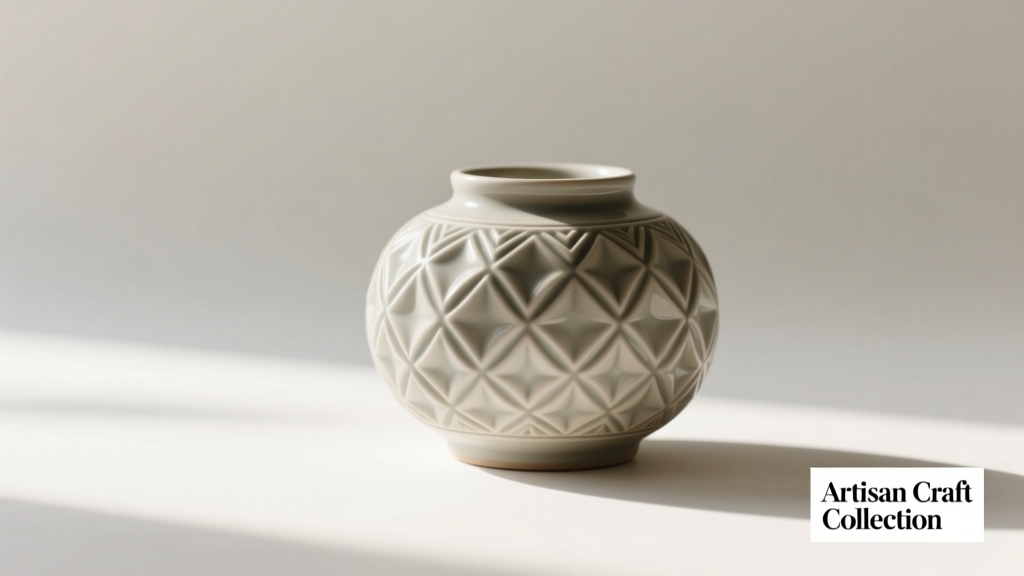
- Porcelain: Known for its delicate, smooth finish and translucency, porcelain is fired at high temperatures to achieve durability and a refined appearance. It’s ideal for detailed, collectible pieces.
- Resin: A synthetic material that is lightweight and highly moldable, allowing for intricate designs and vibrant paint applications. Resin is often used for mass-produced or decorative figurines.
- Clay: Used in both traditional and modern ceramics, clay can be hand-sculpted or molded and then fired in a kiln. Air-dry clay is also popular for DIY and craft projects.
- Wood: Offers a natural, warm texture and is often hand-carved. Wooden figurines are prized for their artisanal craftsmanship and rustic charm.
- Metal: Typically made from bronze, zinc alloy, or pewter, metal figurines are durable and often used for statues or commemorative pieces. They may be polished, plated, or patinated for visual effect.
The choice of material affects not only the figurine’s appearance but also its weight, longevity, and value, making it an important consideration for collectors and gift-givers alike.
Q2: Are these figurines hand-painted?Yes, many premium and collectible figurines are hand-painted by skilled artisans to achieve a high level of detail and individuality. The hand-painting process involves:
- Layered Brushwork: Artists apply multiple thin layers of paint to create depth, shading, and realistic textures such as fabric, skin, or fur.
- Detail Precision: Fine brushes are used to paint intricate features like facial expressions, jewelry, and clothing patterns, often under magnification.
- Color Matching: Paints are carefully mixed to match specific color schemes, ensuring consistency across limited editions while preserving uniqueness.
- Sealing and Finishing: After painting, figurines are typically sealed with a protective varnish to prevent chipping and fading.
While hand-painting ensures artistry and uniqueness, some manufacturers use advanced digital printing or decal techniques for consistent, high-volume production. However, hand-finished touches are often added even to machine-printed pieces to enhance realism and quality.
Q3: Can I customize a figurine?Absolutely! Customization is a growing trend in the world of figurines, offered by both independent artists and specialized companies. You can personalize a figurine in various ways:
- Design Personalization: Request specific poses, outfits, or themes—such as recreating a pet, a family member, or a favorite character in a unique setting.
- Facial Features: Some services allow you to provide photos to accurately replicate facial details, expressions, or hairstyles.
- Engraving and Accessories: Add names, dates, or special messages via engraving. Optional accessories like custom bases, props, or display cases can also be included.
- Hand-Painted Details: Choose color schemes or request specific artistic touches, such as a favorite flower, logo, or symbolic element.
Custom figurines make meaningful gifts for weddings, anniversaries, memorials, or milestone celebrations. Turnaround times vary depending on complexity, but many artists provide progress updates and proofs before final production.
Q4: What role does temperature play in porcelain figurines?Temperature is a critical factor in the creation of porcelain figurines, directly influencing their strength, finish, and detail fidelity. During the firing process in a kiln:
- High Firing Temperature (Approx. 1200–1400°C): This vitrifies the porcelain, making it dense, non-porous, and resistant to chipping. It also enhances translucency and gives the material its signature smooth, glass-like surface.
- Precision Control: Even slight variations in temperature can cause cracking, warping, or discoloration. Kilns are carefully monitored to ensure consistent heat distribution throughout the firing cycle.
- Bisque vs. Glaze Firing: Porcelain figurines typically undergo two firings—first as “bisque” (unglazed) to harden the shape, then after glazing or painting to seal the surface and set the colors.
- Detail Preservation: High temperatures help maintain the sharpness of fine details like lace, feathers, or facial features, which might otherwise degrade in lower-quality ceramics.
Master ceramicists rely on precise temperature curves and experienced timing to produce flawless porcelain figurines that are both beautiful and durable for generations.