Types of Living in Mexico
Mexico offers a diverse range of lifestyles that cater to various preferences, budgets, and cultural interests. From ancient historical sites to sun-kissed beaches and bustling urban centers, the country provides affordable and enriching living experiences. Whether you're seeking adventure, relaxation, or cultural immersion, Mexico's low cost of living makes it an attractive destination for expatriates, digital nomads, retirees, and locals alike.
Historical Living
Immerse yourself in Mexico’s rich past by living among colonial architecture and ancient ruins. This lifestyle connects residents with centuries-old traditions, indigenous heritage, and Spanish colonial influence.
Advantages
- Rich cultural and historical immersion
- Affordable housing in colonial towns
- Access to archaeological sites like Teotihuacan and Chichén Itzá
- Vibrant local festivals and traditional crafts
Limitations
- Older infrastructure in some areas
- Limited modern amenities in remote historical zones
- Potential language barrier for non-Spanish speakers
Best for: History enthusiasts, cultural explorers, retirees, and remote workers seeking authenticity
Popular destinations include Puebla, Oaxaca, and San Miguel de Allende, where restored colonial homes and boutique guesthouses offer charm at affordable prices. While Tikal is actually in Guatemala, the Mayan ruins across southern Mexico—such as Palenque and Uxmal—provide equally breathtaking experiences.
Beach Living
Enjoy a laid-back, sun-filled lifestyle along Mexico’s stunning coastlines, where turquoise waters meet white-sand beaches and vibrant seaside culture.
Advantages
- Beautiful tropical beaches and warm climate
- Affordable beachfront or near-beach accommodations
- Fresh seafood and local cuisine at low prices
- Active expat communities and water sports
Limitations
- Higher humidity and seasonal hurricanes
- Tourist-driven price fluctuations in peak seasons
- Distance from major medical or business centers
Best for: Retirees, digital nomads, surfers, and those seeking a relaxed coastal lifestyle
Cities like Tulum, Playa del Carmen, and Puerto Escondido offer a mix of affordable living and natural beauty. Street food stands serve delicious tacos and ceviche for just a few dollars, while monthly rent for a comfortable apartment can range from $400–$800 depending on location and season.
Urban Living
Experience the energy of modern Mexico in its dynamic cities, where history meets innovation, and cosmopolitan life thrives at a fraction of North American or European costs.
Advantages
- World-class dining, arts, and entertainment
- Advanced healthcare and international schools
- Strong job market and business opportunities
- Efficient public transportation and modern infrastructure
Limitations
- Higher cost of living compared to rural areas
- Traffic congestion and air pollution
- Faster-paced lifestyle may not suit everyone
Best for: Professionals, families, entrepreneurs, and young adults seeking career growth and cultural diversity
Mexico City, one of the largest cities in the world, offers historic landmarks like the Zócalo, world-renowned museums, and a thriving culinary scene. Guadalajara, known as the birthplace of mariachi and tequila, blends tradition with tech innovation. Monterrey, Mexico’s industrial hub, boasts a modern skyline and strong economy, with relatively affordable housing and entertainment options.
Rural Living
Escape the hustle and embrace a simpler, community-oriented lifestyle in the Mexican countryside, where nature, tradition, and tranquility take center stage.
Advantages
- Lower cost of living and affordable land
- Clean air, peaceful surroundings, and slower pace
- Strong sense of community and cultural integration
- Opportunities for gardening, farming, or eco-living
Limitations
- Limited access to healthcare and emergency services
- Fewer job opportunities and internet connectivity issues
- Language barrier and cultural adjustment challenges
Best for: Retirees, off-grid enthusiasts, nature lovers, and those seeking a minimalist lifestyle
Rural life allows deeper engagement with local customs, traditional cuisine, and Spanish language learning. While not always "ultra-cheap," the overall cost of goods and services remains significantly lower than in cities. Towns in states like Chiapas, Veracruz, and Michoacán offer authentic experiences away from tourist crowds.
| Lifestyle | Cost of Living | Cultural Richness | Modern Amenities | Best For |
|---|---|---|---|---|
| Historical Living | Low to Medium | Excellent | Medium | Cultural immersion, retirees, history lovers |
| Beach Living | Low to Medium | Good | Medium | Relaxation, expats, digital nomads |
| Urban Living | Medium to High | Excellent | Excellent | Professionals, families, entrepreneurs |
| Rural Living | Very Low | Good | Low | Minimalists, nature seekers, off-grid living |
Expert Tip: No matter which lifestyle you choose in Mexico, learning basic Spanish significantly enhances your experience, helps build relationships with locals, and opens doors to deeper cultural understanding and better service in daily life.
Design of Affordable Living in Mexico: Culture, Color, and Craftsmanship
Living affordably in Mexico doesn’t mean sacrificing beauty or comfort. In fact, the design of low-cost homes in Mexico is a vibrant reflection of the country’s rich cultural heritage, blending functionality with artistic expression. From bold colors to handcrafted textiles and durable tile work, Mexican design transforms simple dwellings into warm, inviting spaces. This guide explores the key design elements that define affordable Mexican living, offering insights into how tradition, climate, and craftsmanship come together to create homes that are both economical and full of character.
1. Vibrant Colors: A Celebration of Life and Culture
Mexican homes, even those built on a budget, are renowned for their bold and joyful use of color. This design choice is deeply rooted in the nation’s cultural identity—colors are not just decorative but symbolic, expressing energy, spirituality, and regional pride. Homes often feature walls painted in striking hues such as azure blue, fiery red, sunny yellow, and deep green, creating a visually stimulating environment that uplifts the spirit.
This color tradition extends to furniture and accessories, where inexpensive yet eye-catching elements like hand-painted pottery, brightly glazed tiles, and multicolored cushions are commonly used. These accents not only enhance aesthetic appeal but also contribute to psychological well-being by creating lively, positive atmospheres. The strategic use of color helps smaller spaces feel more open and dynamic, making it a smart and cost-effective design solution.
2. Traditional Textiles: Woven Heritage and Artisan Craftsmanship
Textiles play a central role in the interior design of affordable Mexican homes, adding warmth, texture, and cultural depth. Handmade rugs, woven blankets, embroidered cushions, and vibrant table runners are more than decorative items—they are expressions of centuries-old artisan traditions passed down through generations.
Popular textiles include:
These textiles are typically sourced from local markets, supporting regional economies while adding authenticity and individuality to homes. Their rich patterns and colors create cozy, personalized spaces that reflect the owner’s taste and heritage.
3. Tile Work: Beauty Meets Functionality
One of the most iconic features of Mexican home design is the use of handcrafted ceramic tiles, particularly Talavera pottery from Puebla. These tiles are a hallmark of affordable yet elegant interiors, commonly used in kitchens, bathrooms, and entryways.
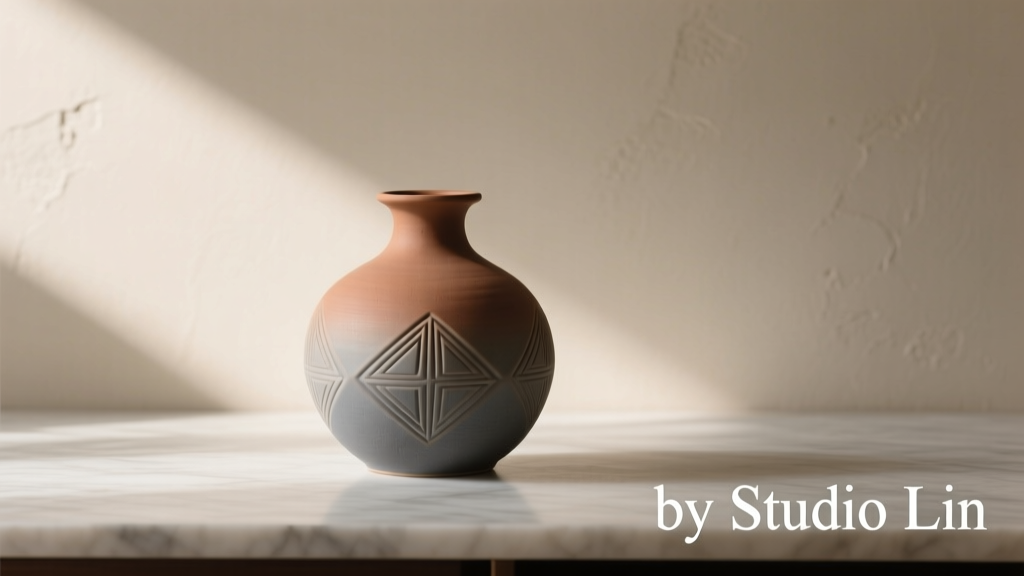
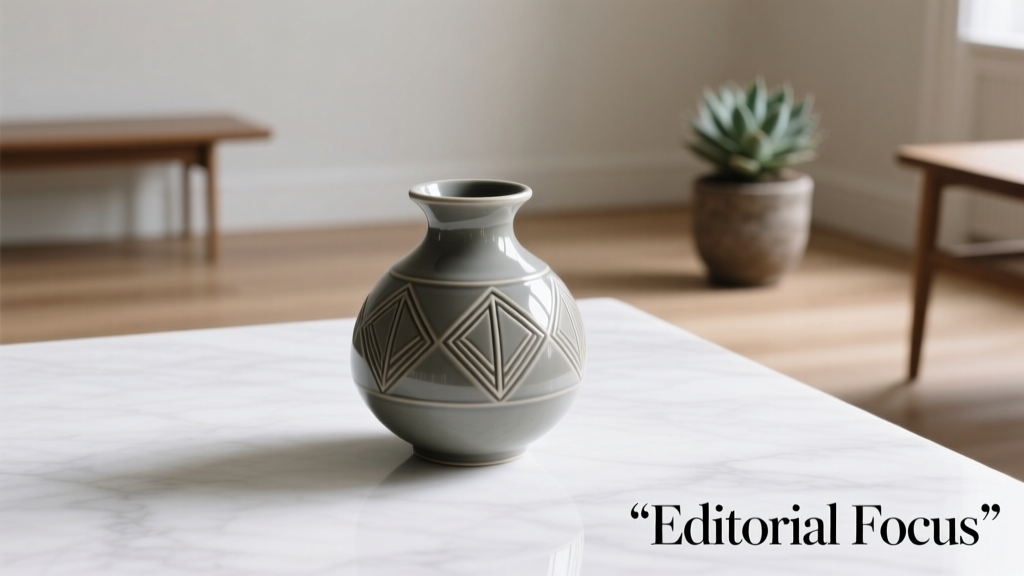
Talavera tiles are hand-painted with intricate geometric, floral, or folkloric designs in vibrant colors like cobalt blue, emerald green, and terracotta red. Beyond their visual appeal, they are highly practical—resistant to moisture, heat, and wear, making them ideal for high-traffic or humid areas. The tiles are often arranged in repeating patterns to create stunning backsplashes, floor inlays, or decorative borders.
For budget-conscious homeowners, using tiles as accent pieces—such as a kitchen backsplash or sink surround—offers a high-impact design upgrade without the cost of full tiling. Their durability ensures long-term value, reducing maintenance and replacement expenses over time.
4. Outdoor Living Spaces: Embracing Climate and Community
In Mexico’s warm, sunny climate, the boundary between indoor and outdoor living is often blurred. Affordable homes frequently include patios, courtyards, or rooftop terraces designed for everyday use. These spaces serve as extensions of the home, functioning as outdoor kitchens, dining areas, or social gathering spots.
Typical features of Mexican outdoor spaces include:
These outdoor areas encourage family interaction, relaxation, and connection with nature. By designing homes to maximize natural light and ventilation, Mexican architecture reduces reliance on artificial cooling, lowering energy costs and promoting sustainable living.
| Design Element | Cultural Significance | Practical Benefit |
|---|---|---|
| Vibrant Colors | Reflects Mexican joy, tradition, and regional identity | Enhances mood, makes small spaces feel larger |
| Traditional Textiles | Preserves artisan crafts and indigenous techniques | Adds warmth, texture, and insulation |
| Ceramic Tile Work | Rooted in colonial and pre-Hispanic pottery traditions | Durable, easy to clean, moisture-resistant |
| Outdoor Spaces | Encourages family and community bonding | Reduces energy use, improves ventilation and well-being |
Note: While embracing traditional Mexican design on a budget, it’s important to source materials ethically and support local artisans. Avoid mass-produced imitations that undermine authentic craftsmanship. By investing in genuine handmade goods, you not only enhance your home’s character but also contribute to the preservation of Mexico’s rich cultural heritage.
Scenarios of Mexico Cheap Living
Living affordably in Mexico isn't just about low costs—it's a lifestyle enriched with vibrant culture, community engagement, and authentic experiences. From bustling markets to free public festivals, residents enjoy a high quality of life while spending significantly less than in many Western countries. Below are real-life scenarios that illustrate how everyday activities contribute to the appeal of cheap living in Mexico.
Exploring Local Markets
One of the most rewarding daily routines in Mexico cheap living is visiting local markets instead of supermarkets. These markets offer fresh fruits, vegetables, meats, and regional specialties at prices far below those of conventional grocery stores.
Popular destinations like Mercado de la Merced in Mexico City or Mercado 28 in Tijuana are more than shopping spots—they're cultural hubs. Residents interact with friendly vendors, sample traditional dishes, and immerse themselves in the rhythm of local life. Buying directly from producers reduces costs and supports the local economy.
Cultural Insight: Markets often feature live music, handmade crafts, and cooking demonstrations, turning grocery shopping into a full sensory experience.
Cost: $1–$3 per meal (fresh produce & prepared food)Enjoying Street Food
Mexico is globally celebrated for its delicious and affordable street food. Whether it's a simple taco al pastor for $1 or a hearty tamale wrapped in corn husk, flavorful meals are available on nearly every corner.
Street vendors serve iconic dishes like elote (grilled corn with mayo, cheese, and chili), tortas (Mexican sandwiches), and tlacoyos—all for just a few dollars. For expatriates and digital nomads, this culinary abundance means eating well without straining the budget.
Authenticity & Value: Street food isn't just cheap—it's often more authentic than restaurant versions, prepared using family recipes passed down for generations.
Cost: $0.75–$2.50 per itemSocializing with Locals
Social life in Mexico thrives in public spaces, making community engagement both enriching and economical. Public parks, town plazas, and festivals provide free or low-cost opportunities to connect with neighbors and experience local traditions.
Whether it's gathering in the Zócalo in Mexico City, attending a neighborhood fiesta patronal, or enjoying free mariachi performances in Guadalajara, residents build meaningful relationships without spending much. These events celebrate music, dance, and religion, reinforcing the strong communal values central to Mexican culture.
Community Benefit: Participating in local events helps newcomers integrate faster and feel at home in their new environment.
Cost: $0–$5 (optional donations or small food purchases)Using Public Transportation
Getting around in Mexico is not only affordable but often more convenient than owning a car. Cities like Mexico City, Monterrey, and Guadalajara have extensive public transit networks, including subways, buses, and shared taxis known as colectivos.
A single metro ride in Mexico City costs less than $0.25, while intercity buses offer comfortable, safe, and inexpensive travel between towns and tourist destinations. By relying on public transport, residents save on fuel, parking, insurance, and vehicle maintenance.
Urban Advantage: Using the metro or bus allows travelers to experience daily Mexican life up close, from morning commutes to late-night gatherings.
Cost: $0.25–$1.50 per tripPro Tip: Combine these affordable lifestyle elements to maximize savings and cultural immersion. Shop at markets in the morning, eat street food for lunch, attend a free evening festival, and take the metro home—experience the richness of Mexican life on a minimal budget.
| Activity | Average Cost (USD) | Primary Benefit | Best Locations |
|---|---|---|---|
| Local Market Shopping | $1–$3 per meal | Fresh, affordable food + cultural interaction | Mexico City, Oaxaca, Tijuana |
| Street Food Meal | $0.75–$2.50 | Authentic flavors at minimal cost | Every major city and small town |
| Public Events & Festivals | $0–$5 | Social integration + entertainment | Zócalo (CDMX), San Miguel de Allende, Puebla |
| Public Transportation | $0.25–$1.50 per ride | Cost savings + local experience | Mexico City Metro, Guadalajara Macrobús, ADO buses |
Why These Scenarios Make Mexico Ideal for Budget Living
- Low Cost of Daily Necessities: Fresh food, transportation, and entertainment cost a fraction of prices in the U.S., Canada, or Europe.
- Cultural Accessibility: Locals are generally welcoming, and participation in community life doesn’t require financial investment.
- Health & Wellness: Diets based on fresh produce, beans, and lean proteins support healthy living without expensive organic labels.
- Reduced Reliance on Cars: Walkable cities and reliable transit lower transportation expenses significantly.
- High Quality of Life: Despite low costs, residents enjoy rich social connections, vibrant traditions, and year-round pleasant climates in many regions.
Specification & Maintenance of Affordable Living in Mexico
Living affordably in Mexico offers a unique blend of comfort, culture, and cost-efficiency. From housing to transportation and daily lifestyle, Mexico provides numerous opportunities for budget-conscious individuals and families to enjoy a high quality of life. This guide explores the key aspects of affordable living, including housing specifications, maintenance practices, home care, gardening, transportation, and cultural integration—helping you make informed decisions for a sustainable and enriching experience.
Important Note: While Mexico offers low-cost living, regional differences in safety, infrastructure, and service availability exist. Always research local conditions thoroughly and consider visiting your intended area before committing to long-term residence.
Housing and Living Space
One of the most attractive features of affordable living in Mexico is access to well-structured, low-cost housing options. Rental apartments, especially in smaller cities and coastal towns, are significantly more affordable than in North America or Europe, often providing spacious layouts, private outdoor areas, and modern amenities.
In popular expat regions like Oaxaca, Mérida, or San Cristóbal de las Casas, monthly rents for a one- or two-bedroom apartment range from $300 to $600 USD, depending on location and condition. These homes typically feature tiled floors, concrete or stucco walls, and ceiling fans—ideal for the local climate. Many include basic appliances such as refrigerators and stoves, with some offering air conditioning or water heaters.
Maintenance costs remain low due to affordable utility rates. On average:
- Electricity: $30–$70 USD/month, depending on usage and climate
- Water: Often included in rent or billed at minimal municipal rates
- Internet: High-speed fiber or cable available for $25–$40 USD/month
- Gas (for cooking): Refillable propane tanks cost around $10–$15 USD per month
To keep costs low, residents are encouraged to conserve energy by using fans instead of AC, unplugging unused devices, and utilizing natural light during the day.
Expert Tip: When renting, look for properties with "mantenimiento incluido" (maintenance included) to avoid surprise repair fees. Always inspect plumbing, electrical outlets, and roof conditions before signing a lease.
Home Care and Climate-Responsive Maintenance
Maintaining a home in Mexico requires awareness of the local climate, which varies from tropical and humid in coastal areas to dry and temperate in central highlands. Proper upkeep ensures longevity and comfort while minimizing repair costs.
Key home care practices include:
- Exterior Painting: Repaint exterior walls every 2–3 years to protect against sun damage and moisture. Light-colored paints reflect heat and reduce indoor temperatures.
- Moisture Control: Use moisture-resistant paints and sealants, especially in bathrooms and kitchens. Install ventilation fans or open windows regularly to prevent mold growth.
- Roof and Gutter Maintenance: Clean gutters before the rainy season (typically May–October) to prevent water damage. Inspect for loose tiles or leaks after storms.
- Pest Prevention: Seal cracks, use mesh screens on windows, and schedule regular inspections for termites or ants, which are common in warm regions.
- Storm Preparedness: In hurricane-prone zones, reinforce doors and windows, trim trees, and have emergency supplies ready.
Many affordable homes use durable materials like concrete block, clay tiles, and metal roofing, which require minimal maintenance when properly cared for.
Gardens and Sustainable Food Production
Gardening has become a popular and practical activity among budget-conscious residents in Mexico. With a favorable climate and rich soil in many regions, growing your own food reduces grocery bills and enhances self-sufficiency.
Residents commonly cultivate:
- Vegetables: Tomatoes, peppers, zucchini, beans, and squash thrive year-round in warm climates.
- Herbs: Cilantro, epazote, oregano, and mint grow easily and are used in traditional Mexican cooking.
- Fruits: Limes, mangoes, papayas, and bananas can be grown in backyard orchards or large containers.
To maximize efficiency and minimize water use, experts recommend:
- Using native and drought-resistant plants such as agave, bougainvillea, or succulents in ornamental areas.
- Installing drip irrigation systems or using watering cans during cooler hours to reduce evaporation.
- Composting kitchen scraps to create natural fertilizer and improve soil health.
- Practicing companion planting (e.g., planting marigolds with vegetables) to deter pests naturally.
Community gardens and urban farming initiatives are also growing in cities like Mexico City and Guadalajara, offering shared plots and educational workshops.
| Aspect | Affordable Option | Cost-Saving Benefit | Regional Availability |
|---|---|---|---|
| Housing (Monthly Rent) | $300–$600 USD | 40–70% lower than U.S. average | Widespread (best in central/southern regions) |
| Utilities (Monthly) | $60–$100 USD | Low energy and internet costs | Available nationwide |
| Public Transportation | $0.25–$0.75 USD per ride | Reduces need for car ownership | Best in urban areas |
| Home Gardening | Low startup cost (~$50 USD) | Saves $100+ annually on groceries | Feasible in most climates |
| Cultural Engagement | Free/low-cost festivals & markets | Rich social life at minimal cost | Throughout the country |
Transportation: Affordable and Accessible Mobility
Mexico’s well-developed public transportation system makes it easy to live without a car, significantly reducing monthly expenses. In major cities like Mexico City, Guadalajara, and Monterrey, residents rely on a combination of buses, metro systems, and shared vans known as colectivos.
Key transportation options include:
- Metro and Metrobús: Efficient and clean systems in large cities, with fares as low as $0.25 USD per ride.
- Colectivos: Shared minibuses that follow fixed routes and cost $0.50–$1.00 USD per trip—ideal for areas not served by the metro.
- Intercity Buses: Companies like ADO, ETN, and Primera Plus offer safe, comfortable, and affordable travel between cities, with tickets starting at $10–$20 USD for medium distances.
- Bicycles and Scooters: Increasingly popular in bike-friendly cities like Puebla and Oaxaca, with rental and purchase options available.
For those who prefer personal vehicles, used cars are significantly cheaper than in the U.S., though insurance, parking, and fuel costs should be factored in. Many expats find that public transit is not only economical but also a great way to engage with local culture.
Local Conditions and Cultural Integration
Living affordably in Mexico goes beyond financial savings—it’s about embracing a lifestyle rich in culture, community, and connection. The country’s vibrant traditions, delicious cuisine, and welcoming people make it easy to enjoy a fulfilling life on a modest budget.
Cost-effective ways to integrate and enjoy local life include:
- Street Food: Tacos, tamales, and quesadillas cost $1–$3 USD and offer authentic flavors. Look for busy stands with high turnover for the freshest options.
- Markets (Tianguis): Weekly open-air markets sell fresh produce, handmade goods, and household items at low prices—perfect for budget shopping.
- Festivals and Events: Religious processions, music festivals, and town fiestas are often free and provide deep cultural immersion.
- Language and Social Engagement: Learning basic Spanish opens doors to friendships, better service, and deeper understanding of local customs.
- Community Classes: Many towns offer low-cost or donation-based workshops in cooking, dance, or crafts.
By participating in local life, residents not only save money but also build meaningful relationships and a stronger sense of belonging.
Pro Tip: Join local expat or community Facebook groups to get real-time advice on affordable housing, reliable contractors, and hidden-gem markets. These networks are invaluable for navigating day-to-day life in Mexico.
Living affordably in Mexico is more than just a financial decision—it's a lifestyle choice that combines practicality with cultural richness. With smart planning, climate-aware maintenance, and active community involvement, you can enjoy a comfortable, sustainable, and deeply rewarding life in one of Latin America’s most vibrant countries.
Frequently Asked Questions About Living in Mexico
Q1: How can one live cheaply in Mexico?Living affordably in Mexico is entirely achievable by embracing local lifestyles and cost-effective choices. Here are practical strategies to keep expenses low:
- Accommodation: Opt for locally-owned apartments, guesthouses, or small rental homes instead of tourist-oriented hotels or expat communities. Cities like Oaxaca, San Cristóbal de las Casas, and Mérida offer comfortable housing at a fraction of U.S. or European prices.
- Dining: Street food is not only delicious but also extremely budget-friendly—tacos, tamales, and quesadillas often cost less than $1–$2 each. Visiting local markets like *tianguis* (open-air markets) allows you to buy fresh produce and ingredients at low prices.
- Transportation: Public transit such as buses, colectivos (shared vans), and metro systems are widely available and inexpensive. In cities like Mexico City, a single metro ride costs around $0.25 USD.
- Entertainment: Take advantage of free or low-cost cultural experiences—visit public plazas, attend local festivals, explore archaeological sites, and enjoy live music in parks.
By integrating into the local economy rather than relying on imported goods or tourist services, you can maintain a high quality of life on a modest budget.
Q2: What is the cost of living in Mexico for residents?The cost of living in Mexico is generally 40–60% lower than in the United States, though it varies significantly depending on the region and lifestyle:
| Expense Category | Average Monthly Cost (USD) | Notes |
|---|---|---|
| One-Bedroom Apartment (City Center) | $400 – $700 | Higher in Mexico City or tourist areas like Playa del Carmen; lower in smaller towns. |
| Groceries | $150 – $250 | Costs drop further when shopping at local markets instead of supermarkets. |
| Utilities (Electricity, Water, Internet) | $50 – $100 | Internet speeds are generally reliable; electricity usage affects cost in hot climates. |
| Dining & Entertainment | $100 – $200 | Street food and local restaurants keep dining affordable. |
| Public Transportation | $15 – $30 | Cheap and efficient in most urban areas. |
In total, many expats and retirees live comfortably on $1,000–$1,800 per month, depending on location and personal spending habits. Rural areas and smaller cities offer the greatest savings.
Q3: What is the best way to manage expenses while living in Mexico?Effective expense management in Mexico involves mindful budgeting and choosing affordable, locally-sourced options:
- Create a Monthly Budget: Track income and expenses using apps or spreadsheets, prioritizing essentials like rent, utilities, and groceries.
- Shop at Local Markets: Markets such as *mercados públicos* offer fresh produce, meat, and household items at lower prices than chain supermarkets like Walmart or Soriana.
- Cook at Home: Preparing meals using local ingredients significantly reduces food costs compared to eating out regularly.
- Use Public Transit: Avoid car ownership costs (gas, insurance, parking) by using buses, metro, or biking where possible.
- Take Advantage of Free Activities: Mexico is rich in culture and nature—explore museums on free admission days, hike in national parks, or attend community events.
- Learn Basic Spanish: Communicating in Spanish helps you negotiate better prices, avoid tourist markups, and access services more easily.
Staying financially savvy doesn’t mean sacrificing comfort—it means making informed choices that align with the local cost of living.
Q4: Are healthcare services in Mexico affordable?Yes, healthcare in Mexico is both affordable and of high quality, making it a popular destination for medical tourism and retirees:
- Private Healthcare: A routine doctor’s visit costs between $40–$70 USD, while specialist consultations are typically under $100. Private hospitals in cities like Mexico City, Guadalajara, and Monterrey are well-equipped and staffed by English-speaking doctors, many trained in the U.S. or Europe.
- Medications: Prescription and over-the-counter drugs are significantly cheaper than in the U.S., with many available without a prescription at local pharmacies like Farmacias del Ahorro or Guadalajara.
- Health Insurance: Private health insurance for expats ranges from $100–$300 per month, depending on coverage. Some choose to pay out-of-pocket for services due to low costs.
- Public Healthcare: Residents can access public healthcare through institutions like IMSS (Instituto Mexicano del Seguro Social), which offers subsidized care for those contributing to the system.
Many expatriates praise the efficiency and affordability of Mexican healthcare, especially for dental work, surgeries, and chronic condition management.
Q5: Is it safe to live in Mexico?Safety in Mexico varies greatly by region, so it’s essential to research and choose your location wisely:
- Safe Areas: Many cities and towns are considered safe for residents and expats, including San Miguel de Allende, Mérida, Oaxaca City, and Lake Chapala (Ajijic). These areas have strong expat communities and low crime rates.
- Higher-Risk Zones: Certain regions near the U.S. border or along drug trafficking routes have higher levels of violence. The U.S. State Department and other governments issue travel advisories that should be consulted regularly.
- Urban Safety Tips: In larger cities like Mexico City, practice common-sense precautions—avoid displaying valuables, use trusted transportation at night, and stay in well-lit, populated areas.
- Community Integration: Living in established neighborhoods, learning Spanish, and building local relationships can enhance personal safety and help you stay informed about potential risks.
Mexico is a large and diverse country—while some areas require caution, millions of locals and foreigners live safely and happily across the nation by staying informed and making smart lifestyle choices.