Anime has long been celebrated for its compelling antagonists—characters whose presence lingers far beyond their screen time. While heroes drive the narrative forward, it is often the villains who leave an indelible mark on audiences. The most memorable among them aren’t defined solely by their power or cruelty, but by a distinctive aesthetic, philosophical depth, and commanding aura that elevate them from mere obstacles to icons of storytelling. These characters blend visual flair with psychological complexity, making them unforgettable forces within the anime landscape.
The Art of Villain Design: Style as Identity
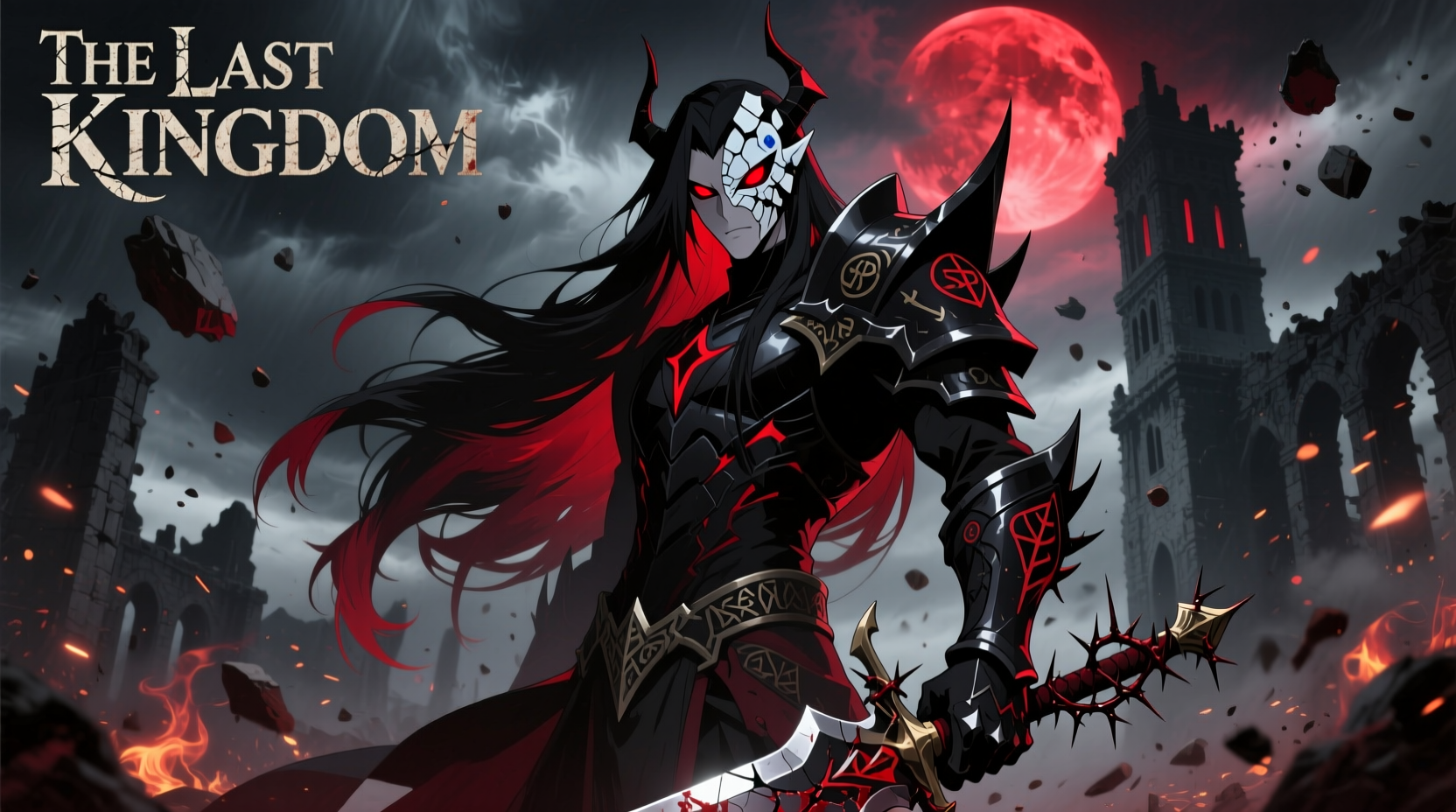
In anime, visual design is never arbitrary. For villains, appearance functions as both armor and manifesto—a reflection of inner ideology and personal mythology. A truly iconic antagonist uses their look to communicate dominance, otherness, or rebellion. From flowing capes to asymmetrical haircuts, intricate tattoos to signature color palettes, these details are not just stylistic choices; they are narrative tools.
Take Frieza from *Dragon Ball Z*. His sleek, white-and-purple exoskeleton-like body, combined with his cold, calculated demeanor, projects an image of alien superiority. He doesn’t just rule planets—he embodies galactic elitism. Contrast this with Griffith from *Berserk*, whose angelic wings and radiant armor mask a soul consumed by ambition. His transformation into Femto isn't merely physical; it's a visual representation of corrupted divinity.
Tip: When analyzing a villain’s impact, consider how their costume, voice, and movement contribute to their aura—not just their abilities.Villains Who Command the Screen
A great villain doesn’t need to win battles to dominate a story. Their presence can shift the tone of entire arcs, instill dread in protagonists, and captivate viewers with every line. What separates these figures from generic antagonists is their ability to project inevitability—the sense that, even when defeated, their influence persists.
- Light Yagami (Death Note): Cloaked in darkness and intellectual arrogance, Light wields the Death Note like a god’s decree. His descent from genius student to megalomaniac is gradual, chilling, and deeply personal. He doesn’t cackle maniacally; he debates morality while plotting mass murder.
- Esdeath (*Akame ga Kill!*): A sadistic general with cryokinetic powers, Esdeath thrives on pain—both inflicting it and enduring it. Her flamboyant military attire, coupled with her obsession with “love through suffering,” makes her one of the most disturbing yet charismatic villains in modern anime.
- Dio Brando (*JoJo’s Bizarre Adventure*): With a golden aura, vampiric strength, and the infamous “Muda Muda!” battle cry, Dio is pure theatrical evil. He doesn’t just oppose the hero—he mocks fate itself, embodying Nietzschean ideals twisted into narcissism.
“Villains in anime often represent what the hero fears becoming. Their style reflects a warped mirror of justice, power, or freedom.” — Dr. Akari Tanaka, Anime Studies Scholar
Comparative Table: Iconic Villains and Their Signature Traits
| Villain | Anime | Visual Style | Philosophy | Fierce Presence Indicator |
|---|---|---|---|---|
| Griffith | Berserk | Angel wings, glowing armor, ethereal glow | \"Sacrifice is necessary for greatness\" | Commands silence upon entrance; evokes awe and horror |
| Light Yagami | Death Note | Dark clothing, red eyes (when using Shinigami eyes) | \"I am justice\" | Psychological dominance over allies and enemies alike |
| Marada (Madara Uchiha) | Naruto Shippuden | Long black coat, war armor, Sharingan eyes | \"This world cannot know peace without infinite tsukuyomi\" | Enters battles already having won in strategy |
| Esdeath | Akame ga Kill! | White fur-lined coat, thigh-high boots, icy aura | \"Pain is the purest form of love\" | Smiles during torture; radiates controlled madness |
| Dio Brando | JoJo’s Bizarre Adventure | Gold accessories, flamboyant poses, vampire fangs | \"I reject this filthy reality\" | Breaks the fourth wall; manipulates time and fate |
Why These Villains Resonate: Beyond Power Levels
It’s easy to assume that a villain’s impact comes from raw strength. But the most enduring ones derive their power from narrative weight. They challenge the protagonist not just physically, but ideologically. Light Yagami forces viewers to question whether justice can be absolute. Griffith dismantles the notion of friendship and loyalty. Madara redefines what peace means in a world built on conflict.
Their styles amplify this dissonance. Esdeath’s opulent general’s uniform contrasts sharply with her brutal methods, creating cognitive dissonance. Dio’s golden extravagance mocks human limitations, suggesting he exists beyond morality. These visuals don’t just decorate—they destabilize.
Mini Case Study: The Arrival of Griffith in *Berserk*
In *Berserk*, the Eclipse sequence remains one of the most harrowing moments in anime history. Griffith’s rebirth as Femto occurs not with a roar, but with silence—a slow descent from the sky, wings spread, light blinding those below. No music, no dialogue—just awe and terror. This moment works because everything about his appearance contradicts his past self. Once a symbol of hope, he now embodies divine betrayal. His presence alone halts action, breaks wills, and marks the end of an era. It’s not his power that shocks—it’s the elegance of his evil.
How to Recognize a Truly Memorable Villain: A Checklist
Not all antagonists achieve legendary status. Use this checklist to identify which ones do—and why:
- ✅ Possesses a distinct visual identity that aligns with their philosophy
- ✅ Commands scenes without needing to speak
- ✅ Challenges the protagonist’s worldview, not just their strength
- ��� Leaves lasting consequences on the story world
- ✅ Evokes strong emotional reactions (fear, fascination, pity)
- ✅ Has a memorable entrance or recurring motif (pose, phrase, theme)
- ✅ Inspires fan art, cosplay, and discourse years after release
Frequently Asked Questions
What makes an anime villain more memorable than the hero?
Sometimes, villains are more complex or undergo more dramatic transformations. Characters like Light Yagami start as protagonists in their own minds, making their fall more tragic and compelling. Their confidence, intelligence, and unapologetic pursuit of vision often make them more fascinating than traditional heroes bound by morality.
Can a stylish villain still be taken seriously?
Absolutely. Style and substance aren’t mutually exclusive in anime. Dio Brando’s exaggerated poses and golden aesthetics enhance his larger-than-life persona. His flamboyance isn’t camp—it’s a declaration of superiority. When style is integrated into character motivation, it becomes a tool of intimidation, not distraction.
Are there female anime villains with the same impact as male ones?
Yes. Esdeath stands alongside any male villain in terms of presence and influence. Other examples include Kaguya Ōtsutsuki (*Naruto*), who exudes ancient, detached menace, and Shogo Makishima (*Psycho-Pass*), whose gender-fluid presentation adds to his enigmatic nature. The most impactful villains transcend gender, relying instead on aura and ideology.
Crafting Your Own Appreciation: Steps to Deepen Engagement
To fully appreciate these villains, go beyond surface-level fandom. Engage critically with their roles in the story:
- Re-watch key scenes focusing only on the villain’s body language and camera framing.
- Analyze their monologues—what beliefs do they espouse? Are they consistent?
- Compare their design evolution across arcs (e.g., Light’s descent into Kira).
- Research creator interviews to understand intended symbolism.
- Discuss with others—debating a villain’s morality deepens understanding.
Conclusion: Embrace the Darkness to Understand the Light
The greatest anime stories are not defined by clear-cut battles of good versus evil, but by the tension between compelling opposites. Memorable villains with unique style and fierce presence do more than oppose the hero—they expand the universe’s moral and aesthetic boundaries. They force us to confront uncomfortable truths about power, desire, and sacrifice. By studying their design, philosophy, and impact, we gain deeper insight not only into anime as an art form but into the human condition itself.
💬 Which anime villain haunts your thoughts long after the credits roll? Share your pick and explain what makes them unforgettable—style, speech, or something deeper.