The return of the Fantastic Four to the Marvel Legends line has reignited debates among collectors: should you trade in your vintage or retro-style figures for the new wave of modern releases? With Hasbro’s current iteration of the Marvel Legends series emphasizing high articulation, screen-accurate detailing, and premium packaging, the new Fantastic Four—Reed Richards, Sue Storm, Johnny Storm, and Ben Grimm—are undeniably impressive. But do they justify setting aside beloved retro figures that capture the charm of earlier eras?
This isn’t just about nostalgia versus innovation. It’s a nuanced decision involving display aesthetics, long-term collectible value, and personal collecting philosophy. Whether you’re a longtime fan who grew up with 90s action figures or a newer collector drawn to cinematic accuracy, understanding what each version brings to the table is essential.
Design Evolution: From Retro Simplicity to Modern Complexity
Retro Marvel figures—particularly those from the early 2000s or late 90s lines—were designed with simpler engineering. Fewer points of articulation, thicker sculpts, and bolder paint applications made them durable and visually striking on shelves. The retro Fantastic Four often leaned into comic-book exaggeration: larger heads, blockier limbs, and stylized costumes reminiscent of classic Jack Kirby art.
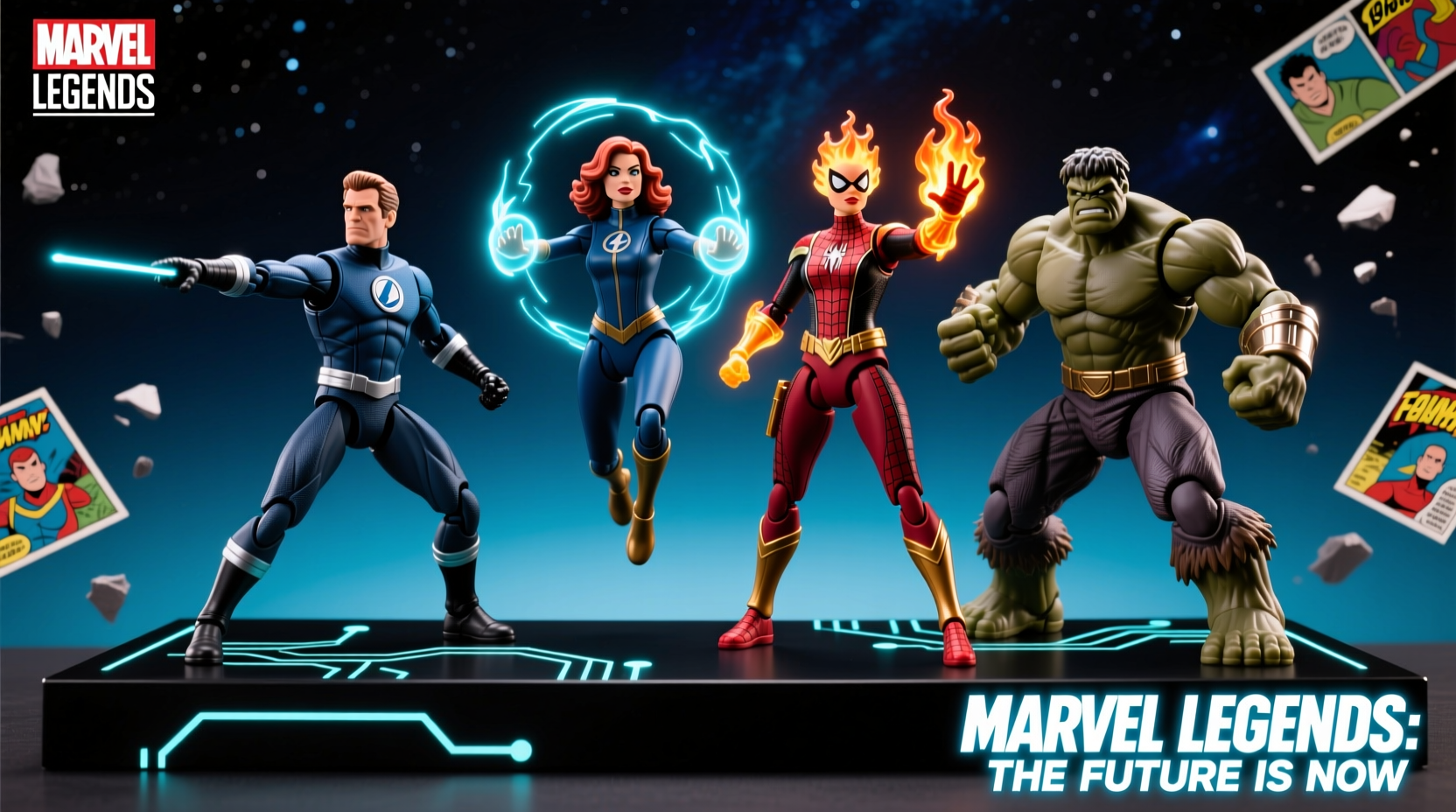
In contrast, the new Marvel Legends Fantastic Four benefit from over two decades of technological advancement. Each figure now features 30+ points of articulation, allowing dynamic posing that mirrors action sequences from comics and anticipated MCU appearances. The sculpts are more anatomically accurate, with layered fabric textures on uniforms and detailed facial expressions that convey individual personalities—Reed’s thoughtful gaze, Johnny’s smirk, Sue’s poised confidence, Ben’s weathered grit.
Moreover, the new figures incorporate advanced accessories. Reed comes with interchangeable hands holding scientific tools; Ben includes alternate rocky textures; Johnny features flame effects compatible with display stands; and Sue has transparent force-field pieces. These elements enhance playability and visual storytelling far beyond what retro versions offered.
Tip: If shelf presence matters most, consider mixing retro and modern figures—use retro ones for nostalgic displays, modern ones for dynamic scenes.Articulation and Display Flexibility Compared
One of the strongest arguments in favor of the new Marvel Legends figures is their poseability. Older retro figures typically had hinges at the shoulders, hips, and neck, with limited range. Swivel joints were rare, and ball joints even rarer. This meant static poses dominated collections.
The new generation changes that. Ball-jointed heads, double-knee articulation, butterfly joints in the torso, and swivel wrists allow these figures to be posed mid-flight (Human Torch), stretching across a diorama (Mr. Fantastic), or shielding allies (Invisible Woman). For collectors who enjoy creating narrative scenes or photographing their displays, this level of flexibility is transformative.
However, increased articulation can come at a cost. Over time, looser joints may lead to pose slippage, especially in heavier figures like The Thing. Retro figures, while less flexible, often maintain their stance reliably for years without needing adjustment.
Collectibility and Long-Term Value Outlook
When evaluating whether to “ditch” retro figures, consider market trends. Vintage Marvel Legends from the early 2000s, particularly first-release variants or chase figures, have appreciated significantly. A sealed 2006 Mr. Fantastic can fetch $150+ in online auctions, especially if it includes original accessories.
The new Marvel Legends Fantastic Four, while well-made, enter a saturated market. Hasbro produces large initial runs, reducing scarcity. Unless they become part of a limited box set or receive exclusive variants (e.g., San Diego Comic-Con exclusives), their resale value may plateau rather than climb.
“Rarity and condition drive value more than quality alone. A mint-condition retro figure from a discontinued line will often outperform a newer, better-articulated version.” — Daniel Reyes, Toy Market Analyst at Collector’s Pulse
That said, cultural relevance could shift this balance. If the upcoming MCU Fantastic Four film becomes a major success, demand for all associated merchandise—including current Legends figures—could surge. Early pre-orders already suggest strong consumer interest.
Comparison Table: Retro vs. New Marvel Legends Fantastic Four
| Feature | Retro Figures (2000s) | New Marvel Legends (2023–2024) |
|---|---|---|
| Articulation | 8–12 points | 30+ points |
| Accessories | Limited (often none) | Multiple (effects, hands, stands) |
| Material Quality | Durable plastic, prone to paint rub | Mixed plastics, softer touch, better paint apps |
| Display Flexibility | Static poses only | Dynamic, cinematic stances |
| Market Value (Sealed) | $80–$200 depending on rarity | $30–$50 (current MSRP: $24.99) |
| Nostalgia Factor | High (childhood appeal) | Moderate (modern aesthetic) |
Real Collector’s Dilemma: A Mini Case Study
Take Mark T., a collector from Austin, Texas, who owned the 2005 Toy Biz Fantastic Four set. When the new Hasbro Marvel Legends versions launched in early 2024, he faced a choice: upgrade or preserve. He initially sold his retro set to fund the new purchases, believing the improved articulation justified the move.
Within six months, he regretted the decision. His local comic shop hosted a retro toy show where a complete 2005 set sold for $420. Meanwhile, his new figures, though impressive, showed joint stress after frequent posing. Mark eventually bought back a retro Mr. Fantastic on eBay for $130—more than double the price he’d sold it for.
His lesson? “New doesn’t always mean better in collecting. Sometimes, the older stuff has soul—and resale legs.”
Actionable Checklist: Should You Upgrade?
Before replacing your retro Fantastic Four figures, ask yourself the following:
- ✅ Do I prioritize poseability and display dynamics over nostalgia?
- ✅ Am I collecting for personal enjoyment or investment potential?
- ✅ Are the new figures part of a limited release or exclusive set?
- ✅ Do my retro figures show wear, or are they in mint/collector condition?
- ✅ Can I afford to keep both versions instead of choosing one?
If most answers lean toward preservation and long-term value, hold onto the retro set. If you're building a modern, cinematic display, the new figures offer undeniable advantages.
Frequently Asked Questions
Will the new Marvel Legends Fantastic Four increase in value?
Possibly, but not guaranteed. Unless production is limited or tied to a major film release, mass availability keeps resale prices stable. However, if the MCU movie exceeds expectations, secondary market demand could rise significantly within 2–3 years.
Can I customize retro figures to match modern articulation?
To some extent. Advanced collectors use kitbashing—combining parts from different figures—or aftermarket joints to improve mobility. However, this alters originality, which may reduce value for purist collectors.
Are the new figures more durable than retro ones?
They’re more complex, which introduces more failure points. While materials are generally higher quality, excessive posing can loosen joints over time. Retro figures, though simpler, often withstand decades of handling with minimal degradation.
Final Verdict: Complement, Don’t Replace
The best approach isn’t to ditch retro figures for the new Marvel Legends Fantastic Four—but to let them coexist. Think of them as different eras of the same legacy. Retro figures represent the foundation of modern superhero collecting: bold, simple, and steeped in nostalgia. The new figures reflect how far action figure engineering has come: expressive, dynamic, and built for storytelling.
Instead of an either/or choice, build a timeline of the Fantastic Four on your shelf. Place the 2005 Mr. Fantastic beside the 2024 version. Let the evolution speak for itself. That way, you honor the past while embracing progress—without sacrificing potential value or personal sentiment.
🚀 Your collection tells a story—make sure it includes every chapter. Whether you’re team retro or team modern, share your setup or upgrade journey in the comments below. What would you keep, and what would you replace?