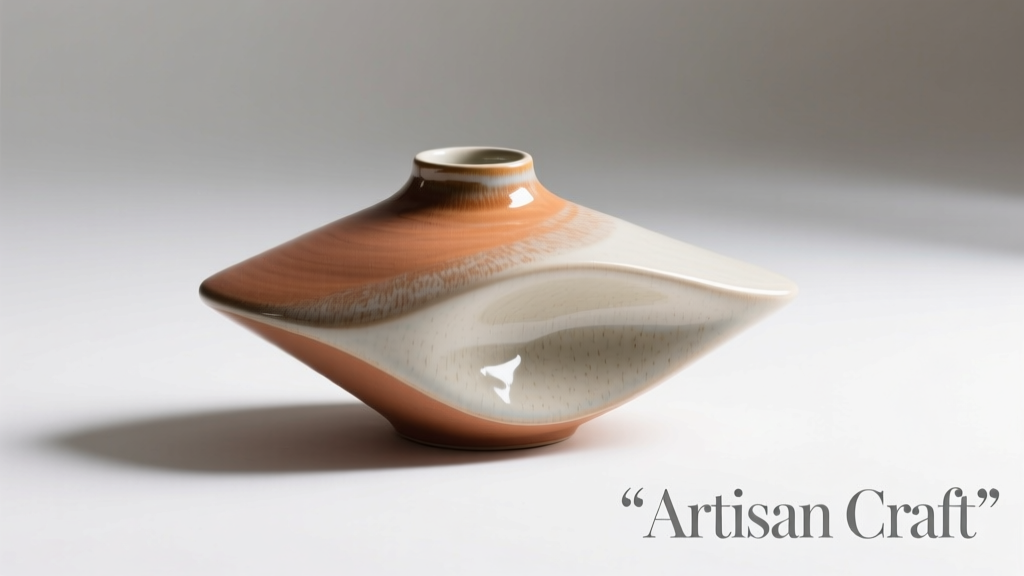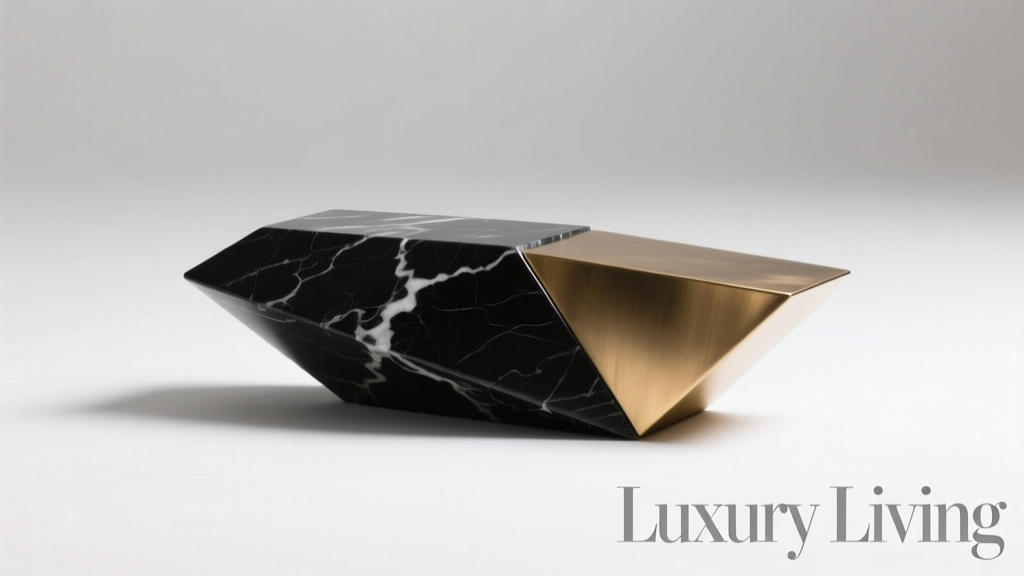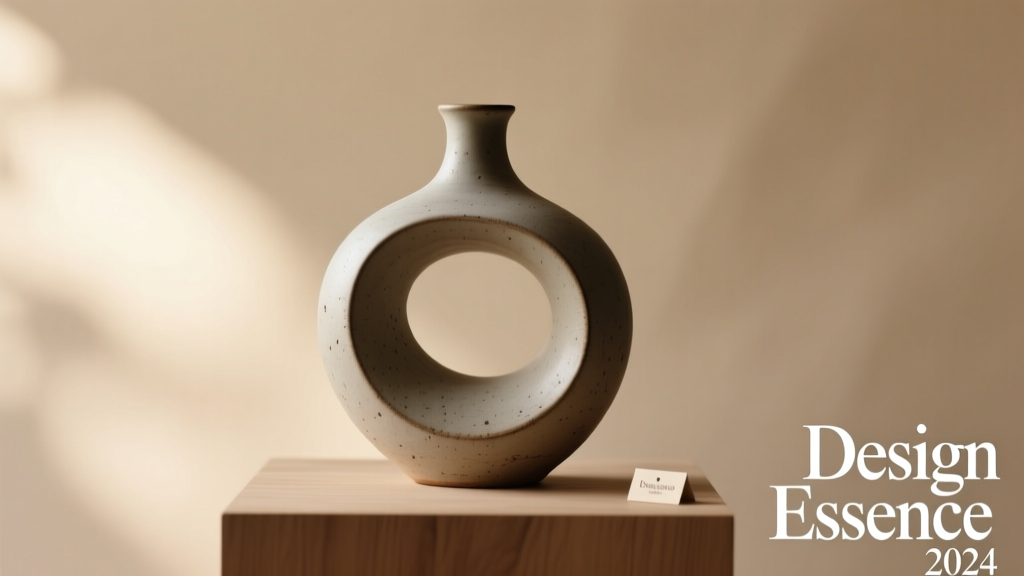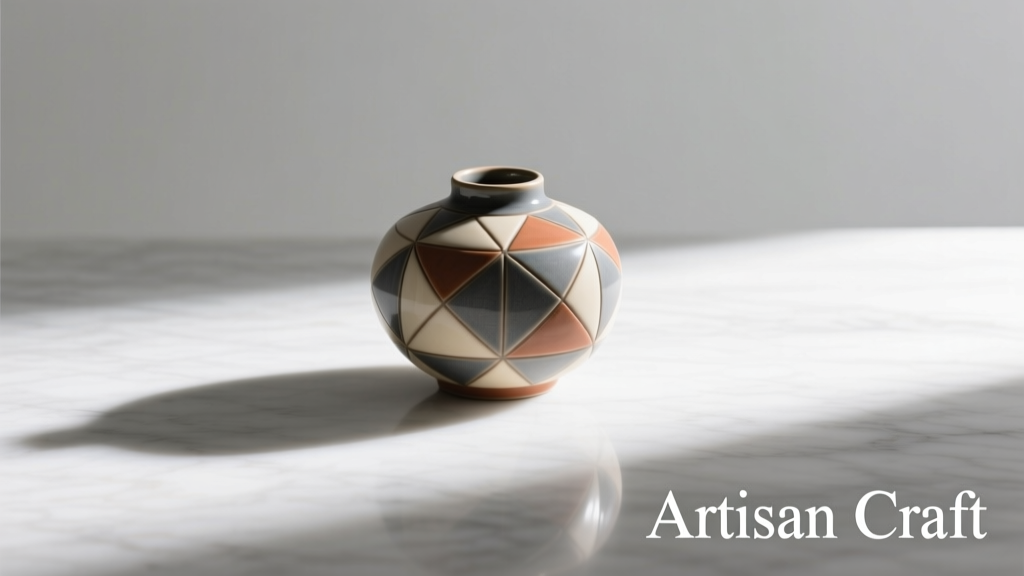
Designs of K F Merchandising
Understanding the various design philosophies behind K F Merchandising is essential for buyers, retailers, and gift curators alike. Thoughtful design not only enhances aesthetic appeal but also aligns products with specific audiences, occasions, and lifestyles. Whether you're shopping for personal use, corporate gifting, or seasonal decor, knowing the key design categories can help you make more informed and impactful choices.
Themed Designs
Inspired by pop culture, entertainment, and cultural milestones, themed designs bring storytelling into everyday items.
Advantages
- Strong emotional connection through nostalgia or fandom
- Ideal for events like birthdays, movie releases, or holiday parties
- Highly marketable and collectible
- Appeals to younger demographics and gift shoppers
Limitations
- May have limited shelf life as trends fade
- Less versatile for long-term use
- Can be too niche for broad audiences
Best for: Holiday gifts, fan merchandise, themed parties, limited-edition collections
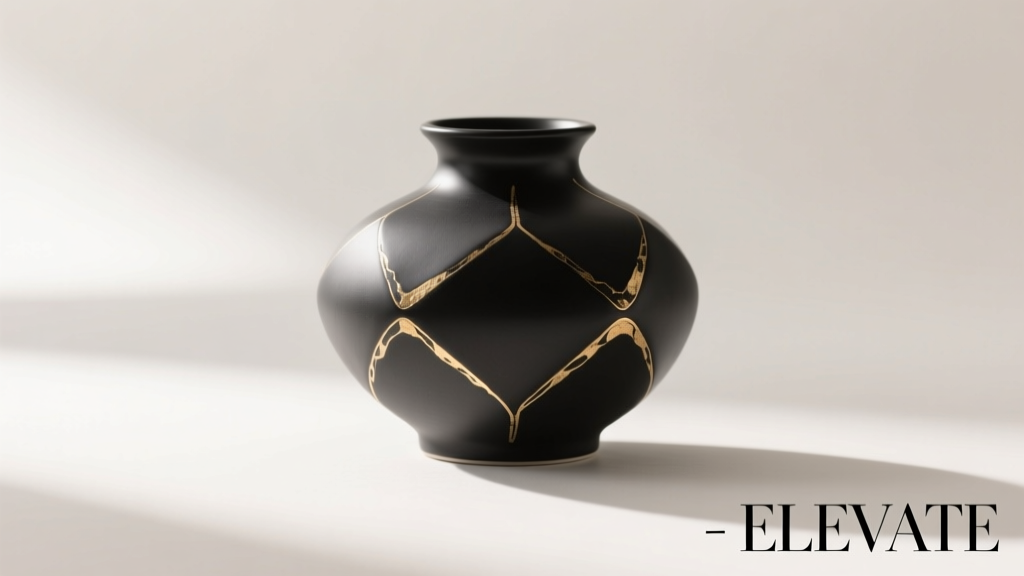
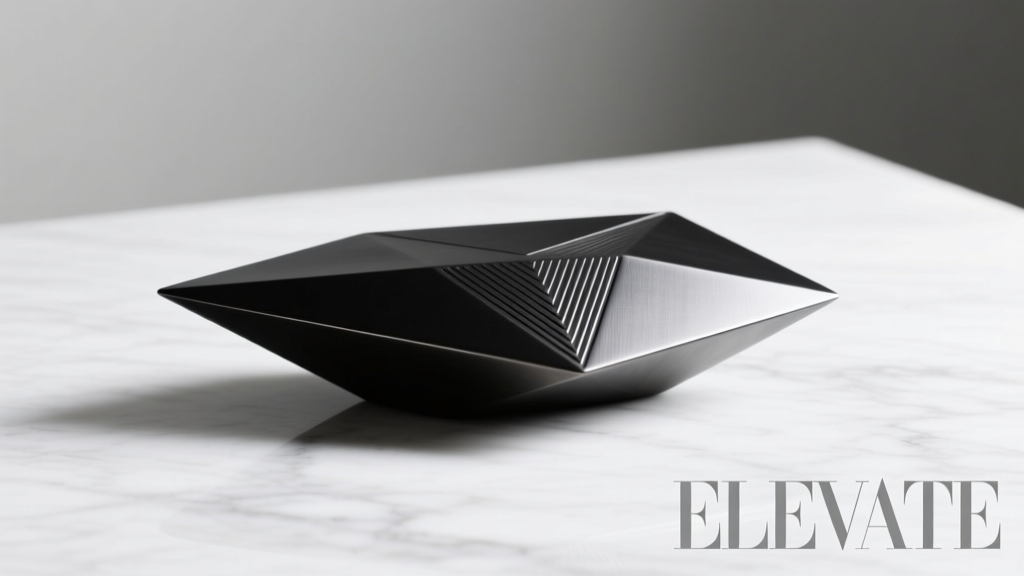
Minimalist Designs
Emphasizing simplicity, functionality, and clean aesthetics, minimalist designs cater to modern tastes.
Advantages
- Timeless appeal with broad compatibility
- Perfect for contemporary and Scandinavian interiors
- Reduces visual clutter in living spaces
- Often uses sustainable materials and ethical production
Limitations
- May appear too plain for expressive personalities
- Limited decorative flair
- Can blend in too much, reducing standout impact
Best for: Urban living, office spaces, everyday essentials, modern home decor
Custom & Personalized Designs
These designs transform generic items into meaningful keepsakes through tailored details.
Advantages
- Creates emotionally resonant gifts
- High perceived value due to uniqueness
- Excellent for milestones: weddings, anniversaries, graduations
- Encourages customer loyalty and repeat purchases
Limitations
- Longer production and delivery times
- Higher pricing due to customization labor
- Potential for errors in personalization (e.g., spelling mistakes)
Best for: Gifts, commemorative items, corporate branding, sentimental keepsakes
Eclectic Designs
Blending diverse cultural motifs, bold colors, and unconventional forms, eclectic designs celebrate individuality.
Advantages
- Highly expressive and unique
- Stimulates conversation and visual interest
- Appeals to creative and artistic personalities
- Great for statement pieces and accent decor
Limitations
- May clash with existing decor themes
- Not universally appealing
- Can overwhelm smaller spaces if overused
Best for: Bohemian interiors, creative studios, bold gift-giving, personality-driven spaces
Seasonal Designs
Tied to the rhythm of the year, these designs reflect the colors, moods, and traditions of each season.
Advantages
- Aligns with consumer shopping habits and holidays
- Creates urgency with limited-time availability
- Enhances festive atmosphere in homes and retail spaces
- Spring florals, summer brights, autumn earth tones, winter whites
Limitations
- Short product lifecycle requiring frequent redesigns
- Risk of overstock if unsold after season ends
- Requires precise inventory planning
Best for: Holiday decor, seasonal promotions, gift sets, retail window displays
| Design Type | Versatility | Aesthetic Appeal | Target Audience | Best Use Case |
|---|---|---|---|---|
| Themed | Moderate | High (for fans) | Families, fans, event planners | Holiday gifts, parties, collectibles |
| Minimalist | Very High | Sleek & Modern | Professionals, urban dwellers | Everyday use, modern interiors |
| Custom/Personalized | High (emotional) | Meaningful & Unique | Givers, sentimental buyers | Milestones, memorabilia, gifts |
| Eclectic | Low-Moderate | Bold & Expressive | Artists, free spirits | Statement decor, creative spaces |
| Seasonal | Time-Limited | Festive & Timely | General consumers, decorators | Decor, holiday promotions |
Expert Tip: For retailers, combining seasonal and personalized designs—such as offering monogrammed holiday ornaments—can significantly boost sales by merging emotional appeal with timely relevance.
Suppliers of K F Merchandising: A Strategic Guide for Retail Buyers
Success in K F merchandising hinges on building strong, reliable relationships with the right suppliers. These partners directly influence product availability, quality, pricing, and ultimately, customer satisfaction. Selecting the appropriate supplier type allows retailers to align their inventory strategy with brand positioning, target audience, and operational scale. Below is a comprehensive overview of the key supplier categories, their benefits, and strategic considerations for effective sourcing.
Key Supplier Types for K F Merchandising
Wholesale Distributors
Wholesale distributors act as intermediaries between manufacturers and retailers, offering bulk quantities of products through established distribution networks. They are a cornerstone for retail operations seeking consistent supply and operational efficiency.
These suppliers are particularly beneficial for large-scale retail chains or growing businesses that require steady inventory flow. When evaluating wholesale distributors, buyers should prioritize understanding minimum order quantities (MOQs), delivery timelines, return policies, and warehousing capabilities. A reliable distributor ensures timely restocking, reduces supply chain disruptions, and often provides volume-based pricing advantages.
Artisan Suppliers
Artisan suppliers specialize in handcrafted, limited-edition merchandise that emphasizes uniqueness, cultural authenticity, and superior craftsmanship. These products often carry a story, making them highly desirable for customers seeking meaningful, one-of-a-kind gifts.
For K F merchandising aiming to offer culturally rich or premium gift lines—such as handmade decor, artisanal textiles, or bespoke accessories—partnering with artisans adds significant value. These items resonate with consumers looking for authenticity and ethical production. While pricing may be higher and lead times longer, the perceived quality and emotional appeal can justify premium retail pricing and enhance brand differentiation.
Branded Merchandising Companies
Branded merchandising companies produce officially licensed products tied to specific brands, franchises, or intellectual properties. These items—such as K|S-themed gifts, apparel, and home decor—cater to loyal fan bases and niche markets.
For retailers targeting audiences with strong brand affinities (e.g., pop culture enthusiasts, sports fans, or lifestyle communities), these suppliers offer high-demand products that drive customer loyalty and repeat purchases. Licensing agreements ensure authenticity, and product lines are often supported by marketing campaigns, increasing consumer recognition and sales potential. Strategic partnerships with branded suppliers can position a retailer as an official or preferred vendor, enhancing credibility.
Online Marketplaces
Global online marketplaces like Alibaba.com, Amazon Business, and Global Sources connect retailers with a vast network of manufacturers and suppliers worldwide. These platforms offer unparalleled access to diverse product categories, competitive pricing, and scalable sourcing options.
Buyers can compare suppliers, review product catalogs, analyze customer feedback, and negotiate terms—all within a single digital ecosystem. This makes online marketplaces ideal for discovering new products, testing market demand with small trial orders, or sourcing cost-effective alternatives. However, due diligence is essential: verify supplier credentials, request product samples, and clarify shipping, customs, and quality control procedures to mitigate risks associated with international trade.
Bulk Exporters
Bulk exporters specialize in manufacturing and shipping high-volume orders of standardized, mass-produced goods—often at significantly reduced per-unit costs due to economies of scale. These suppliers are typically based in manufacturing hubs and cater to large retailers or distributors.
For K F merchandising focused on general consumer goods, seasonal items, or everyday essentials, bulk exporters offer a cost-efficient solution. The lower unit price improves profit margins, especially when selling at scale. However, buyers should consider longer lead times, larger capital investment for initial orders, and the need for adequate storage. Establishing clear quality standards and conducting pre-shipment inspections are crucial to maintaining product consistency.
| Supplier Type | Best For | Key Advantages | Considerations |
|---|---|---|---|
| Wholesale Distributors | Steady inventory for medium to large retailers | Reliable supply, volume discounts, logistics support | MOQs, limited customization, brand control |
| Artisan Suppliers | Niche, premium, or culturally themed products | Unique designs, high perceived value, storytelling potential | Higher costs, longer lead times, limited scalability |
| Branded Merchandising Companies | Fan-driven or licensed product lines | Brand authenticity, marketing support, loyal customer base | Licensing fees, strict brand guidelines, limited exclusivity |
| Online Marketplaces | Product discovery, competitive pricing, global sourcing | Vast selection, supplier transparency, flexible order sizes | Quality variability, communication barriers, shipping complexity |
| Bulk Exporters | High-volume, cost-sensitive general merchandise | Lowest unit costs, scalability, standardized production | High upfront investment, long lead times, quality control needed |
Strategic Sourcing Tips for K F Merchandising
Important: Always verify supplier credentials, request product samples, and clearly define contracts before placing large orders. Poor supplier selection can lead to inventory delays, quality issues, and damage to your brand reputation. Investing time in due diligence upfront ensures long-term success in K F merchandising.
Holidays & Seasonal Scenarios in K F Merchandising
Seasonal trends play a crucial role in retail success, especially in K F merchandising where consumer demand fluctuates significantly around holidays and key annual events. Understanding the timing, themes, and purchasing behaviors associated with each season enables buyers and suppliers to optimize inventory, enhance product relevance, and maximize sales potential.
Below is a comprehensive breakdown of the most impactful holidays and seasonal opportunities, including product recommendations, consumer insights, and strategic planning tips to help you stay ahead of market demands.
🎄 ChristmasChristmas is one of the most significant retail seasons globally, marked by gift-giving, festive celebrations, and home decoration. In K F merchandising, this period sees a surge in demand for holiday-themed products that blend tradition with personalization.
Key Products: Ornaments, light displays, holiday apparel, gift wraps, personalized keepsakes, tree decorations, and seasonal crafts. Strategic Insight: Begin stocking up 4–5 months in advance. Focus on themed collections (e.g., rustic, modern, or family-centric) and eco-friendly packaging to appeal to environmentally conscious shoppers. Bundled gift sets increase average order value. 💘 Valentine's DayValentine's Day centers around love, affection, and thoughtful gestures. Consumers seek romantic, personalized, and aesthetically pleasing items to express emotions. This holiday offers a strong opportunity for creative merchandising targeting couples, friends, and self-gifters.
Key Products: Heart-shaped décor, personalized gifts (mugs, photo frames), love-themed stationery, romantic candles, gift baskets, and couple-themed apparel. Consumer Trend: Millennials and Gen Z favor unique, Instagram-worthy gifts. Consider limited-edition designs, DIY gift kits, and customizable options to stand out in a competitive market. 🎃 HalloweenHalloween is a high-energy season driven by costumes, parties, and home transformations. It appeals to children, families, and adults who enjoy themed entertainment. K F merchandising can capitalize on creativity and novelty during this time.
Key Products: Costumes, face paint, spooky décor (ghosts, skeletons), themed tableware, pumpkin carving kits, and party accessories. Pro Tip: Offer tiered product lines—budget-friendly options for casual celebrants and premium, detailed décor for serious enthusiasts. Expand into pet costumes and yard displays to tap into niche markets. 💐 Mother's Day & Father's DayThese heartfelt holidays celebrate parental appreciation and are prime opportunities for meaningful gifting. Consumers look for sentimental, high-quality, and personalized items that reflect gratitude and thoughtfulness.
Key Products: Personalized mugs, custom photo frames, engraved jewelry, floral arrangements, DIY craft kits, and themed home décor. Marketing Angle: Emphasize emotional storytelling in product descriptions. Highlight “handmade,” “one-of-a-kind,” and “made with love” messaging to connect with gift buyers seeking authenticity. 💍 Wedding SeasonsPeak wedding seasons (typically spring through early fall) create consistent demand for wedding-related merchandise. From ceremonies to bridal showers, K F merchandising can supply both functional and decorative items for couples and event planners.
Key Products: Wedding favors, personalized signage, guest books, table décor, bridal party gifts, and DIY craft kits for handmade touches. Opportunity: Partner with wedding planners or offer bulk-order discounts. Focus on neutral, elegant designs that suit various themes—rustic chic, vintage, modern minimalist, etc. 🎒 Back to SchoolThe back-to-school season is a predictable yet vital retail window. Parents, students, and educators seek functional, fun, and organized solutions for the new academic year. This period rewards early planning and trend-aware product selection.
Key Products: Themed stationery, backpacks, lunchboxes, planners, desk organizers, name labels, and motivational décor. Planning Tip: Launch promotions 6–8 weeks before school starts. Incorporate popular characters, colors, and educational themes. Eco-friendly and reusable products are increasingly preferred by environmentally aware families.Seasonal Success Strategy: Use historical sales data and trend forecasting to align inventory with demand cycles. Implement cross-merchandising (e.g., pairing Valentine’s gifts with greeting cards or back-to-school items with lunch accessories) to boost basket size. Always consider regional and cultural variations in holiday observance when planning product assortments.
| Season / Holiday | Peak Timing | Top Product Categories | Lead Time for Ordering |
|---|---|---|---|
| Christmas | November – December | Decorations, gifts, apparel | 4–6 months |
| Valentine's Day | January – February | Personalized gifts, décor, cards | 3–4 months |
| Halloween | September – October | Costumes, party supplies, décor | 4–5 months |
| Mother's & Father's Day | April – June | Personalized gifts, crafts, décor | 3–4 months |
| Wedding Season | March – October | Favors, signage, décor, gifts | 2–3 months |
| Back to School | July – September | Stationery, bags, organizers | 4–5 months |
Additional Seasonal Considerations
- Inventory Rotation: Plan for post-season clearance sales to minimize overstock and free up warehouse space for upcoming events.
- Sustainability: Offer recyclable packaging and eco-conscious products—increasingly important to modern consumers.
- Digital Integration: Support physical products with QR codes linking to DIY tutorials, gift ideas, or customization tools.
- Local Culture: Adapt product offerings to reflect regional traditions and multicultural celebrations (e.g., Diwali, Hanukkah, Lunar New Year).
- Supplier Coordination: Build strong relationships with suppliers to ensure timely delivery, especially during high-demand periods.
How to Choose K F Merchandising: A Strategic Buyer's Guide
Selecting the right K F merchandising products is essential for retailers, gift shop owners, and resellers aiming to build a compelling and profitable inventory. The decision-making process should be guided by more than just aesthetics—it requires a strategic evaluation of quality, variety, market trends, pricing, and supplier reliability. This comprehensive guide breaks down the five key factors that influence successful K F merchandising choices, helping you make informed decisions that drive customer satisfaction and long-term business growth.
Important Note: K F merchandising typically refers to decorative crafts, home accents, and gift items. Whether sourcing for a boutique, online store, or seasonal market, aligning your selections with consumer expectations and operational goals is crucial for success.
Key Factors in Choosing K F Merchandising Products
- Quality: The Foundation of Customer Trust
Quality is the cornerstone of any successful merchandising strategy. High-quality K F products—crafted with attention to detail and durable materials—enhance customer satisfaction and encourage repeat business. Whether it's hand-painted decor, wooden crafts, or fabric-based gifts, well-made items reflect professionalism and care.
When evaluating quality, consider the following:
- Material durability (e.g., solid wood vs. particle board, fade-resistant fabrics)
- Finish and craftsmanship (smooth edges, clean paintwork, secure joints)
- Functional design that matches aesthetic appeal
- Consistency across product batches
Always request product samples when possible and inspect them thoroughly before placing bulk orders.
- Variety: Catering to Diverse Customer Preferences
A diverse product range allows retailers to appeal to a broader audience. In the world of home decor and gift items, customers seek unique pieces that reflect personal style, seasonal themes, or cultural significance. Offering variety in design, color, size, and theme ensures your inventory remains dynamic and inclusive.
To maximize appeal, consider including:
- Multiseasonal decor (e.g., farmhouse, coastal, rustic, modern minimalist)
- Culturally relevant or holiday-specific items (e.g., Christmas, Easter, Diwali, Lunar New Year)
- Different price points to accommodate various budgets
- Personalized or customizable options where feasible
A well-curated mix of evergreen and trending items helps maintain consistent sales throughout the year.
- Trends: Staying Relevant in a Competitive Market
Consumer preferences in home decor and gifting evolve rapidly. Staying informed about current trends ensures your K F merchandise remains desirable and competitive. Trend-driven products often experience faster turnover and higher demand, especially during peak shopping seasons.
Key trend areas to monitor include:
- Popular color palettes (e.g., earth tones, pastels, bold neons)
- Interior design movements (e.g., maximalism, Japandi, cottagecore)
- Sustainable and eco-friendly materials
- Inspirational or motivational decor (e.g., quote signs, wellness-themed items)
Follow design blogs, social media influencers, and trade shows to stay ahead of emerging trends and anticipate customer demand.
- Pricing: Balancing Value and Profitability
Pricing directly impacts both your profit margins and customer perception. While competitive pricing is important, it should never come at the expense of quality. The goal is to source K F merchandising items that offer strong value—high perceived quality at a fair cost.
When evaluating pricing, keep in mind:
- Wholesale cost versus retail markup potential
- Shipping and import fees (especially for overseas suppliers)
- Minimum order quantities (MOQs) and volume discounts
- Price positioning relative to your target market (budget, mid-range, premium)
Aim for a 2.5x to 3x markup on most decor and gift items to maintain profitability while remaining competitively priced.
- Supplier Reputation: Ensuring Reliability and Service
The reputation of your K F merchandising supplier can make or break your business. A trustworthy supplier delivers consistent quality, meets deadlines, and provides excellent customer service. Poor supplier performance can lead to stockouts, customer complaints, and damaged brand credibility.
To assess supplier reliability, consider:
- Customer reviews and testimonials on third-party platforms
- Years of experience and industry presence
- Response time and communication clarity
- Return policies, warranty terms, and defect handling
- Participation in trade fairs or verified business credentials
Establish long-term relationships with suppliers who demonstrate transparency, consistency, and a commitment to quality.
| Selection Factor | Why It Matters | Best Practices | Risks of Neglect |
|---|---|---|---|
| Quality | Builds trust and encourages repeat purchases | Inspect samples, test durability, verify materials | High return rates, negative reviews |
| Variety | Appeals to diverse customer tastes and occasions | Offer seasonal, thematic, and stylistic diversity | Low customer engagement, stagnant sales |
| Trends | Drives fast-moving inventory and social sharing | Monitor design trends, attend trade shows | Outdated inventory, missed sales opportunities |
| Pricing | Impacts profitability and market competitiveness | Balance cost, quality, and markup goals | Low margins or poor value perception |
| Supplier Reputation | Ensures reliable delivery and consistent quality | Check reviews, request references, start small | Supply chain disruptions, quality inconsistencies |
Expert Tip: Before committing to a large order, place a small trial purchase to evaluate product quality, packaging, and shipping time. This low-risk approach helps you verify supplier reliability and customer reception before scaling up.
Final Recommendations for Success
- Develop a clear merchandising strategy that aligns with your brand identity and target audience
- Rotate inventory seasonally to keep your offerings fresh and exciting
- Collect customer feedback to identify bestsellers and areas for improvement
- Build relationships with multiple suppliers to reduce dependency and increase negotiating power
- Document your sourcing decisions and performance metrics for future planning
Choosing the right K F merchandising products is both an art and a science. By focusing on quality, variety, trends, pricing, and supplier reputation, you can build a compelling product lineup that delights customers and drives sustainable sales. Whether you're launching a new store or refreshing your inventory, these principles will guide you toward smarter, more profitable decisions.
Frequently Asked Questions About KF Merchandising and Themed Decor
Q1: How essential is it to offer themed decor items?Offering themed decor items is a highly effective merchandising strategy, especially for event-driven markets. These products are designed around specific occasions—such as birthdays, holidays, weddings, or seasonal celebrations—making them easy to promote and sell during relevant timeframes.
- Targeted Marketing: Themed decor allows for precise audience targeting. For example, Halloween-themed items can be marketed directly to customers planning parties or home decorations in October.
- Emotional Appeal: Events often carry emotional significance, and themed items enhance the experience by creating a cohesive and festive atmosphere.
- Giftability: Many consumers purchase decor as gifts. Items that match an event’s theme are perceived as thoughtful and appropriate, increasing their appeal.
- Higher Conversion Rates: When aligned with current trends or upcoming holidays, themed products tend to have shorter decision cycles and higher conversion rates.
By curating a well-timed inventory of themed decor, businesses can capitalize on seasonal demand and boost overall sales performance.
Q2: Can KF merchandising items be sold year-round?The year-round sellability of KF merchandising items depends on the nature of the product and its alignment with seasonal or evergreen themes.
- Seasonal Items: Products tied to holidays (e.g., Christmas ornaments, Valentine’s Day crafts, or Easter baskets) have peak sales windows and are best marketed during specific times of the year.
- Evergreen Products: Some KF merchandising items—such as minimalist home décor, personalized keepsakes, or versatile craft kits—have broad appeal and can be sold throughout the year.
- Strategic Rotation: A balanced inventory strategy includes rotating seasonal stock while maintaining a core selection of timeless items to ensure consistent revenue flow.
- Rebranding Potential: Certain designs can be adapted for multiple occasions (e.g., changing color schemes or messages), extending their market life.
To maximize profitability, merchants should analyze sales data and customer preferences to determine which KF items can be offered continuously and which should be part of limited-time promotions.
Q3: How important is product uniqueness in KF merchandising?Product uniqueness is a critical factor in the success of KF merchandising. In a competitive marketplace, distinctive offerings help brands stand out and build customer loyalty.
- Differentiation: Unique designs, materials, or personalization options set products apart from mass-produced alternatives.
- Niche Targeting: Specialized items—such as culturally inspired crafts or eco-friendly decor—appeal to specific customer segments looking for authenticity and meaning.
- Perceived Value: Customers are often willing to pay a premium for one-of-a-kind or limited-edition items that reflect individuality and creativity.
- Brand Identity: Consistently offering unique products strengthens brand recognition and positions the business as innovative and customer-focused.
Investing in originality—whether through design, craftsmanship, or customization—can lead to increased customer engagement, repeat purchases, and stronger word-of-mouth marketing.
Q4: What role do customer reviews play in KF merchandising?Customer reviews are a powerful tool in KF merchandising, serving as social proof that influences purchasing decisions and builds trust.
- Purchase Confidence: Positive reviews reassure potential buyers about product quality, accuracy of descriptions, and overall satisfaction.
- Feedback Loop: Constructive criticism helps merchants identify areas for improvement in design, durability, or packaging.
- SEO & Visibility: Platforms often prioritize products with higher ratings and more reviews, improving search rankings and discoverability.
- Marketing Content: Authentic testimonials can be repurposed in promotional materials, social media posts, and email campaigns.
- Product Development: Trends in reviews (e.g., repeated requests for color variations or size options) can guide future product lines.
Encouraging satisfied customers to leave feedback—through follow-up emails or incentive programs—can significantly enhance credibility and drive sales growth.
Q5: Are handmade gifts and crafts a viable option in KF merchandising?Yes, handmade gifts and crafts are not only viable but highly desirable in KF merchandising due to their inherent uniqueness and emotional value.
- Personal Touch: Handcrafted items often feature subtle imperfections and individualized details that convey care and authenticity, making them ideal for gifting.
- Customization: Artisans can personalize products with names, dates, or special messages, increasing their sentimental worth.
- Sustainability Appeal: Many handmade items use natural or recycled materials, aligning with eco-conscious consumer values.
- Support for Artisans: Marketing handmade goods supports small creators and resonates with customers who value ethical consumption.
- Event Suitability: From baby showers to anniversaries, handmade crafts fit seamlessly into themed decor and gift-giving scenarios.
By featuring handmade products, KF merchandisers can tap into a growing market segment that prioritizes quality, originality, and meaningful connections over generic, mass-market alternatives.