Types of Jars in the Packaging Arena
In today's competitive market, packaging and printing suppliers offer a diverse range of jars tailored to meet the functional, aesthetic, and sustainability demands of various industries. From food and cosmetics to pharmaceuticals and artisanal goods, selecting the right jar type plays a crucial role in product preservation, brand perception, and consumer experience. Below is a comprehensive overview of the most prominent types of jars dominating the packaging arena.
Glass Jars
Renowned for their premium appearance and exceptional durability, glass jars are a top choice for high-end and eco-conscious brands.
Advantages
- Premium, high-quality visual appeal
- Preserves flavor and texture without chemical leaching
- 100% recyclable and reusable, supporting sustainability goals
- Excellent clarity for product visibility
- Ideal for screen printing, labeling, and embossing
Limitations
- Heavier than plastic, increasing shipping costs
- Brittle and prone to breakage if dropped
- Higher production and material cost
Best for: Gourmet foods, organic products, luxury cosmetics, artisanal goods, and eco-friendly brands
Plastic Jars
Made from materials like PET (polyethylene terephthalate) and PP (polypropylene), plastic jars offer a lightweight and cost-effective packaging solution.
Advantages
- Lightweight, reducing transportation costs
- Shatter-resistant and durable for retail and travel use
- Available in a wide range of colors, opacities, and finishes
- Lower production and material costs
- Suitable for both food and non-food applications
Limitations
- Less premium feel compared to glass
- Potential for chemical leaching with certain contents
- Limited recyclability depending on resin type and local facilities
- Can scratch or degrade over time
Best for: Everyday consumer goods, cosmetics, supplements, personal care products, and budget-friendly packaging
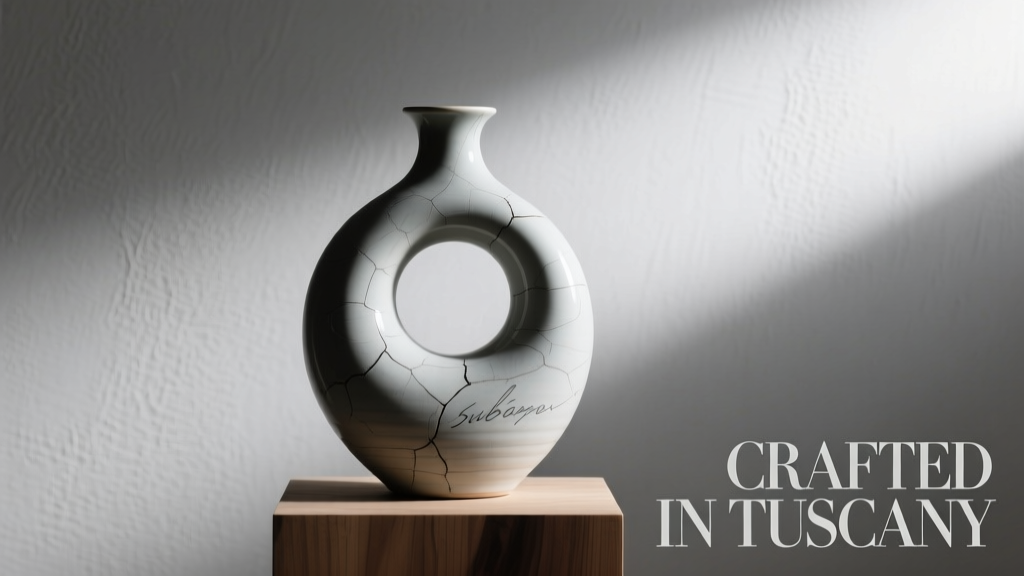
Ceramic Jars
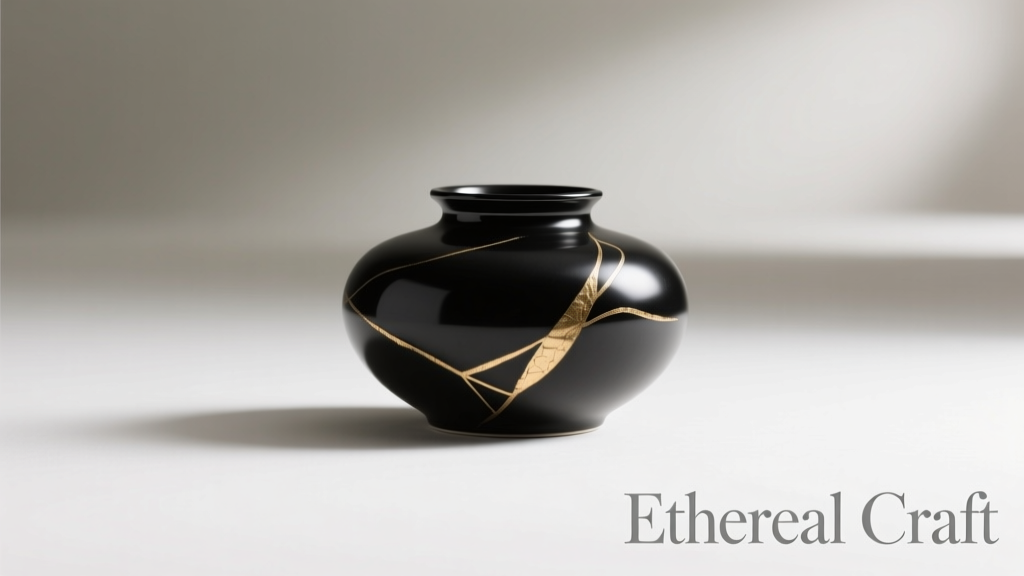
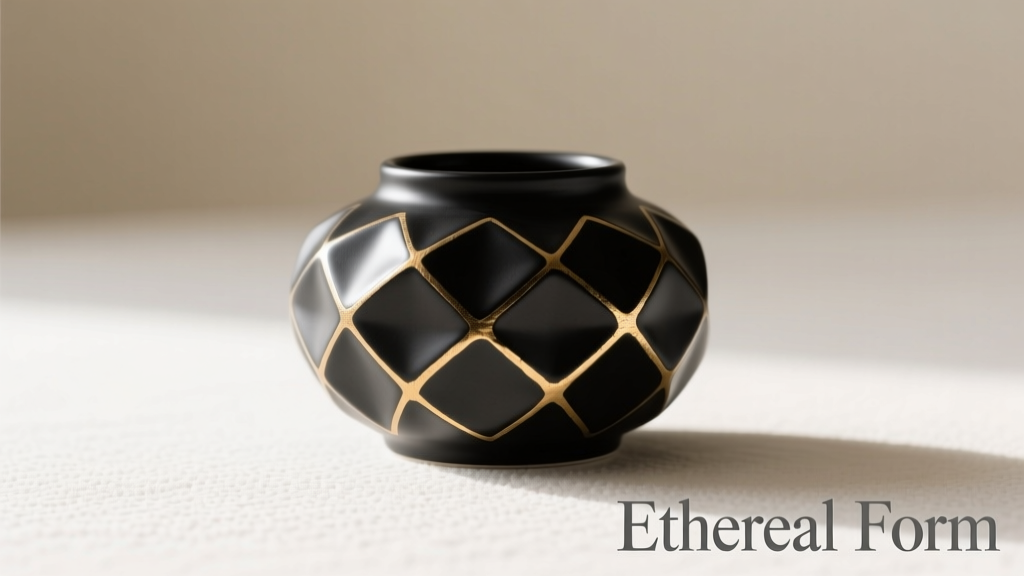
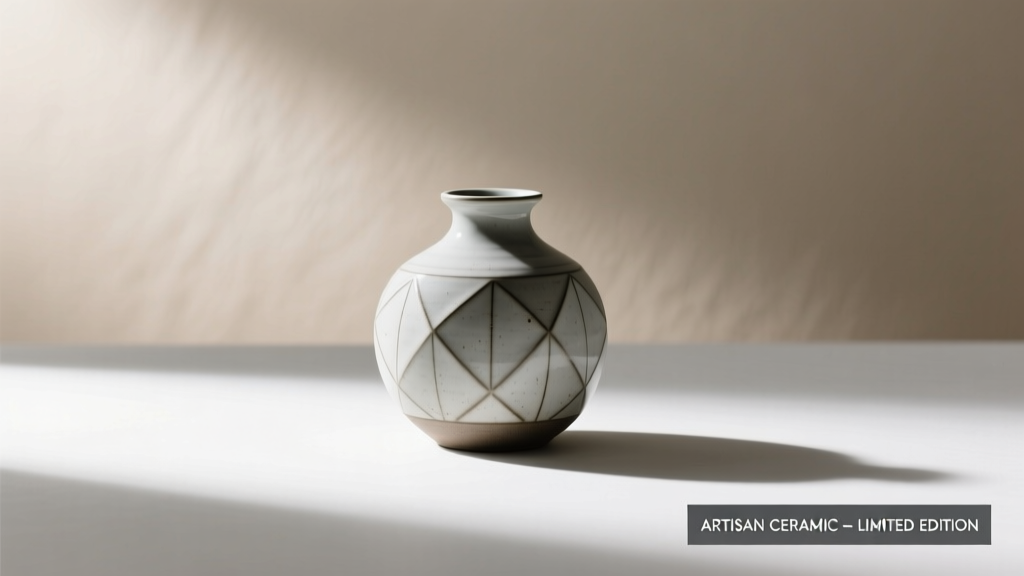
Known for their artistic and rustic charm, ceramic jars are often used where packaging doubles as decor.
Advantages
- Unique, handcrafted aesthetic appeal
- Excellent for premium and gift-oriented products
- Durable when handled properly
- Non-reactive and safe for food storage
- High perceived value and brand differentiation
Limitations
- Fragile and heavy, increasing shipping risks and costs
- Higher manufacturing and material costs
- Not ideal for mass-market or high-volume production
- Limited labeling options due to curved or textured surfaces
Best for: Artisanal foods, candles, specialty spices, luxury skincare, and decorative home storage
Metal Jars
Typically made from aluminum or tin, metal jars offer strength and excellent barrier protection.
Advantages
- Superior protection against moisture, light, and air
- Ideal for preserving sensitive products like ointments and creams
- Highly durable and dent-resistant (especially aluminum)
- Reusable and recyclable, supporting circular economy goals
- Modern, sleek appearance with branding potential
Limitations
- Can corrode if not properly coated
- Not transparent, limiting product visibility
- Higher cost than plastic
- Limited shape and design flexibility
Best for: Pharmaceuticals, salves, balms, cosmetics, small hardware, and specialty dry goods
Vacuum-Sealed Jars
Engineered to extend shelf life by removing air and creating an airtight environment, these jars are revolutionizing food and specialty product storage.
Advantages
- Significantly extends product freshness and shelf life
- Prevents oxidation, mold, and spoilage
- Ideal for oxygen-sensitive products like coffee, grains, and dried fruits
- Enhances food safety and quality retention
- Strong marketing appeal as "freshness-preserving" solutions
Limitations
- Requires specialized sealing equipment
- Higher initial investment in packaging machinery
- May not be suitable for all product types (e.g., carbonated liquids)
- Seal integrity must be carefully monitored
Best for: Gourmet foods, coffee, spices, freeze-dried products, meal prep, and health supplements
| Type | Durability | Eco-Friendliness | Cost Efficiency | Best Application |
|---|---|---|---|---|
| Glass Jars | High (but breakable) | Excellent | Medium | Luxury food, organic products, premium cosmetics |
| Plastic Jars | Medium | Fair (varies by resin) | Excellent | Mass-market goods, personal care, supplements |
| Ceramic Jars | Medium (fragile) | Good | Poor | Artisanal products, decorative storage, gifting |
| Metal Jars | Very High | Very Good | Good | Pharmaceuticals, cosmetics, specialty storage |
| Vacuum-Sealed Jars | High | Good | Medium (due to equipment needs) | Long-life foods, coffee, health products |
Expert Tip: When choosing jar materials, consider not only product compatibility and cost but also your brand’s sustainability goals and target market expectations. For instance, eco-conscious consumers often prefer glass or metal over plastic, even if it means a slightly higher price point.
The Art and Functionality of Jars: Exploring Design Trends in the Jars Arena
Jars have evolved far beyond their basic utility as storage containers. Today, they represent a dynamic intersection of form, function, culture, and branding. From rustic kitchen staples to sleek modern vessels, the design of jars plays a crucial role in consumer appeal, usability, and market differentiation. Understanding the various design philosophies helps manufacturers, retailers, and consumers make informed choices that align with aesthetic preferences, functional needs, and cultural values.
Major Jar Design Categories and Their Applications
Traditional Designs
Rooted in time-tested functionality, traditional jars typically feature a rounded body and a wide mouth—design elements that have stood the test of time due to their practicality. These jars are widely used in kitchens for food preservation, such as storing jams, pickles, dried goods, and canned vegetables. The broad opening allows for easy filling, scooping, and cleaning, making them ideal for both home use and artisanal food producers.
Beyond utility, traditional jars carry emotional and nostalgic value. Their classic appearance evokes a sense of homeliness and authenticity, which is highly desirable for brands marketing "homemade," "farm-to-table," or "small-batch" products. This design style often pairs with parchment labels, twine, or cork lids to enhance the rustic aesthetic and appeal to consumers seeking natural or heritage-inspired goods.
Modern Minimalist Designs
Reflecting contemporary design sensibilities, minimalist jars emphasize clean lines, geometric shapes, and neutral color palettes—often in clear glass with simple, understated labeling. These jars are vacuum-sealed for freshness and are increasingly popular in urban kitchens and premium product lines.
Minimalist designs prioritize the product over packaging, allowing the contents to take center stage. This transparency builds consumer trust and aligns with trends toward clean eating and ingredient awareness. Brands leverage this style for its sleek, Instagram-worthy appearance, which enhances shelf appeal and supports digital marketing efforts. Additionally, ergonomic lids and stackable forms improve functionality, making them favorites in modern pantries and retail displays.
Decorative and Themed Designs
Designed to captivate and charm, decorative jars are customized with illustrations, seasonal motifs, embossed patterns, or full-color labels tailored to specific events or markets. These include holiday-themed jars (e.g., Christmas, Halloween), wedding favors, beach-themed decor, or limited-edition product runs.
Such jars serve dual purposes: they act as functional containers while doubling as keepsakes or gifts. Their visual appeal makes them highly effective in seasonal marketing campaigns and niche markets. Retailers often use themed jars to create urgency and exclusivity, boosting sales during holidays or special promotions. Customers are drawn to their artistic flair, making them ideal for gift-giving or decorative kitchen use.
Ergonomic Designs
Engineered for user comfort and ease of use, ergonomic jars incorporate thoughtful features such as easy-grip lids, built-in handles, non-slip bases, and one-handed opening mechanisms. These enhancements are particularly valuable in kitchen storage, baby food jars, spice containers, and organizing solutions for households and commercial kitchens.
The focus is on improving the user experience—especially for individuals with limited hand strength or dexterity. By reducing strain and increasing convenience, ergonomic designs foster customer satisfaction and brand loyalty. Companies that invest in usability often see higher repeat purchase rates, as consumers appreciate the practical benefits in their daily routines.
Heritage or Tribal Pattern Designs
These jars celebrate cultural identity and craftsmanship through intricate patterns inspired by indigenous art, tribal motifs, or regional traditions. The designs may be etched into the glass, painted, or applied via labels, transforming the jar into a piece of cultural expression.
Beyond aesthetics, heritage-patterned jars often support ethical consumerism. They are frequently associated with fair-trade products, artisan cooperatives, or locally sourced goods, allowing brands to promote cultural preservation and community empowerment. These jars resonate with socially conscious consumers who value authenticity, storytelling, and sustainability in their purchases.
| Design Type | Primary Use Case | Key Benefits |
|---|---|---|
| Traditional | Food preservation, artisanal products | Nostalgic appeal, wide mouth for accessibility, ideal for rustic branding |
| Modern Minimalist | Premium packaging, urban kitchens, digital marketing | Clean aesthetics, transparency, enhances brand image and shelf appeal |
| Decorative & Themed | Gifts, seasonal products, niche markets | High visual appeal, drives seasonal sales, excellent for gifting |
| Ergonomic | Kitchen storage, accessibility-focused products | Improved usability, supports inclusivity, increases customer loyalty |
| Heritage/Tribal | Cultural products, artisanal goods, ethical branding | Promotes cultural heritage, supports local economies, tells a story |
Design Considerations for Brands and Consumers
Important: While visual appeal is powerful, never compromise on material quality or safety standards. Always ensure jars are food-grade, BPA-free (if plastic), and suitable for intended storage conditions (e.g., heat resistance for canning). Thoughtful design not only enhances user experience but also strengthens brand reputation and customer trust.
How to Choose Jars: A Comprehensive Guide for Wholesale Suppliers
Wholesale customers rely on suppliers to provide a consistent, high-quality inventory of jars—foundational components that directly impact their product presentation, shelf appeal, and brand reputation. Selecting the right jars involves more than just aesthetics; it requires strategic consideration of material, functionality, customization, market trends, and value. This guide outlines the key factors suppliers should evaluate to meet diverse customer needs and stay competitive in today’s evolving packaging market.
Material and Durability
The choice of jar material significantly influences product safety, shelf life, and consumer perception. Different industries have distinct requirements, making material diversity essential for a successful wholesale offering.
- Glass Jars: Preferred in the food, beverage, and cosmetics industries due to their non-reactive nature, clarity, and premium appearance. Ideal for preserving flavor and aroma, and often perceived as more sustainable.
- Plastic Jars: Lightweight, shatter-resistant, and cost-effective—perfect for travel-sized products, children’s items, or brands prioritizing logistics efficiency. Look for food-grade PET, HDPE, or PP plastics with BPA-free certification.
- Ceramic & Metal Jars: Offer unique aesthetic appeal for specialty markets like gourmet foods, candles, or luxury skincare. Ceramic provides excellent insulation, while metal (e.g., tin) is ideal for dry goods and long-term storage.
Quality Tip: Ensure jars meet industry standards for thickness, thermal resistance, and structural integrity to prevent breakage during shipping or use.
Customization Options
In a crowded marketplace, brand differentiation is critical. Custom jars allow businesses to express their identity and stand out on the shelf.
- Offer a range of shapes and sizes—from classic rounds to square, hexagonal, or apothecary styles—to suit various product types and branding strategies.
- Provide color options, including clear, amber, cobalt, frosted, or custom-tinted glass/plastic, to align with brand palettes or protect light-sensitive contents.
- Support branding enhancements such as screen printing, labeling, embossing, or custom lid designs (e.g., bamboo, cork, or metallic finishes).
- Stock or offer low-minimum runs for private-label solutions, enabling small businesses and startups to build their brand presence.
Pro Insight: High-demand customization features include logo engraving, tamper-evident seals, and eco-labels for transparency.
Functionality and User Experience
A jar’s design should enhance usability and preserve product quality. Functional features directly impact customer satisfaction and repeat purchases.
- Include jars with airtight, vacuum-seal lids to extend freshness—especially important for spices, coffee, skincare, and supplements.
- Offer easy-grip designs and wide mouths for convenient filling, scooping, and cleaning.
- Ensure compatibility with common storage environments—e.g., freezer-safe, microwave-safe (plastic), or oven-safe (glass/ceramic)—and clearly label accordingly.
- Provide child-resistant or senior-friendly closures for pharmaceuticals or household products.
Key Benefit: Functional jars reduce product waste and improve user experience, leading to higher customer retention for your resellers.
Market Trends and Sustainability
Consumer preferences are shifting toward eco-conscious and visually appealing packaging. Staying ahead of trends ensures your inventory remains relevant and desirable.
- Eco-Friendly Materials: Stock jars made from recycled glass or plastic, and prioritize those that are fully recyclable or compostable.
- Refillable & Reusable Designs: Support the circular economy by offering jars with durable finishes and replaceable lids, appealing to zero-waste brands.
- Minimalist & Premium Aesthetics: Clear glass with simple labels, matte finishes, or natural textures are trending in clean beauty and organic food sectors.
- Smart Packaging: Explore options with QR codes, batch tracking, or NFC tags for traceability and consumer engagement.
Growth Opportunity: Eco-conscious packaging can increase perceived brand value and attract environmentally aware consumers.
Pricing and Quality Balance
Wholesalers must strike the right balance between cost-efficiency and product quality to support their customers’ profitability and brand integrity.
- Offer a tiered product range—economy, standard, and premium—so resellers can choose based on their target market and budget.
- Negotiate bulk pricing with reliable manufacturers to maintain healthy margins while offering competitive rates.
- Prioritize suppliers with consistent quality control, ISO certifications, and compliance with FDA or EU food safety standards.
- Consider total cost of ownership—higher-quality jars may have a slightly higher upfront cost but reduce returns, breakage, and customer complaints.
Supplier Advantage: Reliable quality builds trust with resellers, encouraging long-term partnerships and repeat orders.
Inventory and Scalability
Efficient inventory management ensures you can meet fluctuating demand without overstocking or stockouts.
- Maintain high-volume stock of best-selling items (e.g., 4oz and 8oz glass jars with black lids) to fulfill urgent orders quickly.
- Offer flexible MOQs (Minimum Order Quantities) to accommodate both large distributors and small-batch producers.
- Provide sample kits so customers can test jar options before committing to large purchases.
- Use data analytics to forecast demand based on seasonality, industry trends, and customer buying patterns.
Operational Tip: Integrate your inventory with e-commerce platforms or ERP systems for real-time stock visibility.
Professional Recommendation: Focus on curating a versatile, high-quality jar portfolio that balances functionality, sustainability, and customization. Position your business as a solutions provider—not just a supplier—by offering guidance on packaging trends, compliance, and branding. This consultative approach builds stronger customer relationships and differentiates you in a competitive market.
| Industry | Recommended Jar Type | Key Features | Suggested Customization |
|---|---|---|---|
| Food & Beverage | Glass with vacuum seal | Food-safe, airtight, heat-resistant | Custom labels, embossed logos |
| Cosmetics & Skincare | Amber glass or PET plastic | UV protection, pump or disc lids | Silk-screen printing, color-matched lids |
| Artisan & Craft Brands | Clear glass with cork or wood lids | Rustic design, reusable | Hand-stamped labels, natural finishes |
| Eco-Friendly Brands | Recycled glass or bioplastics | Recyclable, compostable, low carbon footprint | Eco-certification labels, minimalist design |
Additional Considerations
- Regulatory Compliance: Ensure jars meet FDA, LFGB, or other regional food contact safety standards when used for consumables.
- Shipping Durability: Choose jars with reinforced shoulders or protective packaging to minimize breakage during transit.
- Seasonal Demand: Anticipate spikes for holiday gift sets, summer preserves, or skincare launches and adjust inventory accordingly.
- Supplier Reliability: Partner with manufacturers who offer consistent lead times, quality assurance, and responsive customer service.
- Innovation: Stay informed about new materials (e.g., algae-based bioplastics) and smart packaging technologies to future-proof your offerings.
Scenarios of Jars Arena: Versatile Applications Across Industries
Jars are among the most versatile and enduring containers in modern life, serving functional, aesthetic, and commercial purposes across a wide range of environments. From household organization to industrial packaging, their durability, transparency, and reusability make them a preferred choice. This guide explores the diverse applications of jars in everyday and professional settings, highlighting their impact on organization, branding, sustainability, and creativity.
Did You Know? Glass jars are 100% recyclable and can be reused indefinitely without loss of quality, making them a sustainable packaging solution that supports eco-conscious lifestyles and green business practices.
Key Applications of Jars in Modern Life
- Home Organization
Jars play a crucial role in decluttering and streamlining household spaces. In kitchens, they are widely used to store dry goods such as pasta, rice, oats, nuts, spices, and baking ingredients. Their clear glass or plastic construction allows for easy identification of contents, while uniform labeling enhances visual appeal and efficiency. Airtight seals help preserve freshness and prevent pest infestations.
Beyond the kitchen, jars are ideal for organizing bathroom essentials—cotton balls, swabs, hair ties, and bath salts can be neatly stored on countertops or in cabinets. In home offices and craft rooms, jars help sort small items like paper clips, buttons, beads, screws, and paintbrushes, turning chaos into order with minimal effort.
- Gifting and Events
Jars have become a symbol of thoughtful, personalized gifting. Filled with homemade jams, cookies, spice blends, or layered dessert ingredients, mason jars are popular for birthdays, baby showers, weddings, and holiday presents. Their rustic charm, combined with creative labeling and ribbon accents, adds a handmade touch that resonates emotionally with recipients.
Event planners leverage jars as both functional and decorative elements. Used as centerpieces, candle holders, or party favors, jars enhance ambiance while offering utility. For example, a wedding favor jar filled with local honey or lavender not only delights guests but also serves as a lasting keepsake. Custom-branded jars can even reinforce event themes or corporate identities.
- Retail Display and Branding
In retail environments, jars are instrumental in product presentation and customer engagement. Grocery stores use large glass jars for bulk bins—allowing customers to scoop items like coffee, tea, granola, candy, or dried fruit while promoting package-free shopping. This encourages sustainability and provides a sensory experience that enhances purchasing decisions.
Beauty and wellness brands use jars to display lotions, scrubs, candles, and cosmetics. The transparency of glass allows shoppers to see product texture and color, increasing trust and appeal. Moreover, uniquely designed jars—featuring embossed logos, custom colors, or minimalist labels—help build brand identity and stand out on crowded shelves. A well-designed jar can become synonymous with the product itself, improving recognition and loyalty.
- Crafting and DIY Projects
Jars are a staple in the crafting community due to their adaptability and availability. Crafters repurpose empty jars into creative, functional art pieces such as candle holders, terrariums, fairy lights, vases, and seasonal decor. With paint, twine, fabric, or etching, jars can be transformed into personalized home accents that reflect individual style.
DIY enthusiasts also use jars to create and package handmade products—like bath bombs, sugar scrubs, or herbal teas—for personal use or small-scale sales. This upcycling trend supports zero-waste lifestyles and fosters innovation. Educational workshops and craft fairs often feature jar-based projects, encouraging sustainability and hands-on creativity across age groups.
- Industrial and Commercial Uses
Across industries, jars serve critical roles in storage, protection, and distribution. In the pharmaceutical and medical sectors, glass and plastic jars are used to package ointments, creams, salves, and topical medications. Their inert materials ensure product integrity, while transparent walls allow for easy inspection of contents and dosage levels.
Hardware and manufacturing businesses use durable jars—often made of metal or thick plastic—to store small components like screws, nails, bolts, and electronic parts. These containers keep inventory organized, reduce loss, and improve workflow efficiency in workshops and warehouses. Food processing, cosmetics, and chemical industries also rely on standardized jars for consistent portioning, labeling, and shelf stability.
| Application Area | Common Jar Types | Primary Benefits | Examples of Use |
|---|---|---|---|
| Home Organization | Glass mason jars, plastic storage jars | Visibility, airtight sealing, space efficiency | Storing grains, spices, craft supplies, bathroom items |
| Gifting & Events | Mason jars, decorative glass jars | Personalization, aesthetic appeal, reusability | Homemade gifts, wedding favors, holiday treats |
| Retail & Branding | Custom glass jars, branded containers | Brand visibility, product display, customer trust | Bulk food bins, skincare products, artisanal goods |
| Crafting & DIY | Repurposed glass jars, upcycled containers | Creativity, sustainability, low cost | Candle making, terrariums, home decor |
| Industrial & Medical | Pharmaceutical jars, metal tins, HDPE containers | Sterility, durability, standardization | Ointments, hardware storage, chemical samples |
Pro Tip: When reusing jars, clean them thoroughly with hot, soapy water and remove labels using a vinegar-soak method (soak in warm water with 1/2 cup vinegar for 30 minutes). This prepares them perfectly for storage, crafting, or gifting.
Why Jars Continue to Thrive in a Modern World
The enduring popularity of jars stems from their simplicity, functionality, and adaptability. As consumers and businesses alike prioritize sustainability, jars offer a reusable, recyclable, and often biodegradable alternative to single-use plastics. Their role extends beyond mere containers—they are tools for organization, canvases for creativity, and vehicles for brand storytelling.
Whether used in a home pantry, a retail display, or a hospital pharmacy, jars continue to prove their value across sectors. By embracing innovative designs and eco-friendly practices, industries can further enhance the utility and appeal of jars in the years to come.
As you consider storage, packaging, or gifting solutions, remember: the humble jar is more than a container—it's a versatile solution with endless possibilities.
Jars: Function, Sustainability, and Cultural Significance
Q. What jars seek to achieve an antique look and feel?Ceramic jars are widely favored for achieving an authentic antique look and feel, making them a popular choice in interior design and decorative arts. Crafted with traditional techniques and often hand-glazed, ceramic jars evoke a timeless charm that complements both rustic and vintage-chic aesthetics. Their enduring appeal lies in their ability to blend seamlessly into contemporary spaces while adding a touch of historical elegance.
Many modern ceramic jars are designed with classic elements such as ornate lids, antique-style knobs, and aged finishes that enhance their vintage character. Originally used for practical storage of food, spices, or water, these jars have evolved into decorative centerpieces in homes, museums, and galleries. Their cultural significance is often reflected in regional designs—such as Moroccan tagines, Chinese ginger jars, or European apothecary vessels—each telling a story of heritage, craftsmanship, and daily life from a bygone era.
Whether displayed on a kitchen shelf or used as a statement piece in a living room, ceramic jars with an antique aesthetic bring warmth, authenticity, and artistic value to any environment.
Q. What kind of jar is best for canning at home?For safe and effective home canning, **Mason jars** (also known as canning jars) are the gold standard. These jars are specifically engineered from thick, tempered glass that can withstand the high temperatures and pressure fluctuations involved in water bath or pressure canning processes.
Key features that make Mason jars ideal for canning include:
- Airtight Seal: When paired with two-piece metal lids (a flat lid and a screw band), they create a vacuum seal that prevents contamination and preserves food for months or even years.
- Heat Resistance: The durable glass resists thermal shock, reducing the risk of cracking during boiling or sudden temperature changes.
- Versatility: Available in multiple sizes—from 4 oz (jelly jars) to 1 quart (ideal for vegetables or soups)—they accommodate a wide range of recipes.
- Reusability: While lids are typically single-use for sealing, the jars themselves can be reused many times if handled carefully and inspected for chips or cracks.
Popular brands like Ball and Kerr have made Mason jars a staple in kitchens across North America and beyond. Their reliability, affordability, and widespread availability make them the top choice for both novice and experienced home canners aiming to preserve jams, pickles, sauces, and more.
Q. Suggest some materials that can be used to make jars more sustainable.As environmental awareness grows, many manufacturers and consumers are turning to eco-friendly materials for jar production. Choosing sustainable materials helps reduce waste, lower carbon emissions, and conserve natural resources. Here are some of the most sustainable options:
- Recycled Glass: Using post-consumer recycled glass reduces the need for raw materials like sand and soda ash, while also cutting energy consumption by up to 30% during manufacturing. Recycled glass jars maintain the same durability and recyclability as virgin glass.
- PET (Polyethylene Terephthalate) Plastic: Lightweight and shatter-resistant, PET is commonly used in reusable food storage jars. Its low weight reduces fuel consumption during transportation, lowering the overall carbon footprint.
- Bamboo: Often used for lids or decorative accents, bamboo is a fast-growing, biodegradable material with minimal environmental impact. It’s naturally antimicrobial and adds an organic aesthetic to jars.
- Aluminum: Highly recyclable and lightweight, aluminum jars or lids can be recycled indefinitely without degradation. Recycling aluminum saves up to 95% of the energy required to produce new aluminum from ore.
- 100% Recyclable Polypropylene (PP): A type of plastic labeled #5, polypropylene is increasingly accepted in curbside recycling programs. When labeled as fully recyclable, PP jars offer a durable and reusable alternative to single-use plastics.
Innovative packaging companies are now combining these materials—such as glass jars with bamboo lids or aluminum seals—to maximize sustainability without sacrificing functionality or design.
Q. What is the most recyclable jar?The most recyclable jar material is **glass**, particularly clear (flint) glass, due to its unique ability to be recycled endlessly without loss of quality or purity. Unlike plastics that degrade over time, glass retains its structural integrity through infinite recycling cycles, making it a truly circular material.
Benefits of glass recyclability include:
- Energy Savings: Manufacturing new glass from recycled cullet (crushed glass) requires significantly less energy than producing glass from raw materials—up to 40% less energy when using 100% recycled content.
- Emission Reduction: Lower melting temperatures reduce greenhouse gas emissions, contributing to cleaner air and climate goals.
- Resource Conservation: Recycling glass reduces the need for mining raw materials like quartz sand, feldspar, and limestone, preserving natural landscapes and ecosystems.
- Widespread Acceptance: Glass jars are accepted in most municipal recycling programs, especially when separated by color (clear, green, amber).
Because of these advantages, glass jars are a top choice for eco-conscious brands in the food, beverage, cosmetics, and pharmaceutical industries. When properly sorted and cleaned, glass jars can re-enter the production cycle within as little as 30 days, closing the loop in sustainable packaging.
Q. How are jars relevant to cultural practices?Jars have played a profound role in human culture for thousands of years, serving far more than just functional purposes. Across civilizations, they have been integral to daily life, spiritual rituals, artistic expression, and social traditions.
In ancient Egypt, **canopic jars** were used to store the internal organs of the deceased during mummification, symbolizing protection in the afterlife. In Mediterranean and Asian cultures, large ceramic storage jars known as **pithoi** or **dubu** were used to preserve grains, oils, and fermented foods, reflecting agricultural abundance and household prosperity.
In many societies, jars are deeply embedded in ceremonial practices:
- Weddings and Rites of Passage: In parts of Africa and Southeast Asia, intricately decorated jars are gifted to brides or used in dowries, symbolizing fertility, wealth, and family heritage.
- Religious Offerings: In Hindu, Buddhist, and Christian traditions, jars may hold sacred oils, incense, or communion elements, often presented as offerings in temples or churches.
- Festivals and Gifting: During holidays like Diwali or Christmas, decorative jars filled with sweets, nuts, or preserves are exchanged as tokens of goodwill and celebration.
Beyond utility, jars inspire artists and potters worldwide. From ancient Greek amphorae adorned with mythological scenes to modern studio pottery, the jar remains a canvas for storytelling and cultural identity. Even today, handmade ceramic jars are celebrated in craft fairs and museums, preserving traditional techniques and connecting generations through the art of vessel-making.
In essence, jars are not just containers—they are vessels of memory, meaning, and cultural continuity.