Distillery tours have evolved from industrial curiosity into immersive cultural experiences—blending history, craft, storytelling, and hospitality. As visitors sip small-batch bourbons in Kentucky, sample single-malt whiskies in Speyside, or taste artisanal gins in Brooklyn, a quiet question often lingers: Should I tip? Unlike restaurants or taxis, where tipping norms are widely codified, distillery tour tipping sits in a nuanced gray zone—one shaped by region, business model, staff role, and local custom. Missteps here rarely cause offense, but thoughtful gestures reinforce the value of skilled interpretation, genuine hospitality, and labor-intensive craft education. This article cuts through ambiguity with field-tested insight—not assumptions—to help you tip with intention, not obligation.
Why Tipping at Distilleries Differs From Other Hospitality Settings
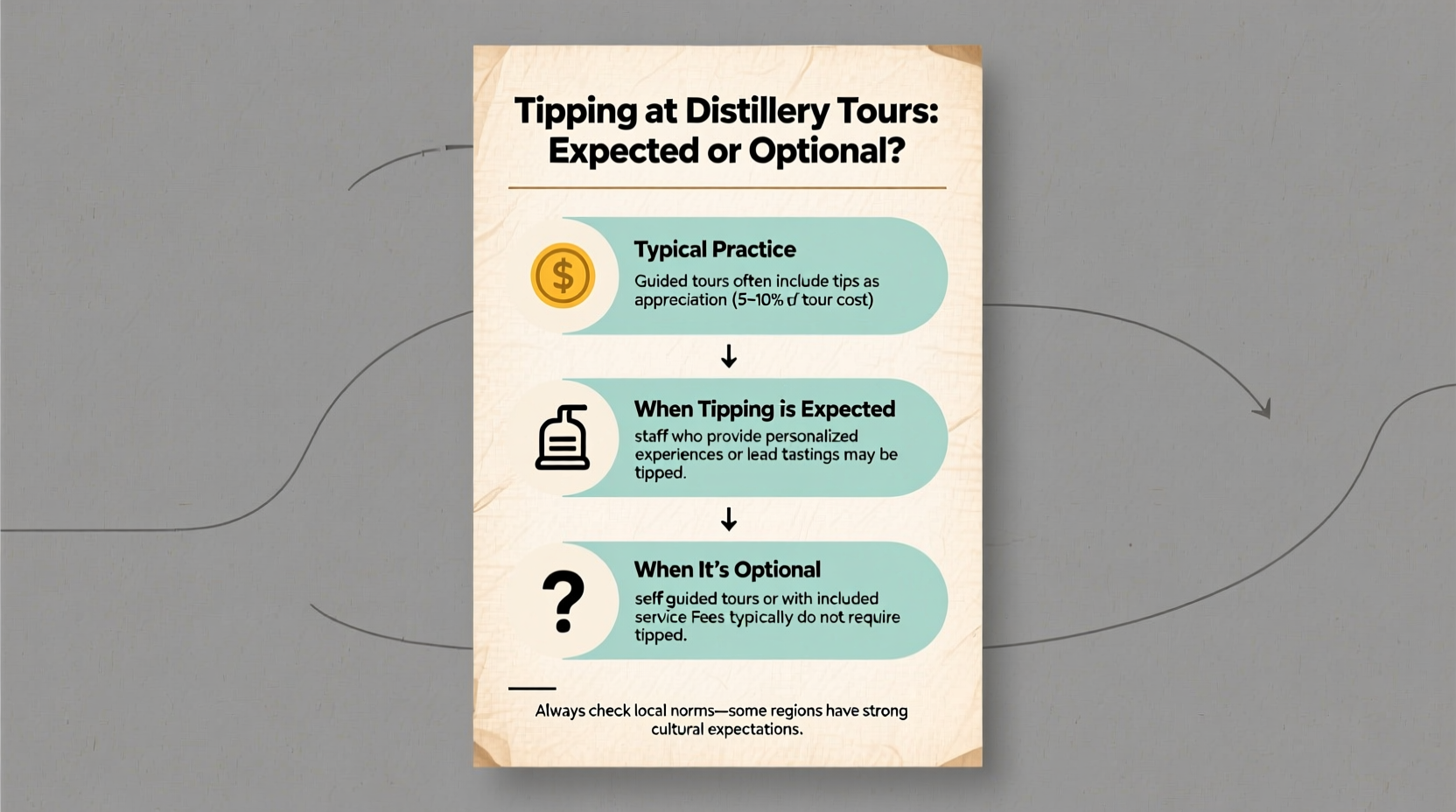
Distilleries operate across three primary models: production-focused facilities (e.g., large-scale bourbon distilleries), craft micro-distilleries (often owner-operated with tight margins), and tourism-first destinations (e.g., scenic coastal whisky sites with gift shops and cafes). Each structures compensation differently. At major producers like Maker’s Mark or The Macallan, tour guides are salaried employees with benefits; tipping is genuinely optional and rarely anticipated. In contrast, at a 3-person operation in Vermont—where the guide also bottles, cleans stills, and manages social media—tips directly supplement income that may hover near minimum wage. Further complicating matters: many distilleries charge $25–$45 for premium tours that include multiple pours, barrel samples, or food pairings. That fee covers operational costs but doesn’t always reflect the human effort behind the experience.
Geography also plays a decisive role. In Scotland and Ireland, tipping is uncommon and often declined—hospitality is viewed as intrinsic to the experience, not a service requiring supplemental reward. In the U.S., however, especially in bourbon country and craft spirits hubs, modest tipping has become quietly normalized among frequent visitors, though never demanded. A 2023 survey by the American Craft Spirits Association found that 68% of independent distilleries reported guests tipping “sometimes or regularly”—but only 12% had formal tipping guidelines posted or communicated.
Tip: Observe first. If you see others leaving cash in a jar labeled “Gratitude” or handing folded bills discreetly to the guide post-tour, follow suit—but never feel pressured. Your presence and engagement are already meaningful support.Who Receives Tips—and Who Doesn’t?
Tipping isn’t monolithic. It depends on who delivered your experience and how they’re compensated:
- Tour guides (especially those employed part-time, seasonally, or by third-party operators) are the most appropriate recipients. They curate narrative, answer technical questions about fermentation timelines or copper reflux, and manage group dynamics—all while ensuring safety around active stills and barrels.
- Tasting room staff who conduct pour-only sessions (no tour) typically earn hourly wages plus tips via credit card systems—similar to bartenders. A $1–$2 per person is customary if service was attentive and knowledgeable.
- Owners or master distillers leading tours rarely accept tips. Their participation signals deep commitment—not financial need. A sincere thank-you and specific feedback (“Your explanation of cut points changed how I taste rye”) carries more weight than cash.
- Gift shop clerks or café servers fall under standard retail/hospitality norms: tip 15–20% on food/beverage purchases, but not on bottle sales unless they provided exceptional pairing advice or curated a personalized selection.
Crucially, avoid tipping before the tour begins—it can unintentionally imply transactional expectations or undermine the guide’s authority. Wait until the conclusion, ideally after the final pour and farewell, when gratitude feels organic.
Tipping Guidelines by Context: A Practical Decision Matrix
Use this table to assess whether, how much, and how to tip—based on objective factors, not guesswork:
| Context Factor | Tipping Expected? | Recommended Amount | Notes |
|---|---|---|---|
| Free or donation-based tour (e.g., community open house, nonprofit distillery) |
Yes — strongly encouraged | $5–$15 per person | Donations often fund equipment maintenance or youth education programs. |
| Paid tour ($20–$35) (standard group size, 60–90 mins, 3–4 pours) |
Optional, but appreciated | $3–$7 per person | Cash preferred; discreetly handed at tour end. Avoid rounding up on credit card unless prompted. |
| Premium/Reserve tour ($50+) (private, barrel sampling, distiller Q&A) |
Expected by many, but not mandatory | $10–$25 per person | Reflects extended time, exclusivity, and specialized knowledge. Consider adding a handwritten note. |
| Self-guided tour with tasting bar (no live guide, QR code narration) |
No | None | Tipping isn’t appropriate for automated or kiosk-based experiences. |
| International distillery (Scotland, Japan, Mexico) | Generally no — and potentially awkward | None | In Japan, tipping can imply the service was inadequate. In Scotland, it may be politely refused with “It’s all part of the welcome.” |
A Real-World Scenario: What Happened at Copper & Oak Distilling
In late 2023, a group of six friends toured Copper & Oak Distilling in Asheville, NC—a 12-employee craft operation specializing in apple brandy and smoked rye. Their $32/person “Heritage Tour” included a walk through the orchard, hands-on grain inspection, copper still demonstration, and five pours with detailed tasting notes. The guide, Maya, had worked there for 18 months and shared candid insights about regulatory hurdles and seasonal fruit sourcing. After the tour, four guests left $5 bills in the small wooden box near the exit sign; two did not. Later, Maya mentioned to a colleague: “The ones who tipped didn’t say much—but the ones who didn’t? They asked three follow-up questions about barrel char levels and took photos of her notebook. That kind of attention is its own currency.”
This illustrates a key truth: tipping is one form of appreciation, but engaged listening, thoughtful questions, and social sharing (e.g., tagging the distillery in an authentic Instagram story) hold equal weight in small-batch communities. Maya’s team tracks visitor engagement metrics—not just tip jars—to refine their storytelling. When guests return for a second tour or purchase a club membership, that loyalty often matters more than a $5 bill.
“Tipping should never be a guilt-driven reflex. At our distillery, we train guides to read the room—not the wallet. A guest who sketches the still in their notebook, asks about water source mineral content, or returns next year with their cousin? That’s the real tip. Cash is just one way to say ‘I see your work.’” — Javier Ruiz, Co-Founder & Head Distiller, Salt & Stone Spirits (Portland, OR)
Your Actionable Tipping Checklist
Before your next distillery visit, use this concise checklist to align gesture with intent:
- Research in advance: Check the distillery’s website for tour pricing, staff bios, and regional notes (e.g., “Tours led by our founder” or “Guides are certified Cicerones”).
- Carry small bills: $1, $5, and $10 denominations—no need for larger notes. Avoid coins or rolled bills.
- Time it right: Hand cash at the very end, after the final pour and before exiting the tasting area. Make eye contact and say, “Thank you for such a thoughtful tour.”
- When in doubt, ask: “Is there a preferred way to show appreciation for the team?” Most will answer honestly—and appreciate your consideration.
- Go beyond cash: Write a Google review highlighting the guide’s name and a specific moment (“Lena’s explanation of sour mash pH changed my home brewing!”). Share their Instagram reel. Buy a bottle from the shelf they recommended.
Frequently Asked Questions
What if the tour guide refuses my tip?
Accept the refusal gracefully—say “Understood, thank you anyway”—and shift to verbal appreciation. Some distilleries prohibit tipping for compliance reasons (e.g., union agreements or tax classification). Others simply uphold a philosophy of inclusive hospitality. Refusal is not rejection; it’s a boundary worth honoring.
Is tipping different for virtual distillery tours?
Yes—tipping is neither expected nor appropriate for live-streamed or pre-recorded virtual tours. Instead, support the distillery by purchasing online (bottles, merch, or virtual tasting kits) or donating to their community fund if offered. A heartfelt email to the host expressing what you learned carries significant weight.
Can I tip with a bottle of spirits I brought?
Generally, no. Most distilleries have strict policies against accepting outside alcohol due to liability, inventory control, and regulatory compliance (especially in bonded warehouses). A better alternative: bring a locally made product from your hometown (e.g., honey, chocolate, or coffee) as a small, personal gift—only if you’ve built rapport and know it’s welcome.
Conclusion: Tipping Is Less About Money, More About Meaning
Tipping at distillery tours isn’t a test of etiquette—it’s an invitation to participate meaningfully in a living craft tradition. Every barrel char level discussed, every grain origin explained, every safety protocol emphasized represents hours of unseen labor and deep expertise. When you tip thoughtfully, you’re not just rewarding service—you’re acknowledging that distillation is both science and soul work. But when you choose not to tip, your respectful attention, informed questions, repeat visits, and public advocacy serve the same purpose: sustaining the people who keep tradition alive, one batch at a time.
So next time you step onto a cool concrete floor beneath towering copper stills, remember: the most valuable currency isn’t always cash. It’s curiosity. It’s memory. It’s the decision to return—not because of a discount code, but because someone made you feel like part of the process.
💬 Your experience matters. Have you visited a distillery where tipping felt especially meaningful—or confusing? Share your story in the comments below. Let’s build a more thoughtful, human-centered culture around craft spirits—one honest conversation at a time.