
Ending a relationship is one of the most emotionally complex experiences two people can face. How you communicate that decision—whether through a phone call or a text message—can significantly impact how both parties process the breakup. While there’s no universally “right” method, certain approaches align more closely with respect, empathy, and emotional maturity. The debate between texting versus calling isn’t just about convenience; it’s about acknowledging the value of the connection you once shared.
In an era where digital communication dominates daily interaction, many default to texting for difficult conversations. It offers distance, time to craft responses, and a buffer from immediate emotional reactions. But relationships built on in-person interactions, shared experiences, and emotional intimacy often deserve a closure method that reflects that depth. Choosing between a call and a text involves weighing emotional responsibility, safety, clarity, and the unique dynamics of your relationship.
When a Call Is the More Respectful Choice
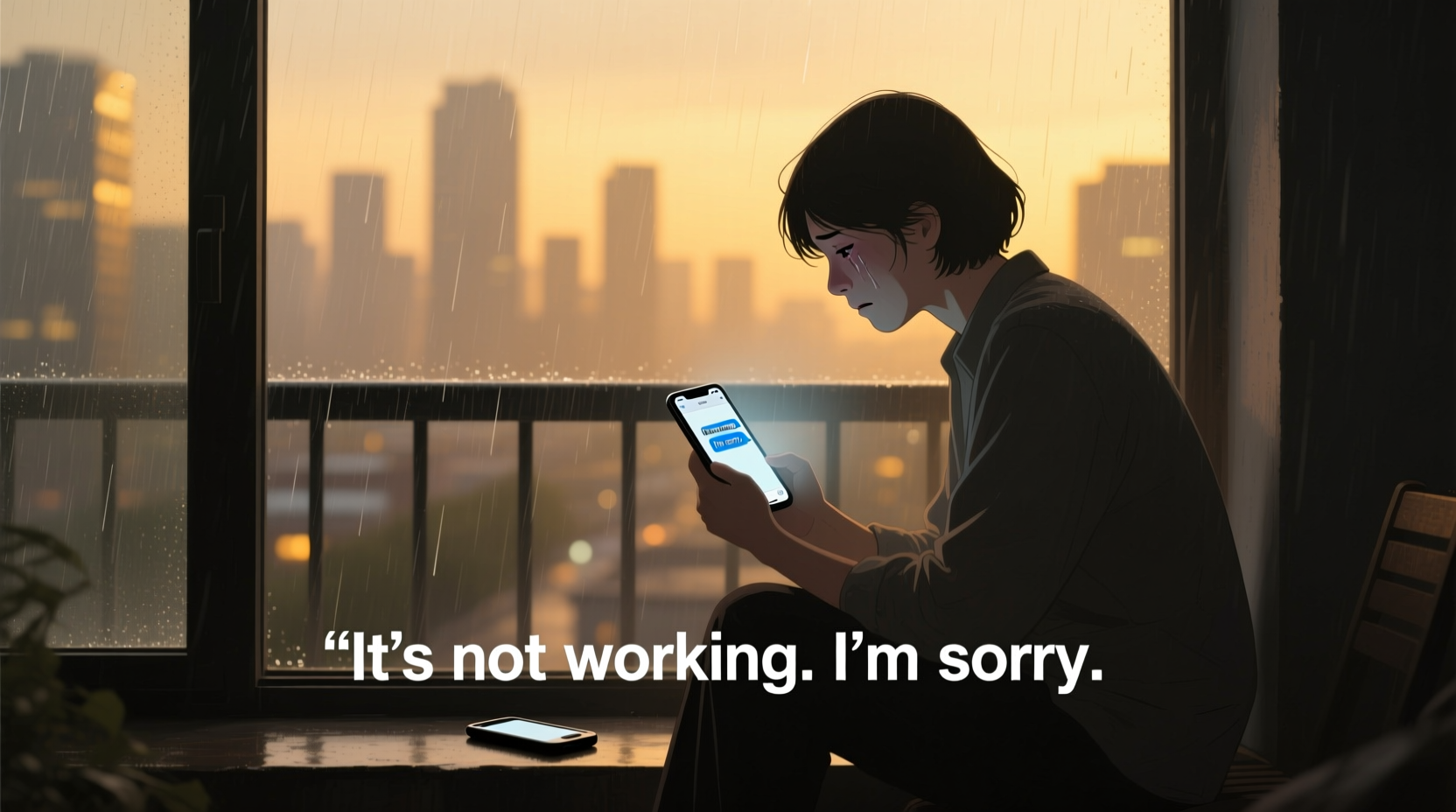
A phone call allows for tone, pauses, and real-time responsiveness—elements absent in text-based communication. Hearing someone’s voice, even during painful news, provides a level of humanity and presence that typed words cannot replicate. When a relationship has lasted months or years, involved deep emotional investment, or included significant life events (travel, meeting family, cohabitation), a call demonstrates that you recognize its importance.
Verbal communication also reduces misinterpretation. A well-intentioned message can be read as cold or dismissive without vocal inflection. On a call, you can soften your tone, express regret sincerely, and give space for questions or emotional reactions. This doesn’t mean every conversation must be prolonged or dramatic—it means offering the other person the chance to respond in the moment, rather than being left alone with a screen and unanswered questions.
Tip: If you choose a call, pick a private, quiet time when both of you are likely to be emotionally available—not right before work, during a commute, or late at night.When Texting May Be Appropriate or Necessary
While calling is often ideal, there are situations where texting is not only acceptable but safer and more considerate. In cases of emotional abuse, manipulation, or fear of retaliation, a direct call may put the initiator at risk. Similarly, if previous attempts at honest conversation have been met with hostility or gaslighting, a carefully written message can serve as a clear, documented boundary.
Texting also allows for precision. You can draft, revise, and ensure your message accurately reflects your intentions without being derailed by emotional escalation. For long-distance relationships that were primarily digital, a text may feel more consistent with the existing communication pattern. It avoids the performative pressure of a \"breakup call\" when genuine dialogue has already broken down.
However, even in these cases, the quality of the message matters. A vague “I think we should go our separate ways” lacks closure. A thoughtful, accountable message that acknowledges shared history and expresses gratitude—even while stating the need to end things—can still honor the relationship.
“We often underestimate the emotional weight of being ghosted or receiving a one-line breakup text. Even in low-investment relationships, people deserve acknowledgment.” — Dr. Lena Peterson, Clinical Psychologist & Relationship Specialist
Key Factors to Consider Before Deciding
There is no one-size-fits-all answer. Your decision should reflect the nature of the relationship, your safety, and your intention to act with integrity. Below are critical considerations to guide your choice.
| Factor | Favors Calling | Favors Texting |
|---|---|---|
| Duration & Depth | Relationship lasted 6+ months with emotional intimacy | Casual dating, limited emotional investment |
| Safety | No history of aggression or control | Abuse, stalking, or fear of confrontation |
| Communication Style | Most conversations happened verbally | Primarily text-based interaction |
| Emotional Readiness | You can remain calm and empathetic on a call | You’re overwhelmed and need time to compose thoughts |
| Geographic Distance | Same city or manageable time zone difference | Significant time zone gap or international separation |
Mini Case Study: Sarah and Jordan
Sarah dated Jordan for ten months. They met in person weekly, traveled together twice, and had discussed future plans. When Sarah realized she no longer felt emotionally connected, she considered texting to avoid an awkward conversation. Instead, she scheduled a phone call after reflecting on their shared history. She said, “I care about you and what we’ve built, but I don’t see this evolving into the kind of partnership we both deserve.”
Jordan was hurt but expressed appreciation for the honesty and clarity. He later told a friend, “It wasn’t easy to hear, but I’d rather get truth with respect than confusion with silence.” In contrast, Sarah recalled a past partner who ended things with a three-word text: “This isn’t working.” That experience left her reeling for weeks, questioning what went wrong. Her choice to call Jordan was informed by that memory—one she didn’t want to repeat.
How to End a Relationship Respectfully: A Step-by-Step Guide
Whether you choose to call or text, the structure and content of your message matter. Follow this timeline to ensure clarity, compassion, and accountability.
- Reflect on your reasons. Be honest with yourself. Are you ending the relationship due to incompatibility, lack of feelings, or external stressors? Clarity prevents blame and keeps the focus on your own emotions.
- Choose your medium thoughtfully. Use the table above to evaluate whether a call or text is more appropriate based on duration, safety, and communication patterns.
- Draft your message (even for calls). Write down key points you want to convey: appreciation, honesty, finality. For calls, this helps prevent rambling or avoidance.
- Initiate the conversation privately. Avoid public spaces, group settings, or times when either of you is distracted. For texts, send it when the recipient is likely awake and not in the middle of a workday crisis.
- Be direct but kind. Use “I” statements: “I’ve realized I’m no longer able to give this relationship what it needs,” rather than “You’ve changed” or “You suffocate me.”
- Allow space for reaction—but set boundaries. If on a call, let them speak without interrupting. If texting, anticipate follow-up questions but decide in advance how much engagement you’re willing to offer.
- Close with clarity. State that the relationship is ending. Avoid ambiguous phrases like “let’s take a break” unless you truly mean it.
- Follow through with distance. After the conversation, mute or limit social media exposure if needed. Repeated contact can create false hope and delay healing.
Common Mistakes to Avoid
- Ghosting after intimacy. Disappearing without explanation after emotional or physical closeness is deeply damaging.
- Using intermediaries. Asking a friend to relay the message avoids responsibility and increases misunderstanding.
- Blaming or shaming. Focus on your feelings and needs, not their flaws.
- Leaving the door open unnecessarily. Saying “maybe someday” when you know it’s over delays acceptance.
- Breaking up during major life events. Avoid timing it around birthdays, holidays, or personal crises unless absolutely necessary.
FAQ
Is it ever okay to break up over text?
Yes, in specific circumstances: if the relationship was brief and casual, primarily digital, or if there are safety concerns. However, even then, the text should be thoughtful and clear—not a one-liner or delivered through memes or emojis.
What if they demand a call after I texted?
You’re not obligated to engage further, but if you feel safe and willing, a brief call to clarify your position can provide closure. Set a time limit and stick to your original message without reopening debate.
Should I apologize when ending a relationship?
If you caused harm—through neglect, dishonesty, or inconsistency—an apology is appropriate. But don’t apologize for ending something unhealthy or unfulfilling. You might say, “I’m sorry this didn’t work out,” but not “I’m sorry for loving you,” which invalidates your own agency.
Final Thoughts: Respect Starts with Intention
The question isn’t just about technology—it’s about ethics. Whether you pick up the phone or type a message, the core principle remains: treat the other person as a human being who invested time, emotion, and vulnerability. A call isn’t automatically noble, nor is a text inherently cowardly. What matters is the intention behind it.
Respectful closure doesn’t require perfection. It requires honesty, clarity, and recognition of the other person’s dignity. You don’t have to fix their pain—you just have to avoid deepening it through indifference.
If you’ve been avoiding the conversation out of fear, know that delaying often causes more harm than a difficult truth delivered kindly. Choose the method that aligns with your values, your safety, and the reality of what the relationship meant.
💬 Your relationships deserve endings as thoughtful as their beginnings. Share your experience or advice in the comments—your insight could help someone find the courage to do the hard thing, the right way.