The iPhone 15 is a sleek, premium device designed with modern materials and advanced engineering. Its Ceramic Shield front, aerospace-grade aluminum or titanium frame (depending on model), and refined finish make it one of the most visually appealing smartphones on the market. But that beauty comes with a dilemma: should you protect it with a case, or enjoy it in its natural, unadorned state? Going caseless might feel liberating at first—lighter, more tactile, truer to Apple’s design intent—but over time, reality sets in. Scratches, dings, and the ever-present fear of drops can turn that freedom into regret. So, will you regret going caseless? The answer depends on your lifestyle, priorities, and how much risk you’re willing to accept.
The Allure of the Naked iPhone 15
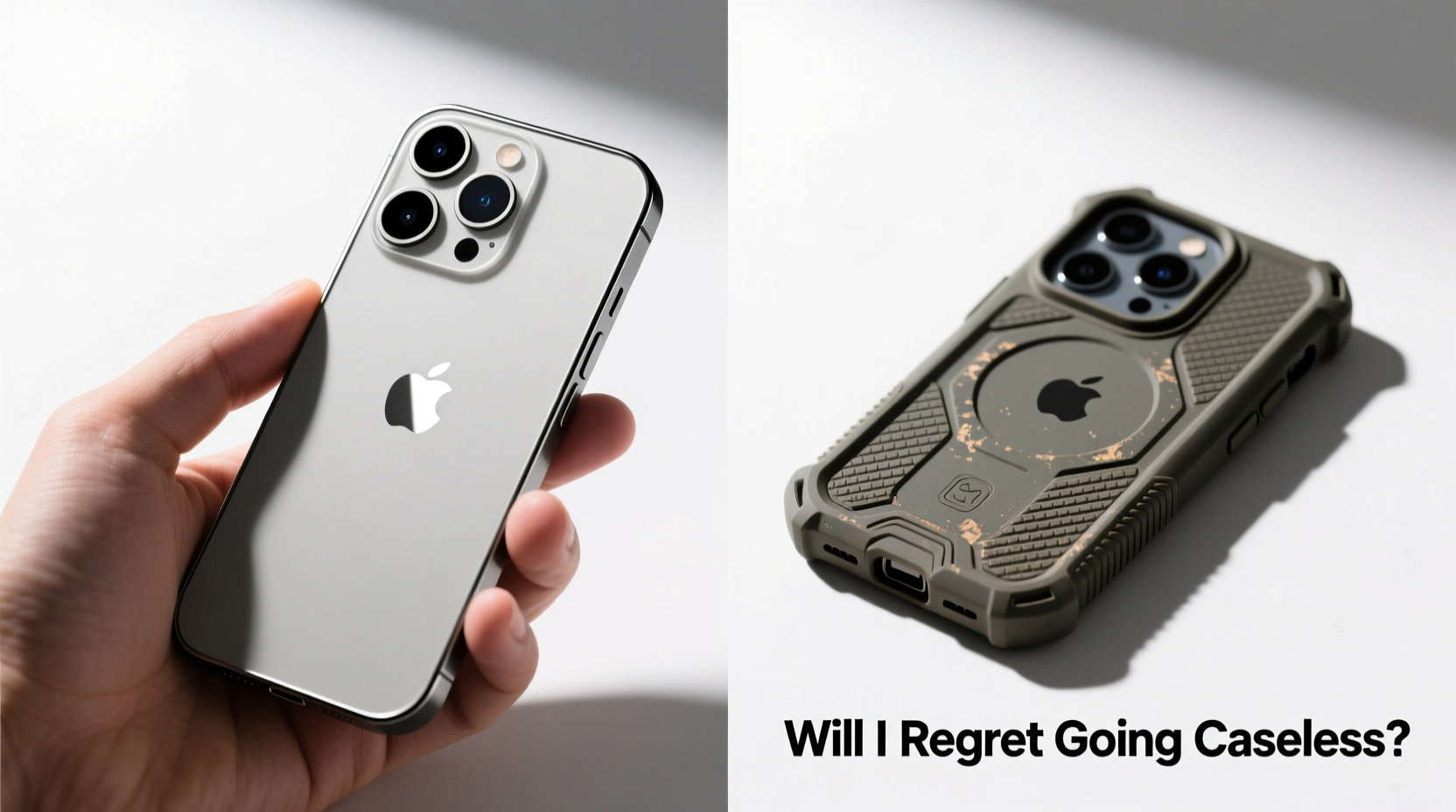
Apple designs each iPhone with aesthetics in mind. The iPhone 15’s contoured edges, balanced weight distribution, and polished finish are meant to be felt and admired. Without a case, the device feels more compact, slips easily into pockets, and showcases its true color and texture—especially models like the titanium iPhone 15 Pro, where the brushed metal back reflects light beautifully.
Many users report a heightened sense of connection to their device when it’s bare. The haptic feedback from taps and swipes feels more direct. Wireless charging is seamless—no need to remove a bulky case. And in social or professional settings, a pristine, case-free iPhone projects confidence in both the product and the user’s handling of it.
Tip: If you go caseless, avoid placing your iPhone directly on rough surfaces like concrete, gravel, or even coarse fabric—it increases micro-scratching.Risks of Skipping the Case
No matter how careful you are, accidents happen. The moment your iPhone 15 hits a hard floor, even from waist height, the outcome can range from a minor scuff to a shattered back glass or cracked screen. While Apple claims improved durability with Ceramic Shield and tougher glass backs, real-world testing shows that unprotected iPhones still suffer damage under common conditions.
A study by SquareTrade in previous iPhone generations found that over 70% of unprotected phones experienced some form of physical damage within the first year of ownership. Though newer models are more resilient, the fundamental physics remain: glass is brittle, and impact forces concentrate on small contact points.
Beyond drops, daily carry introduces abrasion. Keys, coins, and even denim fibers in your pocket can cause fine scratches over time. These may seem minor individually, but collectively they degrade the phone’s appearance—what collectors call “wear and tear” becomes unavoidable.
“Even with advanced materials, no consumer smartphone today is truly drop-proof. A case remains the most effective insurance against costly repairs.” — Dr. Lena Patel, Materials Scientist at Mobile Durability Labs
Case vs. No Case: A Practical Comparison
| Factor | With Case | Without Case |
|---|---|---|
| Durability | High – absorbs shock, protects edges and corners | Low – direct exposure to impacts and scratches |
| Tactile Feel | Depends on material; some add grip, others feel bulky | Excellent – smooth, lightweight, true to design |
| Pocketability | Slightly reduced due to added thickness | Optimal – slimmer profile, easier access |
| Wireless Charging | Most cases compatible, but thick ones may slow charging | Uninterrupted – fastest performance |
| Resale Value | Higher – less visible wear, fewer marks | Lower – scratches and dents reduce value significantly |
| Cost Over Time | Initial case cost + potential screen protector | Risk of $300–$600 repair if screen or back cracks |
Real-Life Scenario: One Year, Two Approaches
Consider two users: Alex and Jordan. Both bought an iPhone 15 Pro on the same day. Alex opted for a minimalist MagSafe-compatible case and a thin screen protector. Jordan went fully caseless, drawn by the phone’s elegance and the promise of a pure experience.
After six months, Jordan’s phone showed fine scratches on the back, especially near the camera bump. A coffee shop drop resulted in a hairline crack on the bottom edge of the display—repairable, but costly. By month ten, the once-pristine titanium frame had noticeable scuffs from daily use.
Alex, meanwhile, experienced a similar drop but walked away unscathed—the case absorbed the impact. After a year, Alex’s phone looked nearly new, with only minor wear on the case itself. When both sold their devices, Alex received 25% more in trade-in value.
This isn’t an isolated case. Across online forums like Reddit and MacRumors, long-term users consistently report higher satisfaction with protected devices—not because they love the case, but because they avoid the stress and expense of damage.
Smart Compromises: How to Minimize Regret
You don’t have to choose between total protection and zero compromise. Several strategies let you enjoy the iPhone 15’s design while reducing risk:
- Use a minimal bumper or MagSafe ring: These protect only the edges—most vulnerable during flat drops—while leaving the back exposed for aesthetics and wireless charging.
- Invest in a high-clarity screen protector: Even if you go caseless, a good tempered glass protector shields the most expensive part to repair—the display.
- Rotate usage: Keep a case for commuting or travel, and remove it at home or in controlled environments.
- Carry it consciously: Use a dedicated pocket, avoid tossing it into bags with keys, and set it down gently.
Step-by-Step: How to Decide What’s Right for You
- Assess your daily routine: Do you commute on crowded trains? Work in construction or outdoors? High-risk environments favor cases.
- Test the feel: Go caseless for one week, but track every time you set it down or carry it loosely. Note close calls.
- Inspect after 7 days: Look closely at the back and edges under bright light. Any new scratches?
- Calculate repair costs: Check Apple’s out-of-warranty pricing—screen repair starts at $279, back glass at $499.
- Decide: If peace of mind matters more than millimeters, choose protection. If design purity is non-negotiable, accept the risks.
Frequently Asked Questions
Can I use my iPhone 15 without a case safely?
You can, but not without risk. Even careful users experience accidental drops. While the iPhone 15 is durable, repeated exposure to impacts will eventually lead to damage. Safety isn’t guaranteed—it’s probabilistic.
Do screen protectors make a difference?
Yes. A high-quality screen protector prevents scratches and can absorb minor impacts. It won’t stop a major drop, but it adds a critical layer of defense for the most used surface.
Will going caseless affect resale value?
Significantly. Buyers prefer phones with minimal wear. Scratches, dents, and worn finishes reduce trade-in offers by 15–30%. A well-protected iPhone retains value much better.
Final Verdict: Will You Regret Going Caseless?
For some, the answer is no. Minimalists, careful users, and those who prioritize design over practicality may never regret going caseless. They accept the scratches as part of the phone’s story. But for most people—especially those with active lifestyles, children, or demanding jobs—the lack of protection leads to anxiety, unexpected repair bills, and diminished pride in ownership.
Regret doesn’t come from using a case. It comes from watching your expensive device degrade prematurely when a simple accessory could have prevented it. A case isn’t a sign of paranoia; it’s a rational response to fragility. And with today’s ultra-thin, precision-engineered options, you don’t have to sacrifice much to gain a lot.
🚀 Ready to make a decision? Try going caseless for a week—with a screen protector—and document the wear. At the end, ask yourself: Is this phone aging the way I want it to? Your answer will tell you everything.