As winter sets in, indoor gardeners face a common challenge: maintaining optimal temperatures for houseplants placed near windows. Cold drafts, nighttime temperature drops, and insufficient ambient warmth can stress tropical or heat-loving species. Many turn to supplemental heating solutions—ranging from traditional incandescent bulbs to modern infrared heating strands—to protect their green companions. But which option truly delivers safe, effective warmth without risking plant health or increasing energy bills? This article dives deep into the science, efficiency, safety, and real-world performance of infrared heating strands versus regular lights when used to keep plants warm near windows.
Understanding the Challenge: Why Plants Near Windows Need Extra Warmth
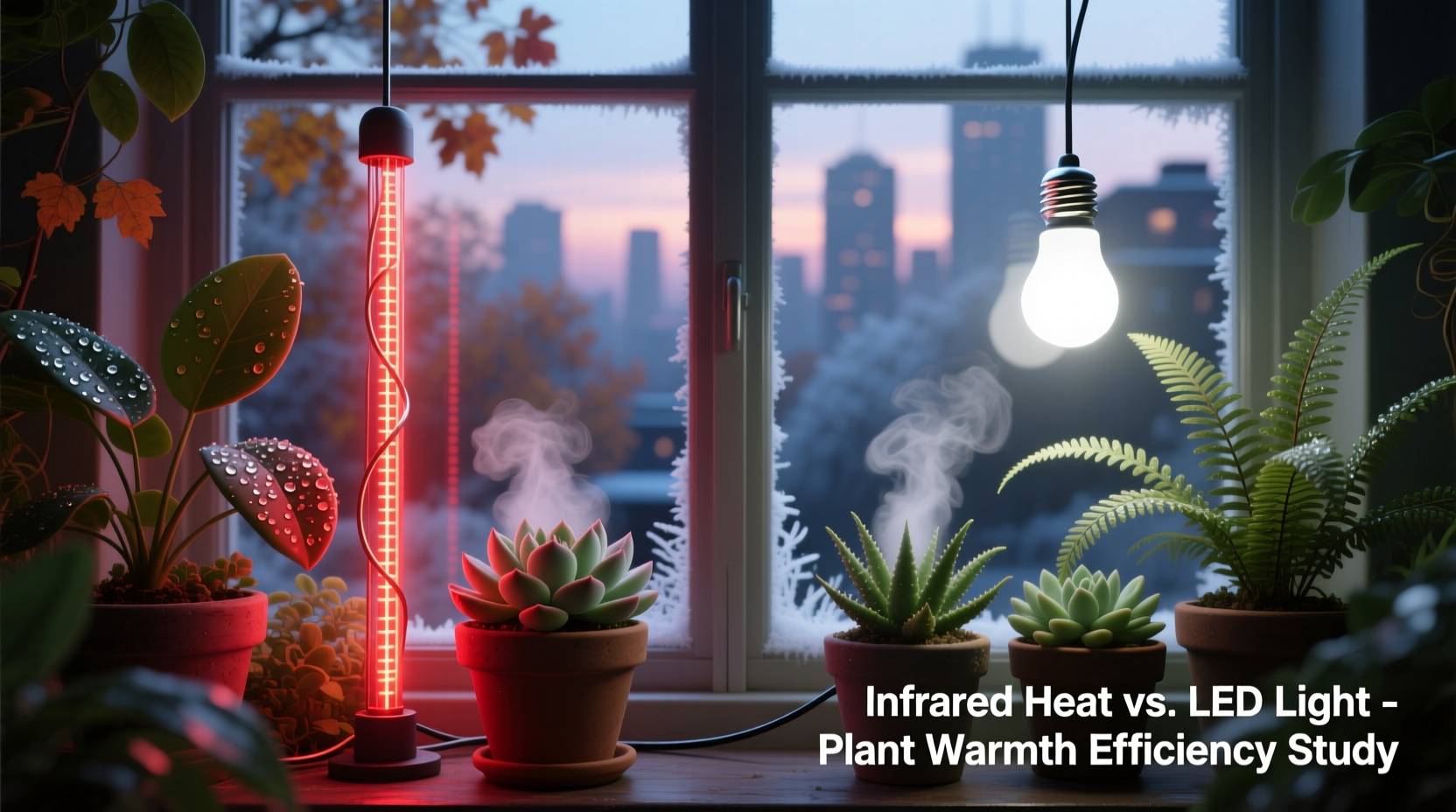
Windows are natural weak points in thermal insulation. Even double-glazed units lose heat faster than walls, creating microclimates that can be several degrees cooler—especially at night. For many houseplants, particularly those native to tropical regions like Monstera deliciosa, Ficus lyrata, or Strelitzia reginae, temperatures below 55°F (13°C) can trigger dormancy, leaf drop, or root damage.
The issue isn’t just air temperature. Radiant heat loss occurs when plant tissues emit infrared energy toward colder surfaces—like glass panes—cooling them down even if the room feels warm. This phenomenon makes localized heating essential for window-placed plants during colder months.
Tip: Monitor actual plant surface temperature with an infrared thermometer—not just room air—to assess true exposure.How Infrared Heating Strands Work for Plant Protection
Infrared (IR) heating strands are flexible cables designed to emit long-wave infrared radiation—similar to the warmth emitted by the sun or human bodies. Unlike conventional heaters that warm the air, IR strands transfer heat directly to objects, including soil, pots, and foliage. This radiant method reduces convective heat loss and creates a stable thermal environment around the plant.
These strands are often used in reptile enclosures, greenhouse propagation beds, and frost protection systems. When installed behind or beneath potted plants near cold windows, they provide targeted warmth without drying out the surrounding air.
Key advantages include:
- Energy-efficient direct heating (no wasted air warming)
- Low surface temperature (typically 85–105°F / 29–40°C), reducing burn risk
- No visible light emission, so they don't disrupt photoperiods
- Can be thermostatically controlled for precision
“Radiant heating mimics natural solar warmth and is far more effective for preventing cold shock in sensitive plants than ambient air heating.” — Dr. Lena Petrov, Horticultural Microclimate Specialist, University of Vermont Extension
Regular Lights as Heat Sources: Pros and Pitfalls
Many gardeners repurpose household lighting—incandescent, halogen, or even high-wattage LEDs—as makeshift heat sources. Incandescent bulbs, in particular, convert about 90% of energy into heat and only 10% into light, making them de facto space heaters. However, using them for plant warmth comes with significant trade-offs.
Halogen lamps produce intense directional heat but run very hot—surface temperatures can exceed 400°F (204°C)—posing fire and scorch risks if placed too close to foliage or curtains. Even standard 60W incandescents raise nearby air temperature moderately but create uneven heating and contribute little to root zone warmth.
LED grow lights, while excellent for photosynthesis, generate minimal heat. Relying on them for warmth is ineffective unless paired with other heating methods.
Common Issues with Light-Based Heating
- Uneven distribution: Heat rises, leaving soil and lower stems cold.
- Light pollution: Continuous illumination disrupts plant circadian rhythms.
- Fire hazard: Overheating near flammable materials like drapes or dried leaves.
- Inefficiency: Warming large air volumes instead of targeting plant tissue.
Direct Comparison: Infrared Strand vs Regular Lights
| Feature | Infrared Heating Strand | Regular Incandescent/Halogen Light |
|---|---|---|
| Primary Output | Radiant heat (invisible IR) | Visible light + convective heat |
| Surface Temp | 85–105°F (safe contact) | 300–450°F (burn/fire risk) |
| Energy Efficiency | High (direct transfer) | Low (heat lost to air) |
| Effect on Photoperiod | None (no light) | Disruptive (constant light) |
| Installation Flexibility | High (can wrap, hide, embed) | Low (requires fixture, shade) |
| Lifespan | 5–7 years (continuous use) | 6–12 months (frequent burnout) |
| Best Use Case | Root zone warming, frost-sensitive plants | Short-term spot heating (not recommended) |
Mini Case Study: Protecting Orchids on a North-Facing Windowsill
Sophie Nguyen, an urban gardener in Minneapolis, struggled each winter with her Phalaenopsis orchids dropping buds and developing yellow leaves. Her apartment’s north-facing kitchen window dropped to 52°F at night despite central heating.
Initially, she tried placing a 60W incandescent bulb nearby on a timer. While air temperature rose slightly, condensation built up on the glass, promoting fungal spots on leaves. The constant glow also seemed to delay flowering.
In the second winter, Sophie installed a 16-inch self-regulating infrared heating strand behind the orchid tray, connected to a plug-in thermostat set to activate below 58°F. Within weeks, bud drop ceased. Soil temperature remained stable, and no additional humidity issues arose. By spring, all three orchids bloomed fully—something not seen in three years.
Her conclusion: “The infrared strand didn’t change the room—it changed the plant’s experience. It felt like giving them a heated blanket instead of blasting a hair dryer.”
Step-by-Step Guide: Installing Infrared Heating for Window Plants
- Assess plant needs: Identify which species are cold-sensitive (e.g., tropicals, succulents).
- Measure the area: Determine length of heating strand needed (usually 12–24 inches per large plant).
- Choose a self-regulating strand: These adjust output based on ambient temperature, reducing fire risk.
- Position safely: Place behind or under the pot—never in direct contact with leaves or soil. Use clips or adhesive mounts.
- Add a thermostat: Connect to a floor or probe thermostat for automatic control between 55–65°F.
- Test and monitor: Run for 24 hours, checking surface temperature and plant response.
- Inspect monthly: Check for fraying, overheating signs, or displacement.
Checklist: Choosing the Right Heating Solution
- ☑️ Is the plant sensitive to cold (<60°F)?
- ☑️ Does the window get colder than the rest of the room?
- ☑️ Am I using lights primarily for growth or warmth?
- ☑️ Can I install a device that emits no light?
- ☑️ Do I have access to a grounded outlet near the window?
- ☑️ Will pets or children touch the heating element?
- ☑️ Am I willing to invest in long-term reliability over short-term fixes?
If you answered “yes” to the first, fourth, and seventh questions, an infrared heating strand is likely your best choice.
Frequently Asked Questions
Can I use Christmas lights to keep my plants warm?
No. Standard string lights—even incandescent ones—emit negligible heat and are not designed for continuous operation. They pose electrical hazards when used near water and offer no meaningful temperature increase.
Do infrared heating strands harm plants?
When used correctly, no. Their low surface temperature and radiant-only output make them safer than any bulb-based system. Avoid burying them in soil or covering with mulch to prevent overheating.
Is it safe to leave infrared strands on overnight?
Yes, especially if using a UL-listed, self-regulating model with a thermostat. These automatically reduce power as temperatures rise, minimizing risk. Always avoid DIY wiring or extension cords.
Expert Insight: The Future of Indoor Plant Climate Control
“We’re moving beyond brute-force heating. The next generation of indoor gardening will rely on precision microclimate management—using sensors, radiant heat, and automation to deliver exactly what plants need, where they need it.” — Dr. Arjun Mehta, Smart Greenhouse Research Lab, Cornell University
This shift underscores why outdated methods like relying on light bulbs for warmth are fading. Modern tools like infrared strands represent a smarter, plant-centric approach—one that prioritizes biological needs over convenience.
Conclusion: Prioritize Safety, Efficiency, and Plant Health
When protecting plants near cold windows, the goal isn’t just to add heat—it’s to do so intelligently. Infrared heating strands outperform regular lights in every critical category: safety, efficiency, consistency, and compatibility with plant physiology. They deliver warmth where it matters most—into the plant and its root zone—without disrupting light cycles or creating fire hazards.
While incandescent bulbs may seem like a quick fix, their drawbacks far outweigh temporary benefits. Investing in a proper infrared solution pays off in healthier plants, lower energy costs, and peace of mind throughout the winter months.
🚀 Ready to protect your plants the smart way? Upgrade from risky light bulbs to targeted infrared heating today—and give your greenery the stable, nurturing environment they deserve.