
Vintage comic books are more than nostalgic relics—they’re tangible pieces of pop culture history that, when well-preserved, can appreciate significantly in value. From Golden Age classics like Action Comics #1 to Silver Age milestones such as Amazing Fantasy #15 (featuring the first Spider-Man), condition is the single most important factor determining a comic’s worth. A poorly stored comic from 1960 might be worth only a few dollars, while an identical issue stored under optimal conditions could command thousands. The difference lies not in rarity alone, but in preservation. Understanding how to store vintage comics correctly isn’t just about protecting memories—it’s about safeguarding potential financial value.
Understanding Comic Book Grading and Its Impact on Value
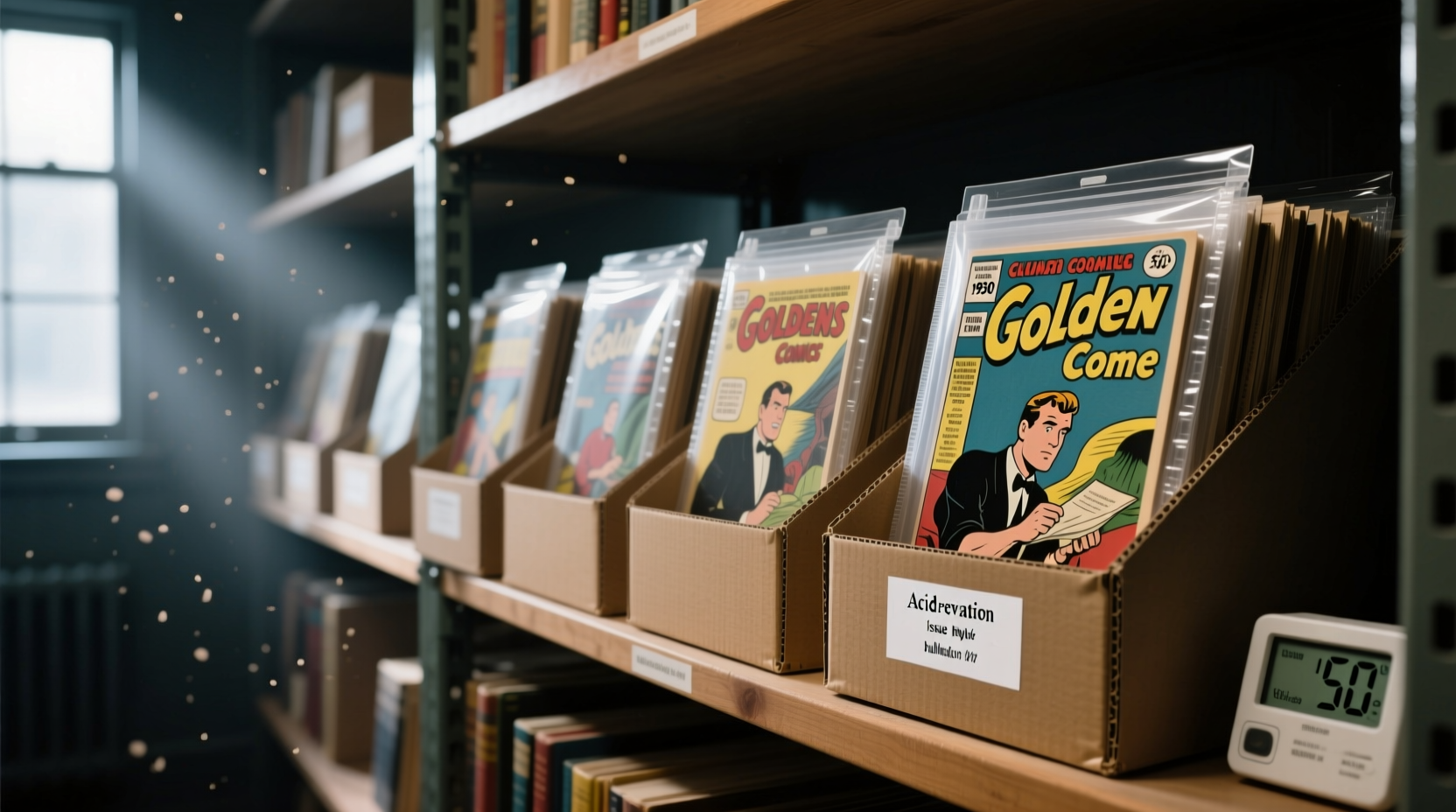
The comic book market relies heavily on a standardized grading system developed by the Certified Guaranty Company (CGC) and other third-party graders. This scale ranges from 0.5 (Poor) to 10.0 (Gem Mint), with even half-point differences dramatically affecting price. For example, a CGC-graded Fantastic Four #1 at 6.0 (Fine) might sell for $4,000, while the same issue at 8.0 (Very Fine+) could fetch over $12,000.
Grades are determined by several factors:
- Cover Wear: Creases, scuffing, and fading.
- Spine Stress: Toning, spine splits, or stress lines.
- Page Quality: Tears, stains, water damage, or writing.
- Centering: How evenly the panels are aligned on the cover.
Because grading is so precise, any deterioration—no matter how minor it seems—can result in a lower score and reduced resale value. This makes proper storage not optional, but essential for collectors aiming to maintain or increase their investment.
“Preservation begins the moment you acquire a comic. Every fold, exposure to light, or fluctuation in humidity chips away at its long-term value.” — Michael Holt, Senior Grader at CGC
Essential Storage Materials: What You Need and Why
Not all storage supplies are created equal. Using the wrong materials can accelerate aging or introduce contaminants. To protect vintage comics, three primary components are required: archival-quality bags, rigid backing boards, and durable storage boxes.
1. Mylar Bags (Polyethylene or Polypropylene)
These clear, acid-free sleeves provide a protective barrier against dust, oils, and moisture. Unlike cheaper poly bags, Mylar does not off-gas harmful chemicals and resists static buildup, which can attract debris. Look for “archival-safe” labels and avoid PVC-containing products, which degrade over time and can stain pages.
2. Backing Boards
Rigid cardboard or plastic inserts prevent bending and creasing. Standard size is 7.5\" x 10.5\" for most American comics. Use one per comic, placed behind the book inside the bag. Avoid using multiple comics per board, as friction during insertion/removal can cause surface wear.
Tip: Never use tape, glue, or staples on vintage comics—even if they seem loose. These cause permanent damage and immediate devaluation.3. Long-Box Storage Containers
Choose deep, flat containers made from corrugated plastic or acid-free cardboard. Metal or wooden boxes may rust or emit volatile organic compounds (VOCs). Opt for models with lids to keep out dust and pests. Store vertically (like books on a shelf) only if using dividers; otherwise, lay comics flat to prevent spine stress.
Optimal Environmental Conditions for Long-Term Storage
Even the best materials won’t compensate for poor environmental control. Temperature, humidity, and light exposure are critical variables that must be managed consistently.
| Factor | Ideal Range | Dangers of Deviation |
|---|---|---|
| Temperature | 60–70°F (15–21°C) | Heat accelerates chemical breakdown; cold causes brittleness |
| Relative Humidity | 40–50% | High humidity promotes mold; low humidity leads to cracking |
| Light Exposure | Minimal to none | UV rays cause fading and paper degradation |
| Air Quality | Clean, stable | Pollutants and ozone darken pages over time |
Avoid attics, basements, garages, and closets near exterior walls—these areas experience wide temperature swings and moisture fluctuations. Instead, choose an interior room on the main floor, such as a bedroom closet or home office, where climate remains relatively stable year-round.
If you live in a humid region, consider using a small dehumidifier or silica gel packs inside sealed storage containers. In dry climates, avoid placing comics near heating vents or radiators, which strip moisture from paper fibers.
Step-by-Step Guide to Preparing and Storing Your Comics
Follow this sequence to ensure each comic is protected before long-term storage:
- Inspect Each Comic: Check for existing damage, stains, or odors. Note any issues for future reference or professional restoration consideration.
- Clean Hands Only: Wash and dry your hands thoroughly before handling. Consider wearing cotton gloves to prevent oil transfer.
- Insert Backing Board: Slide a clean, archival board into the back of the comic to support the spine and prevent folds.
- Place in Mylar Bag: Gently insert the comic (with board) into a new, archival-safe bag. Avoid overfilling bags, which can create pressure points.
- Label Externally (Optional): Use a soft label on the bag’s edge—never write directly on the comic or bag surface.
- Store Flat or Vertically: Place comics flat in long boxes with minimal stacking height (no more than 12 inches). If storing vertically, use foam dividers to prevent leaning.
- Keep Away from Light: Close box lids and store in dark areas. Avoid display shelves unless UV-filtering glass is used.
- Monitor Quarterly: Recheck humidity levels and inspect for signs of pests, mold, or bag degradation every 3–4 months.
Common Mistakes That Damage Vintage Comics
Many collectors unknowingly compromise their comics through everyday habits. Here are frequent errors and how to avoid them:
- Storing in Original Plastic Bags: Most vintage comics came in thin, non-archival sleeves that yellow and become brittle. Replace them immediately.
- Using Rubber Bands or Tape: These leave residue, tear paper, and accelerate aging. Never bind comics with adhesives.
- Displaying in Sunlight: Even brief exposure to direct sunlight can fade colors permanently within hours.
- Stacking Without Support: Piling comics without backing boards causes spine distortion and corner dings.
- Ignoring Pest Risks: Silverfish and booklice feed on paper and glue. Keep storage areas clean and monitor for infestations.
“Over 60% of the comics we grade show preventable damage from improper storage. The right materials and environment make all the difference.” — Sarah Nguyen, Conservation Specialist at PGX
Real Example: From Attic Find to Six-Figure Sale
In 2021, a collector in Ohio discovered a box of 1950s and 1960s comics in his late grandfather’s attic. Among them was a copy of Journey Into Mystery #83 (first appearance of Thor), stored haphazardly in a cardboard box with no protection. Two-thirds of the collection showed water staining, insect damage, or severe toning due to heat and humidity exposure.
However, one comic—a 1962 issue of The Amazing Spider-Man #1—had been wrapped in wax paper and placed inside a metal cookie tin. Though not ideal, the tin provided partial moisture and light resistance. After professional cleaning and pressing, the comic received a CGC grade of 7.5 (Very Fine+). It sold at auction for $92,000—nearly double the price of comparable copies in lower grades.
This case illustrates two truths: environmental protection matters more than perceived rarity, and even modest precautions can yield extraordinary returns.
Checklist: Proper Vintage Comic Storage Routine
Use this checklist to ensure your collection remains in peak condition:
- ✅ All comics stored in archival Mylar bags
- ✅ Each comic has a rigid backing board
- ✅ Stored in acid-free or plastic long boxes with lids
- ✅ Environment maintained between 60–70°F and 40–50% humidity
- ✅ No exposure to direct sunlight or artificial UV sources
- ✅ Boxes stored off the floor and away from exterior walls
- ✅ Quarterly inspections conducted for pests, mold, or damage
- ✅ Handling done with clean hands or cotton gloves only
Frequently Asked Questions
Can I store graded comics (CGC/PGX) the same way?
Yes, but differently. Slabbed comics should remain in their original holders. Store them upright in sturdy boxes with foam padding to prevent jostling. Avoid extreme temperatures, as thermal expansion can crack the plastic casing.
Is it safe to open a Mylar bag once sealed?
You can open and reseal a Mylar bag carefully, but each handling increases risk of fingerprints or tears. Only do so if necessary—for example, to upgrade a backing board or prepare for grading. Always work on a clean, flat surface.
Should I restore damaged comics myself?
No. Amateur restoration often reduces value. Techniques like tape repairs, washing, or pressing are detectable and disqualify comics from top-tier grading. Consult a professional conservator instead.
Final Thoughts: Preservation Is Part of Collecting
Collecting vintage comic books is not just about acquisition—it’s about stewardship. Every decision you make, from the type of bag you use to the corner of the house where you place your long box, shapes the legacy of these cultural artifacts. Whether your goal is sentimental enjoyment or financial return, proper storage is the foundation of both. With consistent care, attention to detail, and respect for the materials, your comics can remain vibrant and valuable for decades. Don’t wait until damage occurs to act. Start implementing these practices today, and treat each comic not just as a collectible, but as a piece of history worth preserving.
💬 Have a vintage comic storage success story or tip? Share your experience in the comments and help fellow collectors protect their treasures.