If your heater repeatedly shuts down shortly after starting, you're not just dealing with discomfort—you may be facing a growing safety or efficiency issue. Frequent cycling or unexpected shutdowns can stem from mechanical faults, poor maintenance, or environmental factors. Understanding the root causes helps prevent costly repairs, energy waste, and potential hazards like carbon monoxide leaks or fire risks.
This guide dives into the most common reasons your heater might be cutting out, backed by HVAC technician insights, real-world examples, and practical steps you can take—whether you’re a DIYer or preparing to call a professional.
Common Reasons Your Heater Keeps Turning Off
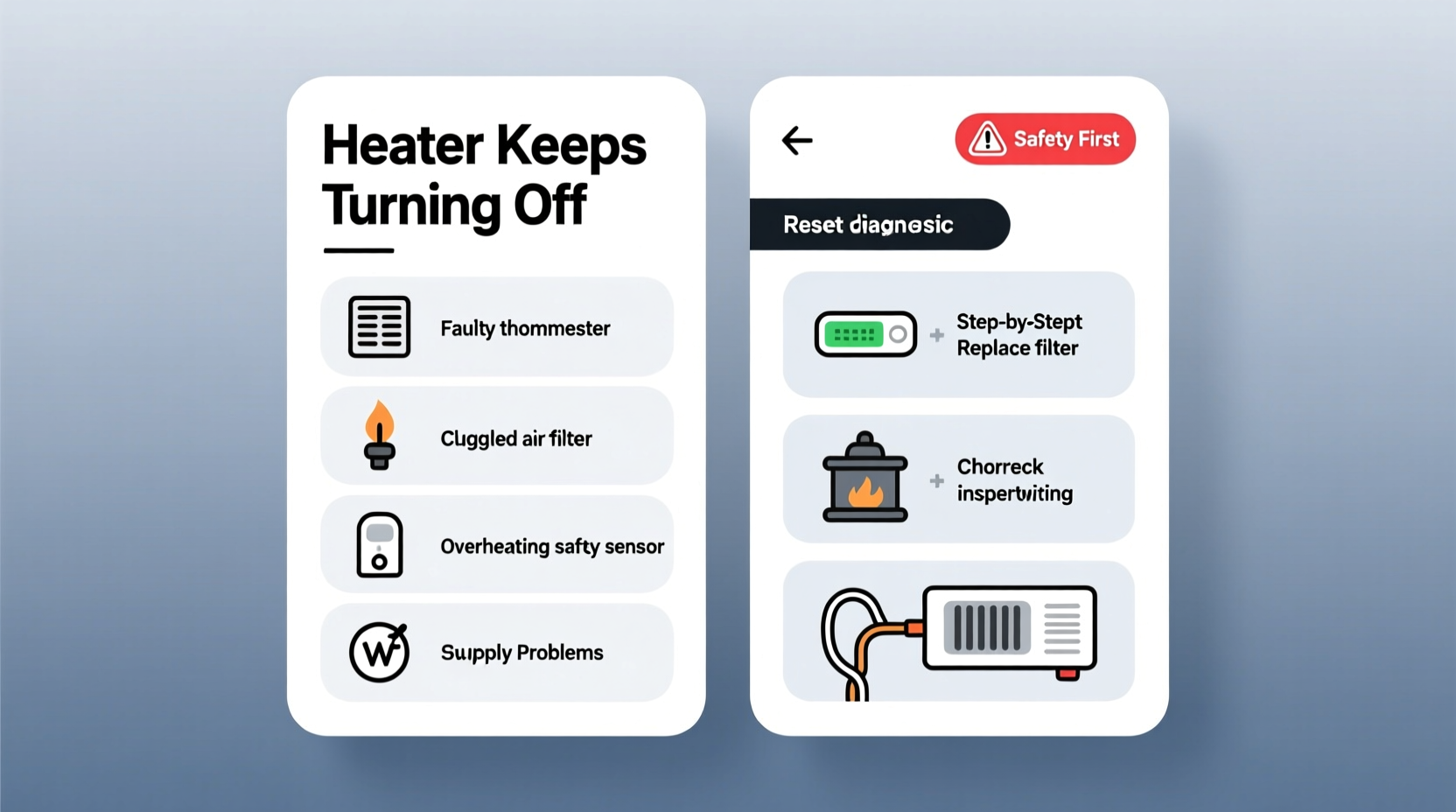
A heater that cycles on and off too frequently—known as short cycling—is more than an annoyance. It reduces efficiency, increases wear, and can indicate serious underlying problems. Below are the top five culprits:
- Dirty or clogged air filter: Restricted airflow causes the heat exchanger to overheat, triggering a safety shutdown.
- Faulty thermostat: A misreading thermostat may signal the heater to stop even when the room is cold.
- Overheating due to blocked vents or dirty blower motor: When internal components can’t dissipate heat, the high-limit switch activates and cuts power.
- Ignition or flame sensor issues: A dirty or misaligned sensor fails to detect a flame, causing the system to shut down gas flow as a safety measure.
- Shorted limit switch or failing control board: Electrical malfunctions in critical safety components can interrupt operation unpredictably.
Step-by-Step Troubleshooting Guide
Before calling a technician, perform these checks to diagnose and possibly resolve the issue yourself. Always turn off power at the breaker before inspecting internal components.
- Check the air filter: Remove and inspect. If it’s gray or clogged with dust, replace it immediately.
- Verify thermostat settings: Ensure it’s set to “Heat” and the temperature is higher than the current room reading. Try raising it by 5°F to test response.
- Inspect return and supply vents: Make sure furniture, rugs, or curtains aren’t blocking airflow. Clean vent covers if dusty.
- Listen for ignition sounds: When the heater starts, do you hear clicking and then a brief whoosh (ignition)? Silence or repeated clicking without ignition suggests a pilot or sensor problem.
- Look at the error code (if applicable): Modern furnaces flash LED codes. Consult your manual; for example, three flashes often means “flame sense failure.”
- Check the condensate drain (for high-efficiency models): A clogged drain line triggers a float switch that shuts the system down.
Do’s and Don’ts When Handling Heater Shutdowns
| Action | Do | Don't |
|---|---|---|
| Filter Maintenance | Replace every 90 days or sooner in dusty homes or with pets | Wait until it’s visibly dirty—restriction builds gradually |
| Thermostat Testing | Swap batteries or test with a multimeter for voltage output | Assume it’s working just because the display is on |
| Cleaning Components | Use a soft brush on the flame sensor rod (after disconnecting power) | Touch electrical parts with wet hands or use abrasive cleaners |
| Calling for Help | Contact a licensed HVAC tech if you smell gas, see soot, or hear banging | Ignore recurring shutdowns—even if it “starts again later” |
Real-World Case: The Overheating Furnace in a Denver Home
In winter 2023, a homeowner in Denver reported their gas furnace shutting down every 8–10 minutes. The house cooled rapidly, but resetting the unit temporarily restored heat. An HVAC technician arrived and found:
- The air filter hadn’t been changed in over six months.
- Furniture had been rearranged, partially blocking two main floor vents.
- The blower compartment was coated in dust, reducing cooling efficiency.
After replacing the filter, clearing obstructions, and cleaning the blower wheel, the furnace ran continuously for 25 minutes during a test cycle—no shutdown. The technician emphasized that while none of the issues were catastrophic alone, their combination created a perfect storm for overheating.
“Most furnace failures we see are preventable. A clean filter and clear airflow can eliminate 60% of service calls.” — Mark Tran, Master HVAC Technician, Colorado Climate Systems
Troubleshooting Checklist: Quick Actions You Can Take Today
DIY Heater Shutdown Checklist- ✅ Replace or clean the air filter
- ✅ Clear all supply and return vents
- ✅ Check thermostat battery and calibration
- ✅ Inspect flame sensor (if accessible) for soot buildup
- ✅ Empty condensate drain trap (for high-efficiency units)
- ✅ Reset the furnace via the power switch or breaker (only after checking for obvious issues)
- ✅ Listen for unusual sounds: rattling, banging, or squealing
- ✅ Smell for gas or burning odors—evacuate and call emergency services if detected
When to Call a Professional
Some issues require specialized tools and training. Contact a certified HVAC technician if you experience any of the following:
- The furnace ignites but shuts off within a minute (possible flame rollout or sensor fault).
- You notice soot around the burner chamber or vent pipe—a sign of incomplete combustion.
- The pressure relief valve is leaking or the exhaust smells musty or sharp.
- Error codes persist after basic resets and cleaning.
- Your heater is over 15 years old and has frequent issues—replacement may be more cost-effective.
Technicians can test gas pressure, inspect heat exchangers for cracks (a major CO risk), and recalibrate safety controls. Annual professional maintenance is recommended to catch small problems before they escalate.
Frequently Asked Questions
Why does my heater turn off after a few minutes?
This is typically due to overheating caused by poor airflow (dirty filter, blocked vents) or a malfunctioning limit switch. The safety system stops the burner to prevent damage or fire.
Can a dirty flame sensor cause my furnace to shut down?
Yes. The flame sensor ensures the gas burner is lit. If it’s coated in carbon or misaligned, it won’t detect the flame and will shut off the gas supply within seconds of ignition.
Is short cycling dangerous?
It can be. Beyond increased wear and energy costs, persistent short cycling may indicate a cracked heat exchanger, which could leak carbon monoxide into your home. Immediate inspection is advised.
Conclusion: Act Now to Restore Heat and Safety
A heater that keeps turning off isn’t just inconvenient—it’s a warning sign. From simple fixes like changing a filter to recognizing red flags like gas odors or error codes, proactive attention can protect your home and health. Start with the basics: ensure clean filters, open vents, and functional thermostats. If problems persist, don’t delay professional help.
💬 Have a heater issue you resolved yourself? Share your story in the comments to help others troubleshoot smarter and stay warm this season.