
Receiving a gift can be a joyful experience—whether it’s cash from a relative, a car from a parent, or a surprise check on your birthday. But when tax season rolls around, many people wonder: does the IRS consider gifts as taxable income? The answer isn’t always straightforward, but understanding the rules can help you avoid surprises and unnecessary filings. This guide breaks down how gift taxation works in the U.S., who pays taxes (if anyone), and what exceptions apply.
How the IRS Treats Gifts: Basic Rules
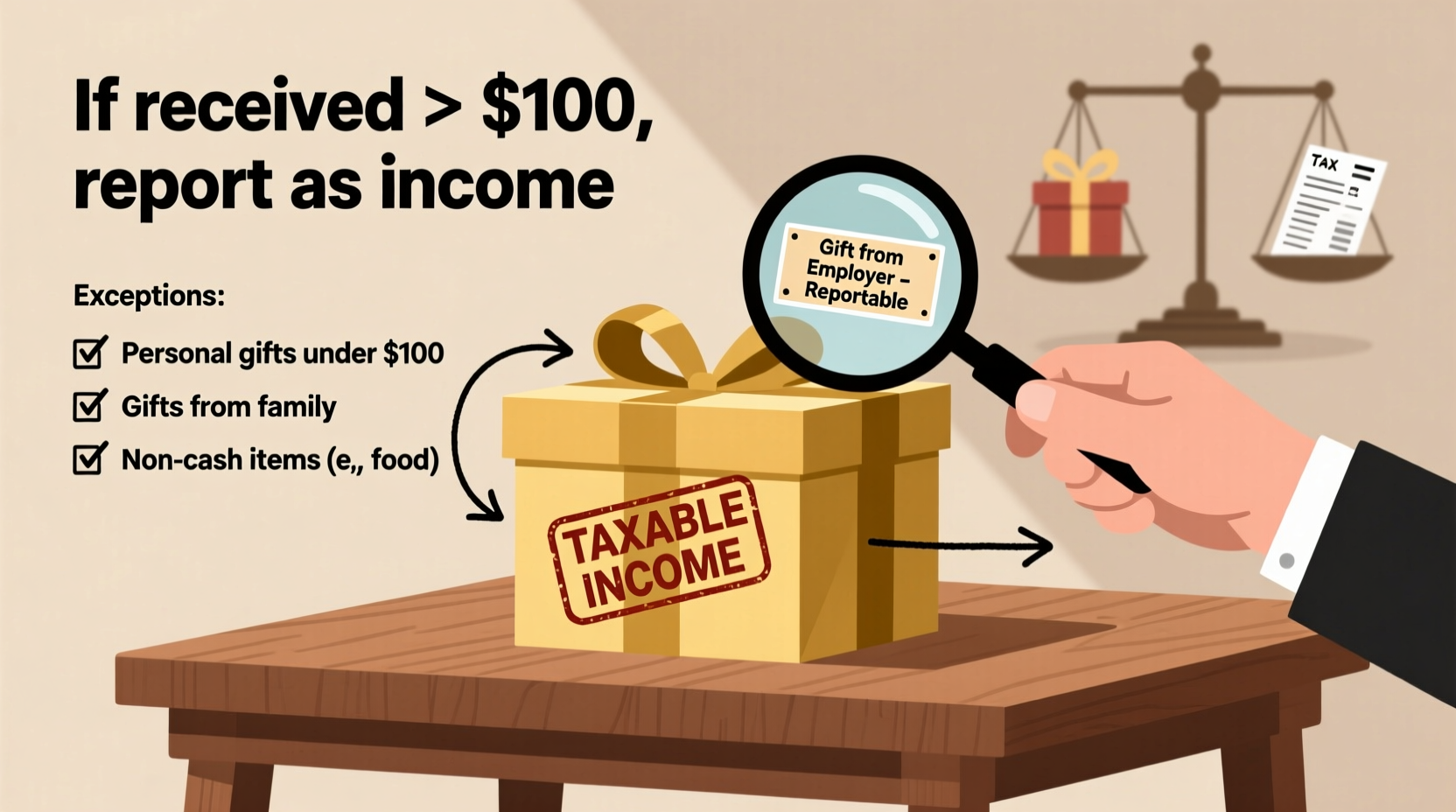
The Internal Revenue Service (IRS) generally does not treat gifts received by individuals as taxable income. That means if your aunt gives you $5,000 for graduation, you do not need to report that amount on your federal income tax return. The recipient of a gift never owes income tax on the value received under current U.S. tax law.
Instead, the responsibility—if any—falls on the giver. The IRS imposes a federal gift tax on transfers made during a person’s lifetime when something of value is given without receiving full value in return. However, most people never actually pay this tax due to high exemption thresholds and annual exclusions.
“Gifts are typically non-taxable to the recipient. The focus is on the donor’s lifetime transfer of wealth, not the beneficiary’s income.” — Sarah Lin, CPA and Tax Advisor
Annual Gift Tax Exclusion and Lifetime Exemption
Each year, the IRS allows individuals to give up to a certain amount per recipient without triggering any gift tax or reporting requirements. For 2024, this annual exclusion is $18,000 per person, per recipient. If you're married, you and your spouse can together give $36,000 to the same person without filing a gift tax return.
If a gift exceeds the annual exclusion, the giver may need to file IRS Form 709 (United States Gift (and Generation-Skipping Transfer) Tax Return). However, even then, no tax is due unless the giver has already used up their lifetime gift and estate tax exemption.
As of 2024, the lifetime exemption is $13.61 million per individual ($27.22 million for married couples). This means you could give away millions over your lifetime before ever paying a dime in gift tax.
Tip: Splitting large gifts across multiple years or using joint giving with a spouse can help stay under the annual exclusion limit and avoid filing requirements.Common Scenarios: When Gifts Are and Aren’t Taxable
Not all “gifts” are treated equally. Some transfers fall outside the typical gift tax rules. Below is a summary of common situations and how they’re handled.
| Scenario | Taxable to Recipient? | Reporting Required? | Notes |
|---|---|---|---|
| $10,000 cash from a grandparent | No | No | Under annual exclusion; no action needed. |
| $25,000 car from a parent | No | Yes (by giver) | Giver must file Form 709; uses part of lifetime exemption. |
| Wedding gift of $20,000 | No | Yes (by giver) | Exceeds 2024 annual exclusion; reportable but likely no tax due. |
| Employer bonus disguised as a \"gift\" | Yes | Yes | Considered compensation; fully taxable as income. |
| Spousal gift (U.S. citizen) | No | No | Unlimited marital deduction applies. |
| Medical bill paid directly by a relative | No | No | Payments for medical expenses don’t count toward gift limits. |
Real Example: Navigating a Large Family Gift
Linda, a retired teacher, wanted to help her son Mark buy a home. In 2024, she transferred $75,000 to him as a down payment gift. Because this exceeded the $18,000 annual exclusion, Linda was required to file Form 709 with the IRS. However, since she hadn’t previously used any of her lifetime exemption, no gift tax was due. Mark, as the recipient, did not report the money on his tax return and faced no tax liability.
This scenario illustrates how large gifts can be made without immediate tax consequences, provided the giver complies with reporting rules and remains under the lifetime threshold.
Special Exceptions and Non-Taxable Transfers
Certain types of financial support are excluded from gift tax rules entirely, even if they exceed the annual limit. These include:
- Direct payments for tuition: If you pay a school directly for someone’s tuition, it’s not considered a taxable gift.
- Direct payments for medical expenses: Paying a hospital or doctor directly for another person’s care is exempt.
- Spousal gifts: Unlimited gifts between U.S. citizen spouses are allowed without tax or reporting.
- Political contributions and charitable donations: These fall under different tax categories and are not subject to gift tax.
These exclusions can be powerful tools for estate planning. For example, grandparents can pay college tuition for grandchildren without using any of their gift exemption or triggering reporting obligations.
Step-by-Step: What to Do If You Receive a Major Gift
- Determine the value: Assess the fair market value of the gift (e.g., cash, vehicle, property).
- Check if it exceeds the annual exclusion: Compare to the current year’s limit ($18,000 in 2024).
- Confirm who is responsible: As the recipient, you likely owe nothing. The giver may need to act.
- Keep documentation: Save records such as bank statements, gift letters, or deeds. Useful if the IRS questions the transaction later.
- Consult a tax professional if needed: Especially for real estate, business interests, or international gifts.
Frequently Asked Questions
Do I have to report a gift I received on my tax return?
No. The IRS does not require recipients to report gifts, regardless of size. You never include gift value as income on your Form 1040.
What happens if the giver didn’t file Form 709?
The responsibility lies with the giver, not you. However, poor recordkeeping could complicate future estate tax calculations. Keeping your own documentation protects you.
Are gifts from foreign relatives taxable?
Generally not as income, but special rules apply. If you receive more than $100,000 from a nonresident alien or foreign estate, you must file Form 3520. While not a tax form, it’s an informational return required by the IRS.
Key Checklist for Givers and Receivers
- ✅ Confirm the gift value is accurate and documented.
- ✅ Determine if the gift exceeds the annual exclusion ($18,000 in 2024).
- ✅ Ensure the giver files Form 709 if required.
- ✅ Use direct payments for tuition or medical bills to bypass limits.
- ✅ Keep a written gift letter for large transfers.
- ✅ Consult a CPA or estate attorney for gifts involving property or trusts.
Final Thoughts and Next Steps
While receiving a gift is almost always a welcome event, clarity about tax implications brings peace of mind. The good news is that for most people, gifts—no matter how generous—are not taxable income. The system is designed to allow families to share wealth without burdening the recipient.
That said, givers should remain aware of reporting duties, especially when transferring large sums or assets. With smart planning, you can make meaningful gifts while staying compliant with IRS rules.
💬 Have you received a significant gift and wondered about the tax impact? Share your experience or ask questions in the comments—let’s help others navigate gift taxes with confidence.