In an era where smartphones are both essential tools and expensive investments, protecting them from drops, slips, and sudden impacts has become a top priority. Accessories like flower phone straps and phone wristlets have surged in popularity—not just for their aesthetic appeal but for their promise of added security. While one dangles with charm and floral flair, the other wraps around the wrist with practical intent, but which actually delivers superior protection? The answer isn't as simple as it seems.
At first glance, the flower phone strap might appear more decorative than functional—its soft petals and pastel hues often chosen to match outfits or express personality. Meanwhile, the phone wristlet, typically made of durable materials like silicone, nylon, or leather, is marketed as a safety-first solution. But does sturdiness translate into real-world protection? Let’s dissect the design, function, and user experience behind each to determine whether a wristlet truly outperforms its floral counterpart when it comes to safeguarding your device.
Design and Functionality: What Sets Them Apart?
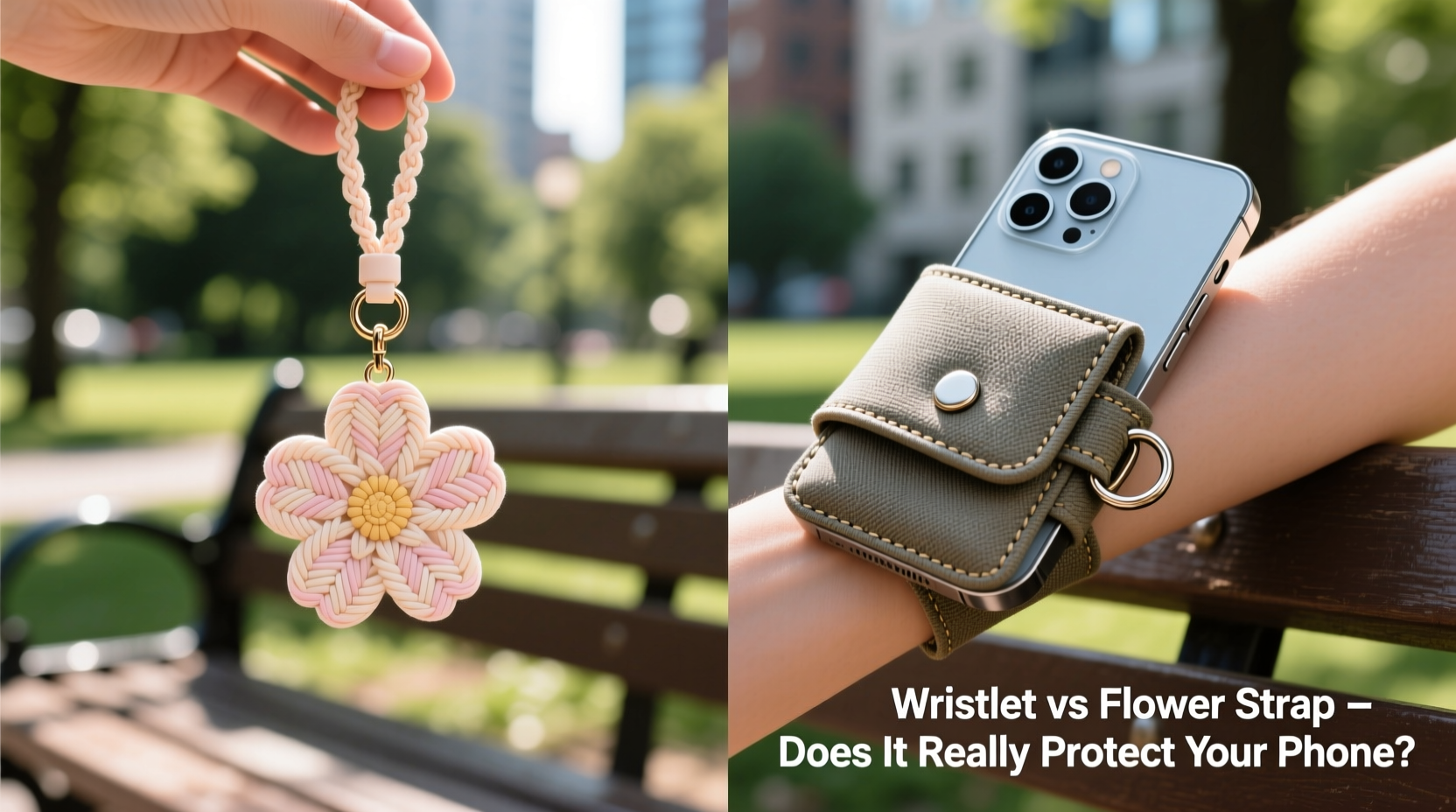
The fundamental difference between a flower phone strap and a phone wristlet lies in their structure and intended use. A flower phone strap usually consists of a lightweight chain, ribbon, or elastic cord attached to a decorative floral element, secured via a ring holder or adhesive mount on the back of the phone or case. It's designed to be worn around the fingers or draped over the hand, offering minimal physical restraint.
In contrast, a phone wristlet features a broader, padded or reinforced band that wraps securely around the user’s wrist. Most attach directly to the phone case using a clip, loop, or built-in slot, ensuring the phone stays tethered during movement. This design prioritizes grip stability and fall prevention, especially during high-motion activities like walking, commuting, or taking photos.
While both accessories prevent total loss by keeping the phone physically connected to the user, the wristlet’s structural advantage becomes apparent in dynamic environments. A flower strap may keep your phone from flying across the room if dropped from chest height, but it won’t stop a full swing impact when slipping from a moving hand. The wristlet, with its snug fit and wider surface area, distributes force more evenly and reduces the likelihood of accidental release.
Tip: Always ensure your phone strap or wristlet is securely fastened to a reinforced case—not directly to the phone—to avoid damage to ports or internal components.Protection Performance: Real-World Scenarios
To assess actual protection levels, consider how each accessory performs under common risk conditions:
- Dropping from waist height: A flower strap may slow descent but can allow the phone to swing and hit surfaces at an angle, increasing screen or corner impact risk. A wristlet absorbs some momentum and keeps the phone closer to the body, reducing fall distance and impact severity.
- Slipping during use: When typing or taking selfies, phones often tilt forward. Flower straps offer little resistance once the phone begins to pivot. Wristlets lock the device to the wrist, making complete detachment nearly impossible.
- Sudden movements (e.g., running, boarding transit): In motion, loose-hanging straps can tangle or bounce, creating distraction and instability. Wristlets remain stable, minimizing sway and enhancing control.
“From a biomechanical standpoint, wrist-based retention systems reduce drop probability by up to 70% compared to finger-loop or dangling designs.” — Dr. Alan Zhou, Ergonomics Researcher at MIT Human Factors Lab
Comparison Table: Key Features at a Glance
| Feature | Flower Phone Strap | Phone Wristlet |
|---|---|---|
| Attachment Method | Ring holder, adhesive, or case loop | Clip-on, slide-in, or integrated case design |
| Material Durability | Low to moderate (fabric, plastic, soft metals) | High (silicone, neoprene, ballistic nylon) |
| Fall Prevention | Limited; allows swinging impact | Strong; restricts movement radius |
| Comfort During Extended Use | High (lightweight, decorative) | Moderate to high (may feel bulky) |
| Aesthetic Appeal | Very high (trendy, customizable) | Moderate (functional focus) |
| Risk of Tangling | High (long chains or ribbons) | Low (short, secure band) |
| Best For | Styling, light indoor use | Active lifestyles, outdoor use |
When Style Meets Safety: Hybrid Solutions
The growing demand for both fashion and function has led to innovative hybrid designs. Some brands now offer flower-themed wristlets—featuring soft floral prints or embedded botanical motifs within a structured wristband. These merge aesthetic appeal with reliable retention, proving that protection doesn’t require sacrificing personal style.
For example, a silicone wristlet with a pressed 3D rose design or a braided band accented with faux cherry blossoms maintains durability while appealing to fashion-conscious users. These hybrids often include anti-slip textures and reinforced stitching, addressing the core weaknesses of traditional flower straps without compromising visual charm.
Additionally, modular systems allow users to swap attachments—using a decorative flower strap for evenings out and switching to a sport-style wristlet for workouts or travel. This flexibility empowers consumers to adapt their protection level based on context rather than settling for one-size-fits-all solutions.
Tip: Look for wristlets with quick-release mechanisms so you can detach your phone safely when needed—like placing it on a restaurant table or passing through airport security.Mini Case Study: Commuter vs. Content Creator
Scenario 1 – The Daily Commuter: Maria takes the subway every weekday, often juggling coffee, a tote bag, and her phone. She initially used a flower phone strap because she loved the lavender design. However, twice in one month, her phone slipped and swung into the metal pole beside her seat, cracking the screen. After switching to a cushioned navy-blue wristlet, she reported zero incidents over the next six months—even during rush-hour crowding.
Scenario 2 – The Social Media Influencer: Jordan films lifestyle content daily and values aesthetics. He uses a clear case with interchangeable straps, rotating between a daisy-chain flower strap for styled shots and a transparent silicone wristlet for action sequences. By matching the accessory to the shooting environment, he maintains visual consistency while minimizing risk during dynamic scenes.
These examples illustrate that the best choice depends not just on the product, but on how it aligns with usage patterns. Protection isn’t solely about hardware—it’s about context-aware decisions.
Step-by-Step Guide: Choosing the Right Phone Tether for Your Lifestyle
- Assess your daily routine: Do you walk frequently, ride bikes, or navigate crowded spaces? High-mobility lifestyles benefit more from wristlets.
- Evaluate your grip habits: If you often hold your phone one-handed or while multitasking, a wristlet provides essential backup security.
- Consider your case compatibility: Ensure your chosen accessory integrates well—some wristlets require specific case types or thicknesses.
- Test for comfort: Wear the strap or wristlet for 15–30 minutes to check for chafing, weight imbalance, or interference with buttons.
- Prioritize break strength: Check product specs for load tolerance. A good wristlet should withstand at least 10–15 lbs of force.
- Plan for versatility: Invest in multiple options if your needs vary—elegant for brunch, rugged for hiking.
FAQ
Can a flower phone strap prevent screen cracks?
Not reliably. While it prevents total drops, the swinging motion can still cause the phone to strike hard surfaces at damaging angles. It offers limited shock absorption and is best suited for low-risk environments.
Are phone wristlets compatible with wireless charging?
Most are, especially those that attach via a side clip or loop rather than covering the back. Always verify clearance before purchasing, particularly with thicker wristlet bands.
Do wristlets interfere with phone grips or pop sockets?
They can, depending on placement. If using both, opt for a wristlet that attaches to the case’s edge rather than the center back to avoid overlap.
Final Verdict: Does a Wristlet Offer Better Protection?
Yes—unequivocally, when protection is the primary goal. A phone wristlet significantly reduces the risk of drops, minimizes impact force, and provides consistent security during active use. Its design is rooted in ergonomics and accident prevention, making it the superior choice for anyone who values their device’s longevity.
That said, the flower phone strap holds undeniable value in the realm of self-expression and casual utility. For users in controlled environments—working from home, attending quiet events, or using their phone minimally—it remains a charming and functional option.
The smartest approach isn’t choosing one over the other permanently, but understanding when each excels. Treat your phone tether like any other tool: match its function to your activity. Whether you’re chasing efficiency or curating cuteness, the right accessory puts both safety and style within reach.
🚀 Ready to upgrade your phone’s defense? Evaluate your daily habits today and choose a tether that matches your life—not just your outfit. Share your go-to phone strap setup in the comments below!