
Many homeowners enjoy spending time in their yards, tending gardens, playing with children, or simply relaxing in nature’s embrace. But beneath the beauty of green foliage and blooming flowers may lurk hidden dangers: poisonous plants. Some of these species cause mild skin irritation, while others can lead to severe allergic reactions, blistering rashes, or even respiratory distress if ingested. The first line of defense is knowledge. Recognizing which plants are harmful—and understanding how they affect humans and pets—is essential for maintaining a safe outdoor environment.
This comprehensive guide equips you with practical tools to identify common toxic plants in residential landscapes, understand their risks, and take preventive measures. Whether you're a new homeowner, parent, gardener, or pet owner, awareness can prevent painful encounters and ensure your backyard remains a sanctuary, not a hazard zone.
Common Poisonous Plants Found in Backyards
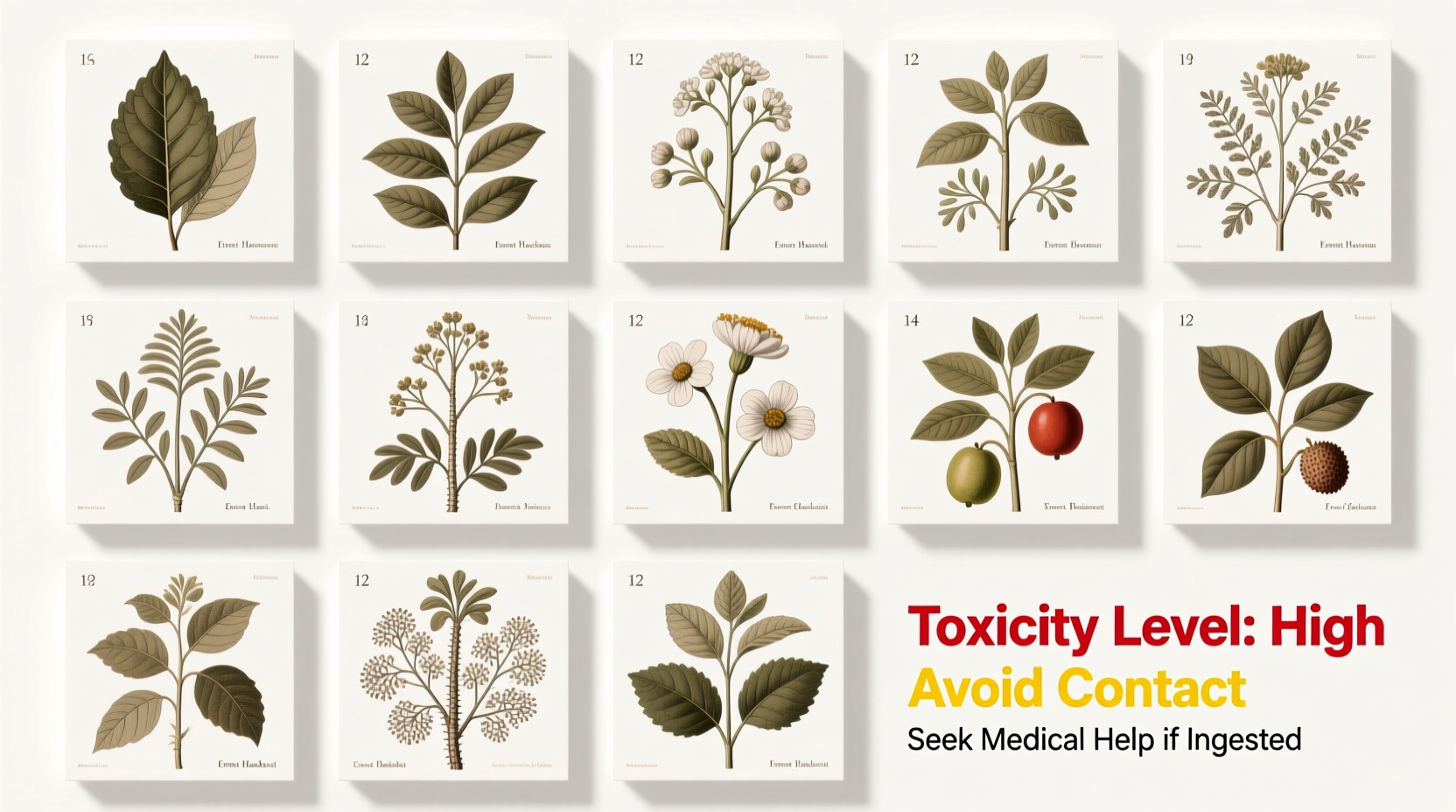
Poisonous plants often thrive in disturbed soils, shaded areas, and along fence lines—places commonly found in home yards. Below are some of the most frequently encountered toxic species across North America and similar temperate climates.
- Poison Ivy (Toxicodendron radicans): Known for causing itchy, blistering rashes, this plant grows as a vine or low shrub. It features three almond-shaped leaflets (\"leaves of three, let it be\") and changes color with the seasons—from reddish in spring to green in summer and bright red or orange in fall.
- Poison Oak (Toxicodendron diversilobum): Similar in appearance to poison ivy but more common on the West Coast. Its leaves resemble oak foliage and also grow in clusters of three. It can appear as a shrub or climbing vine.
- Poison Sumac (Toxicodendron vernix): A tall shrub or small tree typically found in wet, swampy areas. It has smooth-edged, elongated leaves arranged in pairs with a single terminal leaflet. Reddish stems and white or gray berries distinguish it from harmless sumacs.
- Giant Hogweed (Heracleum mantegazzianum): A towering plant reaching up to 15 feet tall, with large umbrella-like flower clusters. Its sap contains phototoxic chemicals that, when exposed to sunlight, cause severe burns and long-term skin sensitivity.
- English Ivy (Hedera helix): Often used as ground cover, this invasive vine has waxy, lobed leaves. While mildly toxic, its berries and leaves can cause vomiting, diarrhea, and neurological symptoms if ingested.
- Trumpet Vine (Campsis radicans): Grown for its showy orange-red flowers, this aggressive climber produces seeds and sap that may trigger dermatitis in sensitive individuals.
- Mile-a-Minute Weed (Persicaria perfoliata): Though less known, this fast-growing vine has barbed stems and triangular leaves. It's not directly toxic but can harbor ticks and displace native vegetation, increasing indirect health risks.
How Toxic Plants Affect Humans and Pets
The primary danger from poisonous plants comes from urushiol oil, present in poison ivy, oak, and sumac. This oily resin binds quickly to skin, clothing, and tools, triggering an allergic reaction in up to 85% of the population. Symptoms typically appear 12–72 hours after exposure and include redness, swelling, intense itching, and fluid-filled blisters.
Urushiol is not volatile, meaning it doesn’t evaporate easily and can remain active on surfaces for months. Indirect exposure—such as touching a pet’s fur, gardening tools, or clothes—can still result in a rash.
Other toxic mechanisms include:
- Phototoxicity: Giant hogweed and wild parsnip release compounds that react with UV light, leading to phytophotodermatitis—a condition causing painful blisters, hyperpigmentation, and potential scarring.
- Ingestion Risks: Children and pets may chew on leaves or berries. Plants like English ivy, lily of the valley, and foxglove contain cardiac glycosides that disrupt heart function if swallowed.
- Airborne Irritants: Burning poisonous plants releases urushiol into the air, which can be inhaled and cause severe respiratory inflammation, especially dangerous for those with asthma.
“Over 350,000 people seek medical treatment annually due to poison ivy alone. Early identification and avoidance are far more effective than treatment after exposure.” — Dr. Laura Simmons, Dermatologist and Environmental Health Specialist
Step-by-Step Guide to Identifying Poisonous Plants
Accurate identification requires attention to detail and familiarity with key visual markers. Follow this systematic approach when inspecting unknown vegetation:
- Observe Leaf Arrangement: Note whether leaves grow in pairs, alternate along the stem, or in whorls. Poison ivy and oak have alternate leaves in groups of three.
- Count the Leaflets: “Leaves of three” is a reliable rule for urushiol-containing plants. Avoid any plant with trifoliate (three-part) leaves unless positively identified as safe (e.g., boxelder seedlings).
- Examine Stem and Bark Texture: Poison ivy vines may have hairy or fuzzy aerial roots. Mature vines resemble rope and should never be touched.
- Check for Flowers or Berries: Color and shape matter. White or greenish clusters often signal toxicity (e.g., poison sumac), while red berries aren’t always safe—poison ivy produces off-white berry clusters.
- Note Growth Habit: Is it a ground cover, climbing vine, shrub, or tree? Poison ivy adapts to all forms, whereas giant hogweed grows upright with thick, ridged stems.
- Use a Field Guide or App: Cross-reference findings with trusted botanical resources. Apps like iNaturalist or PictureThis can assist, but verify results with local extension services.
- Do Not Touch: Never handle a suspicious plant bare-handed. Use gloves and tweezers to collect samples if needed for professional identification.
Do’s and Don’ts When Dealing with Toxic Plants
| Do’s | Don’ts |
|---|---|
| Wear protective gear (long sleeves, nitrile gloves, goggles) when removing suspect plants. | Never burn poisonous plants—the smoke can carry toxins and cause lung damage. |
| Wash skin immediately with cold water and soap if exposed. Use specialized cleansers like Tecnu. | Avoid using hot water initially—it opens pores and increases oil absorption. |
| Clean tools, shoes, and pet fur with rubbing alcohol or degreasers after potential contact. | Don’t compost removed plants; urushiol remains active in soil and debris. |
| Dispose of plant material in sealed plastic bags labeled as hazardous. | Never pull or cut without protection—even dead plants retain toxic oils. |
| Teach children the \"leaves of three\" rule and discourage them from touching unfamiliar plants. | Assume all wild berries are edible—many look deceptively harmless. |
Real-Life Scenario: A Family’s Close Call with Poison Ivy
In suburban Maryland, the Thompson family noticed their daughter developing a spreading rash after helping her father rake leaves in early autumn. At first, they assumed it was an insect bite. Over two days, the condition worsened—her arms and legs became swollen and blistered. A visit to the pediatrician confirmed poison ivy dermatitis.
Upon inspection, the father recalled pulling several vine-covered trees around the property edge. He hadn’t recognized the thin, hairy vines as poison ivy because they lacked visible leaves at the time. The family dog, who regularly played in the same area, had also tracked sap into the house on its paws, indirectly exposing multiple family members.
After treatment with prescription corticosteroids and thorough decontamination of clothing, shoes, and outdoor furniture, the household implemented new safety rules: wearing gloves during yard work, checking local plant guides, and installing a foot-washing station for pets. This experience transformed their casual approach into proactive prevention.
Prevention and Yard Management Checklist
Protecting your backyard begins with vigilance and routine maintenance. Use this checklist to minimize risk:
- ✅ Walk your yard monthly to inspect for new or spreading vegetation.
- ✅ Learn to identify local poisonous species using state agricultural extension resources.
- ✅ Install physical barriers (fences, mulch zones) around known infestations to limit access.
- ✅ Replace invasive or toxic ground covers with non-toxic alternatives like creeping thyme or vinca minor.
- ✅ Keep a dedicated pair of garden gloves and tools for handling high-risk areas.
- ✅ Bathe pets after outdoor play if they’ve been near wooded or overgrown sections.
- ✅ Store gardening equipment in a shed or garage, away from living areas.
- ✅ Educate all household members—including babysitters and visiting relatives—about warning signs.
Frequently Asked Questions
Can you become immune to poison ivy over time?
No. Sensitivity to urushiol can increase with repeated exposure. Some people believe they’re immune until a severe reaction occurs later in life. Immunity does not develop; instead, allergic responses may intensify.
What should I do if I touch a poisonous plant?
Rinse the affected skin with cold water within 10–30 minutes to remove residual oil. Use a specialized cleanser designed for urushiol removal. Wash contaminated clothing separately in hot water. Monitor for rash development over the next 72 hours.
Are there non-poisonous plants that look like poison ivy?
Yes. Boxelder seedlings, Virginia creeper, and fragrant sumac have similar leaf structures but lack urushiol. Virginia creeper, for example, usually has five leaflets (not three) and tendrils with sticky pads. Still, misidentification is common—when in doubt, avoid contact.
Safety Starts with Awareness
Your backyard should be a place of relaxation and enjoyment, not a source of hidden health threats. By learning to recognize dangerous plants, understanding their effects, and adopting smart yard practices, you significantly reduce the risk of accidental exposure. Knowledge is not just power—it’s protection.
Take action today: walk your property with a notebook, photograph unfamiliar plants, and consult your local cooperative extension office for regional guidance. Share what you learn with neighbors, schools, and community groups. The more people who can identify toxic flora, the safer outdoor spaces become for everyone.
💬 Have you encountered a poisonous plant in your yard? Share your story or identification tips in the comments—your experience could help someone else avoid a painful mistake.