Employee write-ups are a critical component of performance management, yet they are often approached with hesitation or handled ineffectively. When done poorly, they can damage morale, invite legal risk, and fail to correct behavior. When done well, they serve as a roadmap for improvement, reinforce expectations, and document performance in a fair, consistent manner. Writing a clear and constructive employee write-up is not about punishment—it’s about communication, accountability, and development.
The goal is not to assign blame but to provide specific, factual feedback that helps employees understand where they fell short and how they can improve. This guide outlines practical, field-tested techniques for crafting write-ups that are professional, precise, and productive.
1. Focus on Facts, Not Feelings
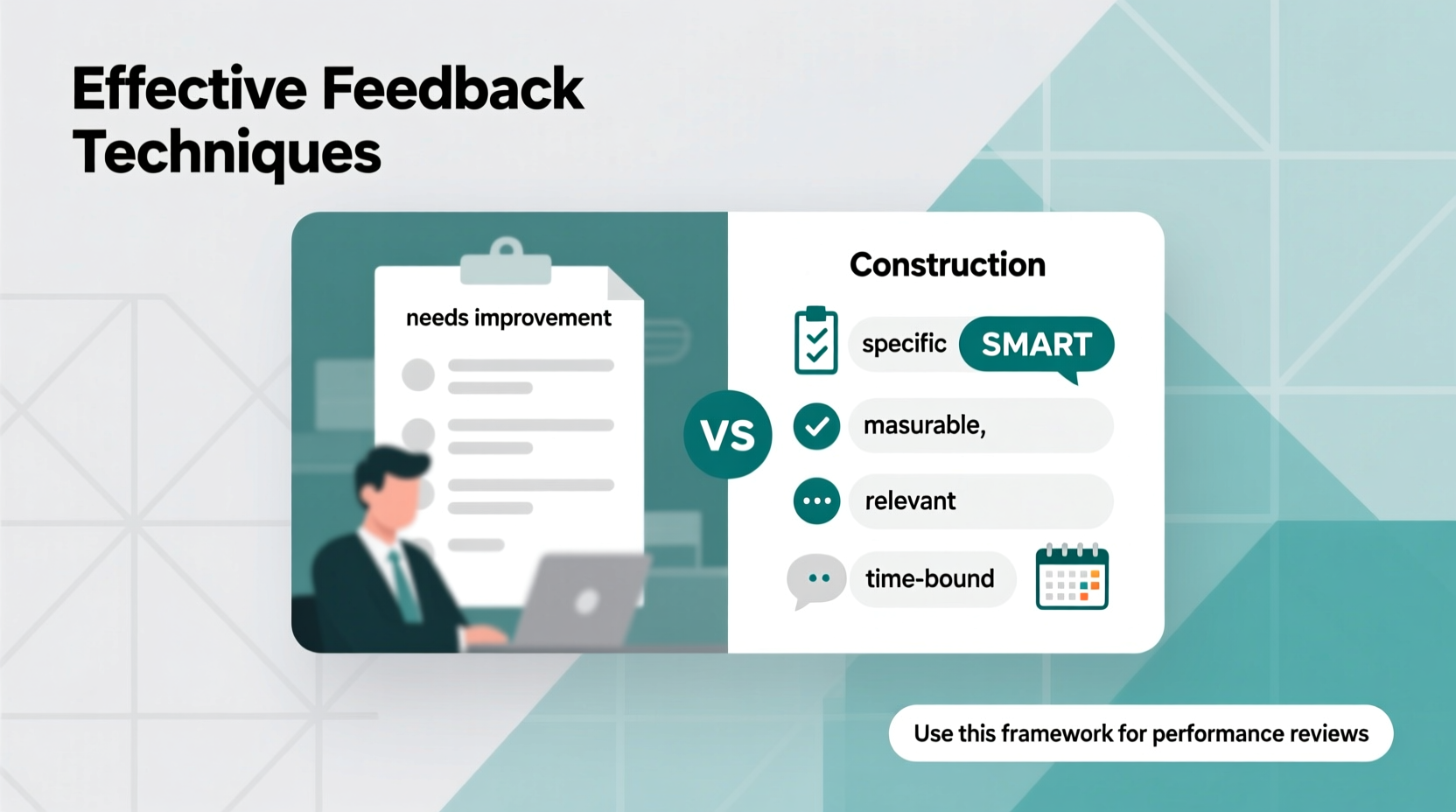
One of the most common pitfalls in employee documentation is allowing emotion or subjective judgment to influence the tone. Effective write-ups rely on objective facts—what was observed, when it occurred, and how it deviated from expected standards.
Instead of writing, “John was rude to a customer,” say: “On June 14 at 2:30 PM, John raised his voice and interrupted a customer during checkout, contrary to our customer service protocol outlined in Section 3.1 of the employee handbook.”
Tip: Use direct quotes, timestamps, and policy references to anchor your write-up in verifiable evidence.Factual language reduces defensiveness, supports consistency across teams, and strengthens your position if the issue escalates. It also ensures fairness—employees are evaluated based on actions, not perceptions.
2. Structure Your Write-Up for Clarity
A well-structured write-up makes it easy for both the employee and HR to understand the issue, the standard, and the next steps. Use a consistent format every time to ensure professionalism and reduce ambiguity.
- Employee Information: Name, position, date, department.
- Incident Summary: Date, time, location, and brief description.
- Policy or Expectation Violated: Reference the specific rule, job duty, or company value.
- Observed Behavior: Objective account of what happened.
- Impact: How the behavior affected the team, customer, safety, or operations.
- Employee Response: Space for their side of the story (if discussed).
- Action Plan: Corrective steps, training, or follow-up dates.
- Signatures: Employee and manager acknowledgment.
This structure creates transparency and ensures no key detail is overlooked. It also protects the organization by demonstrating due process.
3. Balance Accountability with Support
A constructive write-up doesn’t just point out problems—it opens a dialogue for improvement. The tone should be firm but respectful, emphasizing growth over reprimand.
For example, after documenting a repeated tardiness issue, include a sentence like: “We value your contributions and want to support you in meeting attendance expectations. Let’s work together to identify any barriers and implement solutions.”
“Discipline should be developmental, not punitive. A good write-up isn’t the end of the conversation—it’s the beginning of one.” — Dr. Lisa Tran, Organizational Psychologist
This approach reinforces that the purpose is performance improvement, not punishment. It encourages ownership and reduces resentment.
4. Avoid Common Pitfalls: Do’s and Don’ts
Mistakes in wording, timing, or tone can undermine even the most fact-based write-up. The following table outlines frequent errors and how to avoid them.
| Do’s | Don’ts |
|---|---|
| Use neutral, professional language | Use emotional or judgmental words (e.g., “lazy,” “disrespectful”) |
| Reference specific policies or job duties | Assume intent without evidence |
| Document incidents promptly | Wait weeks to address an issue |
| Include the employee’s perspective | Write the report without discussion |
| Outline clear expectations for improvement | Leave consequences vague or implied |
Consistency is equally important. If two employees commit the same infraction, the response—and documentation—should be similar. Inconsistency breeds perceptions of bias and weakens managerial authority.
5. Real-World Example: Addressing Missed Deadlines
Sarah, a marketing coordinator, has missed three project deadlines in the past month. Her manager, James, prepares a write-up using the principles above.
Incident Summary: May 3, May 10, and May 24 – Project deliverables were submitted 1–2 days past deadline without prior notice.
Policy Violated: Team agreement requiring advance communication of delays and adherence to shared timelines.
Impact: Delayed campaign launch, increased workload for team members, and client dissatisfaction.
Employee Response: Sarah explains she underestimated task duration and felt uncomfortable asking for help.
Action Plan: Sarah will attend time-management training, use a daily planning template, and provide weekly progress updates for the next 30 days. Follow-up meeting scheduled for June 25.
In this case, the write-up acknowledges the issue while identifying root causes and offering support. It documents accountability without alienating the employee.
Tip: Always meet with the employee before finalizing the write-up. Allow space for explanation and collaborative problem-solving.Step-by-Step Guide to Writing an Effective Employee Write-Up
Follow this sequence to ensure thoroughness and fairness:
- Gather Evidence: Collect emails, logs, witness statements, or performance data related to the incident.
- Review Policies: Confirm which standards were violated and how they’re defined in handbooks or contracts.
- Draft the Write-Up: Use the structured format outlined earlier, focusing on facts and impact.
- Schedule a Meeting: Inform the employee of the concern and set a time to discuss it privately.
- Discuss Calmly: Present the write-up, allow the employee to respond, and listen actively.
- Agree on Next Steps: Define measurable goals, support resources, and a review timeline.
- Document & File: Both parties sign the document, and a copy is securely stored in personnel records.
This process ensures compliance, promotes respect, and increases the likelihood of behavioral change.
Frequently Asked Questions
How often should employee write-ups be issued?
There’s no fixed schedule—write-ups should be issued when performance or conduct issues arise and informal coaching hasn’t resolved them. Frequency depends on severity and recurrence. Minor issues may warrant a verbal warning first; repeated or serious violations require written documentation promptly.
Can an employee refuse to sign a write-up?
Yes, but refusal doesn’t invalidate the document. Include a note such as: “Employee was presented with this write-up on [date] and declined to sign.” This confirms they were informed. Continue to follow up per the action plan regardless of signature.
Should positive feedback be included in a write-up?
While the primary focus is addressing concerns, acknowledging strengths can balance the tone. For example: “You consistently produce high-quality creative work. Improving timeliness will enhance your overall effectiveness.” This reinforces value while clarifying expectations.
Checklist: Before Finalizing a Write-Up
- ✅ All facts are accurate and dated
- ✅ Specific policies or expectations are cited
- ✅ Language is neutral and professional
- ✅ Impact of behavior is clearly explained
- ✅ Employee has had a chance to respond
- ✅ Action plan includes clear, measurable goals
- ✅ Document is saved securely in personnel file
Conclusion
Writing effective employee write-ups is a skill that combines precision, empathy, and procedural rigor. When grounded in facts, structured for clarity, and delivered with a focus on growth, these documents become tools for accountability and improvement—not sources of conflict. Managers who master this practice foster a culture of transparency, consistency, and continuous development.
💬 Ready to improve your documentation process? Apply these techniques in your next performance conversation and see how clear, constructive feedback transforms workplace outcomes.