
In today’s digital landscape, connecting with minors—children and adolescents under the age of 18—requires a thoughtful, legally compliant, and ethically sound approach. Whether you’re an educator, counselor, youth program coordinator, or community advocate, any effort to engage young people online must prioritize safety, consent, and developmental appropriateness. The internet offers powerful tools for outreach and support, but it also presents significant risks if not navigated responsibly. This article outlines practical, lawful, and constructive pathways for engaging minors in meaningful, safe, and productive ways.
Understanding Legal and Ethical Boundaries
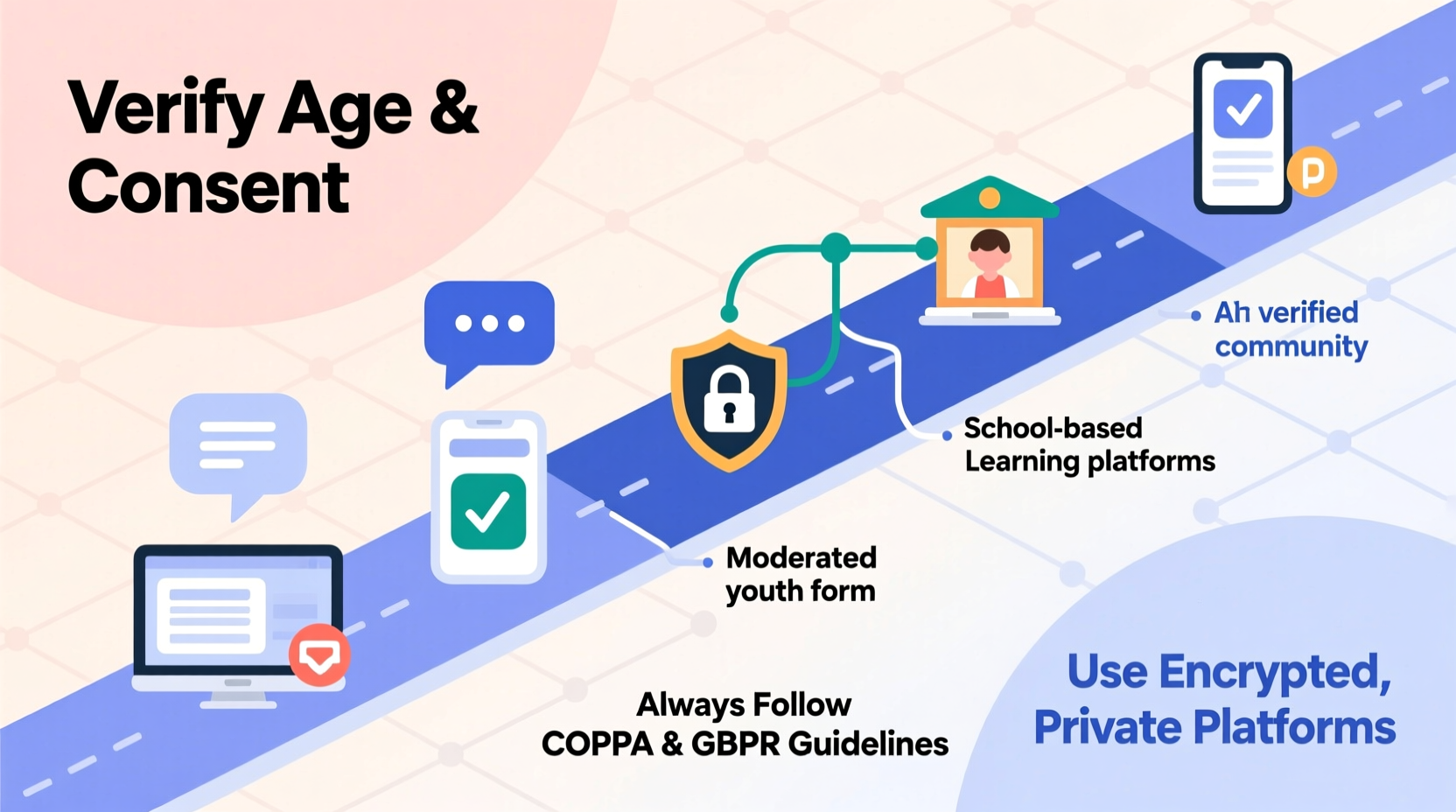
Before attempting to connect with minors online, it's essential to understand the legal framework governing such interactions. In most jurisdictions, including the United States under COPPA (Children's Online Privacy Protection Act), websites and services that collect personal information from children under 13 are required to obtain verifiable parental consent. Similar regulations exist globally, such as the UK’s Age Appropriate Design Code and the EU’s GDPR-K provisions.
Moreover, direct unsolicited contact with minors—especially through private messaging platforms, social media DMs, or email—is widely considered inappropriate and may be interpreted as predatory behavior, regardless of intent. Law enforcement agencies treat such actions with extreme seriousness.
“Any adult seeking to engage with minors online must operate through institutional frameworks that ensure transparency, supervision, and accountability.” — Dr. Lena Patel, Child Safety Policy Advisor, National Youth Advocacy Network
The guiding principle is clear: never initiate one-on-one communication with a minor outside of an officially sanctioned, supervised environment. Instead, focus on structured, group-based, and organizationally backed initiatives.
Safe and Approved Channels for Engagement
The most effective way to connect with minors online is through established institutions and platforms designed for youth engagement. These include schools, nonprofit organizations, educational programs, and moderated community forums. Below are several legitimate avenues:
- School-affiliated programs: Many schools host virtual clubs, tutoring sessions, or extracurricular activities via secure learning management systems (e.g., Google Classroom, Canvas).
- Youth organizations: Groups like Scouts, 4-H, YMCA, and Boys & Girls Clubs offer online workshops and events with trained adult facilitators.
- Educational nonprofits: Organizations such as Khan Academy, FIRST Robotics, or DoSomething.org run youth-facing campaigns with built-in safeguards.
- Mentorship platforms: Programs like iCouldBe or MENTOR’s affiliate networks vet adults and pair them with minors in structured, monitored settings.
Step-by-Step Guide to Responsible Outreach
If your goal is to support, educate, or mentor young people, follow this responsible sequence of actions:
- Define your purpose: Clarify whether you aim to teach, mentor, counsel, or organize youth activities. Ensure your motivation aligns with youth development principles.
- Partner with an established organization: Align with a school, nonprofit, or government agency that already works with minors and has child protection policies in place.
- Complete required clearances: Undergo background checks, child safety training (e.g., Safeguarding certification), and orientation programs.
- Use approved communication platforms: Engage only through the organization’s designated tools—never via personal email, social media, or messaging apps.
- Maintain transparency: Keep all communications visible to supervisors or coordinators. Avoid private conversations.
- Set boundaries: Use formal language, respect time limits, and avoid sharing personal details or soliciting personal information from minors.
- Document interactions: Maintain logs where required, especially in mentoring or counseling roles.
Do’s and Don’ts When Connecting with Minors Online
| Do’s | Don’ts |
|---|---|
| Engage through school or nonprofit programs | Initiate contact via social media DMs |
| Use video conferencing with multiple participants | Host private one-on-one video calls |
| Obtain parental consent when required | Collect personal data without authorization |
| Report concerns about a minor’s well-being to proper authorities | Attempt to intervene personally in a crisis |
| Follow organizational code of conduct | Bypass protocols for “quick” communication |
Real Example: A School-Based Coding Mentorship Program
A tech professional named Marcus wanted to inspire middle school students to explore computer science. Rather than reaching out directly, he contacted his local school district’s STEM coordinator. After completing a background check and attending a safeguarding workshop, he was invited to co-lead a weekly coding club hosted on the district’s secure Zoom platform.
Sessions were open to parents, recorded for review, and always included at least one teacher. Marcus used pseudonymized student usernames and never exchanged personal information. Over six months, he helped 24 students build simple games using Scratch, and three expressed interest in joining a high school computer science track. His impact was significant—because it was structured, supervised, and safe.
Essential Checklist for Responsible Engagement
- ✅ Identify a legitimate organizational partner (school, nonprofit, etc.)
- ✅ Complete all required background checks and training
- ✅ Use only approved, secure communication platforms
- ✅ Avoid any private or informal contact with minors
- ✅ Obtain parental consent where applicable
- ✅ Maintain professional boundaries in tone and content
- ✅ Report any concerning behavior to designated officials
- ✅ Regularly review child protection policies and updates
Frequently Asked Questions
Can I message a teenager online to offer career advice?
No, unless you are doing so through an official program (e.g., a school-hosted career day) and with proper permissions. Unsolicited messages—even with good intentions—can be perceived as intrusive or inappropriate.
What should I do if a minor reaches out to me privately online?
Respond once, politely explaining that you can only communicate through official channels. Encourage them to involve a parent, teacher, or counselor. If the message raises safety concerns, report it to the platform and, if necessary, to local authorities or organizations like the National Center for Missing & Exploited Children (NCMEC).
Are there exceptions for family members trying to reconnect with a relative under 18?
Even in familial cases, caution is critical. Contact should be made through custodial parents or guardians, not directly with the minor. Legal custody arrangements must be respected, and sudden outreach can be distressing if not handled sensitively.
Conclusion: Building Trust Through Responsibility
Connecting with minors online is not about finding individuals—it’s about serving communities through trusted, transparent, and accountable roles. The most impactful relationships with young people are built within systems that protect everyone involved. By partnering with schools, youth organizations, and educational platforms, adults can make a real difference in the lives of minors without crossing ethical or legal lines.
💬 Are you involved in youth education or mentorship? Share your experiences and best practices in the comments to help others engage responsibly and effectively.