
A dog with a suddenly puffy face can be alarming for any pet owner. Swelling in the face may range from mild puffiness around the eyes or muzzle to severe facial distortion that affects breathing. While some cases resolve on their own, others signal serious underlying conditions requiring urgent veterinary care. Understanding the causes, recognizing symptoms early, and knowing how to respond can make a critical difference in your dog’s health outcome.
Common Causes of Facial Swelling in Dogs
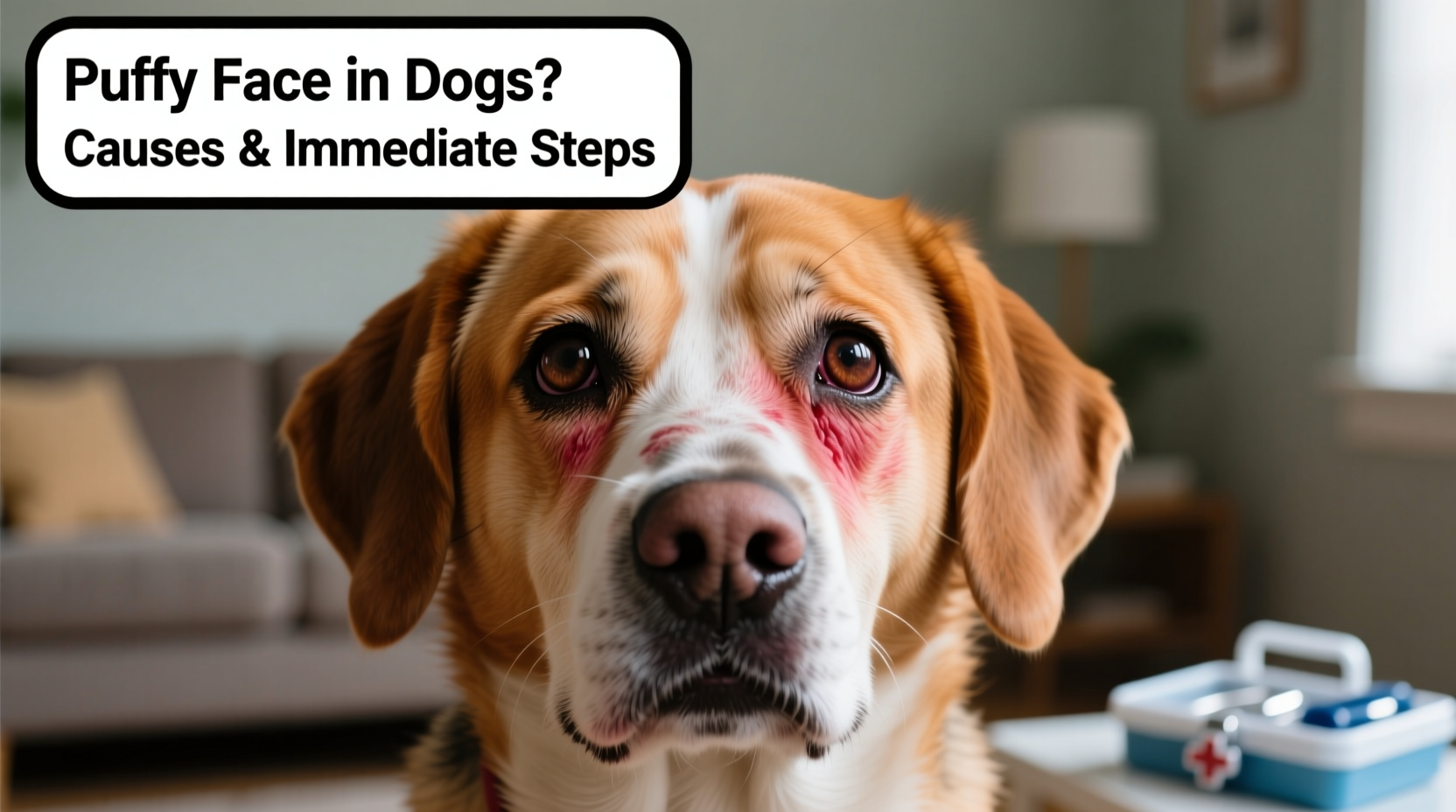
Facial puffiness in dogs is not a diagnosis but a symptom of various underlying issues. The most frequent causes include allergic reactions, insect bites, dental infections, trauma, and autoimmune disorders. Identifying the root cause is essential for proper treatment.
- Allergic Reactions: Food allergies, environmental allergens (pollen, mold), or reactions to medications can trigger rapid facial swelling. These are often accompanied by itching and hives.
- Insect Stings or Bites: Bees, wasps, spiders, or fire ants commonly cause localized swelling, especially if the sting occurs in the lips, nose, or eyelids.
- Dental Disease: Abscessed teeth or gum infections can lead to swelling beneath the eye or along the jawline, sometimes mistaken for facial puffiness.
- Trauma or Injury: A blow to the head, bite wounds, or foreign objects lodged in the mouth can result in inflammation and visible swelling.
- Autoimmune Conditions: Diseases like eosinophilic granuloma complex or lupus can manifest with facial swelling, though these are less common.
- Salivary Mucoceles: A blocked salivary gland can form a fluid-filled cyst under the chin or near the jaw, causing a soft, non-painful bulge.
Symptoms That Accompany a Puffy Face
Swelling alone doesn’t always indicate danger, but when combined with other symptoms, it becomes a red flag. Monitor your dog closely for signs that suggest a worsening condition.
| Symptom | Potential Implication |
|---|---|
| Difficulty breathing or wheezing | Severe allergic reaction (anaphylaxis); requires emergency care |
| Pawing at face or mouth | Pain or irritation from a sting, bite, or foreign object |
| Drooling excessively | Oral pain, possible dental issue or toxin exposure |
| Lethargy or collapse | Systemic reaction; could indicate shock |
| Hives or widespread redness | Allergic response progressing beyond the face |
| Foul odor from mouth | Dental infection or abscess |
“Facial swelling in dogs should never be ignored. Even if it looks minor, it can escalate quickly—especially with allergic reactions.” — Dr. Laura Simmons, DVM, Emergency Veterinary Specialist
Step-by-Step Guide: What to Do When Your Dog’s Face Is Puffy
Immediate action can prevent complications. Follow this timeline to assess and respond appropriately.
- Stay Calm and Observe: Approach your dog gently. Note when the swelling started, whether it’s spreading, and if your dog is showing distress.
- Check for Stings or Bites: Part the fur around the lips, nose, and eyelids. Look for stingers or insect remnants. If found, carefully remove with tweezers.
- Monitor Breathing: Watch for labored breathing, coughing, or blue gums. These are emergencies.
- Apply a Cold Compress: Wrap ice in a cloth and apply to swollen areas for 10 minutes at a time to reduce inflammation.
- Withhold Food Temporarily: If swallowing seems difficult, avoid giving food until you consult a vet.
- Contact Your Veterinarian: Call your clinic immediately. Describe symptoms clearly. They may advise antihistamines or demand an urgent visit.
- Administer Medication Only If Directed: Never give human medications without veterinary approval. Some, like diphenhydramine (Benadryl), may be safe at correct doses—but only under guidance.
- Prepare for Transport: If emergency care is needed, keep your dog calm and supported during travel.
When to Seek Immediate Veterinary Care
Not all facial swelling demands an ER visit, but certain signs mean you shouldn’t wait.
Tip: Keep your vet’s after-hours number and the nearest emergency clinic saved in your phone.Seek urgent care if your dog shows:
- Swelling that spreads rapidly to the throat or neck
- Gasping, gagging, or noisy breathing
- Weakness, trembling, or collapse
- Vomiting or diarrhea alongside swelling
- Eye bulging or inability to open/close the mouth
Mini Case Study: Max the Beagle and the Bee Sting
Max, a 4-year-old beagle, began pawing at his muzzle after playing in the backyard. Within 20 minutes, his upper lip swelled dramatically, and his eye began to close. His owner noticed no stinger but saw mild drooling. She applied a cold compress and called her veterinarian. Based on the description, the vet recommended administering Benadryl at a specific dose. Max improved within an hour, but he was brought in the next day for a full check-up. The vet confirmed an insect sting reaction and advised carrying an emergency kit for future outings. This case highlights how quick assessment and professional guidance prevented escalation.
Prevention and Long-Term Management
While not all causes of facial puffiness can be avoided, proactive measures reduce risk.
Checklist: Preventing Facial Swelling in Dogs
- ✔️ Identify and eliminate known allergens (e.g., certain foods, cleaning products)
- ✔️ Use flea and tick prevention consistently
- ✔️ Inspect your yard for nests or insects before letting your dog outside
- ✔️ Schedule annual dental exams to catch infections early
- ✔️ Carry a pet first-aid kit with vet-approved antihistamines (if prescribed)
- ✔️ Avoid letting your dog sniff holes, flowers, or garbage where insects hide
Dogs with a history of allergies may benefit from allergy testing and immunotherapy. In chronic cases, veterinarians might prescribe long-term antihistamines or corticosteroids under supervision.
FAQ
Can I give my dog Benadryl for a puffy face?
Yes, in many cases, veterinarians recommend diphenhydramine (Benadryl) for mild allergic reactions. However, dosage depends on weight and health status. Always confirm with your vet before administering, especially if your dog has heart disease, glaucoma, or is on other medications.
How long does facial swelling last in dogs?
Mild swelling from a bug bite may resolve within 12–24 hours with treatment. Allergic reactions treated promptly usually improve within a few hours. Untreated or severe cases can persist for days and worsen without intervention.
Is a puffy face ever normal in dogs?
No. While some breeds naturally have wrinkled or fuller faces (e.g., Bulldogs, Bloodhounds), sudden changes in facial appearance are never normal. Gradual swelling over weeks may indicate tumors or chronic disease and still requires evaluation.
Conclusion
A puffy face in dogs is more than a cosmetic concern—it’s a potential warning sign of allergies, infection, or injury. Recognizing the causes and acting swiftly ensures your dog receives timely care. From monitoring symptoms to knowing when to rush to the vet, your awareness plays a crucial role in protecting your pet’s well-being. Don’t downplay sudden changes. Stay prepared, stay informed, and always prioritize professional veterinary advice over guesswork.
💬 Your experience matters. Have you dealt with a dog’s sudden facial swelling? Share your story or tips in the comments to help other pet owners be ready.