For decades, hot water has been the default setting for washing clothes—especially when tackling stains, odors, or heavily soiled garments. But with rising energy costs and growing environmental awareness, many households are switching to cold water cycles. The big question remains: does cold water laundry really clean as well as hot water? The answer isn’t a simple yes or no—it depends on fabric type, soil level, detergent choice, and your specific goals.
This article dives into the science behind laundry temperature, compares cleaning efficacy, explores energy implications, and provides practical guidance so you can make informed decisions about every load.
How Water Temperature Affects Cleaning Performance
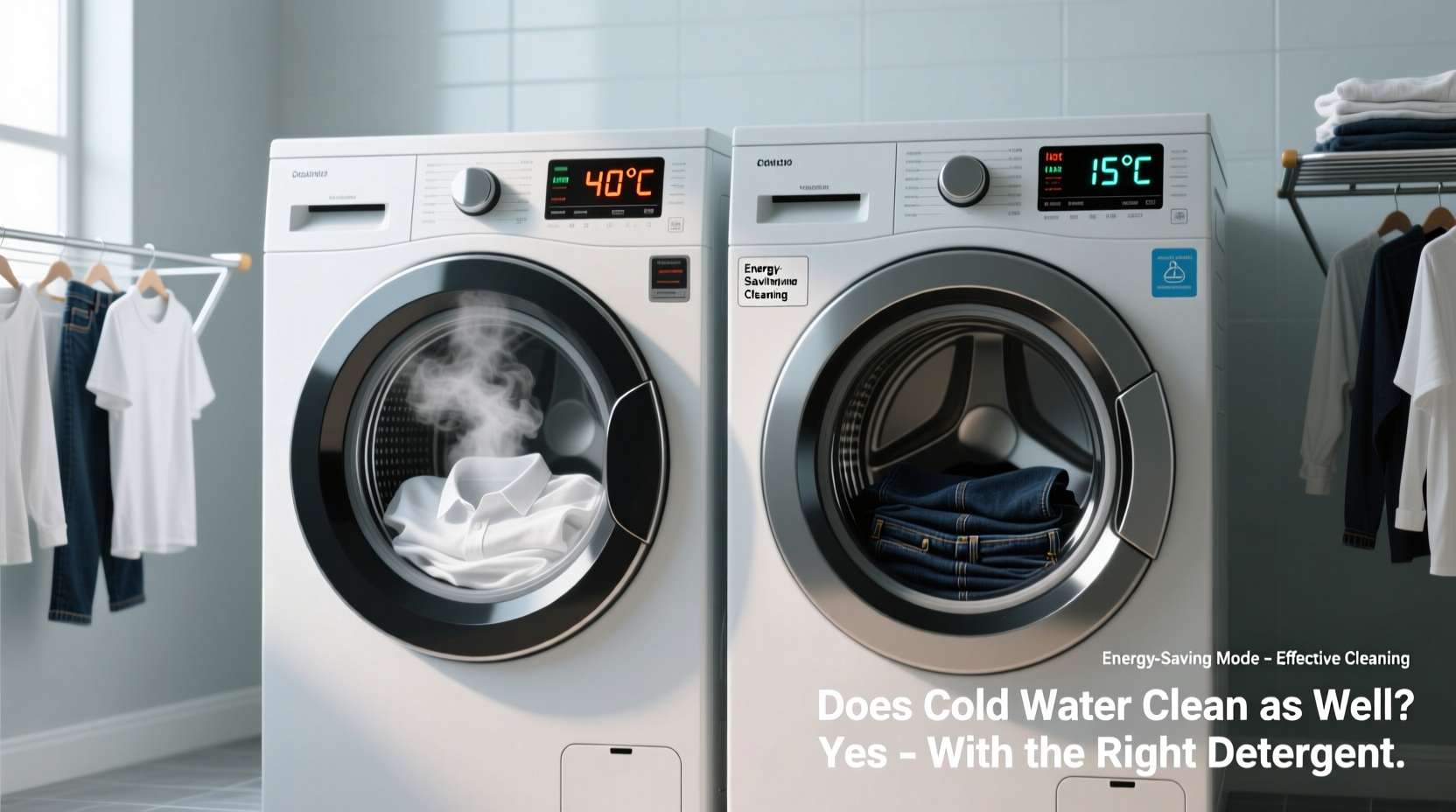
Water temperature plays a critical role in how effectively dirt, oils, and microbes are removed from fabrics. Hot water excels at breaking down grease, killing bacteria, and activating certain detergents. Cold water, while gentler on fabrics, relies more heavily on modern detergent chemistry to deliver results.
Hot water (typically 40°C/104°F and above) increases molecular motion, helping water penetrate fabric fibers more deeply. This enhanced agitation loosens embedded soils and accelerates chemical reactions in detergents. It’s particularly effective for cottons, linens, towels, and items exposed to bodily fluids or germs—such as workout gear or bedding during illness.
Cold water (usually below 30°C/86°F) conserves energy and minimizes shrinkage, fading, and fiber damage. Advances in enzyme-based detergents have significantly improved cold water performance. Enzymes like proteases and lipases target proteins and fats even at low temperatures, making them ideal for everyday wear like t-shirts, jeans, and synthetic blends.
“Modern detergents are formulated to work efficiently in cold water, especially for routine soiling. You don’t always need heat to get clean.” — Dr. Lena Patel, Textile Chemist at the Institute of Fabric Care Research
Comparing Cleaning Efficacy: Cold vs. Hot Water
To understand which method works best, it helps to evaluate different types of soiling and fabric responses under various conditions.
| Soil Type | Cold Water Effectiveness | Hot Water Effectiveness | Notes |
|---|---|---|---|
| Sweat & Body Oils | Moderate (with enzyme detergent) | High | Heat breaks down oils faster; enzymes help cold water compete |
| Food Stains (grease, sauces) | Low to Moderate | High | Grease melts in hot water; pre-treatment recommended for cold wash |
| Dirt & Mud | Moderate | High | Agitation matters most; both can work if soil is rinsed first |
| Blood & Bodily Fluids | Poor (can set stains) | Excellent | Always use cold water initially for blood; hot sets protein stains |
| Odor Removal | Moderate (depends on detergent) | High | Heat kills odor-causing bacteria more effectively |
The table shows that while hot water generally outperforms cold in deep cleaning, cold water—with the right detergent and techniques—can handle most daily laundering needs. However, timing and pre-treatment matter greatly when using cold water.
Tip: For oily stains, apply a small amount of liquid detergent directly to the fabric before washing—even in cold water—to boost cleaning power.Energy and Environmental Impact
One of the strongest arguments for cold water washing is energy efficiency. According to the U.S. Department of Energy, heating water accounts for about 90% of the energy used by a typical washing machine per cycle. Switching to cold water can reduce energy consumption by up to 75% per load.
Consider this: an average household does around 300 loads of laundry annually. If all were done in cold water instead of hot, the reduction in greenhouse gas emissions would be equivalent to taking a car off the road for over 1,000 miles per year. Additionally, lower energy demand translates to cost savings—potentially $60–$100 annually on utility bills.
Cold water also extends the life of clothing. Heat causes fibers to weaken, colors to fade, and elastic components (like waistbands or sportswear) to degrade faster. By minimizing thermal stress, cold washing preserves garment integrity, reducing the need for frequent replacements—a win for both your wallet and the planet.
When to Use Cold Water—and When Not To
Understanding when to choose cold versus hot water ensures optimal results without compromising hygiene or fabric care.
Best Uses for Cold Water
- Everyday clothing: T-shirts, jeans, blouses, and casual wear with light soiling.
- Dark or bright colors: Prevents dye bleeding and fading.
- Synthetics and delicates: Nylon, polyester, spandex, and lingerie benefit from gentle treatment.
- Fresh stains (especially protein-based): Blood, sweat, or dairy should be treated with cold water first to avoid setting.
- Quick refreshes: Lightly worn items needing odor removal but not deep sanitization.
When Hot Water Is Necessary
- Towels and bedding: Especially after illness or heavy use, to kill bacteria and mites.
- Undergarments and socks: High bacterial load warrants deeper sanitation.
- Greasy or oily stains: Cooking oil, motor grease, or makeup require heat for breakdown.
- Diapers or infant clothing: Hygiene is paramount; hot water reduces microbial risk.
- Items exposed to illness: During flu season or infections, sanitize with hot water and bleach if safe for fabric.
“I used to wash everything on hot ‘just to be safe.’ After learning about cold water detergents, I switched 80% of my loads. My clothes last longer, my energy bill dropped, and nothing smells or looks dirty.” — Maria Thompson, eco-conscious homemaker from Portland, OR
Step-by-Step Guide to Optimizing Cold Water Laundry
Maximizing cold water cleaning requires more than just turning the dial. Follow this five-step process to ensure your cold washes perform as well as—or better than—hot ones.
- Choose the right detergent. Look for formulas labeled “cold water,” “enzyme-powered,” or “color-safe.” These contain surfactants and biological agents designed to activate below 30°C.
- Pre-treat stubborn stains. Apply a dab of liquid detergent or stain remover directly to problem areas 5–10 minutes before washing. Gently rub in with fingers or a soft brush.
- Avoid overloading the machine. Crowded drums restrict water and detergent movement. Leave space for clothes to circulate freely—about an arm’s width between the top of the load and the drum lid.
- Select a longer cycle. Extended wash times compensate for lower temperatures. Use “heavy” or “extended wash” settings when dealing with moderate soil.
- Wash full—but not packed—loads. Full loads are efficient, but overstuffing reduces cleaning effectiveness. Aim for ¾ capacity for balanced performance.
Common Myths About Cold Water Washing
Despite growing adoption, misconceptions persist about cold water laundry.
- Myth: Cold water doesn’t kill germs. True—but for most households, germ-killing isn’t necessary in every load. Regular washing removes 90–95% of microbes regardless of temperature. Sanitization should be reserved for high-risk situations.
- Myth: Cold water leaves clothes smelling musty. This usually stems from poor drying, detergent buildup, or infrequent machine cleaning—not water temperature. Clean your washer monthly with a hot vinegar cycle to prevent odor transfer.
- Myth: All detergents work the same in cold water. No. Powder detergents often dissolve poorly in cold water, leaving residue. Opt for liquid or pods specifically engineered for cold use.
Checklist: How to Decide Between Cold and Hot Water
Use this quick-reference checklist before starting your next load:
- ✅ Is the item heavily soiled or greasy? → Consider hot water or pre-treat + cold wash.
- ✅ Is it dark-colored or delicate fabric? → Use cold water to prevent fading and damage.
- ✅ Does it carry bodily fluids or was used during illness? → Hot water recommended for sanitation.
- ✅ Are you washing synthetics or stretch materials? → Cold water preserves elasticity.
- ✅ Do you have a high-efficiency (HE) machine? → Most HE detergents are optimized for cold water.
- ✅ Is energy conservation a priority? → Cold water saves up to 75% energy per load.
FAQ
Can I wash whites in cold water?
Yes, but with caveats. Modern detergents with optical brighteners and enzymes can keep whites looking fresh in cold water. However, periodic hot washes (once a month) help remove buildup and restore brightness, especially for kitchen towels or undergarments.
Does cold water cause mold or mildew in the washing machine?
Not directly. However, frequent cold washing without occasional hot maintenance cycles can allow biofilm and moisture-trapped residues to accumulate. Run an empty hot water cycle with vinegar or washing machine cleaner monthly to prevent this.
Is cold water safe for baby clothes?
Generally yes—for routine wear. Cold water with a gentle, hypoallergenic detergent effectively removes everyday soils. Reserve hot water for spit-up, formula stains, or illness-related laundry where sanitization is needed.
Conclusion: Balancing Cleanliness, Care, and Efficiency
Cold water laundry doesn’t replace hot water entirely—but it comes remarkably close for most everyday tasks. With today’s advanced detergents and washing machines, cold cycles can deliver excellent cleaning while protecting fabrics, saving energy, and reducing environmental impact. The key is smart selection: know your fabrics, assess the soil level, and use targeted strategies like pre-treatment and proper detergent choices.
Hot water still holds its place for deep sanitization and tough grease removal. But for the majority of your weekly loads, cold water is not just sufficient—it’s superior in terms of sustainability and garment longevity.
🚀 Start optimizing your laundry routine today. Try switching three weekly loads to cold water and track the difference in fabric feel, color retention, and energy bills. Share your experience in the comments—your insights could help others make smarter, cleaner choices.