Porto, Portugal’s second-largest city, is a captivating blend of old-world charm and vibrant modern culture. Nestled along the Douro River, it offers cobbled streets, colorful tilework, riverside cafés, and some of Europe’s most authentic wine cellars. But choosing where to stay can make or break your experience. Whether you’re drawn to historic centers, scenic riverfronts, or quieter residential pockets, knowing the nuances of each neighborhood helps you align your accommodation with your travel style.
The ideal base balances accessibility, atmosphere, safety, and value. This guide dives deep into Porto’s top districts, offering practical advice, real traveler insights, and local knowledge that goes beyond typical tourist recommendations.
Ribeira: The Heartbeat of Historic Porto
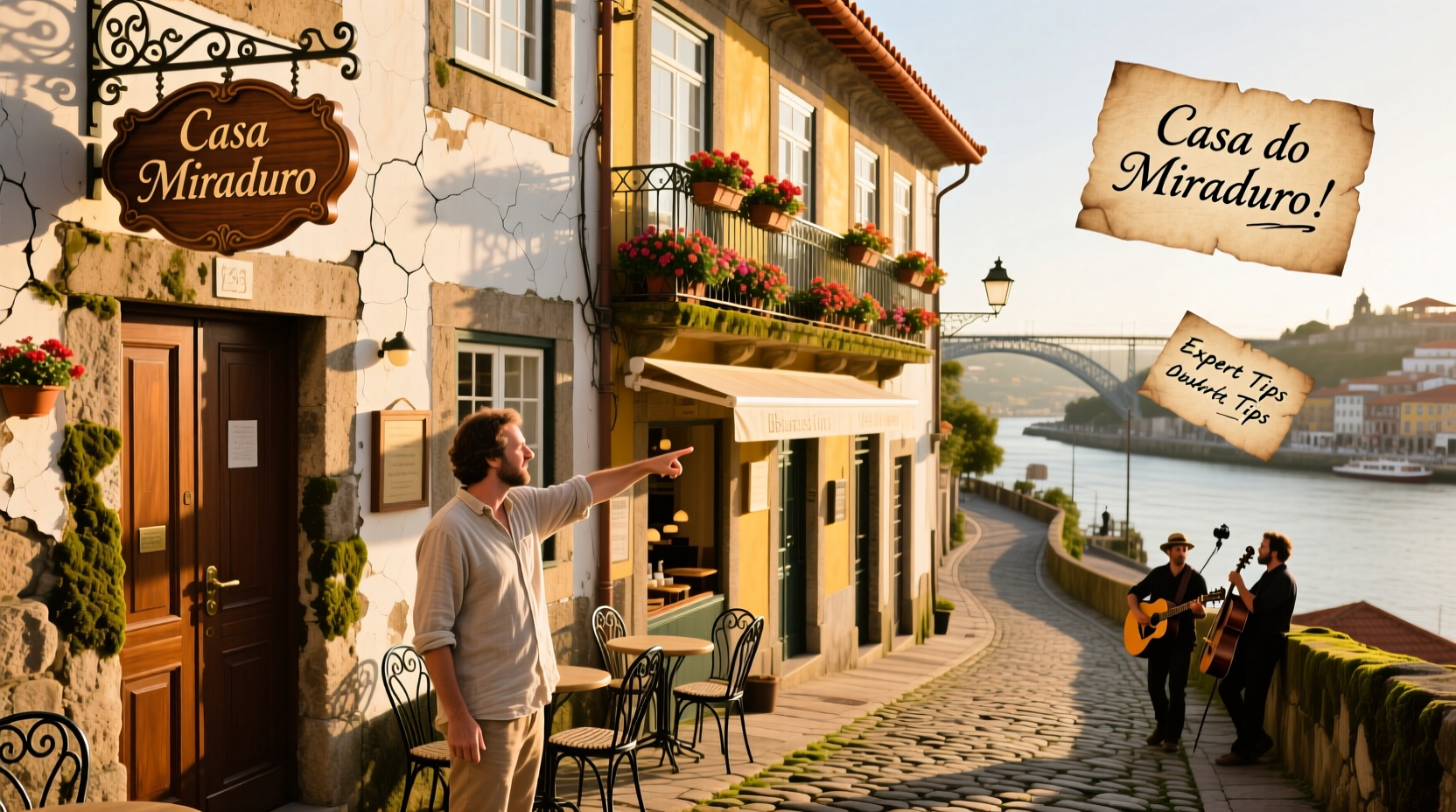
Ribeira, located in the UNESCO-listed historic center, is Porto’s most iconic neighborhood. Overlooking the Douro River and connected to Vila Nova de Gaia by the Dom Luís I Bridge, Ribeira pulses with energy. Its narrow alleys are lined with centuries-old buildings painted in ochre, terracotta, and seafoam green, many now housing boutique hotels, family-run guesthouses, and lively restaurants.
Staying in Ribeira means waking up steps from major attractions like São Bento Station, Clérigos Tower, and the riverside promenade. It's ideal for first-time visitors who want to immerse themselves in Porto’s postcard-perfect scenery.
Tip: Book accommodations on upper floors for better views and less street noise—Ribeira gets busy, especially in summer evenings.However, its popularity has downsides. Streets can be crowded, parking is nearly impossible, and late-night revelry from bars may disturb light sleepers. For those seeking tranquility, Ribeira might feel overwhelming after dark.
Best Neighborhoods Compared: A Traveler’s Guide
| Neighborhood | Vibe | Best For | Average Nightly Rate (€) | Walkability Score |
|---|---|---|---|---|
| Ribeira | Vibrant, historic, tourist-centric | First-timers, couples, photographers | 120–180 | 10/10 |
| Bolhão | Local, authentic, emerging | Culture seekers, budget travelers | 80–130 | 9/10 |
| Foz do Douro | Upscale, coastal, relaxed | Families, beach lovers, long stays | 130–220 | 7/10 |
| Cedofeita | Trendy, artsy, bohemian | Digital nomads, foodies, creatives | 90–150 | 9/10 |
| Vila Nova de Gaia | Wine-focused, scenic, quieter | Oenophiles, romantic getaways | 100–160 | 6/10 (but great views) |
Cedofeita & Baixa: Where Locals Live and Eat
If Ribeira feels too touristic, look just west to Cedofeita and the broader Baixa district. These areas offer a more grounded Porto experience—less polished but infinitely more authentic. Here, traditional grocery stores sit beside third-wave coffee shops, art galleries, and indie fashion boutiques.
Accommodations range from stylish serviced apartments to charming guesthouses tucked into renovated townhouses. The area is well-connected via metro and walking paths, placing you within 15 minutes of Ribeira or São Bento Station.
“Most visitors never explore beyond Ribeira, but Cedofeita is where Porto’s soul lives—the markets, the bakeries, the spontaneous street music.” — Carlos Mendes, Porto-based urban historian
For travelers who prioritize cultural immersion over Instagrammable views, this zone delivers. You’ll dine where locals dine, hear Portuguese spoken freely in cafes, and avoid the congestion of main tourist corridors.
Foz do Douro: Coastal Elegance and Seaside Calm
About 30 minutes from downtown by metro, Foz do Douro marks where the Douro River meets the Atlantic Ocean. Once a summer retreat for Porto’s elite, it remains one of the city’s most desirable residential areas. Tree-lined avenues, Art Deco villas, and seaside promenades define its refined character.
Hotels here tend to be upscale, often featuring sea-facing rooms, spas, and fine dining. Vacation rentals are plentiful and ideal for families or extended stays. While further from central sights, Foz offers something priceless: peace.
Mornings begin with walks along the rocky coast or pastelaria visits for *pastéis de nata*. The slower pace suits travelers recharging after city exploration or those prioritizing wellness and relaxation.
Tip: Take the historic Line 1 tram from Foz to the city center—it’s scenic, affordable, and runs every 30 minutes.Mini Case Study: Choosing Between Charm and Convenience
Sophie and Mark, a couple from Dublin, visited Porto for their anniversary. They initially booked a hotel in Ribeira for the views and proximity. On arrival, they found their room noisy due to street-level restaurants and weekend festivities. After two restless nights, they relocated to a small design hotel in Bonfim—a quiet neighborhood near Cedofeita.
Though slightly farther from the river, they gained walkable access to local markets, quieter streets, and lower prices. “We didn’t miss the crowds,” Sophie said. “We discovered a bakery our Airbnb host recommended, and that became our favorite part of the trip.”
Their experience underscores a key insight: sometimes the most memorable stays happen just off the beaten path.
Your Stay Planning Checklist
- ✅ Define your travel priorities: sightseeing, relaxation, food, nightlife?
- ✅ Decide on a budget range per night, including taxes and fees.
- ✅ Prioritize walkability if you dislike public transit or taxis.
- ✅ Check proximity to metro stops—Line D (yellow) connects key areas.
- ✅ Read recent guest reviews focusing on noise, cleanliness, and host responsiveness.
- ✅ Consider booking a place with kitchen access for cost savings and flexibility.
- ✅ Verify check-in logistics, especially for self-check-in apartments.
Expert Tips for Getting the Most Out of Your Stay
- Arrive mid-week: Many tourists arrive on weekends. Booking Tuesday–Thursday lets you check in smoothly and explore popular spots before crowds build.
- Use local transport apps: Andante tickets work across metro, buses, and trams. Load one for unlimited travel during your stay.
- Ask your host for hidden gems: Locals know the best *francesinhas*, tascas, and lookout points not listed on Google Maps.
- Pack comfortable shoes: Porto’s hills are no joke. Wear supportive footwear to enjoy exploring without fatigue.
- Reserve wine tastings early: Top cellars in Gaia book out days in advance, especially May–September.
Frequently Asked Questions
Is it safe to stay in central Porto?
Yes. Porto is considered one of Europe’s safest cities for tourists. Petty theft exists in crowded areas like Ribeira and São Bento Station, so remain aware of your belongings. Residential neighborhoods like Cedofeita and Massarelos are particularly secure.
Which area offers the best value for money?
Bolhão and parts of Cedofeita provide excellent value—clean, modern accommodations at lower rates than Ribeira, with equal walkability. Look for apartments listed as “local lodging” (*alojamento local*), which are regulated and often managed by residents.
Should I stay in Porto or Vila Nova de Gaia?
While Gaia offers stunning river views and direct access to port wine lodges, it lacks the urban energy of Porto. Unless you're deeply focused on wine tourism, staying in Porto proper gives better access to dining, culture, and transit. Use the bridge to cross daily if needed.
Final Thoughts: Find Your Porto Rhythm
There is no single \"best\" place to stay in Porto—only the best fit for you. A honeymooning couple might cherish a quiet suite overlooking the Douro in Gaia, while a solo traveler could thrive in the creative buzz of Cedofeita. Families may prefer the open spaces and calm of Foz, whereas history buffs won’t want to miss sleeping within medieval walls in Ribeira.
The city rewards curiosity. Venture beyond guidebook highlights, talk to shop owners, try a tram ride without a destination. Let your accommodation serve not just as a place to rest, but as a gateway to authentic connection.
💬 Found your perfect Porto base? Share your experience or ask questions in the comments—we’d love to hear what made your stay unforgettable.