Yellowing leaves on a dieffenbachia — commonly known as dumb cane — are one of the most frequent concerns among indoor gardeners. While these tropical plants are prized for their bold, variegated foliage, they can quickly show stress through discoloration. A single yellow leaf may not be cause for alarm, but widespread or recurring yellowing signals an underlying issue. The good news is that most causes are correctable with proper diagnosis and care adjustments. Understanding why your dieffenbachia is struggling allows you to act swiftly and effectively.
Why Dieffenbachia Leaves Turn Yellow: Key Factors
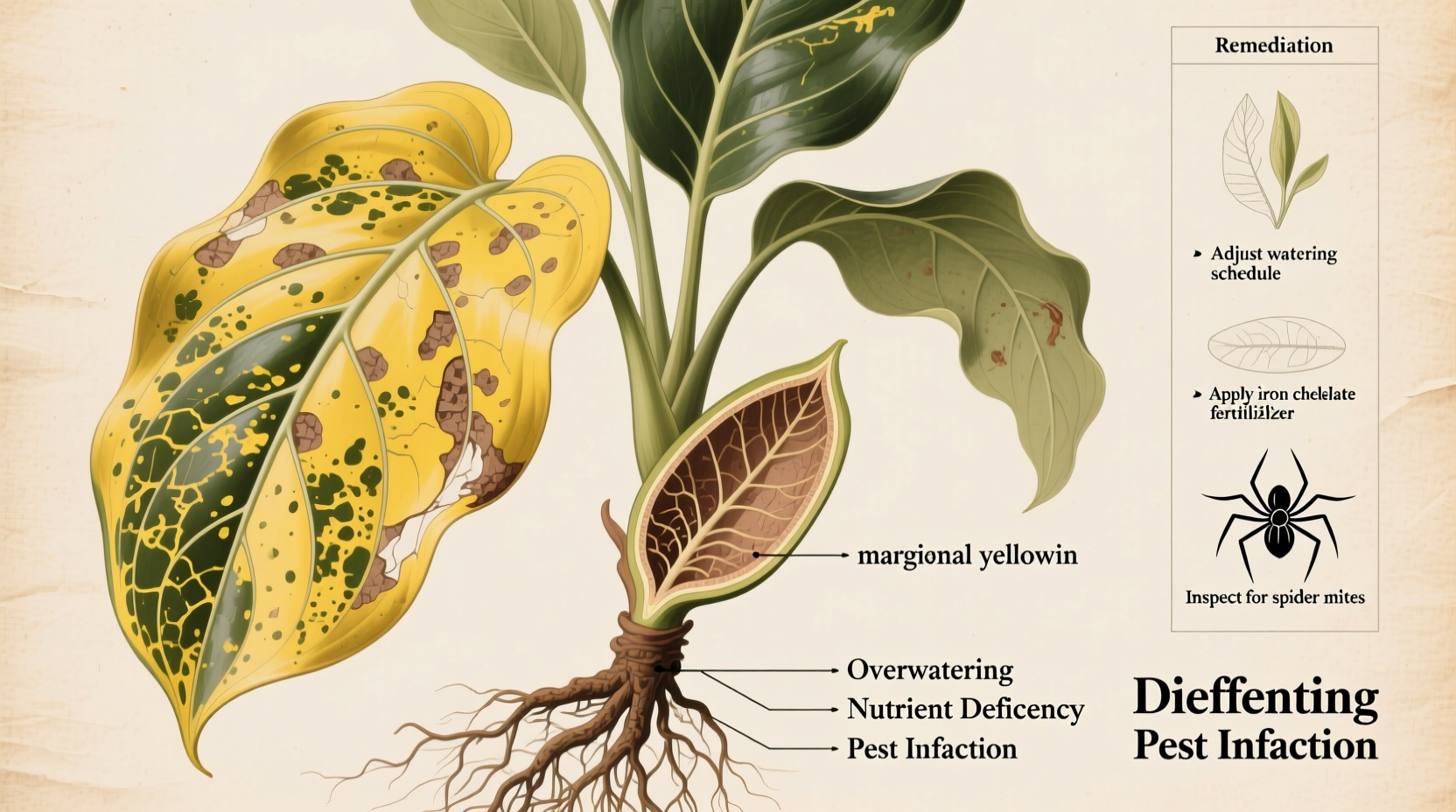
Dieffenbachias thrive in stable environments with consistent moisture, humidity, and indirect light. When any of these conditions shift dramatically, the plant responds by reallocating resources — often sacrificing older leaves first. Yellowing typically begins at the edges or between veins and may progress to browning or leaf drop if unaddressed. Common triggers include overwatering, poor drainage, lighting imbalances, nutrient deficiencies, pests, or environmental stress.
It's important to distinguish between natural aging and problematic yellowing. Older leaves near the base of the plant may yellow and fall off as part of the growth cycle. This is normal. However, when multiple leaves turn yellow simultaneously — especially newer ones — it indicates a systemic problem requiring attention.
Tip: Always check the soil moisture before watering. Stick your finger 1–2 inches into the potting mix — if it feels damp, wait.Top 5 Causes of Yellow Leaves and How to Fix Them
1. Overwatering and Root Rot
Overwatering is the leading cause of yellowing in dieffenbachias. These plants prefer moist but well-drained soil. Soggy conditions suffocate roots, leading to root rot — a fungal condition that impairs water and nutrient uptake. Symptoms include soft, mushy stems, foul-smelling soil, and yellowing that starts from the lower leaves upward.
To fix this, reduce watering frequency and ensure your pot has adequate drainage. If root rot is suspected, gently remove the plant from its container and inspect the roots. Trim away any black, slimy sections with sterile scissors and repot in fresh, well-aerated soil. Use a pot with drainage holes and avoid letting the plant sit in standing water.
2. Underwatering and Drought Stress
While overwatering is more common, underwatering can also trigger yellowing. When the soil dries out completely, the plant cannot absorb nutrients efficiently. Leaves may become dry, crispy at the tips, and eventually turn yellow. This often occurs during winter months or in homes with dry air.
Revive an underwatered dieffenbachia by giving it a thorough soak. Submerge the pot in a sink or basin until bubbles stop rising — this ensures deep hydration. Going forward, maintain a consistent schedule based on seasonal needs. During active growth (spring and summer), water every 7–10 days; in winter, extend to every 2–3 weeks depending on humidity and temperature.
3. Lighting Issues: Too Much or Too Little
Dieffenbachias prefer bright, indirect light. Direct sunlight scorches leaves, causing pale patches and yellowing, while insufficient light leads to weak growth and chlorophyll loss. If your plant is placed far from a window or behind heavy curtains, it may not receive enough energy for photosynthesis.
Relocate the plant to a spot with filtered daylight — such as near an east- or north-facing window. Avoid south-facing windows unless filtered by sheer blinds. Rotate the pot weekly to promote even growth. If natural light is limited, supplement with a grow light set for 10–12 hours per day.
4. Nutrient Deficiencies
Over time, potted plants deplete the nutrients in their soil. Nitrogen deficiency is a primary culprit behind yellowing, especially in older leaves. Iron or magnesium shortages may also contribute, resulting in interveinal chlorosis — yellow tissue between green veins.
Address this with a balanced liquid houseplant fertilizer applied monthly during the growing season. Choose a formula with micronutrients and follow label instructions carefully. Over-fertilizing can burn roots and worsen symptoms, so less is often more. Consider flushing the soil annually to prevent salt buildup.
5. Pests and Diseases
Though relatively pest-resistant, dieffenbachias can attract spider mites, mealybugs, and scale insects — especially in dry indoor environments. These pests feed on sap, weakening the plant and disrupting nutrient flow. Look for fine webbing, sticky residue (honeydew), or small white cottony masses.
Treat infestations early. Wipe leaves with a damp cloth and apply insecticidal soap or neem oil every 7–10 days until pests are gone. Isolate affected plants to prevent spread. Maintain higher humidity levels, as many pests thrive in dry air.
“More than half the dieffenbachia issues we see in urban homes stem from inconsistent watering and low humidity. Stability is key.” — Dr. Lena Torres, Horticulturist & Indoor Plant Specialist
Environmental Stress and Cultural Needs
Beyond direct care, environmental factors play a major role. Dieffenbachias originate in tropical regions of South America and require moderate to high humidity (50–60%). Dry indoor air — particularly from heaters or AC units — causes leaf margins to brown and centers to yellow.
Maintain humidity using a pebble tray, humidifier, or grouping plants together. Keep the plant away from drafts, radiators, and frequently opened doors. Sudden temperature drops below 60°F (15°C) can shock the plant, triggering stress responses including yellowing.
Additionally, repot every 2–3 years to refresh soil and provide space for root development. A compacted root system struggles to absorb water and nutrients, contributing to decline.
Dos and Don’ts: Care Guidelines at a Glance
| Do | Don't |
|---|---|
| Water when top inch of soil is dry | Let the plant sit in water |
| Use well-draining potting mix with perlite | Use dense garden soil |
| Provide bright, indirect light | Expose to direct sun |
| Fertilize monthly in growing season | Feed during dormancy |
| Clean leaves gently with damp cloth | Use leaf-shine products |
Step-by-Step Recovery Plan
If your dieffenbachia is already showing signs of distress, follow this timeline to nurse it back to health:
- Assess the damage: Note which leaves are affected and whether the issue is isolated or widespread.
- Check soil moisture: Determine if the plant is too wet or too dry. Adjust watering accordingly.
- Inspect for pests: Examine undersides of leaves and stems with a magnifying glass if needed.
- Evaluate light exposure: Move to a brighter or more sheltered location as appropriate.
- Test drainage: Ensure the pot allows excess water to escape freely.
- Repot if necessary: Use fresh, aerated soil and trim damaged roots.
- Begin gentle feeding: After two weeks of stabilization, start a diluted fertilizer regimen.
- Monitor weekly: Track improvements or setbacks and adjust care.
Mini Case Study: Reviving a Neglected Office Dieffenbachia
A marketing firm in Chicago noticed several dieffenbachias in their lobby turning yellow after switching cleaning staff. The new team had been watering daily, assuming consistency was best. Within weeks, leaves wilted and dropped. A plant consultant diagnosed chronic overwatering and poor drainage in non-porous containers.
The solution included repotting into terracotta pots with drainage holes, adjusting the watering schedule to once every 10 days, and relocating the plants to areas with better airflow and indirect light. Staff were trained on basic plant care. Within six weeks, new growth emerged, and yellowing halted. Today, the plants are vibrant centerpieces — proving that small changes yield big results.
Frequently Asked Questions
Should I remove yellow leaves from my dieffenbachia?
Yes, if they are fully yellow and no longer contributing to photosynthesis. Removing them helps prevent disease and encourages new growth. Use clean, sharp scissors to cut close to the stem without tearing.
Can low humidity cause yellow leaves?
Indirectly, yes. While low humidity primarily causes brown tips, it stresses the plant overall, making it more susceptible to nutrient imbalances and dehydration — both of which can lead to yellowing. Maintaining 50%+ humidity supports overall health.
Is tap water safe for dieffenbachias?
Not always. Tap water often contains chlorine, fluoride, and minerals that accumulate in soil and damage sensitive roots. Use filtered, distilled, or rainwater when possible. If using tap water, let it sit overnight to allow chemicals to evaporate.
Conclusion: Restore Balance, Restore Health
Yellowing dieffenbachia leaves are rarely a death sentence — they’re a message. By listening closely and responding with informed care, you can reverse decline and foster lush, long-term growth. Focus on balance: consistent moisture without sogginess, ample light without scorching, and steady nutrition without overload. With patience and observation, your dieffenbachia can regain its vibrancy and continue enhancing your space with its architectural beauty.
💬 Have a dieffenbachia success story or challenge? Share your experience in the comments — your insight could help another plant lover thrive!