
At 12 years old, children are developing a growing sense of independence, responsibility, and curiosity about the world. One powerful way to nurture these traits is by helping them learn how to earn their own money. With guidance and structure, pre-teens can gain valuable life skills such as financial literacy, time management, and problem-solving—all while building confidence. The key is ensuring that earning opportunities are not only creative and engaging but also safe, legal, and appropriate for their age.
Why It’s Important for 12-Year-Olds to Earn Money
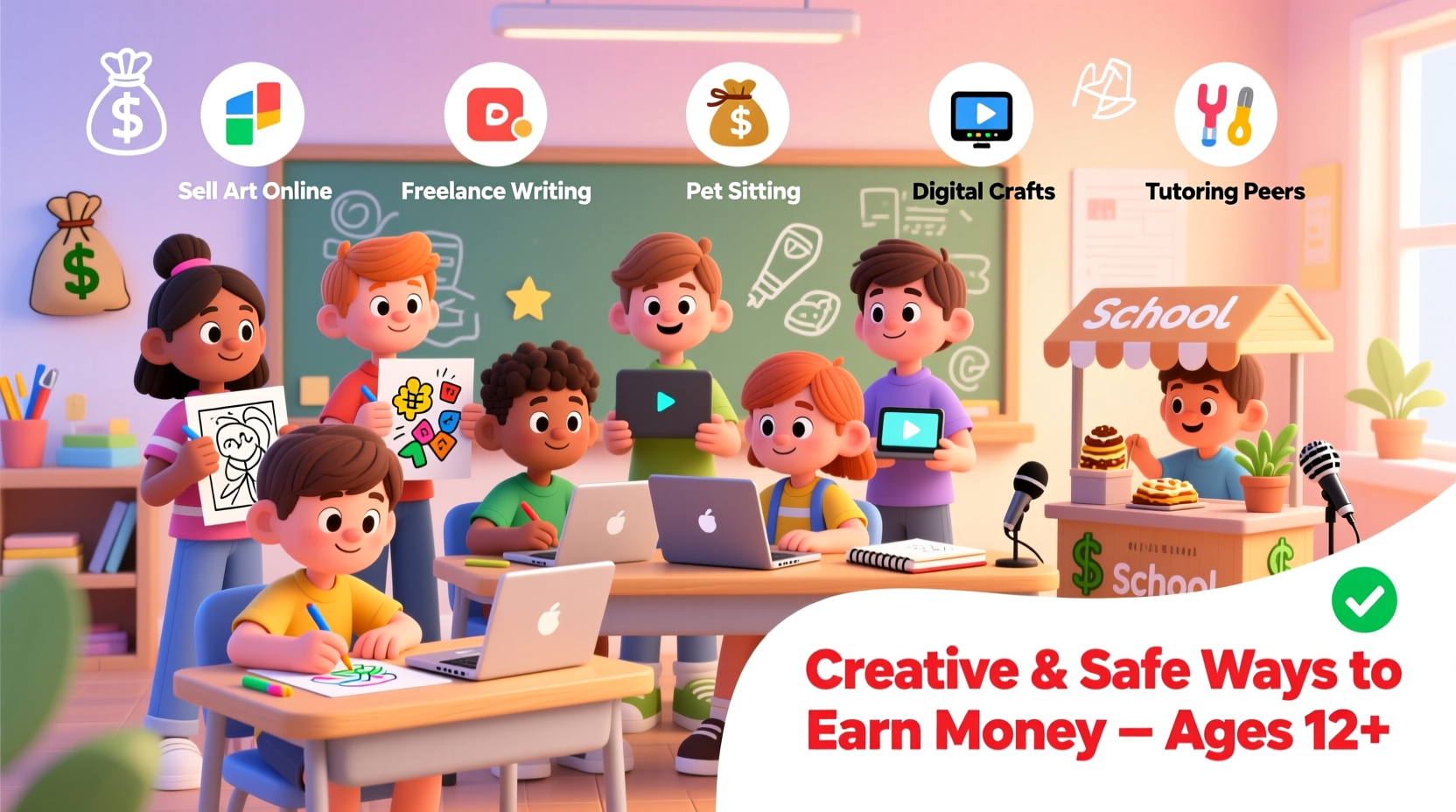
Earning money at a young age goes beyond just buying snacks or saving for a new video game. It teaches foundational principles like delayed gratification, budgeting, and accountability. When children earn their own money, they develop a deeper appreciation for its value. According to Dr. Laura Levine, a child development expert, “Children who earn money through effort are more likely to develop resilience and a strong work ethic.” This early exposure to financial responsibility sets the stage for smarter decisions in adulthood.
Moreover, independent income allows 12-year-olds to contribute to family projects, donate to causes they care about, or save for long-term goals—experiences that foster empathy and purpose.
Creative and Safe Ways to Earn Money
The best opportunities for 12-year-olds combine creativity, safety, and real-world experience. Below are several practical ideas that parents can support while maintaining oversight.
1. Offer Yard Work Services
Mowing lawns, raking leaves, pulling weeds, or washing outdoor furniture are excellent entry-level jobs. Many neighbors appreciate help with seasonal tasks and are often willing to pay fairly. Start by creating simple flyers to distribute in the neighborhood (with parental approval).
Tip: Always wear gloves and protective shoes when doing yard work, and never use power tools without adult supervision.2. Pet Care and Dog Walking
If your child loves animals, pet sitting or dog walking can be both enjoyable and profitable. Many working adults need reliable help during the day. Responsibilities might include feeding pets, taking dogs for walks, or providing companionship.
To stay safe, walks should happen in daylight and in familiar areas. Parents should vet clients and accompany the child on initial visits.
3. Handmade Crafts and Art Sales
Artistic kids can create jewelry, painted rocks, greeting cards, or custom bookmarks. These items can be sold at local craft fairs, community events, or even online through parent-managed platforms like Etsy or Facebook Marketplace.
This avenue encourages entrepreneurship and branding. A child might name their business, design packaging, and set prices—learning pricing strategy and customer service along the way.
4. Tech Help for Seniors
Many older adults struggle with smartphones, email, or video calls. A tech-savvy 12-year-old can offer short tutoring sessions to teach basic digital skills—for a small fee or donation.
This builds communication skills and fosters intergenerational connections. Sessions should be held in public places or with a parent present.
5. Online Content Creation (With Supervision)
While full independence isn’t possible here due to platform rules, children can co-create YouTube videos, TikTok content, or blogs with parents. Topics could include toy reviews, science experiments, book summaries, or hobby tutorials.
Monetization comes later, but the process teaches storytelling, editing, and audience engagement. All activity must comply with COPPA (Children's Online Privacy Protection Act), meaning accounts are managed by adults.
Step-by-Step Guide to Getting Started
Turning an idea into a real side hustle requires planning. Follow this timeline to launch a safe and sustainable earning project.
- Week 1: Brainstorm & Choose – Discuss interests and strengths. Does your child enjoy organizing, drawing, or being outdoors? Match ideas to passions.
- Week 2: Research & Plan – Look at what others are charging locally. Create a simple list of services and prices.
- Week 3: Prepare Materials – Design a flyer, practice a skill, or make sample products. Get parental feedback.
- Week 4: Launch Safely – Start with known neighbors or family friends. Collect feedback after the first job.
- Ongoing: Track Earnings & Goals – Use a notebook or spreadsheet to record income and savings targets.
Do’s and Don’ts for Young Entrepreneurs
| Do’s | Don’ts |
|---|---|
| Always get parental permission before starting a job | Never share personal information online or with strangers |
| Use earnings to save, spend wisely, and give back | Don’t take on too many jobs—balance school and rest |
| Be polite, punctual, and professional with clients | Avoid using power tools or dangerous equipment unsupervised |
| Ask for feedback to improve service quality | Don’t expect instant success—building trust takes time |
Mini Case Study: Maya’s Lemonade & Baking Stand
Maya, a 12-year-old from Portland, wanted to save for a new bike. She started with a classic lemonade stand but quickly upgraded her model. After researching recipes, she began selling homemade cookies and brownies alongside drinks. Her mother helped her obtain a permit for operating at a local farmers’ market on weekends.
Maya tracked her costs (ingredients, cups, napkins) and profits. Within three months, she earned $270—enough for the bike and an extra $50 she donated to an animal shelter. More importantly, she learned how to manage inventory, interact with customers, and handle cash responsibly.
“Earning money taught me that every dollar counts—and that hard work feels good.” — Maya, age 12
Checklist for Parents and Kids
- ☐ Choose an activity aligned with the child’s interests and skills
- ☐ Discuss safety rules and boundaries (e.g., no going into strangers’ homes)
- ☐ Set clear expectations about time commitment and responsibilities
- ☐ Help create simple marketing materials (flyers, social media posts)
- ☐ Open a youth savings account to deposit earnings
- ☐ Review progress weekly and celebrate milestones
Expert Insight on Youth Financial Literacy
“Allowing children to earn money gives them agency. It’s not about the amount—it’s about the lesson in cause and effect: effort leads to reward.” — Dr. Alan Chen, Behavioral Economist and Author of *Raising Money-Smart Kids*
This principle underscores why structured earning opportunities matter. When children see their labor translate into tangible results, they internalize motivation and self-reliance.
Frequently Asked Questions
Is it legal for a 12-year-old to earn money?
Yes, but there are restrictions. Federal child labor laws generally prohibit formal employment under age 14. However, informal work like yard work, pet sitting, or selling handmade goods is allowed as long as it doesn’t involve hazardous conditions or interfere with school. Always check local regulations.
How much should a 12-year-old charge for common tasks?
Pricing varies by location and task. General guidelines: dog walking ($10–$15 per walk), lawn mowing ($15–$30 depending on size), babysitting siblings or younger kids ($8–$12 per hour with training). Research local rates to stay competitive.
What if my child loses interest quickly?
It’s normal for enthusiasm to wane. Encourage completion of agreed-upon jobs to build integrity. Then, reflect on what didn’t work—was the task too hard, boring, or poorly paid? Use it as a learning moment to pivot to a better fit.
Conclusion: Empower Independence Responsibly
Helping a 12-year-old earn money independently isn’t just about dollars and cents—it’s about shaping character. Each small job completed teaches accountability. Every saved dollar reinforces foresight. And every challenge overcome builds resilience.
The most successful young earners aren’t those making the most money, but those who learn to manage it wisely, treat others respectfully, and take pride in their work. With thoughtful guidance, creativity, and safety at the forefront, any 12-year-old can begin building a foundation for lifelong financial confidence.
🚀 Ready to start? Sit down with your child today, explore one idea from this list, and take the first step toward financial independence—together.