Choosing between cloth and disposable diapers is one of the first major decisions new parents face. While convenience often steers families toward disposables, growing awareness of sustainability and long-term expenses has revived interest in reusable cloth options. The debate isn’t just about comfort or ease—it’s about environmental responsibility and financial sense. Understanding the full lifecycle of each option reveals that the answer isn’t as simple as it seems. Both have trade-offs in terms of carbon footprint, water use, waste generation, and out-of-pocket costs.
This article breaks down the real environmental and economic impacts of cloth versus disposable diapers, using data from lifecycle analyses, parenting studies, and environmental research. Whether you're an eco-conscious parent, budget planner, or simply weighing your options, this guide delivers a clear-eyed comparison to support a decision that aligns with your values and lifestyle.
Environmental Impact: Beyond the Surface
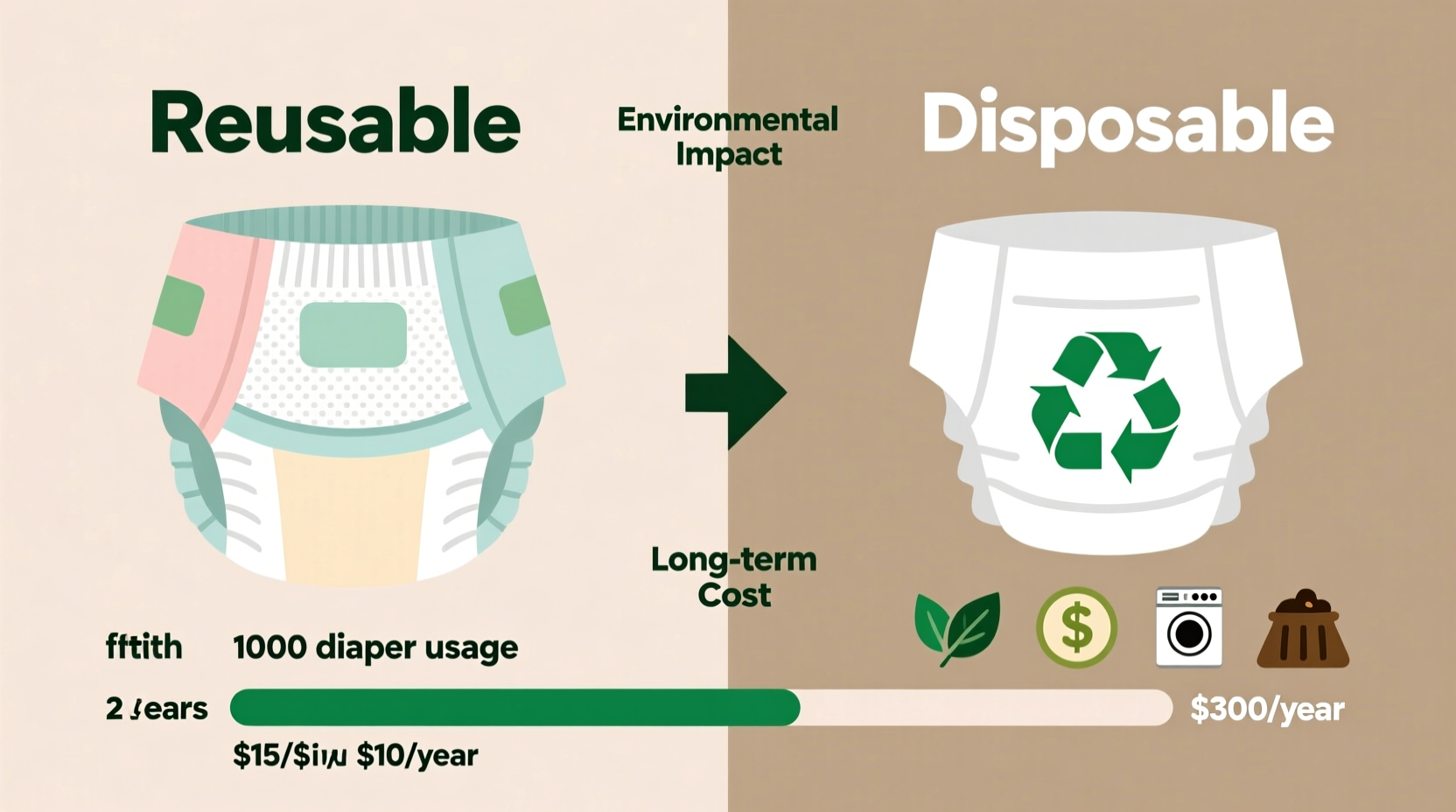
The environmental footprint of diapers extends far beyond what ends up in landfills. It includes raw material extraction, manufacturing energy, transportation, usage phase (like washing), and end-of-life disposal. Disposable diapers are often criticized for contributing to landfill waste, but cloth diapers also carry hidden ecological costs—especially in water and energy consumption during laundering.
According to a 2008 UK Environment Agency study updated in 2011, the total environmental impact of both systems is surprisingly close when all factors are considered. Disposables generate more solid waste and rely heavily on non-renewable resources like petroleum-based plastics and wood pulp. A single baby may go through 5,000 to 6,000 diapers before potty training, most ending up buried in landfills where they can take 400–500 years to decompose.
Cloth diapers, while reusable, require regular washing. The study found that if washed inefficiently—frequent small loads, hot water, tumble drying—their climate change impact could exceed that of disposables. However, when laundered responsibly (full loads, cold water, line drying), cloth diapers reduce greenhouse gas emissions by up to 40% compared to disposables.
Tip: Wash cloth diapers in full loads using cold water and air-dry when possible to minimize environmental impact.Resource Use Comparison
| Factor | Cloth Diapers | Disposable Diapers |
|---|---|---|
| Water Consumption | High (from washing) | Low (during use) |
| Energy Use | Moderate to high (washing/drying) | High (manufacturing & transport) |
| Solid Waste Generated | Negligible (if reused) | ~1 ton per child |
| Raw Materials | Cotton, bamboo, polyester | Wood pulp, plastic, SAP |
| Carbon Footprint (avg.) | Lower with efficient washing | Higher overall |
The key takeaway is that the environmental advantage of cloth diapers depends largely on user behavior. A family using energy-efficient appliances and sustainable laundry habits will likely reduce their ecological footprint significantly. In contrast, those relying on daily hot washes and electric dryers may negate much of the benefit.
Cost Analysis Over Time
While disposables dominate store shelves and hospital welcome packs, their cumulative cost adds up quickly. On average, parents spend between $1,500 and $2,500 per child on disposable diapers over two and a half to three years. Premium brands, sensitive-skin lines, or overnight variants push prices even higher.
Cloth diapers require a larger upfront investment but offer long-term savings. A full set of modern pocket or all-in-one cloth diapers typically costs $300 to $600, depending on brand and quantity. Additional expenses include diaper pails, liners, wet bags, and increased utility bills for washing. Even factoring in these costs, families usually break even within 12–18 months. After that, every month saved is pure financial gain—especially if planning for multiple children.
“Over five years, switching to cloth saved our family nearly $4,000. We used the same set for both kids.” — Lisa Tran, Sustainable Parenting Advocate
Used wisely, cloth diapers can be resold or passed down, further improving cost efficiency. Some parents even recoup 50–70% of their initial investment through secondhand sales platforms.
Break-Even Timeline Example
- Month 1–6: Cloth setup ($500), disposables used ~$75/month = $450
- Month 7–12: Cloth fully in use, no new diaper purchases; disposables would’ve cost another $450
- By Month 15: Total disposable cost: ~$1,125; cloth cost: ~$550 (including utilities)
- Result: Break-even achieved. From month 16 onward, cloth saves ~$60/month.
Practical Considerations for Real-Life Use
No discussion of diapers is complete without addressing day-to-day realities. Convenience, hygiene, travel, and childcare logistics play a huge role in parental satisfaction.
Disposables win in simplicity. They’re ready to use, easy to dispose of, and universally accepted by daycare centers and babysitters. For working parents or those with limited access to laundry facilities, disposables remain the default choice.
Cloth diapers have evolved dramatically. Modern designs feature snap or Velcro closures, waterproof outer layers, and absorbent inserts made from bamboo or microfiber. Many are as easy to use as disposables. However, they demand routine management: storing soiled diapers, pre-rinsing, washing every 2–3 days, and maintaining supply rotation.
Tip: Keep a dedicated wet bag in your diaper bag and car for easy transport of soiled cloth diapers.Childcare compatibility varies. Some daycare providers accept cloth, especially if parents handle pickup and cleaning. Others refuse due to sanitation policies or lack of infrastructure. Always confirm early if outsourcing care.
Mini Case Study: The Ramirez Family
The Ramirezes, a dual-income family in Portland, Oregon, decided to try cloth diapers with their first child. Initially overwhelmed by the learning curve, they struggled with leaks and odors. After investing in high-quality all-in-two diapers and adjusting their washing routine (cold wash, hang dry), issues resolved. They calculated their monthly diaper expense dropped from $85 to under $15 (accounting for water, electricity, detergent). By the time their second child arrived, they reused the same stash, saving over $2,000 across both kids. “It took effort at first,” says mother Ana Ramirez, “but now it’s second nature—and we feel good knowing we kept thousands of diapers out of landfills.”
Expert Insights and Health Implications
Beyond cost and ecology, some parents consider skin health and chemical exposure. Disposable diapers contain synthetic materials, fragrances, and dyes that may irritate sensitive skin. While regulatory agencies deem them safe, concerns persist about long-term dermal absorption of substances like dioxins (a byproduct of bleaching, though largely phased out) and sodium polyacrylate (the super-absorbent gel).
Cloth diapers, particularly organic cotton or hemp versions, are free of many industrial chemicals. However, detergents used in washing can cause reactions if not chosen carefully. Experts recommend fragrance-free, dye-free detergents and avoiding fabric softeners, which reduce absorbency.
“The choice between cloth and disposable shouldn’t hinge on fear of toxins. Modern disposables meet strict safety standards. But for parents seeking minimal chemical exposure, well-maintained cloth diapers are a valid preference.” — Dr. Rebecca Kim, Pediatric Dermatologist
Interestingly, some studies suggest babies in cloth diapers may potty train earlier because they feel wetness more acutely than in ultra-absorbent disposables. This sensory feedback can accelerate awareness and readiness.
Action Plan: Making the Switch or Optimizing Your Choice
Whether you’re leaning toward cloth or committed to disposables, small changes can improve both sustainability and affordability. Here’s a step-by-step guide to optimize your diaper strategy:
- Assess your lifestyle: Do you have space for storage? Access to a washer? Support from caregivers?
- Start hybrid: Use cloth at home and disposables when traveling or during long outings.
- Choose efficient models: Look for low-water-use machines and ENERGY STAR-rated washers.
- Wash smart: Rinse soiled diapers promptly, wash in cold water, and line dry when possible.
- Buy secondhand: Platforms like Craigslist, Facebook Marketplace, or specialized cloth diaper swaps offer quality gear at 50–80% off retail.
- Recycle disposables when possible: While traditional recycling doesn’t accept soiled diapers, emerging compostable brands (e.g., Dyper) offer mail-back programs for biodegradation.
Cloth Diaper Starter Checklist
- ✓ 18–24 diapers (rotating sizes or one-size-fits-most)
- ✓ Waterproof diaper pail or wet bags
- ✓ Flushable or biodegradable liner (optional)
- ✓ Fragrance-free detergent
- ✓ Washing schedule (every 2–3 days recommended)
- ✓ Backup plan for travel or illness
Frequently Asked Questions
Are cloth diapers really better for the environment?
Yes—when used efficiently. If washed in full loads with cold water and air-dried, cloth diapers produce fewer greenhouse gases and eliminate landfill waste. However, poor laundering practices can erase these benefits.
Do cloth diapers cause more diaper rash?
No conclusive evidence supports this. Diaper rash is primarily caused by infrequent changes, moisture buildup, or sensitivity to detergents. Proper hygiene and timely changes prevent rash regardless of diaper type.
Can I use cloth diapers part-time?
Absolutely. Many families adopt a hybrid approach—using cloth at home and disposables during daycare or trips. This reduces environmental impact and cost while maintaining flexibility.
Final Thoughts: Balancing Values, Budget, and Reality
The question of whether cloth diapers are more eco-friendly and cost-effective doesn’t have a one-size-fits-all answer. For environmentally focused families with reliable laundry access, cloth diapers offer meaningful reductions in waste and long-term savings. For others juggling work, travel, or limited resources, high-performance disposables provide essential convenience without moral failure.
The most sustainable choice is the one you can maintain consistently. Even modest efforts—like reducing disposable use by 50%, choosing eco-certified brands, or reusing cloth across siblings—make a difference. Sustainability isn’t perfection; it’s progress.
🚀 Ready to make a change? Start by calculating your current diaper spending and researching local cloth diaper services or resale groups. Small steps today can lead to big savings and a lighter environmental footprint tomorrow.