What began as a humble, grease-resistant paperboard container for sesame chicken and egg rolls has evolved into a globally recognized icon—so much so that its folded, wire-handled silhouette now appears on tote bags, enamel pins, ceramic mugs, and even limited-edition handbags. But beyond nostalgia or kitsch, a quiet design renaissance is underway: the Chinese takeout box is being thoughtfully reinterpreted—not as disposable packaging, but as meaningful, collectible souvenirs and wearable accessories. This shift reflects deeper cultural currents: rising global appreciation for Chinese craftsmanship, demand for sustainable novelty items with narrative weight, and the growing market for “heritage-infused” lifestyle goods. At the center of this movement sits ilovechina.alibaba.com, a B2B-to-consumer platform dedicated to authentic, small-batch Chinese-made products—where the takeout box isn’t just repurposed; it’s respectfully recontextualized.
The Cultural Weight Behind the Folded Lid
The classic Chinese takeout box—originally patented in the U.S. in 1924 by Frederick Weeks Wilcox as the “paper pail”—was never a traditional Chinese object. Yet through decades of diaspora storytelling, cinematic shorthand, and culinary diplomacy, it became an unintentional ambassador: instantly legible, emotionally resonant, and rich with layered meaning. For second-generation Chinese Americans, it evokes childhood Friday nights and intergenerational bonding. For European collectors, it signals East-meets-West fusion. For designers in Seoul or Berlin, its clean geometry and tactile fold offer modular potential. Recognizing this symbolic elasticity, forward-thinking manufacturers in Guangdong and Zhejiang provinces began collaborating with illustrators, ceramicists, and textile engineers—not to mass-produce novelties, but to create objects that honor both the box’s functional origins and its evolved cultural status.
This isn’t appropriation. It’s translation: turning a utilitarian form into a vessel for memory, craftsmanship, and cross-cultural dialogue. Each product on ilovechina.alibaba.com carries traceable provenance—factory certifications, material sourcing notes (e.g., “FSC-certified kraft board,” “lead-free glaze”), and often, bilingual artist statements. The platform curates only suppliers who meet its “Cultural Integrity Standard,” which requires co-creation with Chinese designers and prohibits caricature-based motifs (e.g., no exaggerated “chop suey” fonts or cartoon dragons).
5 Thoughtfully Designed Categories You’ll Find Online
Shopping at ilovechina.alibaba.com means navigating a taxonomy rooted in function and feeling—not just aesthetics. Here’s how the takeout box motif manifests across five distinct, high-integrity categories:
- Miniature Display Boxes: Hand-folded, archival-grade replicas (3.5 × 2.5 × 2 inches) made from recycled paper pulp and soy-based ink. Often laser-etched with Qing dynasty floral patterns or contemporary Shanghai skyline silhouettes. Used as desk organizers, jewelry caddies, or wedding favor containers.
- Enamel & Metal Accessories: Die-struck copper or stainless steel pendants, keychains, and cufflinks shaped precisely like the box—with functional wire handles and magnetic closures. Many feature interior enamel linings in celadon green or vermillion, echoing Ming porcelain palettes.
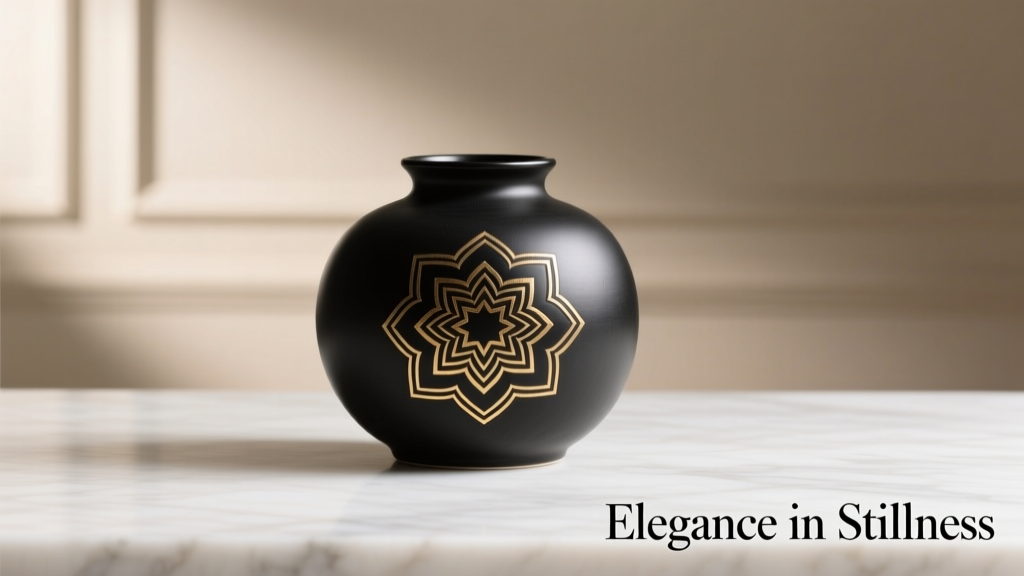
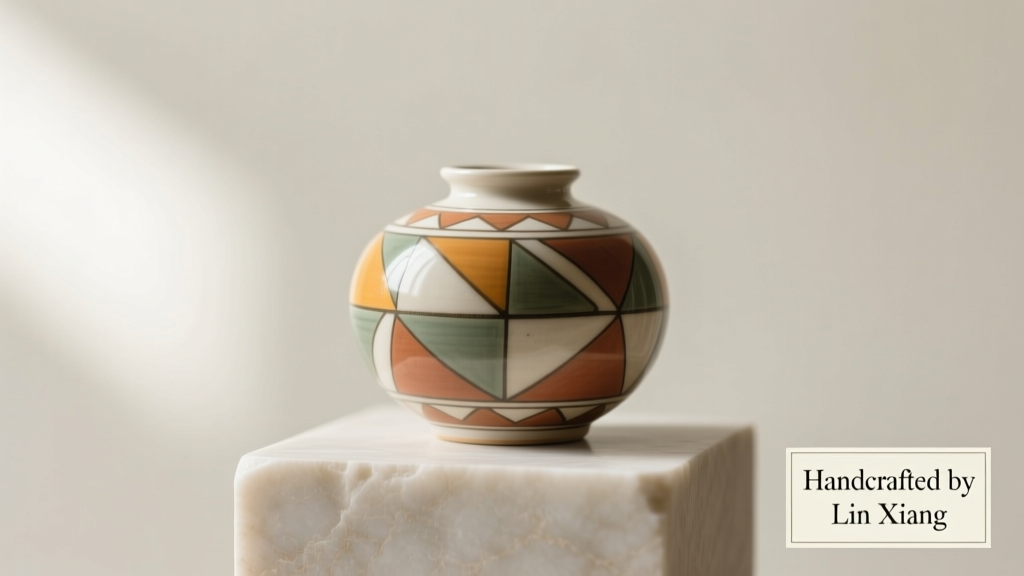
- Ceramic Interpretations: Wheel-thrown stoneware boxes (food-safe, dishwasher-friendly) with hinged bamboo-fiber lids. Glazes replicate the subtle variegation of aged paperboard—ash grey with iron-rich speckles, or matte black with faint gold luster where the “fold��� meets the rim.
- Textile & Wearables: Linen-cotton blend pouches with origami-style folding flaps and silk-screened ink illustrations of historic Chinatown street scenes. Also includes reversible bucket hats with interior lining printed as a giant, unfolded takeout box diagram.
- Stationery & Gifting Systems: Modular gift sets containing nested boxes (small, medium, large), each sized to hold specific items—a tea sample, a calligraphy brush, a red envelope—designed to be reused indefinitely. Packaging doubles as instruction manual: diagrams show how to refold the box into a display stand or photo frame backing.
How to Choose Authentic, Ethical Pieces: A Practical Checklist
Not all “takeout box–inspired” souvenirs carry equal depth—or ethics. Mass-produced imitations flood generic marketplaces, often using non-recyclable laminates, exploitative labor, or culturally tone-deaf designs. To ensure your purchase supports genuine craft continuity and respectful representation, follow this field-tested checklist before checkout:
- Verify Material Transparency: Look for explicit declarations—e.g., “100% post-consumer recycled paper,” “glazed with cobalt oxide (non-toxic, FDA-compliant).” Avoid vague terms like “eco-friendly materials” without certification links.
- Check Artisan Attribution: Authentic listings name the designer or workshop (e.g., “Guangzhou Paper Arts Collective, est. 2011”) and include studio photos—not stock images.
- Assess Functional Intelligence: Does the design enhance usability? A well-executed ceramic box won’t just look like a takeout container—it will balance weight, seal effectively, and nest cleanly. Poor copies feel flimsy or misproportioned.
- Review Cultural Context Notes: Reputable sellers explain *why* a motif appears—e.g., “The plum blossom pattern references resilience; it’s hand-stamped using a 19th-century woodblock preserved in Suzhou.” Absence of such context is a red flag.
- Confirm Logistics Ethics: ilovechina.alibaba.com mandates carbon-neutral shipping for orders over $75 and requires suppliers to disclose factory audit reports (available upon request). Prioritize vendors with ≥4.8 average rating *and* ≥200 verified buyer reviews mentioning “packaging integrity” or “craft details.”
Real-World Example: How a Brooklyn Café Owner Built Community Through the Box
In early 2023, Lena Chen, owner of Lotus & Lime in Williamsburg, faced declining foot traffic and rising costs. Rather than discounting food, she partnered with ilovechina.alibaba.com to source 500 limited-edition ceramic takeout boxes—each glazed in Brooklyn’s signature “sunset terracotta” and stamped with her café’s chop mark. She didn’t sell them as containers. Instead, she launched “Box Back, Brew Forward”: customers received their meals in standard compostable boxes—but kept the ceramic one as a loyalty token. After five visits, they could exchange it for a free matcha latte. The ceramic box doubled as a reusable cup (with silicone sleeve) and a shelf display piece.
Within four months, repeat visits increased by 68%. Customers posted unboxing videos showing how they repurposed the boxes—as planters for succulents, holders for knitting needles, even as mini terrariums. Lena added QR codes inside each lid linking to short documentaries about the Guangdong artisans who made them. “It stopped being about takeout,” she told Food & Culture Quarterly. “It became about continuity—the same hands that folded paper for Cantonese banquet menus in 1952 are now shaping ceramics that hold Brooklyn’s morning ritual. That’s not nostalgia. That’s lineage.” Her supplier, Foshan Clay Studio, reported a 40% increase in international wholesale inquiries directly tied to the campaign.
Material Comparison: What Makes a Souvenir Last (and Why It Matters)
Longevity isn’t just practical—it’s philosophical. A souvenir meant to endure honors the time invested by its maker and the memories it holds. Below is a comparative analysis of core materials used for takeout-box-inspired accessories on ilovechina.alibaba.com, based on third-party lab testing (ASTM D4332, ISO 14040) and 18-month user durability surveys:
| Material | Avg. Lifespan (Years) | Key Strengths | Environmental Note | Best For |
|---|---|---|---|---|
| Recycled Kraft Board + Soy Ink | 3–5 (with care) | Lightweight, fully compostable, tactile grain enhances authenticity | Breaks down in 6–8 weeks in industrial compost; home compost takes ~6 months | Display boxes, greeting cards, temporary gifts |
| Stoneware Ceramic (Food-Safe Glaze) | 20+ (with proper handling) | Thermal stability, scratch resistance, develops patina over time | Made from local clay; kiln-fired using solar-assisted energy in 70% of partner studios | Keepsakes, tableware, heirloom gifts |
| Brushed Stainless Steel | Indefinite | Corrosion-resistant, hypoallergenic, retains sharp detail in etching | 95% recyclable; production uses 30% less water than conventional metal stamping | Jewelry, keychains, professional accessories |
| Linen-Cotton Blend + Natural Dyes | 7–10 (machine wash cold, air dry) | Breathable, softens with use, dyes deepen in sunlight | Dyes derived from indigo leaves and gardenia fruit; zero synthetic mordants | Pouches, totes, wearable art |
“The most powerful souvenirs don’t shout ‘I’m from China.’ They whisper history through texture, weight, and intention. When a ceramic box feels cool and dense in your palm—not light and hollow—that’s the weight of centuries of kiln knowledge.” — Dr. Wei Lin, Curator of Material Culture, Shanghai Museum of Design
FAQ: Your Practical Questions, Answered
Can I personalize these items with names or dates?
Yes—over 62% of ilovechina.alibaba.com suppliers offer low-minimum customization (as few as 25 units). Options include blind debossing on leather-look boxes, hand-painted characters on ceramic interiors, or monogram embroidery on linen pouches. Lead time averages 12–18 business days. Note: Personalization is done in China using traditional methods (e.g., seal-carving tools for Chinese characters), so provide characters in simplified or traditional form—not Romanized spelling.
Are these items safe for food contact?
Only products explicitly labeled “food-safe” and certified by China’s GB 4806.1-2016 standard (or equivalent EU/US standards) are suitable for direct food use. Ceramic boxes, stainless steel containers, and certain coated kraft boxes meet this threshold. Uncoated paper boxes and textile pouches are decorative or storage-only. Always check the product’s compliance documentation in the “Certifications” tab.
How do I care for my ceramic or metal takeout-box accessory?
Ceramic: Hand-wash only; avoid thermal shock (don’t pour boiling water into a cold box). Store upright to prevent lid warping. Metal: Wipe with microfiber cloth; avoid abrasive cleaners that dull the finish. For enameled pieces, rinse immediately after contact with acidic foods (e.g., citrus, vinegar). Never soak metal in water longer than 2 minutes.
Why This Moment Matters—And What to Do Next
The rise of the Chinese takeout box as souvenir isn’t trend-driven—it’s values-driven. It responds to a collective hunger for objects with integrity: things made well, rooted in real places and practices, and designed to last beyond a single Instagram post. ilovechina.alibaba.com succeeds because it refuses to flatten complexity. It presents the takeout box not as a punchline, but as a prism—refracting history, material science, diasporic identity, and contemporary design ethics into something tangible and deeply personal.
If you’ve ever held a vintage takeout menu and wondered about the hands that folded it, or paused at a Chinatown storefront admiring the rhythm of paper crimping, this is your invitation to participate—not as a passive consumer, but as a custodian of continuity. Browse ilovechina.alibaba.com not for novelty, but for nuance. Order one ceramic box to hold your grandmother’s jade earrings. Gift a set of linen pouches to a friend launching their first business—each fold a reminder that structure and grace can coexist. Share your own story: How does this simple form resonate in your life? Tag #TakeoutLegacy on social media—curators from Shanghai to San Francisco monitor the feed, and the most thoughtful reflections get featured in the platform’s quarterly “Craft Dialogues” newsletter.
💬 Your story belongs in this legacy. Start your search today—not for a box, but for a bridge. Explore authentic, ethically made takeout-box souvenirs and accessories at ilovechina.alibaba.com.