In many East and Southeast Asian cultures, food is more than sustenance—it’s a language of celebration, identity, and ancestral reverence. Among the most emblematic of these culinary customs is the tradition of serving red eggs and ginger during significant life events, particularly births. This practice, deeply rooted in Chinese heritage but also observed in Vietnamese, Malaysian, and Singaporean communities, symbolizes joy, renewal, and communal blessing. While seemingly simple in composition—hard-boiled eggs dyed red and simmered with ginger—the ritual carries layers of meaning, technique, and cultural continuity. Understanding this tradition offers not only insight into familial values but also practical knowledge for those wishing to honor or incorporate it into modern celebrations.
Definition & Overview
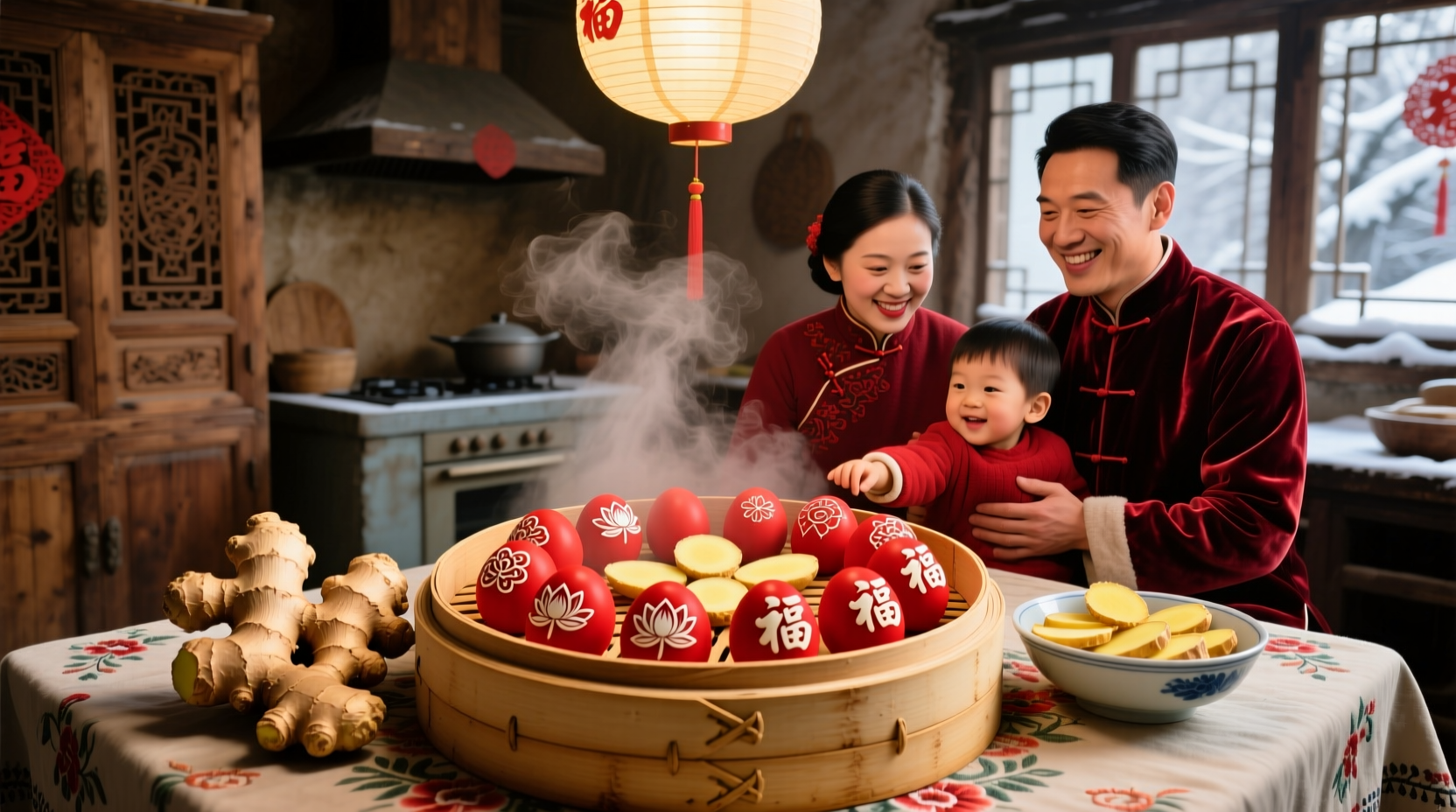
Red eggs and ginger refer to a ceremonial dish consisting of hard-boiled chicken eggs that have been dyed a deep red using food coloring or natural dyes like beet juice or red yeast rice, then gently stewed in a warm, fragrant broth made primarily from fresh ginger and brown sugar. The dish is traditionally prepared and distributed during postpartum celebrations, especially on the first month anniversary of a baby’s birth—known as the \"red egg and ginger party\" or *daa laai see* (in Cantonese), literally meaning “giving of gifts.”
The custom originates in southern China, particularly Guangdong and Fujian provinces, and has spread through diaspora communities worldwide. It is most commonly associated with Han Chinese traditions but has been adapted by other ethnic groups across Asia. The red color symbolizes luck, happiness, and protection against evil spirits, while ginger serves both a symbolic and physiological purpose—warming the body, aiding digestion, and supporting postnatal recovery according to traditional Chinese medicine (TCM).
Unlike everyday cooking, this dish is not consumed casually. It is prepared intentionally, shared selectively, and received as a token of inclusion in a family’s joy. Recipients are typically relatives, close friends, coworkers, and neighbors—anyone considered part of the extended social circle. In return, guests often bring small monetary gifts or auspicious items for the newborn.
Key Characteristics
| Characteristic | Description |
|---|---|
| Flavor Profile | Warm, mildly sweet, earthy, with a pronounced spicy warmth from ginger; the eggs absorb subtle sweetness and aroma. |
| Aroma | Prominent scent of fresh ginger, slightly caramelized sugar, and a clean egg note. |
| Color/Form | Bright red shells (artificial or natural dye); soft golden yolks; served warm in syrup or individually wrapped. |
| Heat Level | Mild thermal heat from ginger; no capsaicin-based spiciness. |
| Culinary Function | Ceremonial offering, symbolic food gift, postnatal tonic. |
| Shelf Life | Up to 3 days refrigerated; best consumed within 48 hours. Can be frozen for longer storage, though texture may change. |
| Serving Temperature | Warm or room temperature; rarely served cold. |
Practical Usage: How to Prepare and Serve Red Eggs and Ginger
Preparing red eggs and ginger is straightforward but requires attention to timing, ingredient quality, and cultural sensitivity. The process involves three stages: boiling and dyeing the eggs, preparing the ginger syrup, and combining them for gentle infusion.
- Boil and Dye the Eggs: Place large chicken eggs in a pot, cover with water, and bring to a boil. Simmer for 9–10 minutes. Drain, cool under running water, then gently crack the shells all over without peeling. Return eggs to the pot, add 2–3 tablespoons of red food coloring (or 1 cup beet juice/red yeast rice liquid), and enough water to submerge. Simmer 15–20 minutes until shells absorb a deep crimson hue. Remove, drain, and set aside.
- Prepare the Ginger Syrup: Peel and thinly slice 1 pound of fresh young ginger (preferred for tenderness). In a non-reactive pot, combine ginger, 4 cups water, and 1 cup brown sugar (rock sugar preferred for clarity and depth). Bring to a simmer and cook uncovered for 30–40 minutes, allowing flavors to meld and liquid to reduce slightly. Strain if desired, or leave ginger slices in for serving.
- Infuse the Eggs: Add the dyed eggs to the warm ginger syrup. Simmer gently for another 15–20 minutes so the eggs absorb flavor. Let cool slightly before packaging.
Pro Tip: For authentic texture and flavor, use young ginger (also called spring or baby ginger)—it's less fibrous, more aromatic, and doesn’t require pounding. If unavailable, mature ginger can be used but should be julienned finely or lightly crushed to release oils.
In home settings, the dish is often served in small takeaway containers with a few pieces of ginger and one or two eggs per portion. In formal parties, it may be presented on decorative trays alongside other auspicious foods like roasted pork, glutinous rice cakes (*nian gao*), or lotus seed soup.
Professionally, caterers specializing in Chinese banquets prepare hundreds of servings at once, using industrial pots and pre-measured spice blends. Some modern chefs experiment with infusing additional warming spices like goji berries, red dates, or cinnamon, though purists argue these alter the traditional profile.
Pairing Suggestions
- With Savory Dishes: Served alongside char siu (barbecued pork), steamed fish, or congee to balance sweetness with umami.
- As a Digestif: After rich meals, the ginger aids digestion and the mild sweetness provides closure.
- In Modern Fusion Menus: Chefs have incorporated red egg components into desserts—e.g., red-dyed custards or ginger-poached egg tarts—as a nod to heritage.
Variants & Types
While the core recipe remains consistent, regional and personal variations exist based on availability, belief systems, and generational preferences.
1. By Egg Type
- Chicken Eggs: Most common; standard size, easy to dye and handle.
- Quail Eggs: Used in some modern or compact versions; dyed red and served three to five per guest. Popular in urban areas where space and cost matter.
- Duck Eggs: Less common due to stronger flavor, but used in certain rural regions for their perceived richness.
2. By Dye Method
- Artificial Food Coloring: Fast, reliable, vibrant red. Most widely used today.
- Natural Dyes: Beetroot juice, red yeast rice water (*angkak*), or hibiscus tea. Gaining popularity among health-conscious families despite being less intense in color.
3. By Ginger Preparation
- Simmered Whole: Slices left intact in syrup; emphasizes visual appeal and gradual flavor release.
- Pounded or Crushed: Traditional method believed to extract maximum medicinal properties; creates a more pungent, textured syrup.
- Ginger Juice Blend: Rare, but used in some wellness-focused adaptations to intensify benefits without fibrous bits.
4. By Sugar Base
- Brown Sugar: Standard; imparts molasses notes and dark amber color.
- Rock Sugar: Preferred in high-end preparations; yields clearer syrup and smoother sweetness.
- Jaggery or Palm Sugar: Used in Southeast Asian variants (e.g., Malaysian-Chinese); adds floral, smoky complexity.
| Variant Type | Best Use Case | Notes |
|---|---|---|
| Chicken eggs + artificial dye | Large gatherings, commercial catering | Most accessible, consistent results |
| Quail eggs + natural dye | Modern, health-focused events | Elegant presentation, lower sugar options possible |
| Young ginger + rock sugar | Traditional ceremonies, elder-led households | Considered highest quality and most respectful |
| Mature ginger + brown sugar | Home kitchens, budget-conscious prep | Stronger bite, economical |
Comparison with Similar Ingredients
Red eggs and ginger are sometimes confused with other red-colored or ginger-based dishes, but key distinctions set them apart.
| Item | Similarity | Difference |
|---|---|---|
| Tee Poh (Preserved Ginger in Syrup) | Also uses ginger and sugar syrup | Not paired with eggs; preserved long-term; tangier, more concentrated; used medicinally rather than ceremonially |
| Red Cooked Eggs (Lu Dan) | Hard-boiled eggs dyed red using soy sauce and spices | Savory profile; used in wedding favors or temple offerings; includes star anise, cinnamon, and tea; not postnatal-specific |
| Century Eggs with Ginger | Served with ginger; egg-based dish | Uses preserved century eggs; strong ammonia aroma; served as appetizer; no red dye involved |
| Hot Pot Ginger Dipping Sauce | Features ginger and sweetness | Liquid condiment; includes vinegar, soy, chili; not associated with celebrations or eggs |
The uniqueness of red eggs and ginger lies in its dual function: as a celebratory signal and a culturally prescribed wellness food. Unlike generic ginger sweets or dyed snacks, it is context-bound—its meaning derived from timing, recipient, and intent.
Practical Tips & FAQs
Q1: Why are the eggs red?
A1: Red symbolizes good fortune, joy, and vitality in Chinese culture. It wards off negative energy and announces a happy occasion. The color mimics the hue of prosperity symbols like red envelopes (*lai see*) and lanterns.
Q2: Is there a vegetarian alternative?
A2: While the egg is central to the tradition, some families substitute with red-dyed tofu puffs or mushrooms stewed in ginger syrup when accommodating dietary restrictions. However, this is not universally accepted and may be seen as diluting the ritual’s significance.
Q3: Can I make it ahead of time?
A3: Yes. The ginger syrup can be made 2–3 days in advance and stored refrigerated. Dyed eggs keep well for 24 hours before infusion. Combine just before serving or pack separately for freshness.
Q4: How much ginger should I use per batch?
A4: A standard ratio is 1 pound (450g) of ginger to 6–8 eggs and 1 cup of sugar. Adjust based on desired intensity—some families prefer a milder taste for children and elders.
Q5: What do I do if someone can’t eat sugar?
A5: Consider offering plain poached ginger slices separately or reducing sugar significantly and using a non-nutritive sweetener like monk fruit. Note that low-sugar versions may lack traditional authenticity in flavor and appearance.
Q6: Are there religious or spiritual beliefs tied to this?
A6: While not strictly religious, the practice aligns with Confucian values of filial piety and communal harmony, and TCM principles of balancing bodily energies (*qi* and *xue*). The act of sharing reinforces social bonds and acknowledges lineage.
Storage Tip: Store infused red eggs in their syrup in airtight containers in the refrigerator. Reheat gently before serving—avoid boiling, which can make yolks dry and rubbery.
Case Study: A Modern Urban Adaptation
In Singapore, a young couple opted for a minimalist red egg and ginger party after their daughter’s birth. With limited kitchen space and a preference for organic ingredients, they partnered with a local artisanal producer who used quail eggs, beetroot dye, and house-churned ginger syrup sweetened with coconut palm sugar. They packaged the servings in compostable bamboo boxes with personalized thank-you notes. The result was praised by guests for honoring tradition while reflecting contemporary values of sustainability and wellness. This example illustrates how the ritual can evolve without losing its essence.
Summary & Key Takeaways
Red eggs and ginger are far more than a festive snack—they are a cultural artifact that communicates joy, continuity, and care. Rooted in Chinese tradition and practiced across generations and geographies, the dish embodies the intersection of food, medicine, and social ritual.
- The red color signifies luck and celebration, while ginger represents warmth, healing, and protection.
- Preparation involves dyeing hard-boiled eggs and simmering them in a fragrant ginger-sugar syrup, often using young ginger and rock sugar for premium results.
- Variants exist by egg type, dye method, and sweetener, allowing for adaptation based on region, diet, or occasion.
- It differs from similar ginger or red-colored dishes in purpose, symbolism, and context.
- Modern interpretations maintain relevance through sustainable sourcing, inclusive design, and mindful presentation.
Take Action: Whether you’re welcoming a new child, attending a red egg party, or exploring global culinary traditions, consider preparing a batch yourself. Follow the classic method first, then experiment with natural dyes or alternative sugars. Share it with intention—not just as food, but as a gesture of connection.