
Every year, millions of tons of wrapping paper end up in landfills after just minutes of use. While the act of gift-giving brings joy, the environmental cost of traditional wrapping methods is increasingly hard to ignore. The short answer to “Can I recycle gift wrap?” is: it depends. Not all wrapping paper is created equal, and many common types are not recyclable due to materials like plastic coatings, metallic finishes, or mixed fibers. Understanding what can and cannot be recycled—and exploring sustainable alternatives—can significantly reduce your ecological footprint.
Understanding Wrapping Paper Composition
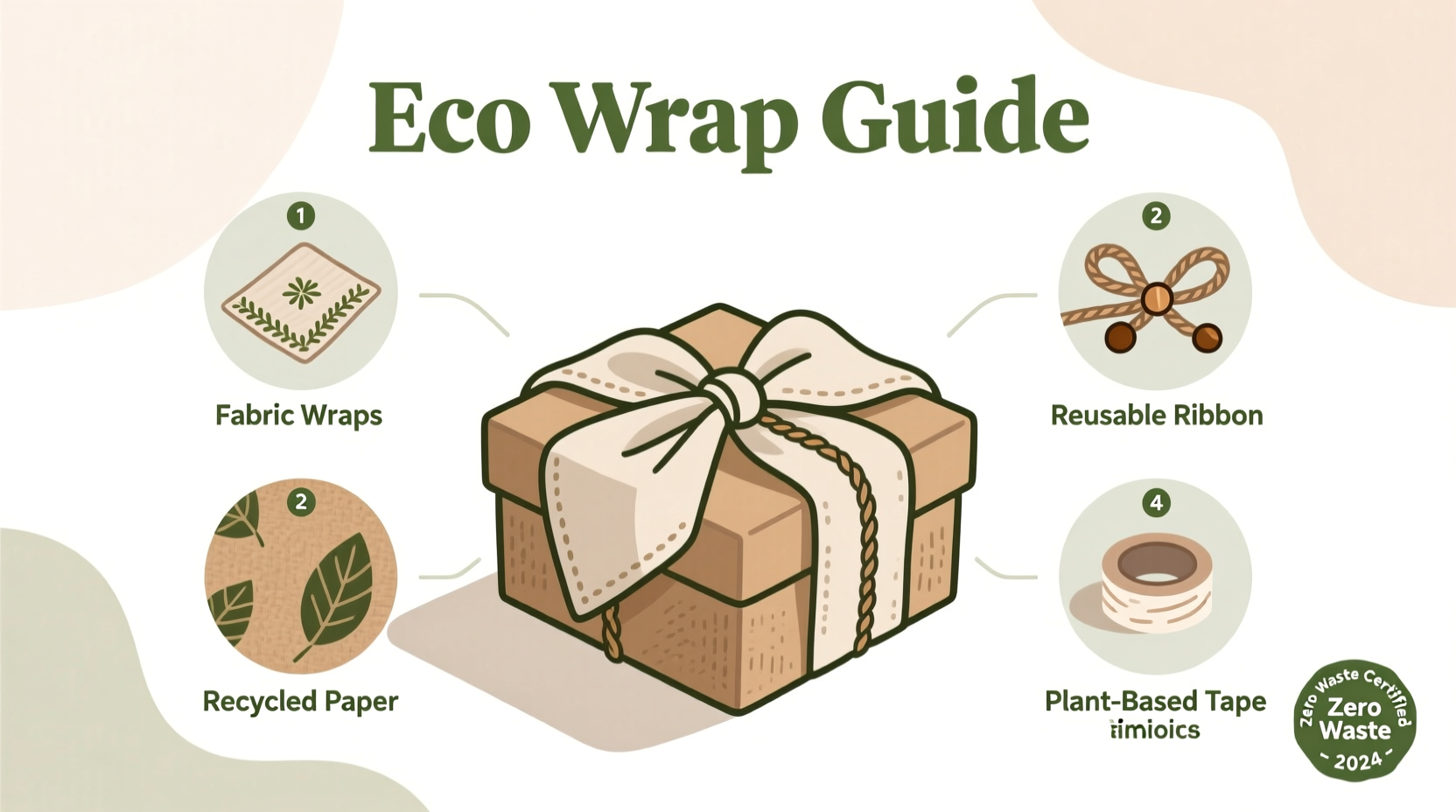
Wrapping paper isn’t a single material; it’s a category that includes various blends of paper, foil, plastic, dyes, and adhesives. The key to determining recyclability lies in its composition.
Traditional glossy or shiny wrapping paper often contains polyethylene (a type of plastic) or laminated coatings that make it waterproof and visually appealing—but also non-recyclable. Similarly, papers with metallic finishes, glitter, or heavy ink layers are typically rejected by recycling facilities because they contaminate the paper pulp during processing.
In contrast, plain kraft paper, uncoated printed paper, and some matte-finish wraps made from 100% recycled content are generally recyclable—provided they’re free of tape, ribbons, and other non-paper attachments.
Tip: Perform the \"scrunch test\": If you crumple the paper and it stays scrunched, it's likely recyclable. If it springs back, it probably contains plastic.Recycling Guidelines by Material Type
To avoid contaminating recycling streams, it’s essential to sort wrapping materials correctly. Here’s a breakdown of common wrapping types and their recyclability:
| Wrapping Material | Recyclable? | Notes |
|---|---|---|
| Plain kraft paper | ✅ Yes | Remove tape and labels before recycling. |
| Metallic or glossy paper | ❌ No | Often coated with plastic or aluminum. |
| Glitter-covered paper | ❌ No | Microplastics shed during recycling. |
| Textile gift bags (cotton, linen) | N/A (Reusable) | Wash and reuse multiple times. |
| Foil-based wrapping | ❌ No | Not accepted in most curbside programs. |
| Recycled-content matte paper | ✅ Yes | Check local facility rules for confirmation. |
“Contamination from non-recyclable wrapping materials can lead to entire batches of recyclables being sent to landfill.” — Sarah Lin, Waste Reduction Coordinator, Green Cities Initiative
Eco-Friendly Wrapping Alternatives
Instead of relying on disposable paper, consider sustainable substitutes that reduce waste and add charm to your gifts.
- Kraft paper with natural embellishments: Use twine, dried citrus slices, cinnamon sticks, or pressed flowers for decoration.
- Reusable fabric wraps (Furoshiki): A Japanese technique using cloth squares to elegantly bundle gifts. The fabric becomes part of the present.
- Old maps, newspapers, or sheet music: Repurpose used paper with character and history.
- Tins, jars, or baskets: Serve as both packaging and an additional gift component.
- Seed paper wraps: Embedded with wildflower seeds, these can be planted after use.
A Real Example: How One Family Reduced Holiday Waste
The Patel family in Portland, Oregon, decided to overhaul their holiday wrapping routine after learning that their city’s recycling center had rejected 30% of collected wrapping paper due to contamination. They switched to using only brown kraft paper and fabric wraps, labeling each gift with calligraphy-style tags made from recycled cardboard. They encouraged relatives to return fabric wraps at next year’s gathering for reuse. Over three years, they reduced their wrapping-related waste by 95%, and their creative packages became a festive tradition.
Step-by-Step Guide to Sustainable Gift Wrapping
Adopting eco-conscious habits doesn’t require perfection—just intentionality. Follow this simple process:
- Assess your current wrapping materials. Separate recyclable paper from non-recyclable types.
- Remove non-paper elements. Take off ribbons, bows, tape, and stickers before recycling.
- Choose reusable or compostable options. Opt for fabric, paper bags, or biodegradable wraps.
- Decorate sustainably. Use natural twine, wooden tags, or hand-drawn designs.
- Encourage recipients to recycle or return packaging. Include a small note: “This wrap is recyclable—please help keep it out of landfills.”
Common Myths About Gift Wrap Recycling
Several misconceptions persist about what can be recycled:
- Myth: All paper is recyclable.
Truth: Coatings, laminates, and mixed materials often make paper non-recyclable. - Myth: Glitter is harmless if it’s on paper.
Truth: Most glitter is plastic-based and sheds microplastics. - Myth: If it looks like paper, it can go in the bin.
Truth: Visual appearance is unreliable—use the scrunch test or check with your local facility.
FAQ
Can I recycle wrapping paper with tape on it?
No. Tape is not recyclable and must be removed. Even small amounts can interfere with the pulping process. Use paper tape or tie packages with string instead.
Is tissue paper recyclable?
Generally, yes—plain tissue paper is recyclable if clean and free of plastic coatings. However, dyed or metallic tissue may not be accepted. Check with your local program.
What should I do with leftover non-recyclable wrapping paper?
Repurpose it for crafts, drawer liners, or scrap paper. Avoid throwing it in the recycling bin, as it can contaminate the batch.
Checklist: Eco-Friendly Gift Wrapping Habits
Use this checklist to ensure your wrapping is as green as your intentions:
- ☐ Perform the scrunch test on any paper before recycling
- ☐ Remove all tape, ribbons, and non-paper decorations
- ☐ Choose reusable fabric wraps or boxes
- ☐ Decorate with natural, compostable materials
- ☐ Buy wrapping supplies from eco-certified brands
- ☐ Store reusable materials in a designated box for next year
- ☐ Educate family members on proper disposal
Conclusion
Gift wrap shouldn’t come at the cost of the planet. With growing awareness and accessible alternatives, it’s easier than ever to celebrate sustainably. Whether you're switching to kraft paper, embracing Furoshiki, or simply recycling more responsibly, every choice adds up. The goal isn’t perfection—it’s progress. By rethinking how we wrap, we honor both our loved ones and the environment.
💬 Ready to wrap greener? Start this season by choosing one eco-friendly alternative and share your experience with others. Small changes create lasting impact.