In recent months, customers across the United States have noticed changes at their local Big Lots stores—some locations have shuttered unexpectedly, while others display signs of reduced inventory and staffing. The discount retail giant, known for offering overstock and closeout deals on furniture, home goods, and groceries, has confirmed a wave of store closures. But what exactly is driving this shift? And what does it mean for loyal shoppers and employees?
This article breaks down the current situation at Big Lots, explores the financial and operational challenges behind the closures, and provides insight into what may come next for the company and its communities.
What’s Happening with Big Lots Store Closures?
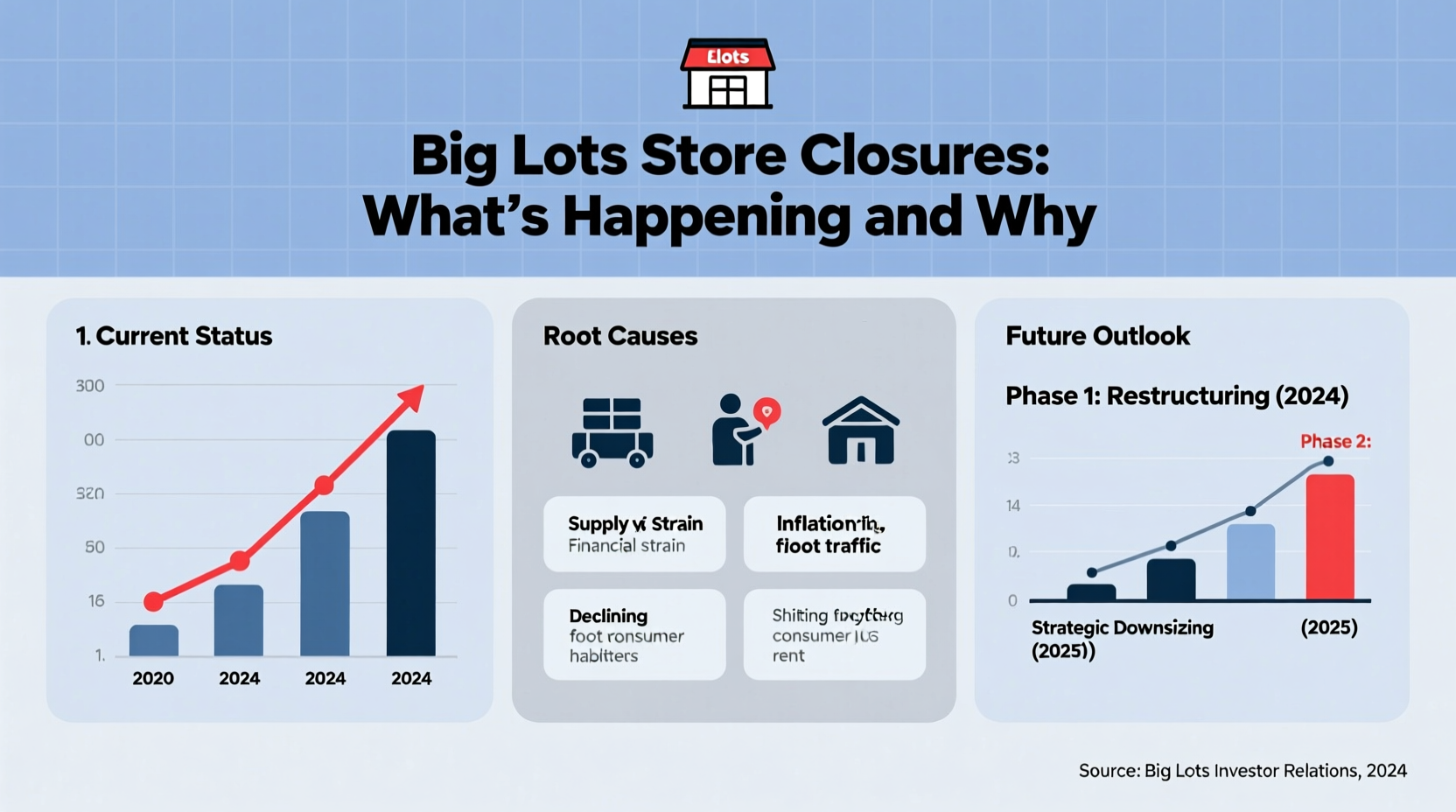
As of late 2023 and into early 2024, Big Lots announced the closure of dozens of underperforming stores nationwide. In January 2024, the company revealed plans to shut down approximately 500 locations—nearly one-third of its total footprint—as part of a broader restructuring effort. These closures are not isolated incidents but part of a strategic retreat aimed at stabilizing the business amid declining sales and mounting debt.
The closures have been concentrated in regions where stores consistently failed to meet revenue targets, including rural areas and smaller markets where foot traffic has dwindled. Some locations were temporarily converted into liquidation centers, selling off remaining inventory at steep discounts before closing permanently.
Customers reported confusion as some stores closed with little public notice. Social media platforms lit up with posts from concerned shoppers wondering if their neighborhood Big Lots would survive. Employees, too, were often informed only days in advance, raising concerns about communication and corporate transparency.
Why Are Big Lots Stores Closing? Key Factors Explained
The reasons behind the closures are multifaceted, rooted in both internal missteps and broader industry trends. Here are the primary drivers:
- Declining Sales and Profit Margins: Big Lots has struggled with shrinking revenues since 2022. A post-pandemic dip in consumer spending on home goods, combined with increased competition from dollar stores and e-commerce giants like Amazon, eroded its market share.
- Supply Chain Challenges: Unlike traditional retailers, Big Lots relies heavily on opportunistic buying—purchasing excess inventory from other companies. This model became less reliable during supply chain disruptions, leading to inconsistent product availability and frustrated customers.
- High Debt Load: The company carries significant long-term debt, limiting its ability to invest in store upgrades, marketing, or digital infrastructure. In 2023, Big Lots’ total liabilities exceeded $1 billion.
- Changing Consumer Behavior: Shoppers increasingly favor convenience and online shopping. Big Lots’ brick-and-mortar-heavy model hasn’t adapted quickly enough to compete with omnichannel retailers.
- Operational Inefficiencies: Reports indicate that many stores operated below optimal capacity, with outdated layouts and poor inventory management contributing to low customer satisfaction.
“Retailers built on inconsistent inventory models face existential risks when consumer expectations shift toward reliability and speed.” — Dr. Linda Chen, Retail Industry Analyst at Harvard Business School
Store Closure Timeline and Impact
The downsizing began in mid-2023 with a pilot round of 30 closures. By year-end, the pace accelerated dramatically. Below is a simplified timeline of key events:
| Timeline | Event | Impact |
|---|---|---|
| June 2023 | First 30 stores closed due to underperformance | Minimal public attention; mostly rural locations |
| October 2023 | CEO resigns; new leadership team appointed | Signal of strategic overhaul underway |
| January 2024 | Announcement of 500-store closure plan | Nationwide media coverage; investor concern |
| March 2024 | Liquidation sales begin at designated locations | Employees notified; community outreach increases |
| April–June 2024 | Ongoing closures; focus on profitable markets | Company aims to stabilize operations by Q3 |
The closures have affected more than just retail space—they’ve disrupted livelihoods. An estimated 10,000 employees have been impacted either through layoffs or relocation. Local economies in small towns, where Big Lots was sometimes the only large discount retailer, now face gaps in affordable shopping options.
Mini Case Study: The Closure of Big Lots in Muncie, Indiana
Muncie, Indiana, once hosted a bustling Big Lots store near the city center. For over 15 years, it served as a go-to destination for budget-conscious families, especially during back-to-school and holiday seasons. However, by late 2023, customers noticed dwindling stock and longer checkout lines due to reduced staff.
In February 2024, a sign appeared: “Everything Must Go – Store Closing.” Within six weeks, all merchandise was sold off, and the location shut down permanently. Former employee Maria Thompson shared, “We found out on a Tuesday. We had to clean out shelves by Friday. It felt rushed and disorganized.”
The closure left a void. While Dollar General and Walmart exist nearby, neither offers the same range of furniture or seasonal decor. Community leaders have since begun discussions about attracting alternative retailers, but no concrete plans have emerged.
Tip: If your local Big Lots is still open, check weekly for clearance tags—many items are marked down daily during liquidation phases.What’s Next for Big Lots? Strategic Shifts Underway
Despite the contraction, Big Lots isn’t disappearing entirely. The company is pursuing a turnaround strategy focused on three pillars:
- Slimmed-Down Footprint: Retaining only the most profitable 1,000–1,200 stores, primarily in suburban and high-traffic urban areas.
- Improved Inventory Consistency: Moving away from pure closeout buying toward more predictable supplier agreements to ensure popular products are regularly available.
- Digital Transformation: Investing in e-commerce capabilities, including curbside pickup and faster shipping options, to better compete with rivals like Target and Costco.
In addition, Big Lots has explored partnerships with other retailers to host pop-up sections within existing stores. One pilot program tested a “Big Lots Home” section inside select grocery stores, focusing on essentials like cleaning supplies and kitchenware.
Checklist: What Shoppers Should Do Now
- Verify your local store’s status on the official Big Lots website
- Take advantage of deep discounts at closing locations
- Sign up for email alerts to stay updated on promotions and changes
- Explore return policies—some closing stores may limit exchanges
- Support local alternatives while monitoring for potential reopenings
Frequently Asked Questions
Will Big Lots go out of business completely?
No, Big Lots does not plan to shut down entirely. While hundreds of stores are closing, the company intends to continue operating a smaller, more sustainable network of locations and improve its online presence.
Can I still use my Big Lots gift card at closing stores?
Yes, gift cards remain valid at all open locations, including those in liquidation. However, once a store closes, you’ll need to use your card elsewhere. Check the company’s website for updates on redemption rules.
Is Big Lots filing for bankruptcy?
As of June 2024, Big Lots has not filed for Chapter 11 bankruptcy. However, the company is undergoing a financial restructuring supported by lenders, which includes asset sales and cost-cutting measures to avoid insolvency.
Conclusion: Navigating Change in Retail
The story of Big Lots’ store closures reflects a larger trend in American retail: the struggle of legacy chains to adapt in a fast-moving, digital-first marketplace. While the closures are undoubtedly difficult for employees and communities, they also signal a necessary recalibration—one that could pave the way for a leaner, more resilient business model.
For consumers, staying informed is key. Knowing which stores are closing, understanding your rights as a shopper, and exploring alternative retailers can help minimize disruption. The retail landscape is evolving, and awareness empowers smarter choices.
💬 Have you been affected by a Big Lots closure? Share your experience or tips for fellow shoppers in the comments below—we’re listening and learning together.