Love is often portrayed as effortless—a magical connection that sweeps people off their feet. But for many, the reality is far more complicated. Beneath the longing for intimacy lies a quiet but persistent fear: the fear of being hurt, rejected, or losing oneself in another. This fear doesn’t mean you’re broken; it means you’ve been shaped by experience, emotion, and sometimes pain. Understanding why you're afraid to love is the first step toward reclaiming your capacity for deep, meaningful relationships.
The Roots of Fear in Love
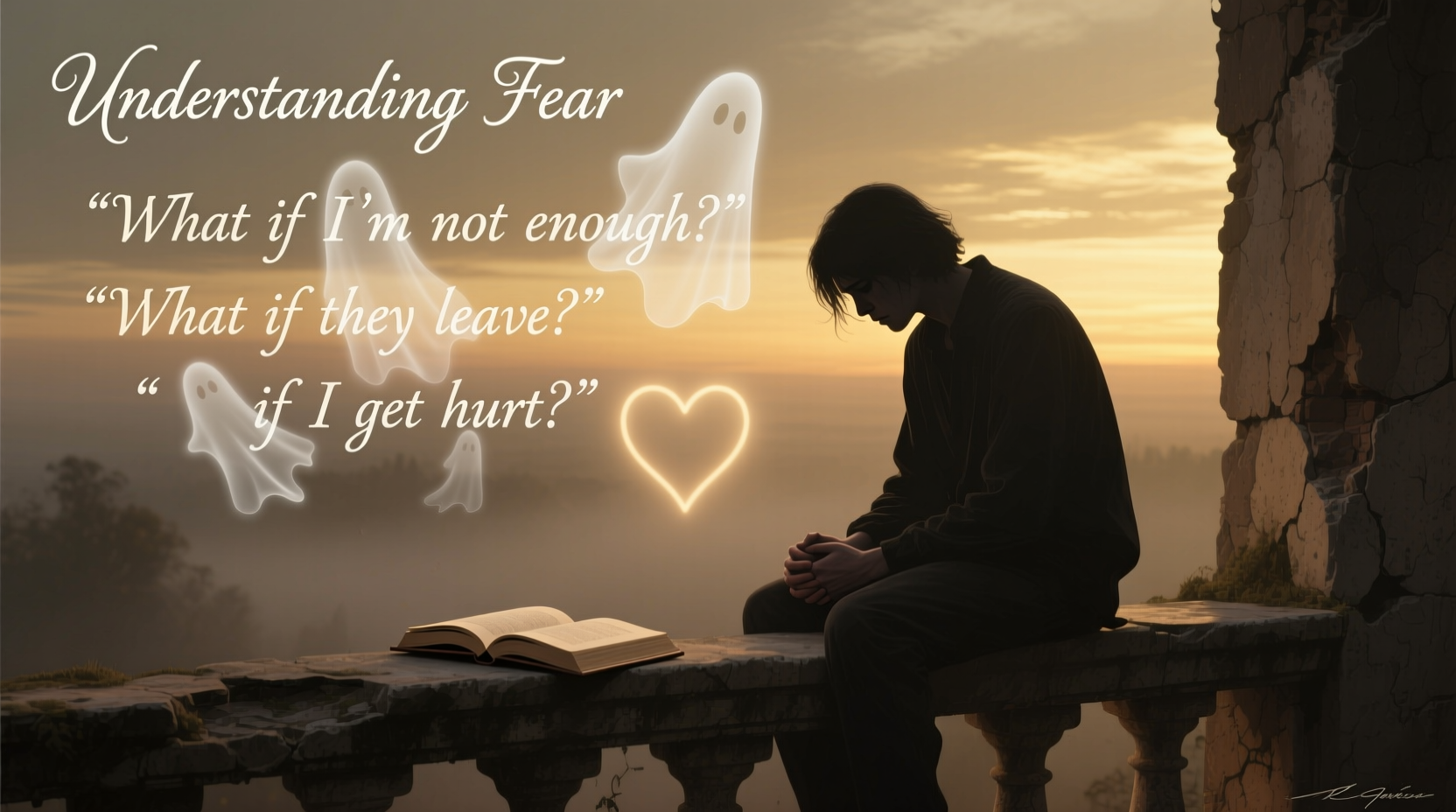
Fear of love rarely appears out of nowhere. It’s usually rooted in past experiences—childhood attachment patterns, previous relationship trauma, or societal messages about vulnerability. Emotional wounds from early life, such as inconsistent caregiving or abandonment, can create an internal blueprint that equates closeness with danger. Similarly, a painful breakup or betrayal can condition the mind to associate love with loss.
Psychologist John Bowlby’s attachment theory explains how early bonds with caregivers influence adult romantic relationships. Those with anxious attachment may fear abandonment and become overly dependent, while those with avoidant attachment may suppress emotional needs to protect themselves from perceived rejection. Both are forms of self-protection—but they come at the cost of authentic connection.
Tip: Reflect on your earliest relationships. Were you encouraged to express emotions, or were they dismissed? Awareness of these patterns is the foundation of change.Common Manifestations of Fear of Love
Fear doesn’t always announce itself with panic. It often shows up subtly—in hesitation, self-sabotage, or emotional distancing. Recognizing these signs is crucial:
- Emotional withdrawal: Pulling away when things get serious, even if you care deeply.
- Overanalyzing compatibility: Constantly searching for flaws to justify keeping someone at arm’s length.
- Avoiding commitment: Making excuses not to define the relationship or delaying future plans.
- Testing behaviors: Pushing partners to prove their loyalty, sometimes setting them up to fail.
- Low self-worth narratives: Believing you’re “too much” or “not enough” to be loved consistently.
These behaviors aren’t manipulative—they’re protective. The mind chooses loneliness over the risk of heartbreak because it perceives safety in isolation.
Breaking the Cycle: A Step-by-Step Guide
Healing isn’t about eliminating fear overnight. It’s about developing new responses to old triggers. Here’s a practical path forward:
- Identify your fear triggers: Notice when anxiety arises in relationships. Is it during affectionate moments? When discussing the future? Journal these instances to uncover patterns.
- Challenge negative beliefs: Replace thoughts like “I’ll get hurt” with evidence-based reflections: “I’ve handled pain before. I can navigate challenges with support.”
- Practice vulnerability in small doses: Share something personal with a trusted friend. Notice that openness doesn’t always lead to rejection.
- Set healthy boundaries: Love shouldn’t require self-abandonment. Define what emotional safety looks like for you.
- Seek consistent, safe connections: Choose partners who demonstrate reliability and emotional maturity, not just intensity.
“Fear of love is not weakness—it’s a sign that your heart has survived. Healing begins when we stop judging our defenses and start understanding them.” — Dr. Lena Torres, Clinical Psychologist
Do’s and Don’ts in Overcoming Fear of Love
| Do | Don't |
|---|---|
| Communicate your feelings honestly | Assume your partner knows what you need without telling them |
| Allow time for trust to build naturally | Rush into intense commitments to prove you’re “over” your fear |
| Work on self-esteem independently | Depend solely on a partner to make you feel worthy |
| Therapy or counseling to process past trauma | Isolate yourself to avoid potential pain |
| Accept that discomfort is part of growth | Interpret anxiety as proof that love is dangerous |
Real Example: Maria’s Journey Back to Trust
Maria, 34, ended a five-year relationship after discovering her fiancé had been emotionally involved with a coworker. Though she initiated the breakup, the betrayal left her questioning her judgment and worth. For two years, she dated casually but avoided anything serious. “Every time someone got close, I’d find a reason to leave,” she admitted.
After months of therapy, Maria realized her avoidance wasn’t about the men she dated—it was about protecting herself from feeling foolish again. She began journaling her fears and practiced staying present during emotional conversations. Slowly, she allowed herself to date someone with steady, low-drama energy. It wasn’t fireworks, but it was safe. Six months in, she said, “I still get nervous, but now I know the difference between intuition and fear. I’m learning to stay.”
Actionable Checklist: Rebuilding Your Capacity to Love
If you’re ready to move beyond fear, use this checklist to guide your journey:
- ☐ Identify one core belief about love that holds you back (e.g., “I always get abandoned”)
- ☐ Write down three past experiences that shaped this belief
- ☐ Challenge each experience with a compassionate reframe (e.g., “That relationship ended, but I grew stronger”)
- ☐ Practice one act of emotional honesty per week (sharing a fear, compliment, or need)
- ☐ Set a boundary that protects your peace without pushing others away
- ☐ Schedule a therapy session or join a support group focused on emotional healing
- ☐ Spend time observing healthy relationships—what do they model?
Frequently Asked Questions
Can fear of love go away on its own?
While some people naturally become more open over time, unresolved fear often resurfaces in new relationships. Active reflection, emotional education, and sometimes professional support are usually needed to break the cycle.
How do I know if my fear is justified or irrational?
Ask: Is my concern based on current behavior, or past trauma? A partner who consistently cancels plans may warrant caution; avoiding all closeness because of an ex’s betrayal is likely fear-driven. Self-awareness helps distinguish real red flags from emotional echoes.
Is it possible to love deeply if I’ve been hurt before?
Yes—and often, those who’ve healed from pain form the most resilient bonds. Healing doesn’t erase the past; it builds wisdom. With self-knowledge and intentional growth, deep, secure love is not only possible but profoundly rewarding.
Conclusion: Choosing Courage Over Comfort
Fear of love is not a life sentence. It’s a signal—a call to understand yourself more deeply and to rebuild trust, first within, then with others. Avoiding love might keep you safe in the short term, but it also keeps you isolated from one of life’s greatest sources of meaning. Every step you take toward vulnerability, no matter how small, is an act of courage.
You don’t have to be fearless to love. You just have to be willing to try. Start where you are. Name your fear. Question its power. And slowly, steadily, choose connection over protection. The heart that’s been broken can still beat with strength, wisdom, and yes—love.
💬 Your story matters. If this resonates, share your experience in the comments. Someone else might find hope in your journey.