
When summer heat hits, a non-functional air conditioner can quickly turn your home into an unbearable environment. If your AC unit refuses to turn on, it’s more than just an inconvenience—it can impact your comfort, health, and even energy bills. While some issues require professional help, many common problems can be diagnosed and resolved with basic troubleshooting. Understanding the root causes and knowing what steps to take can save time, money, and stress.
Common Reasons Your AC Won’t Turn On
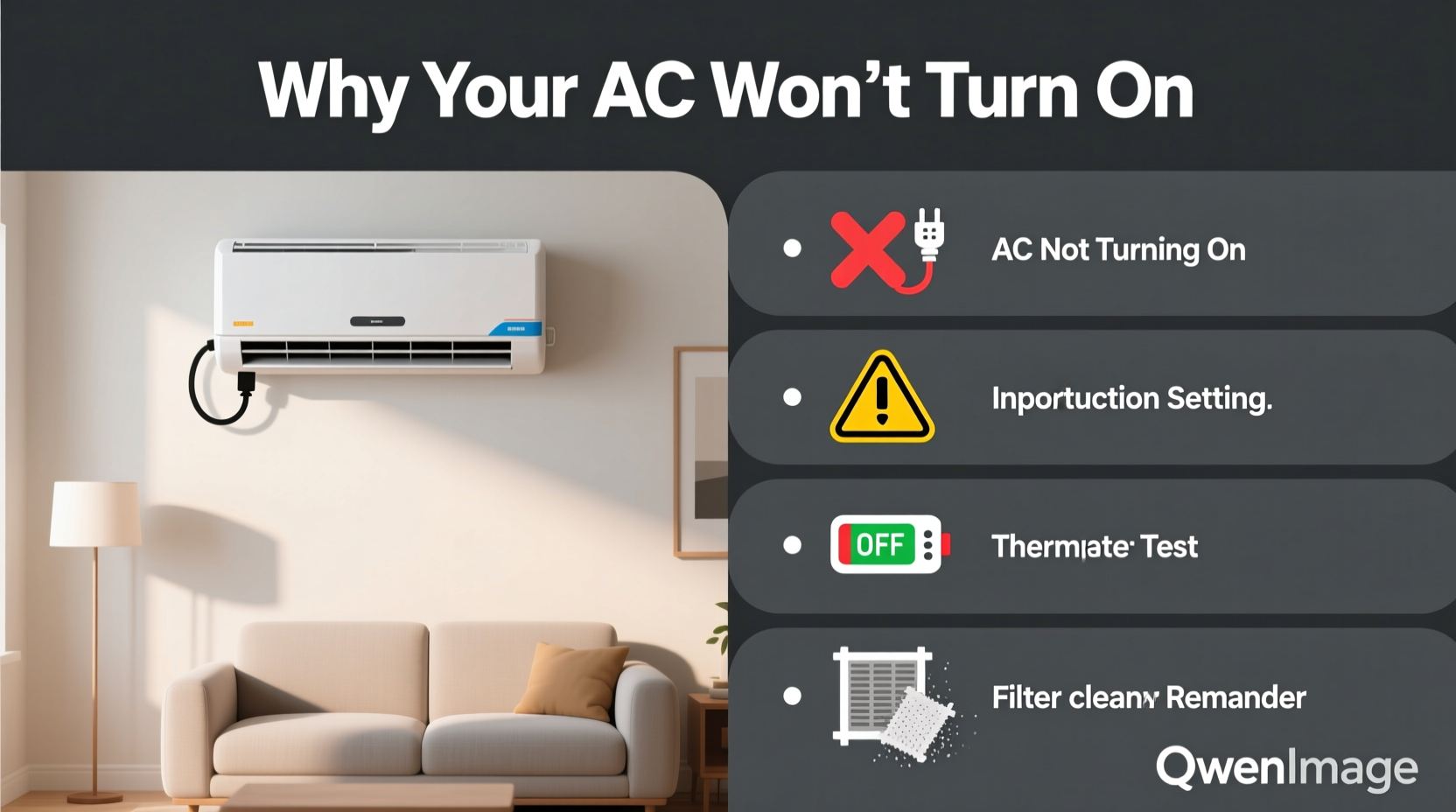
Air conditioning systems are complex, integrating electrical, mechanical, and refrigerant components. When the unit fails to power up, the issue could stem from several sources. Identifying the most frequent culprits is the first step toward restoration.
- Tripped circuit breaker or blown fuse: Overloaded circuits often trip breakers, cutting power to the AC.
- Thermostat malfunctions: Incorrect settings, dead batteries, or faulty wiring prevent the system from receiving startup signals.
- Dirty or clogged air filter: Restricted airflow can cause the system to shut down as a safety measure.
- Frozen evaporator coil: Low refrigerant or poor airflow leads to ice buildup, disabling cooling function.
- Outdoor unit issues: Debris, leaves, or animal nests blocking the condenser can prevent operation.
- Capacitor failure: The start capacitor provides the initial boost to motors; if failed, the compressor or fan won’t engage.
- Wiring or relay problems: Corroded, loose, or damaged wires disrupt communication between components.
Step-by-Step Troubleshooting Guide
Follow this logical sequence to identify and potentially resolve the issue without immediate service calls.
- Check the thermostat: Ensure it’s set to “Cool” and the temperature is lower than the current room reading. Replace batteries if needed.
- Inspect the circuit breaker: Go to your electrical panel and verify the AC breaker hasn’t tripped. Reset it if necessary.
- Examine the disconnect switch: Located near the outdoor unit, ensure it’s switched “On.” It may have been accidentally turned off.
- Look at the air filter: A dirty filter restricts airflow and can trigger safety shutoffs. Replace if clogged.
- Listen for sounds: When you attempt to start the AC, listen for humming (indicates power but possible capacitor issue) or silence (suggests no power).
- Inspect the outdoor unit: Clear away debris, leaves, or obstructions. Look for signs of ice on coils or bent fins.
- Check for error codes: Modern thermostats or indoor units may display fault indicators. Refer to the manual for meaning.
Tips for Preventing Future AC Failures
Preventive maintenance significantly reduces the likelihood of unexpected breakdowns. Implement these practices seasonally to keep your system reliable.
Tip: Schedule a professional tune-up in spring before peak cooling demand begins.- Replace air filters every 30–90 days, depending on usage and air quality.
- Keep the area around the outdoor condenser unit clear of vegetation and debris.
- Ensure vents and registers inside are unobstructed by furniture or rugs.
- Monitor thermostat responsiveness and calibrate if readings seem inaccurate.
- Inspect insulation on refrigerant lines for wear or moisture damage.
Do’s and Don’ts When Troubleshooting Your AC
| Do’s | Don’ts |
|---|---|
| Turn off power before inspecting electrical components | Ignore persistent strange noises like grinding or clicking |
| Clean the condenser coils annually with a soft brush | Use water hoses under high pressure on the outdoor unit |
| Test thermostat functionality with a multimeter if unsure | Attempt refrigerant recharging without certification |
| Keep pets and children away from the outdoor unit | Leave the system running if it trips the breaker repeatedly |
| Document recurring issues for your HVAC technician | Delay repairs when you notice reduced cooling or humidity control |
Real-World Example: A Homeowner’s Experience
In suburban Phoenix, Maria noticed her AC wouldn’t start one July morning. The house warmed rapidly, reaching 85°F within hours. She checked the thermostat—set correctly. No error lights. She went to the breaker panel and found the AC breaker had tripped. After resetting it, the system ran for five minutes before tripping again.
Suspecting an overload, she called an HVAC technician. The diagnosis? A failing compressor drawing excessive current. The capacitor was also bulging—a clear sign of imminent failure. Replacing both components restored full function. Had she ignored the repeated tripping, she risked damaging the entire system.
This case highlights the importance of not just resetting breakers, but understanding *why* they trip. Recurring electrical faults signal deeper mechanical issues.
“Repeated breaker trips aren’t just nuisances—they’re warning signs. Ignoring them can lead to costly compressor replacements.” — James Lin, Licensed HVAC Technician with 18 years of field experience
Essential Checklist Before Calling a Technician
Before scheduling a service call, run through this checklist to avoid unnecessary fees and possibly resolve the issue yourself.
- ✅ Thermostat is set to “Cool” below room temperature
- ✅ Thermostat batteries are fresh and functioning
- ✅ Circuit breaker is on and not tripped
- ✅ Disconnect switch near outdoor unit is turned on
- ✅ Air filter is clean and properly installed
- ✅ Outdoor unit is free of debris and has at least 2 feet of clearance
- ✅ No visible ice on indoor or outdoor coils
- ✅ Blower motor runs but AC doesn’t cool? May indicate refrigerant issue
- ✅ Unit hums but doesn’t start? Likely a bad capacitor
Frequently Asked Questions
Why does my AC click but not turn on?
A clicking sound usually means the thermostat is sending a signal, but the system isn’t responding fully. This often points to a failing capacitor, contactor, or low voltage issue. If the click is followed by a brief hum that cuts out, the compressor may be struggling to start due to electrical or mechanical strain.
Can a dirty air filter prevent my AC from turning on?
Yes. A severely clogged filter restricts airflow, causing the evaporator coil to freeze. Once ice builds up, safety switches shut the system down to prevent damage. Regular filter changes prevent this cycle and maintain efficiency.
Is it safe to reset the breaker multiple times?
No. If the breaker trips immediately after resetting, there’s likely a short circuit, ground fault, or failing component like the compressor or fan motor. Repeatedly resetting can overheat wiring and create fire hazards. Stop and call a professional.
Conclusion: Take Action Now to Stay Cool
An air conditioner that won’t turn on is more than a minor annoyance—it’s a threat to comfort and indoor air quality, especially during extreme temperatures. By understanding common causes and following a structured troubleshooting process, you can often identify and resolve simple issues quickly. However, recognizing when to call a licensed HVAC technician is equally important to avoid further damage.
Stay proactive with seasonal maintenance, respond promptly to warning signs, and keep your cooling system running efficiently year after year. Don’t wait for the next heatwave to discover a problem—address concerns early and ensure your home remains a cool, comfortable haven.
💬 Have you fixed your AC using these tips? Share your story or ask questions in the comments—your experience could help another homeowner beat the heat!