Types of 1 kg Stones for Art & Decor
A 1 kg stone is a versatile and commonly used weight in artistic, decorative, and functional applications. These stones come in various natural and processed forms, each offering unique textures, colors, and properties. Whether used in home décor, crafts, gardening, or jewelry, selecting the right type enhances both aesthetics and functionality.
River Stones
Naturally smooth pebbles collected from riverbeds, known for their soft texture and neutral tones.
Advantages
- Naturally smooth and safe to handle
- Versatile for indoor and outdoor use
- Eco-friendly with minimal processing
- Ideal for aquariums and terrariums
Limitations
- Limited color variety (mostly neutral)
- May require thorough cleaning
- Can be heavier than synthetic options
Best for: Aquascaping, garden pathways, Zen décor, and planters
Ceramic Stones
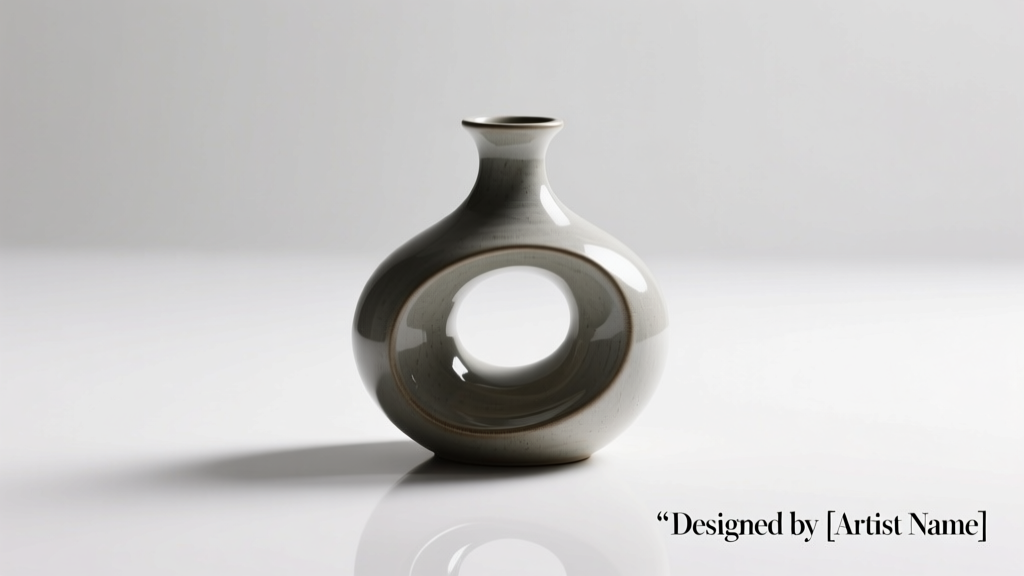
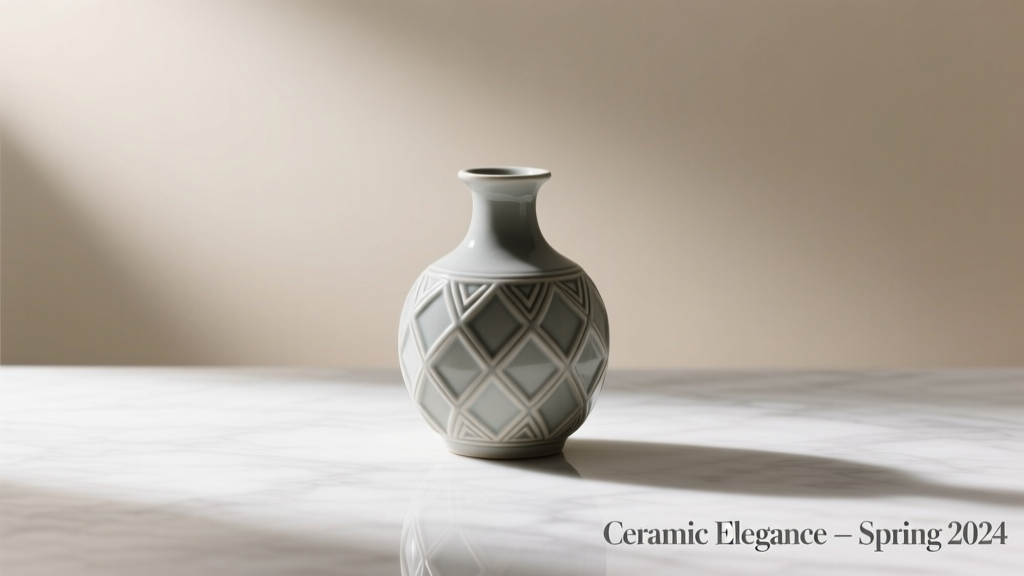
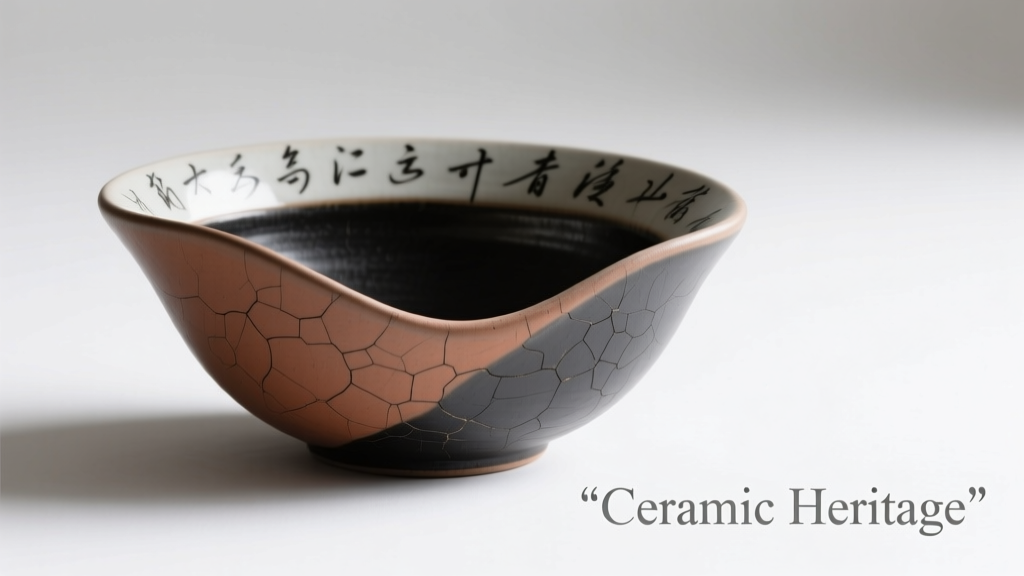
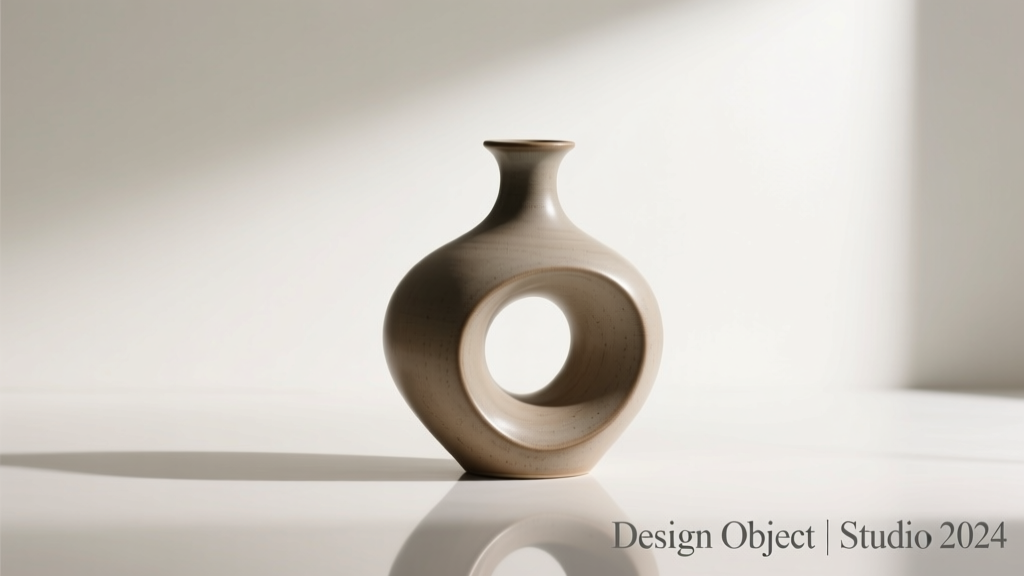
Artificially crafted from fired clay with a glazed finish, offering vibrant colors and a polished look.
Advantages
- Lightweight and easy to handle
- Available in diverse colors and shapes
- Excellent for detailed crafts and jewelry
- Skin-safe and non-toxic
Limitations
- Less durable under extreme conditions
- Can chip or crack if dropped
- Not suitable for high-heat applications
Best for: Jewelry making, decorative mosaics, and children's crafts
Polished Stones
Selected natural stones that are tumbled and polished to enhance color, shine, and smoothness.
Advantages
- Highly aesthetic with vibrant colors
- Smooth texture ideal for sensory applications
- Durable and long-lasting
- Suitable for both indoor and outdoor décor
Limitations
- More expensive than raw or river stones
- Processing may reduce natural authenticity
- Requires careful sourcing to avoid over-polishing
Best for: Premium décor, meditation spaces, and luxury landscaping
Lava Rocks
Volcanic stones formed from cooled lava, featuring a porous structure and lightweight build.
Advantages
- Excellent heat retention (ideal for grills)
- Naturally porous and lightweight
- Unique rugged appearance
- Great for drainage in gardening
Limitations
- Rough texture may not suit all applications
- Pores can trap dirt and moisture
- Not ideal for smooth-surface décor
Best for: Barbecue grills, hydroponics, rustic jewelry, and rock gardens
Sandstone
Artificial composite stones made from colored sands bonded with resin for durability and design flexibility.
Advantages
- Weather-resistant and durable outdoors
- Customizable colors and shapes
- Ideal for engraved plaques and signage
- Can be molded into functional items like bowls
Limitations
- Resin may degrade under prolonged UV exposure
- Less natural appearance than real stone
- May absorb moisture over time
Best for: Memorial plaques, garden ornaments, letterboxes, and decorative holders
| Type | Natural/Artificial | Texture | Common Uses | Weight Consideration (1 kg) |
|---|---|---|---|---|
| River Stones | Natural | Smooth, rounded | Aquariums, terrariums, landscaping | Dense and compact; ideal for weight-based décor |
| Ceramic Stones | Artificial | Smooth, glossy | Jewelry, crafts, mosaics | Lighter than natural stones; good for delicate designs |
| Polished Stones | Natural (processed) | High-gloss, smooth | Decorative displays, meditation areas | Balanced weight with premium appearance |
| Lava Rocks | Natural | Porous, rough | Grilling, gardening, jewelry | Lightweight per volume; 1 kg covers more area |
| Sandstone (Resin-Bonded) | Artificial | Granular, solid | Plaques, ornaments, bowls | Medium density; durable for outdoor use |
Expert Tip: When using 1 kg stones in aquariums or terrariums, always rinse them thoroughly to remove dust or residues. For ceramic or resin-based stones, ensure they are non-toxic and safe for aquatic environments.
Designs of 61 1 kg Stone: Artistic and Functional Applications
The 61 1 kg stone—often used for its consistent weight and size—has evolved beyond its practical utility into a versatile medium for creative expression. While originally valued in industrial, educational, or calibration contexts, this standardized stone has gained popularity in artistic, decorative, and therapeutic design applications. Its uniform dimensions make it ideal for crafting, arranging, and integrating into various aesthetic projects.
Geometric Stones
Geometric stones are precision-cut or naturally shaped stones refined into regular forms such as cubes, pyramids, cones, and spheres. These designs emphasize symmetry, clean lines, and smooth finishes, aligning with minimalist and modern aesthetics.
Commonly used in contemporary interior design, geometric stones serve as elegant centerpieces, bookshelf accents, or meditation objects. They are frequently incorporated into dioramas, Zen gardens, and architectural models. Due to their balanced form and earthy texture, geometric stones are also embraced in feng shui practices to promote harmony, stability, and energy flow in living spaces.
Sculpted Stones
Sculpted stones are hand-carved or machine-etched into intricate shapes representing animals, plants, deities, or abstract art. These customized designs transform the 61 1 kg stone into a unique art object, often highlighting the natural grain and color of the material.
Popular as decorative centerpieces, garden ornaments, or collectible art, sculpted stones are frequently used in galleries, homes, and public installations. Examples include stone gnomes, animal figurines, and floral reliefs. They also serve educational purposes in art classrooms, where students study form, proportion, and carving techniques using durable stone mediums.
Painted Stones
Painted stones involve decorating the surface of the 61 1 kg stone with acrylic paints, permanent markers, or sealants to create vibrant, detailed artwork. This accessible craft allows for endless creativity—from whimsical characters and mandalas to inspirational quotes and nature scenes.
Painted stones are especially popular among children, crafters, and community art groups due to their low cost, ease of creation, and high visual impact. Finished pieces are often used in gardening (as markers or borders), home décor (on shelves or in bowls), and even in jewelry making (drilled and strung as pendants). These stones also play a role in mental wellness projects, such as "kindness rocks" shared in public spaces.
Inlay Stones
Inlay stones are smaller fragments or precisely cut pieces of stone embedded into surfaces like wood, plaster, metal, or furniture to form decorative patterns or mosaics. When derived from or complementing a 61 1 kg base stone, these inlays maintain material consistency and color harmony.
Widely used in luxury craftsmanship, inlay stones enhance the visual appeal of high-end furniture, wall art, and flooring. Materials such as lapis lazuli, malachite, onyx, or turquoise are often selected for their rich colors and natural beauty. The inlay process requires precision and skill, making it a hallmark of fine artisan work in both traditional and contemporary design.
Sticker Stones
Sticker stones refer to stones pre-applied with adhesive-backed decals or those used as bases for sticker embellishments. These offer a quick, mess-free way to personalize objects without the need for painting or carving.
Ideal for temporary decorations, kids' crafts, and DIY projects, sticker stones can be easily attached to notebooks, phone cases, plant pots, or greeting cards. Available in various sizes, colors, and patterns—from glittery motifs to nature themes—they allow for instant customization with minimal effort. Their convenience makes them a favorite in classrooms, craft workshops, and promotional giveaways.
| Design Type | Primary Use | Best Suited For |
|---|---|---|
| Geometric Stones | Decorative & Spiritual | Modern interiors, feng shui, meditation spaces |
| Sculpted Stones | Artistic & Educational | Art displays, garden decor, teaching tools |
| Painted Stones | Craft & Personalization | Children's activities, home/garden decor, wellness projects |
| Inlay Stones | Luxury Craftsmanship | Furniture, fine art, architectural details |
| Sticker Stones | Temporary Decoration | DIY crafts, school projects, quick personalization |
Note: While the 61 1 kg stone is highly adaptable for creative uses, always consider the material’s durability, environmental exposure, and safety—especially when used in children’s crafts or outdoor installations. Use non-toxic paints, secure adhesives, and protective sealants to ensure longevity and safety. Proper handling and storage will preserve both the functional and aesthetic value of your stone designs.
Applications and Creative Uses of 61 x 1 kg Stones
Stones weighing 1 kg each, especially when grouped in sets of 61, offer remarkable versatility across a wide range of practical, decorative, and educational applications. Their uniform weight and natural aesthetic make them ideal for both functional and artistic purposes. Whether used individually or in bulk, these stones enhance projects with durability, visual appeal, and tactile quality.
Gardening & Landscaping
Decorative stones are a staple in both indoor and outdoor gardening, offering both beauty and functionality. Their use helps suppress weed growth, retain soil moisture, regulate temperature, and reduce erosion.
- Moisture retention: A layer of stones acts as mulch, minimizing evaporation and reducing the need for frequent watering
- Weed control: When used as ground cover, stones block sunlight from reaching unwanted plant seeds
- Aesthetic enhancement: River pebbles in multicolor, black polished stones, or white marble chips add elegance to planters, succulent arrangements, and Zen gardens
- Drainage improvement: Placed at the bottom of potted plants, they prevent waterlogging and root rot
Pro tip: Use smooth, rounded stones for indoor planters and textured varieties for outdoor pathways or borders
Home Decor & Interior Design
Stones bring a natural, earthy elegance to interior spaces, serving both decorative and structural roles in modern home design.
- Used in stone accent walls and fireplace surrounds for a rustic yet refined look
- Incorporated into vases, bowls, and candle holders to add weight, stability, and visual interest
- Featured in stone murals, wall art, and centerpieces for a tactile, organic design element
- Transformed into unique accessories like gemstone curtains, stone photo frames, or decorative coasters
Design insight: Combine different stone textures and colors to create focal points in minimalist interiors
Weddings & Special Events
Stones are increasingly popular in event décor, offering an affordable, reusable, and customizable way to elevate centerpieces and thematic displays.
- Serve as elegant bases for centerpiece arrangements, holding candles, floral stems, or small vases
- Perfect for guest book alternatives—guests can write messages on stones to be kept as keepsakes
- Used in wishing wells or unity ceremonies, symbolizing strength and permanence
- Colored or painted stones can match wedding themes, from beachy neutrals to vibrant palettes
Creative idea: Offer DIY stone kits for guests to paint during the event as a fun, interactive activity
DIY Projects & Craft Making
From simple embellishments to complex art installations, stones are a favorite medium among crafters for their adaptability and natural charm.
- Painted stones make beautiful gifts, garden markers, or holiday decorations
- Glued onto handbags, shoes, or furniture to create custom, high-end looks
- Used to fill decorative trays, lanterns, or glass containers with tea lights for ambient lighting
- Assembled into mosaics, wind chimes, or kinetic sculptures for indoor or outdoor display
Craft tip: Use waterproof sealant on painted stones for outdoor durability
Educational & Learning Activities
Stones are excellent low-cost tools for hands-on learning across multiple subjects, especially in early education and science classrooms.
- Geology lessons: Teach rock types (igneous, sedimentary, metamorphic), formation processes, and mineral identification
- Math activities: Use 1 kg stones for weight comparison, balance experiments, and measurement exercises
- Art integration: Combine with stickers, paint, or engraving for cross-curricular art and storytelling projects
- Sensory bins: Ideal for tactile learning in special education or early childhood development
Classroom idea: Create a "Stone of the Week" program to explore geological diversity and environmental science
Therapeutic & Mindfulness Uses
Beyond physical applications, stones play a role in mental well-being and mindfulness practices.
- Used in meditation spaces to promote grounding and focus
- Featured in zen gardens for stress relief and sensory engagement
- Painted as affirmation stones with positive words for emotional support
- Used in massage therapy or reflexology (when properly heated and sanitized)
Wellness note: Smooth, palm-sized stones are ideal for anxiety-relief and focus exercises
Expert Recommendation: When sourcing 61 stones of 1 kg each, consider uniformity in size and shape for design consistency, especially in large-scale projects. For outdoor use, opt for weather-resistant stones like granite or quartzite. For crafts and education, smoother, lighter-colored stones provide better paint adhesion and visibility. Always clean stones thoroughly before use to remove dust and debris.
| Application | Recommended Stone Type | Key Benefits | Best Use Case |
|---|---|---|---|
| Gardening | River pebbles, marble chips | Weed suppression, moisture retention | Planters, succulent gardens, pathways |
| Home Decor | Polished black stone, white quartz | Elegant appearance, durability | Vases, centerpieces, accent walls |
| Weddings & Events | Painted or dyed pebbles | Customizable, reusable | Centerpieces, guest favors, unity rituals |
| DIY Crafts | Smooth, flat river stones | Easy to paint, glue, and decorate | Art projects, personalized gifts |
| Educational Use | Mixed geological samples | Variety of textures and compositions | Science lessons, sensory learning |
Additional Tips for Maximizing Stone Utility
- Storage: Keep stones in labeled, breathable containers to prevent moisture buildup and maintain quality
- Cleaning: Wash with mild soap and water; avoid harsh chemicals that may alter appearance
- Sourcing: Choose ethically and sustainably harvested stones when possible
- Safety: Ensure edges are smooth for children’s projects and avoid using heavy stones in unstable arrangements
- Customization: Use acrylic paints, engraving tools, or adhesive gems to personalize stones for gifts or events
Specification & Maintenance Guide for 61.1 kg Decorative Stones
Decorative stones are not only aesthetically pleasing but also durable and functional elements in landscaping, interior design, and craft projects. The 61.1 kg stone—often used in garden pathways, artistic installations, or structural accents—requires proper understanding of its specifications and maintenance to preserve its appearance and longevity. This guide provides comprehensive details on the material characteristics, usage considerations, and best practices for care and storage to help you maximize the value and beauty of your decorative stones.
Note on Terminology: The term "61 1 kg stone" appears to refer to a 61.1-kilogram decorative or engineered stone. This guide assumes the intended weight is 61.1 kg. If referring to multiple 1 kg stones totaling 61 kg, adjust handling and placement accordingly.
Key Specifications of 61.1 kg Decorative Stones
- Weight and Dimensions
The 61.1 kg stone is a substantial decorative or functional element designed for stability and visual impact. Its weight ensures resistance to displacement from wind, foot traffic, or environmental forces, making it ideal for both indoor and outdoor installations. While the weight remains consistent at approximately 61.1 kilograms, the physical dimensions can vary significantly based on density and material type:
- Natural stone variants (e.g., granite, basalt) tend to be more compact due to higher density
- Engineered or resin-based stones may have larger volumes for the same weight
- Size typically ranges from 30–50 cm in diameter or length, depending on shape (round, rectangular, irregular)
- Heavier weight makes it suitable for anchoring features, defining borders, or serving as a centerpiece
- Material Composition
These stones are available in various compositions, each offering unique benefits:
- Natural Stone: Quarried materials such as limestone, sandstone, or slate with inherent veining and texture. These are chemically untreated and offer authenticity and long-term durability.
- Engineered Stone: Manufactured by combining crushed stone, sand, and polymer resins. Offers greater consistency in color and shape, with enhanced resistance to cracking.
- Hybrid Options: Some products feature natural stone exteriors with lightweight composite cores for easier handling without sacrificing appearance.
- All variants are available in a wide range of textures—from smooth and polished to rough-hewn or tumbled—for diverse design applications.
- Color and Surface Finish
The visual appeal of the 61.1 kg stone is enhanced through natural pigmentation or applied finishes:
- Natural Coloration: Derived from mineral content; includes earthy tones like gray, beige, rust, and charcoal.
- Enhanced Coloring: Some stones undergo staining or dyeing processes to achieve vibrant or custom hues for themed landscapes or art installations.
- Surface Treatments:
- Polished: High-gloss finish ideal for indoor use and decorative accents
- Honed: Smooth, matte surface that reduces glare and improves slip resistance
- Flamed or Textured: Rough finish for outdoor safety and rustic aesthetics
- Waxed or Sealed: Protective coating that deepens color and repels moisture
- Painted versions are often used in artistic or children's garden projects and should be treated with protective sealants to prevent chipping and fading.
Comprehensive Maintenance Guidelines
Proper maintenance ensures your 61.1 kg stones retain their beauty and structural integrity over time. Follow these best practices based on usage environment and material type.
- Regular Dusting and Dry Cleaning
Maintain surface clarity by removing loose dirt and debris weekly:
- Use a soft-bristle brush or dry microfiber cloth for routine dusting
- For polished or painted surfaces, microfiber is preferred to avoid fine scratches
- Outdoor stones may accumulate pollen or soot; gentle brushing prevents buildup
- Deep Cleaning Methods
Periodic cleaning removes embedded grime and restores appearance:
- Outdoor/Garden Stones: Rinse with plain water using a low-pressure hose. Use a soft nylon brush to scrub away algae, moss, or mud. Avoid high-pressure washers that may erode softer stones.
- Indoor or High-Touch Stones: Dampen a cloth with water and a small amount of mild, pH-neutral soap. Wipe gently and dry immediately with a clean towel.
- Avoid: Harsh chemicals, bleach, ammonia, or acidic cleaners (e.g., vinegar), which can strip sealants, fade colors, or etch stone surfaces.
- Protection from Sunlight and Weather
UV exposure and environmental elements can degrade appearance over time:
- Limit prolonged direct sunlight exposure, especially for painted or resin-based stones, to prevent fading and thermal cracking
- Place under eaves, shade structures, or among taller plants to create natural protection
- Apply a UV-resistant stone sealant annually for outdoor installations to preserve color and resist moisture absorption
- In freezing climates, ensure proper drainage around stones to prevent water retention and freeze-thaw damage
- Preventing Physical and Chemical Damage
While durable, these stones can be damaged by improper handling:
- Avoid dropping or striking the stone, especially on edges or corners
- Do not use solvents, paint thinners, or abrasive cleaners that may weaken resin binders or damage finishes
- For stones used in walkways or high-traffic areas, inspect periodically for chipping or wear
- If used in craft or accessory projects, store carefully and avoid contact with corrosive substances
- Proper Storage Techniques
When not in use, especially for decorative or painted stones, proper storage prevents damage:
- Store in a cool, dry place away from humidity and temperature extremes
- Wrap individually in soft paper, bubble wrap, or fabric to prevent scratching and chipping
- Stack only if necessary, and always place padding between layers
- Label containers if organizing by color, design, or project type for easy retrieval
- Keep away from heavy objects that could crush or shift during storage
| Maintenance Task | Frequency | Recommended Tools | Material-Specific Notes |
|---|---|---|---|
| Dusting | Weekly | Soft brush, microfiber cloth | Use microfiber for polished or painted surfaces |
| Washing | Every 1–3 months (outdoor), as needed (indoor) | Soft brush, water, mild soap | Avoid chemicals on resin or painted stones |
| Sealing | Annually (outdoor), optional (indoor) | Stone sealant, applicator pad | Enhances color and UV resistance |
| Inspection | Biannually | Visual check, flashlight | Look for cracks, fading, or loose edges |
| Storage | As needed | Paper, fabric, storage bins | Wrap individually to prevent contact damage |
Expert Tip: For outdoor decorative stones, consider rotating their position every 6–12 months to ensure even exposure to sunlight and weathering. This helps maintain uniform appearance and prevents one side from fading or accumulating more dirt than others.
Additional Care Recommendations
- Document the type, color, and purchase date of your stones for future reference or replacement matching
- Use trivets or coasters if placing stones near food or drink areas to prevent staining
- For artistic or painted stones, apply a clear acrylic sealer every 6–12 months to protect designs
- Inspect sealant integrity annually, especially in high-moisture environments like gardens or patios
- When moving heavy stones, use a dolly or lifting straps to avoid injury and surface damage
By understanding the specifications and following proper maintenance routines, your 61.1 kg decorative stones can remain a striking and durable feature in any setting. Whether used for landscaping, interior design, or creative projects, these stones offer lasting value when cared for correctly. When in doubt about cleaning methods or long-term preservation, consult a stone care professional to ensure compatibility with your specific stone type.
Frequently Asked Questions About 61 1 kg Decorative Stones
Q1: What Are 61 1 kg Stones Made Of?61 1 kg stones come in both natural and artificial varieties, each offering unique textures, colors, and applications. These stones are typically grouped into two main categories:
- Natural Stones: Include river stones, lava rocks, and sandstone. These are formed through natural geological processes and prized for their organic appearance and durability.
- Artificial Stones: Comprise manufactured materials such as ceramic stones, resin-based stones, and sticker stones (decorative overlays). These are engineered for consistency in size, shape, and color, making them ideal for specific design themes.
Each type brings its own aesthetic and functional benefits—river stones offer smooth finishes perfect for pathways, while lava rocks provide a porous, rustic look great for landscaping. Ceramic and sticker stones allow for vibrant colors and patterns suited to indoor decor or themed events.
Q2: What Purpose Do 61 1 kg Stones Serve?61 1 kg stones are primarily used as decorative elements that enhance both outdoor and indoor spaces. Their versatility makes them valuable across various settings:
- Gardens & Landscaping: Used as ground cover, border accents, or in Zen gardens to create calming visual textures.
- Interior Design: Placed in vases, trays, or aquariums to add elegance and natural appeal to living rooms, offices, or lobbies.
- Art & Craft Projects: Ideal for creating painted rock art, mosaics, sculptures, or personalized gifts. Artists use them to express creativity and transform ordinary spaces with unique installations.
- Therapeutic & Mindfulness Uses: Often used in meditation spaces or sensory play for children due to their tactile nature and soothing appearance.
By combining beauty and functionality, these stones help elevate the ambiance of any environment, whether used subtly or as a focal design element.
Q3: How Can 61 1 kg Stones Be Customized?Customizing 61 1 kg stones allows for personal expression and tailored design solutions. There are several creative and practical ways to modify them:
- Painting: Use acrylic paints, waterproof markers, or specialty rock paints to add colors, patterns, quotes, or images. Seal with a clear varnish for outdoor durability.
- Cutting & Shaping: Artificial stones like ceramic or sticker stones can be cut into specific shapes (hearts, stars, initials) using tile cutters or craft tools for bespoke designs.
- Inlay Work: Embed stones into surfaces like tables, mirrors, or walls using adhesives or resin for decorative inlays that reflect personal style or cultural symbolism.
- Engraving or Etching: Permanent designs can be added using engraving tools or acid etching for a professional finish.
These customization options make the stones ideal for personalized gifts, wedding favors, classroom projects, or branding elements in commercial spaces.
Q4: What Are the Common Uses of 61 1 kg Stones?While primarily decorative, 61 1 kg stones have a wide range of applications across multiple domains:
| Use Case | Description |
|---|---|
| Home Decor | Used in vases, candle holders, plant pots, and wall art to add texture and visual interest to interiors. |
| Weddings & Events | Decorate centerpieces, aisle markers, guest books, or favor jars with monogrammed or painted stones for a unique touch. |
| Educational Institutions | Schools and kindergartens use them for sensory bins, counting exercises, or art activities to engage students creatively. |
| DIY & Craft Projects | Popular in handmade crafts such as rock painting, mosaic tiling, garden markers, and holiday decorations. |
| Landscaping & Outdoor Design | Applied in walkways, water features, flower beds, and drainage systems for both aesthetics and functionality. |
Their consistent weight (1 kg per set of 61 stones) and uniform size make them easy to store, transport, and integrate into large-scale or repetitive designs, ensuring balanced and professional results.