Types of 510 Drip Tips: A Complete Guide for Vapers (2013 & Beyond)
Vaping has grown into a popular alternative to traditional smoking, with millions embracing it for its customization, flavor variety, and reduced harm potential. One of the most personalized and functional components of any vape setup is the drip tip—the mouthpiece attached to the top of a vape tank or atomizer. The 510 threading standard makes drip tips interchangeable across most devices, allowing users to tailor their vaping experience. From enhancing flavor to improving vapor production and comfort, different types of 510 drip tips serve distinct purposes. This guide explores the most common types available, including their benefits, ideal use cases, and material properties.
Wide-Bore Drip Tips
Designed for cloud chasers and high-performance vapers, wide-bore drip tips feature a larger internal diameter (typically 8–10mm), allowing for increased airflow and vapor volume with each draw.
Advantages
- Maximizes vapor production for dense cloud formation
- Enhances airflow for a smoother, more open draw
- Ideal for use with sub-ohm tanks and high-wattage mods
- Delivers warmer, more intense flavor at high power
Limitations
- Less precise flavor control compared to narrow tips
- May feel bulky or uncomfortable for some users
- Not ideal for discreet vaping or low-power setups
Best for: Cloud chasing, direct-to-lung (DTL) vaping, high-wattage devices
Narrow-Bore 510 Drip Tips
Narrow-bore drip tips (typically 4–6mm in diameter) restrict airflow slightly, concentrating vapor and enhancing flavor delivery—perfect for vapers who prioritize taste over vapor volume.
Advantages
- Intensifies flavor by focusing vapor onto the tongue
- Provides a tighter, more controlled draw
- Excellent for mouth-to-lung (MTL) vaping
- Compatible with low-wattage, pod-style, and starter kits
Limitations
- Limited vapor production
- May feel restrictive for DTL vapers
- Less cooling effect compared to wider tips
Best for: Flavor-focused vaping, MTL users, beginners, nicotine salt e-liquids
Delrin Drip Tips
Made from polyoxymethylene (POM), commonly known as Delrin, these drip tips are prized for their heat resistance, durability, and smooth finish. Delrin is a high-performance thermoplastic that doesn’t conduct heat like metal, making it comfortable during extended use.
Advantages
- Excellent heat insulation—stays cool during use
- Durable and resistant to cracking or warping
- Lightweight and comfortable in the mouth
- Available in various colors and finishes
Limitations
- Can discolor over time with certain e-liquids (especially sweet or colored juices)
- Softer than metal or glass—may show wear with heavy use
- Not recommended for extremely high-temperature vaping
Best for: Everyday vapers seeking comfort and style, mid-to-high wattage setups
Metal Drip Tips
Crafted from stainless steel, aluminum, or titanium, metal drip tips offer a sleek, modern look and exceptional durability. They’re popular among advanced users who value longevity and aesthetics.
Advantages
- Highly durable and resistant to impact
- Premium appearance with polished or brushed finishes
- Easy to clean and maintain
- Does not absorb e-liquid or odors
Limitations
- Conducts heat quickly—can become hot during prolonged use
- Heavier than plastic or resin tips
- May feel cold or metallic in the mouth
Best for: Experienced vapers, custom mods, users who prioritize build quality and aesthetics
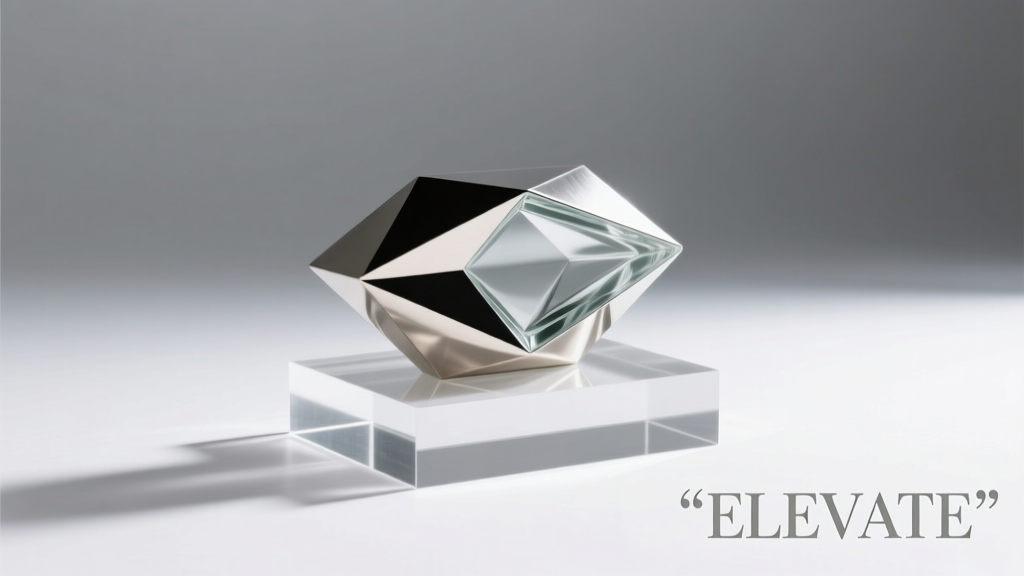
Glass & Crystal Drip Tips
These drip tips are crafted from borosilicate glass or decorative crystal (such as Swarovski), offering unmatched visual appeal and a smooth, neutral vaping experience.
Advantages
- Pristine flavor delivery—no interference from material taste
- Stays cooler than metal and doesn’t discolor like Delrin
- Highly resistant to e-liquid corrosion
- Offers a luxurious, customizable look for mod builders
Limitations
- Fragile—can break if dropped or impacted
- More expensive than other materials
- Limited availability and variety
Best for: Style-conscious vapers, show mods, collectors, flavor purists
| Type | Material | Vapor Production | Flavor Quality | Heat Resistance | Best For |
|---|---|---|---|---|---|
| Wide-Bore | Various (Delrin, Metal, Resin) | High | Good | Medium | Cloud Chasing, DTL Vaping |
| Narrow-Bore | Plastic, Delrin, Metal | Low | Excellent | High | Flavor Chasing, MTL Vaping |
| Delrin | Polyoxymethylene (POM) | Medium | Very Good | High | Comfort, Daily Use |
| Metal | Stainless Steel, Aluminum | Medium | Good | Low | Durability, Aesthetics |
| Glass/Crystal | Borosilicate, Crystal | Medium | Excellent | High | Style, Flavor Purity |
Expert Tip: When switching drip tips, ensure compatibility with your tank’s 510 threading. Some drip tips may require a small adapter or O-ring to fit snugly. For optimal hygiene, clean your drip tip regularly with warm water and mild soap—especially glass and Delrin types that can absorb residue over time.
Design and Functionality of 510 Drip Tips (2013)
Drip tips—commonly referred to as vape mouthpieces—are far more than just aesthetic accessories; they play a pivotal role in the overall vaping experience. While their unique designs and visual appeal often attract users, the functional engineering behind 510 drip tips significantly influences comfort, performance, and safety. Introduced widely in the early 2010s, including notable design advancements in 2013, the 510-thread drip tip became a standard across the vaping industry due to its universal compatibility and modularity.
Below is a comprehensive breakdown of the key functional design elements that define high-performing 510 drip tips, combining both ergonomic innovation and engineering precision to enhance the user experience.
Heat Resistance and Thermal Insulation
Material Science in Drip Tips
One of the most critical functions of a drip tip is to insulate the user from heat generated during prolonged vaping sessions. As vapor travels from the coil through the tank, residual heat can transfer to the mouthpiece. Materials such as Delrin (a type of thermoplastic polymer), silicone, and POM (polyoxymethylene) are widely used for their excellent thermal resistance and low heat conductivity.
Delrin, in particular, gained popularity in 2013 for its durability, smooth finish, and ability to remain cool to the touch even after extended use. Metal drip tips, while stylish, tend to retain heat and are less ideal for direct lip contact unless paired with internal insulating sleeves.
User Safety and Comfort
Effective heat insulation not only enhances comfort but also prevents burns or discomfort during back-to-back vaping. High-quality drip tips are designed with internal air channels that minimize direct contact between hot vapor and the inner walls of the mouthpiece, further reducing heat transfer.
This feature is especially important for sub-ohm vapers and those using high-wattage devices, where vapor temperatures can exceed safe thresholds. Insulated drip tips ensure a consistently cool and enjoyable draw, even during intensive use.
Aerodynamics and Vapor Delivery Efficiency
Wide-Bore vs. Narrow-Bore Designs
The internal diameter of a drip tip—commonly categorized as wide-bore (10mm+), standard-bore (8–9mm), or narrow-bore (6–7mm)—directly affects airflow dynamics and vapor production. Wide-bore drip tips offer less resistance to airflow, allowing for smoother, cooler draws ideal for cloud chasing.
These are particularly favored in direct-to-lung (DTL) vaping setups, where large volumes of vapor are inhaled quickly. The aerodynamic design reduces turbulence, ensuring efficient vapor transfer from tank to mouth.
Flavor Concentration and Draw Control
Narrow or tapered drip tips, often used in mouth-to-lung (MTL) devices, create a more restricted airflow that increases vapor density and enhances flavor perception. The constriction helps concentrate the vapor, allowing the user to better detect subtle notes in e-liquid profiles.
This design mimics the sensation of traditional cigarette smoking, making it ideal for users transitioning from combustible tobacco. The 2013 era saw a rise in hybrid drip tips that combined tapered interiors with wide exteriors, balancing flavor and vapor production.
Ergonomics and User Comfort
Shape and Lip Contact Design
Comfort is a major factor in long-term vaping satisfaction. Many 510 drip tips introduced in 2013 featured rounded, beveled, or flared edges to reduce lip fatigue during extended sessions. Smooth finishes and contoured shapes prevent chafing and improve grip, especially important for users who vape frequently.
Materials like soft-touch silicone or rubberized coatings were also experimented with to enhance tactile comfort and reduce slippage.
Ergonomic Styles: Whistle & Duckbill
Some drip tips adopt nostalgic designs such as the "whistle" or "duckbill" shape, which resemble the mouthpieces of old-school smoking pipes or cigar holders. These styles not only appeal aesthetically but also promote a natural seal between the lips and the tip, improving draw consistency.
For ex-smokers, these familiar shapes can ease the transition to vaping by replicating the oral fixation and hand-to-mouth motion associated with traditional smoking.
Leak-Proof Sealing and Compatibility
While not standard across all models, advanced 510 drip tips began incorporating sealing technologies to combat a common issue: e-liquid leakage. Integrated O-rings or silicone gaskets ensure a tight fit between the drip tip and the tank’s top cap, minimizing gaps where liquid could escape.
Adjustable Airflow Control
A cutting-edge feature introduced in premium 510 drip tips around 2013 was adjustable airflow. These innovative designs included rotating collars or sliding sleeves that allow users to fine-tune the draw resistance without changing the entire tank or coil setup.
Customizable Draw Experience
By adjusting the aperture size, vapers can switch between loose DTL draws and tight MTL inhales on demand. This flexibility is especially valuable for users who enjoy both cloud production and flavor-focused vaping.
Enhanced Vapor Profile Control
Adjustable airflow influences vapor temperature, density, and throat hit. A more restricted draw increases flavor intensity and throat sensation, while an open draw cools the vapor and increases volume—ideal for cloud competitions.
| Design Feature | Primary Benefit | Best Suited For |
|---|---|---|
| Delrin/Silicone Material | Superior heat insulation | High-wattage and sub-ohm devices |
| Wide-Bore Interior | Increased vapor flow, smoother draw | Cloud chasers, DTL vapers |
| Narrow/Tapered Bore | Enhanced flavor concentration | MTL vapers, flavor enthusiasts |
| O-Ring Seals | Reduces e-liquid leakage | Portable devices, travel use |
| Adjustable Airflow | Customizable draw resistance | Hybrid vapers, advanced users |
Important: When selecting a 510 drip tip, consider both material safety and compatibility with your device. Avoid low-quality plastics that may degrade over time or release harmful chemicals when heated. Always ensure the drip tip fits securely to prevent leaks or dislodging during use. Regular cleaning is recommended to maintain hygiene and optimal airflow performance.
In summary, the 2013 era marked a turning point in the evolution of 510 drip tips, where manufacturers began prioritizing functional performance alongside aesthetic diversity. From heat-resistant materials to aerodynamic bores and ergonomic shapes, modern drip tips are engineered to elevate every aspect of the vaping experience—proving that even the smallest component can have a significant impact on satisfaction, safety, and style.
Scenarios of 510 Drip Tips (2013 Guide)
The use of 510 drip tips has evolved significantly since 2013, with designs and materials tailored to meet diverse vaping styles, preferences, and lifestyles. These small yet crucial components play a major role in vapor delivery, comfort, flavor intensity, and overall user experience. Understanding the ideal scenarios for different types of 510 drip tips helps vapers make informed choices based on their device, technique, and personal needs.
Sub-Ohm Vaping
Sub-ohm vaping—using coils with resistance below 1.0 ohm—delivers massive vapor production and requires compatible hardware for optimal performance. Wide-bore 510 drip tips are essential in this context, as they allow unrestricted airflow and accommodate the large volume of vapor generated at high power levels.
- Wide-bore tips (8mm+) reduce air resistance, enabling smoother, fuller draws
- Ideal for direct-to-lung (DTL) inhalation, commonly used in sub-ohm setups
- Enhances cloud production, making it a favorite among "cloud chasers"
- Durable materials like Delrin or Ultem withstand heat from prolonged high-wattage use
Pro insight: Pair wide-bore drip tips with low-resistance coils and high VG e-liquids for maximum vapor density.
Mouth-to-Lung (MTL) Vaping
Mimicking the draw of traditional cigarettes, mouth-to-lung vaping involves drawing vapor into the mouth before inhaling into the lungs. This technique benefits greatly from narrow-bore drip tips, which create a tighter, more restricted airflow that enhances throat hit and control.
- Narrow bores (4–6mm) concentrate vapor flow, improving draw precision
- Perfect for beginners transitioning from smoking to vaping
- Increases flavor perception by directing vapor efficiently to the palate
- Works best with higher-nicotine, low-wattage devices and nicotine salts
Key advantage: Offers a familiar, satisfying experience for ex-smokers seeking a realistic alternative.
Flavor Enhancement with E-Liquids
For vapers who prioritize rich, nuanced flavor profiles—especially those using complex dessert, fruit, or beverage-inspired e-liquids—narrow-bore drip tips are highly effective. They focus vapor delivery, allowing for a more concentrated taste experience with each puff.
- Concentrated airflow enhances flavor clarity and subtlety
- Best paired with MTL or restricted DTL tanks for flavor chasing
- Shorter, cooler draws preserve delicate flavor notes that can be lost in hot, airy hits
- Materials like Delrin or resin provide neutral taste transmission without interfering with flavor
Flavor tip: Combine a narrow drip tip with a well-wicked coil and temperature-controlled device for peak taste performance.
High-Wattage Vaping
High-wattage vaping (typically 60W and above) generates dense, warm vapor quickly but also transfers more heat to the mouthpiece. Using a wide-bore 510 drip tip helps mitigate this by improving airflow and reducing vapor dwell time, resulting in a cooler, more comfortable draw.
- Improved airflow reduces heat buildup during extended sessions
- Larger diameter allows faster e-liquid vaporization and smoother draws
- Reduces suction effort, making it easier to pull large clouds
- Heat-resistant materials like ceramic, Ultem, or metal are recommended for durability
Safety note: Avoid plastic tips not rated for high heat; they may degrade or emit odors over time.
Vaping in Public Spaces
In public settings, aesthetics and practicality go hand in hand. Brightly colored, patterned, or uniquely styled 510 drip tips allow vapers to personalize their devices and express individuality. These tips also offer functional benefits in shared or social environments.
- Non-glass materials (e.g., Delrin, metal, or acrylic) are safer and less prone to breakage
- Easily cleaned and disinfected between uses, especially important when sharing devices
- Vibrant designs make devices more recognizable and reduce mix-ups
- Detachable tips allow quick swaps for hygiene or style changes
Social tip: Carry spare drip tips for sharing—hygienic, stylish, and conversation-starting.
Relaxation and Leisure Vaping
For vapers who enjoy slow, contemplative sessions—whether unwinding after work or savoring a favorite e-liquid—comfort is paramount. Drip tips made from thermal-resistant, smooth-textured materials enhance the sensory experience and support longer, irritation-free use.
- Delrin, silicone, and resin remain cool to the touch even during extended use
- Ergonomic curves and soft edges improve lip comfort during prolonged vaping
- Smooth inner bores reduce turbulence and noise for a serene experience
- Wider tips support relaxed, open-mouth draws without jaw strain
Comfort upgrade: Consider drip tips with flared ends or cushioned lips for maximum comfort during leisure sessions.
Expert Recommendation: Match your 510 drip tip to your vaping style—not just your device. A mismatched tip can diminish flavor, increase heat, or create discomfort. For versatility, keep a narrow-bore tip for MTL and flavor, and a wide-bore option for DTL and cloud sessions. Swapping drip tips is one of the easiest and most cost-effective ways to customize your vaping experience.
| Vaping Style | Recommended Drip Tip Bore Size | Ideal Materials | Key Benefits |
|---|---|---|---|
| Sub-Ohm / Cloud Chasing | 8mm – 12mm (Wide-Bore) | Delrin, Ultem, Metal | Maximized airflow, cooler draws, large vapor production |
| Mouth-to-Lung (MTL) | 4mm – 6mm (Narrow-Bore) | Delrin, Resin, Acrylic | Tighter draw, enhanced flavor, familiar cigarette-like feel |
| Flavor Chasing | 5mm – 7mm (Medium-Narrow) | Delrin, Ceramic, Resin | Concentrated vapor, improved taste clarity, cool delivery |
| High-Wattage Use | 7mm – 10mm (Wide) | Ultem, Ceramic, Stainless Steel | Heat resistance, durability, smooth airflow |
| Social & Public Vaping | 6mm – 9mm (Stylish Design) | Acrylic, Metal, Delrin | Durability, easy cleaning, personal expression |
| Leisure & Relaxation | 6mm – 8mm (Ergonomic) | Delrin, Silicone, Resin | Comfortable fit, heat insulation, smooth draw |
Additional Considerations for 510 Drip Tips
- Thread Compatibility: Ensure the drip tip has a standard 510 threading to fit most tanks and drippers
- Hygiene: Removable drip tips make cleaning easier; consider using alcohol wipes for regular sanitation
- Material Safety: Avoid low-quality plastics that may leach chemicals when heated
- Length and Angle: Longer drip tips reduce heat transfer; angled tips improve ergonomics for certain devices
- Customization: Interchangeable drip tips offer a simple way to refresh your device’s look and function without upgrading hardware
Comprehensive Guide to 510 Drip Tips: Specifications, Materials & Maintenance (2013 Edition)
The 510 drip tip remains one of the most widely used mouthpiece standards in the vaping industry, offering universal compatibility across a vast range of atomizers, tanks, and mods. Introduced as a standardized threading connection, the 510 interface ensures that users can easily swap mouthpieces to customize their vaping experience. While inherently compatible with most devices, selecting the right drip tip involves more than just fit—it impacts flavor clarity, vapor production, airflow dynamics, and overall comfort during use.
Safety & Compatibility Note: Always verify that your drip tip is fully threaded and securely attached to prevent accidental disconnection during use. Loose connections can lead to e-liquid leakage or inconsistent draw performance.
Understanding 510 Drip Tip Compatibility and Performance Factors
Although the 510 thread standard ensures mechanical compatibility, performance varies significantly based on bore size, length, and material composition. Users should consider their vaping style when choosing a drip tip:
- Narrow-bore drip tips (typically 4–6mm internal diameter) concentrate airflow, enhancing flavor intensity and mimicking the tight draw of traditional cigarettes—ideal for mouth-to-lung (MTL) vapers.
- Wide-bore drip tips (8mm and above) allow greater airflow volume, supporting direct-to-lung (DTL) vaping and maximizing vapor production for cloud chasers.
- Hybrid bore designs offer a balanced draw, combining moderate flavor concentration with improved airflow, suitable for versatile devices and dual-use preferences.
Common Materials Used in 510 Drip Tips and Their Benefits
Different materials offer unique advantages in durability, thermal conductivity, and sensory experience. The choice of material directly affects longevity, maintenance needs, and user satisfaction.
| Material | Key Features | Best For | Lifespan & Care Notes |
|---|---|---|---|
| Delrin (Acetal Resin) | Lightweight, heat-resistant, smooth texture, affordable | Daily drivers, frequent users seeking comfort | Resistant to cracking; requires regular cleaning to prevent residue buildup |
| Silicone | Flexible, soft on lips, impact-resistant | Beginners, portable setups, travel use | Prone to staining; replace every 1–3 months with heavy use |
| Stainless Steel | Durable, heat-conductive, sleek appearance | High-wattage DTL vapers, long-term durability | Long-lasting; may feel cold; clean with isopropyl alcohol |
| Pyrex Glass | Chemically inert, pure flavor delivery, visually appealing | Flavor enthusiasts, showpiece builds | Fragile; avoid drops; clean gently to prevent chipping |
| Ceramic | Excellent heat retention, premium feel, enhances flavor | Advanced users seeking refined taste profiles | Brittle; handle with care; resistant to e-liquid absorption |
Expert Tip: Ceramic and glass drip tips provide the purest flavor experience due to their non-porous nature, making them ideal for tasting nuanced e-liquid profiles. However, they require careful handling and consistent cleaning to maintain performance.
Essential Maintenance Practices for 510 Drip Tips
Regular maintenance not only extends the life of your drip tip but also ensures a clean, safe, and enjoyable vaping experience. Residual e-liquid buildup can harbor bacteria, mold, and affect flavor over time. Follow these best practices:
- Regular Cleaning Routine
- Clean drip tips at least once a week with warm water and mild dish soap, especially if used daily.
- For deeper cleaning, soak in isopropyl alcohol (70%+) for 10–15 minutes, then rinse thoroughly.
- Avoid abrasive cleaners or ultrasonic cleaners for Delrin and silicone, which may degrade the surface over time.
- Use a small brush (e.g., pipe cleaner or toothbrush) to reach narrow bores and remove stubborn residue.
- Inspect for Wear and Damage
- Check regularly for cracks, cloudiness (in glass), warping (in plastic), or discoloration—especially in light-colored Delrin tips.
- Cracked or degraded drip tips can harbor harmful microbes and should be replaced immediately.
- Pay attention to threading integrity; worn threads may cause leaks or poor fitment.
- Proper Storage and Handling
- Store drip tips in a dry, cool place away from direct sunlight to prevent UV degradation and warping.
- Avoid exposing glass or ceramic tips to extreme temperature changes to reduce the risk of thermal shock.
- Use protective cases or dedicated compartments when carrying spare drip tips to prevent breakage.
- Ensure Long-Term Durability
- Delrin remains one of the most resilient materials for everyday use due to its balance of flexibility and strength.
- Metal and glass offer longevity but are more prone to damage from drops or impacts.
- Rotate between multiple drip tips to reduce wear and allow thorough drying between uses.
Recommendations for Retailers and Vape Shops
Merchants should stock a diverse selection of 510 drip tips to meet varied customer preferences. Offering options in different materials, bore sizes, and price points allows vapers to personalize their devices. Consider bundling drip tips with starter kits or offering sample packs to help customers experiment with flavor and draw preferences.
- Educate customers on the impact of bore size and material on their vaping style.
- Promote regular replacement—especially for silicone and Delrin—as part of routine device maintenance.
- Highlight hygiene benefits of easy-to-clean materials like stainless steel and glass.
- Provide cleaning tools and solutions alongside drip tip sales to encourage proper upkeep.
Pro Tip: Encourage users to label or color-code their drip tips if sharing devices (e.g., with friends or at vape events) to maintain hygiene and prevent cross-contamination.
By understanding the specifications, material properties, and maintenance requirements of 510 drip tips, both consumers and retailers can optimize performance, enhance safety, and extend the lifespan of vaping equipment. Whether prioritizing flavor, durability, or vapor production, the right drip tip makes a measurable difference in the overall vaping experience.
Frequently Asked Questions About 510 Drip Tips and Vape Mouthpieces
Q. What 510 drip tip material is the least likely to cause heat transfer?Delrin (a type of thermoplastic polymer) is widely regarded as the most heat-resistant and comfortable material for 510 drip tips, especially when vaping at higher wattages. Unlike metal or glass, which readily conduct heat from the vape device to your lips, Delrin provides excellent thermal insulation.
This makes Delrin drip tips ideal for extended vaping sessions, as they remain cool to the touch and prevent discomfort during prolonged use. Additionally, high-quality Delrin tips are resistant to discoloration from e-liquid exposure, maintaining their appearance over time—making them a top choice for vapers who prioritize both comfort and aesthetics.
- Metal Drip Tips: Conduct heat quickly; may become uncomfortably warm during high-power vaping.
- Glass Drip Tips: Offer a clean taste but can still transfer heat and are more fragile.
- Stainless Steel or Copper: Often used for aesthetic appeal but require heat-resistant sleeves or are best suited for low-wattage devices.
Yes, 510-threaded mouthpieces are considered the industry standard and are compatible with the vast majority of vape tanks, clearomizers, and atomizers. The 510 connection refers to the threaded port that links the mouthpiece to the tank, and it's named after the original eGo-style battery design.
However, while the threading is standardized, other factors like bore diameter (internal width), length, and fitment can vary between manufacturers. This can lead to issues such as:
- Loose or tight fits: May cause wobbling or difficulty attaching.
- Leakage: Improper sealing due to mismatched bore sizes or O-ring incompatibility.
- Vapor flow disruption: A significant mismatch in internal diameter can affect draw resistance and vapor delivery.
To ensure optimal performance and leak-free operation, always verify compatibility with your specific tank model. Some premium tanks even require proprietary drip tips to maintain warranty or performance standards.
Q. Which 510 drip tips are ideal for flavor e-liquid?Narrow-bore 510 drip tips are the best choice for maximizing flavor from e-liquids, particularly those with nuanced or complex profiles such as dessert, fruit, or tobacco blends. These tips constrict the vapor path, increasing vapor density and directing it more precisely onto the tongue’s taste receptors.
The tighter airflow enhances flavor clarity and intensity, making each puff more satisfying and aromatic. This is especially beneficial for:
- Subtle flavor notes: Helps detect delicate undertones like vanilla, cinnamon, or floral hints.
- High-PG e-liquids: Often used for flavor-focused vaping; narrow tips complement their smoother vapor profile.
- Mouth-to-lung (MTL) vapers: Who prioritize flavor and throat hit over cloud production.
For the best flavor experience, pair a narrow-bore Delrin or resin drip tip with a flavor-optimized coil and a high-quality e-liquid.
Q. How often should 510 drip tips be cleaned to maintain optimal performance?For peak hygiene and flavor accuracy, 510 drip tips should be cleaned regularly—ideally after every e-liquid change and at least once daily for frequent users. Residue buildup from e-liquid, especially sweet or creamy formulas, can coat the interior of the tip and alter the taste of your vape.
Over time, this residue can also harbor bacteria, mold, or yeast, particularly in warm, moist environments. Regular cleaning prevents:
- Flavor ghosting: Lingering tastes from previous e-liquids.
- Reduced vapor flow: Buildup can narrow the bore and restrict airflow.
- Health concerns: Microbial growth in unclean mouthpieces.
Cleaning Tips: Use warm water and mild soap, or soak in isopropyl alcohol for deeper cleaning. A small brush (like a toothbrush or pipe cleaner) can help remove stubborn residue. Always rinse thoroughly and dry completely before reuse.
Q. Which 510 drip tips are best for transitioning smokers?For individuals transitioning from traditional cigarettes to vaping, narrow-bore 510 drip tips are highly recommended. These tips support a mouth-to-lung (MTL) inhaling style, closely mimicking the familiar draw of a cigarette.
The restricted airflow creates a tighter, more resistant pull that satisfies the muscle memory and inhalation habits of long-time smokers. Key benefits include:
- Familiar throat hit: Enhances nicotine satisfaction similar to combustible tobacco.
- Controlled vapor production: Produces less vapor than direct-to-lung (DTL) setups, reducing overwhelm for beginners.
- Better nicotine delivery: Works well with higher nicotine concentrations (e.g., 12–20mg/mL salts) commonly preferred by ex-smokers.
Combined with a pod system or MTL tank, a narrow-bore Delrin drip tip offers a seamless and comfortable transition, increasing the likelihood of long-term vaping success.