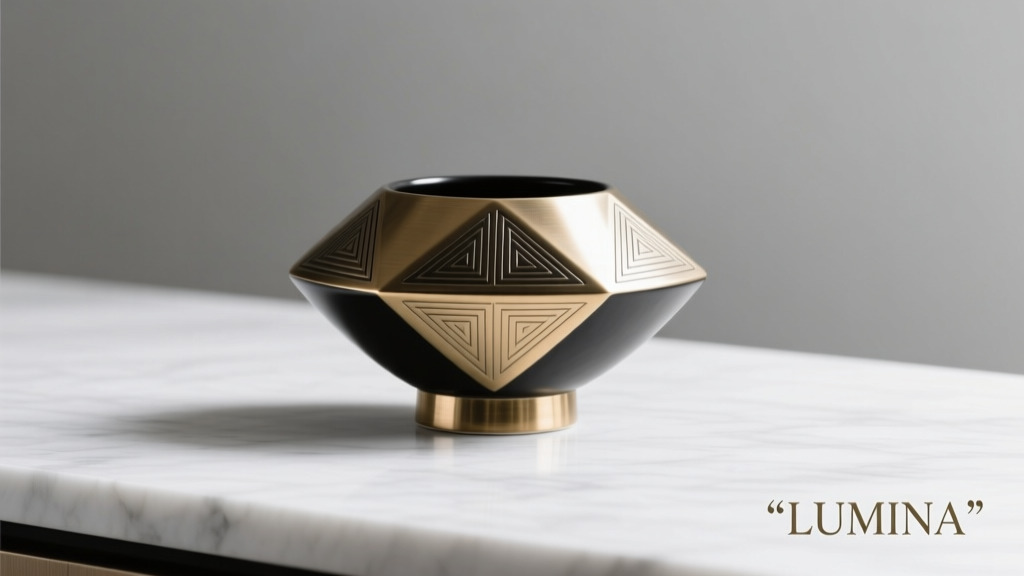
Types of Xing Brass: Properties, Applications & Performance Comparison
Xing brass encompasses a range of copper-zinc alloys engineered for specialized industrial, marine, and structural applications. These alloys vary significantly in composition, offering tailored solutions for environments demanding high corrosion resistance, machinability, strength, or weldability. Understanding the differences between key Xing brass types—CZ108, CZ121, CZ127, CZ132, and CZ123—can help engineers and manufacturers select the optimal material for durability, performance, and cost-efficiency.
CZ108 (260 Brass)
A high-machinability alloy ideal for precision components requiring excellent joint integrity.
Advantages
- Exceptional machinability
- Strong corrosion resistance
- Easy to solder and braze
- Ideal for intricate fittings and valves
Limitations
- Lower strength compared to structural alloys
- Not suitable for high-stress load-bearing applications
Best for: Precision machining, plumbing fittings, valve bodies, electrical connectors
CZ121 (464 Brass)
Lead-enhanced brass optimized for complex machining operations in demanding industries.
Advantages
- Superior machinability due to lead content
- Excellent for intricate automotive and aerospace parts
- Good dimensional stability during cutting
Limitations
- Potential environmental and health hazards from lead
- Subject to strict handling and disposal regulations
- Not recommended for potable water systems
Best for: Automotive gears, aerospace components, complex turned parts
CZ127 (330 Brass)
Marine-grade alloy with outstanding resistance to saltwater and galvanic corrosion.
Advantages
- Exceptional corrosion resistance in marine environments
- High durability under prolonged saltwater exposure
- Suitable for Xing finishing processes to enhance aesthetics and longevity
Limitations
- Higher cost due to specialized formulation
- Moderate machinability
Best for: Marine hardware, boat fittings, offshore components, coastal infrastructure
CZ132 (665 Brass)
A robust structural alloy balancing strength and environmental resistance.
Advantages
- High mechanical strength
- Good overall corrosion resistance
- Ideal for load-bearing applications
- Used in X ing metal frameworks requiring durability
Limitations
- Poorer machinability than leaded alloys
- Requires more powerful tooling for processing
Best for: Structural brackets, support frames, industrial machinery components
CZ123 (330 Brass)
A highly formable and weldable brass ideal for complex shapes and repairable components.
Advantages
- Excellent formability and ductility
- Easy to weld and solder
- Resistant to saltwater and environmental degradation
- High reworkability for modified or repaired parts
Limitations
- Lower tensile strength than structural alloys
- May deform under high stress
Best for: Boat hardware, complex marine fittings, repair-intensive machine parts
| Brass Type | Alternative Name | Machinability | Corrosion Resistance | Strength | Key Applications |
|---|---|---|---|---|---|
| CZ108 | 260 Brass | Excellent | High | Moderate | Valves, precision fittings, connectors |
| CZ121 | 464 Brass (Leaded) | Excellent | Moderate | Good | Automotive, aerospace, complex machining |
| CZ127 | 330 Brass (Marine) | Good | Exceptional | Good | Marine hardware, saltwater components |
| CZ132 | 665 Brass | Fair | Good | Excellent | Structural frames, brackets, supports |
| CZ123 | 330 Brass (Weldable) | Good | High | Moderate | Welded assemblies, repairable marine parts |
Expert Tip: When selecting a Xing brass alloy, consider both the operating environment and manufacturing process. For marine applications, prioritize corrosion resistance (CZ127). For high-volume machining, choose leaded alloys like CZ121—but ensure compliance with environmental safety standards. For structural integrity, CZ132 offers the best strength-to-corrosion balance.
Understanding Xing Finishing and X ing Metal Applications
The term Xing finishing refers to surface treatment processes applied to brass components—especially marine-grade alloys like CZ127—to enhance appearance, improve corrosion resistance, and extend service life. Techniques may include polishing, plating, or protective coating.
Similarly, X ing metal typically denotes structural brass frameworks used in industrial and architectural applications. Alloys like CZ132 are preferred in these contexts due to their mechanical robustness and resistance to environmental wear, making them ideal for outdoor or high-load installations.
Industrial Applications of Xing Brass
Xing brass is a high-performance copper-zinc alloy renowned for its exceptional combination of mechanical strength, corrosion resistance, machinability, and electrical conductivity. These properties make it a preferred material across a wide range of industries, from heavy manufacturing to precision electronics. Its versatility allows engineers and designers to rely on Xing brass for components that demand durability, reliability, and long-term performance under demanding conditions.
Key Industrial Applications
Mechanical Parts
Xing brass is extensively used in the fabrication of critical mechanical components such as gears, bearings, and bushings. Its excellent machinability allows for precise shaping and tight tolerances, reducing production time and costs. The inherent strength and wear resistance of the alloy ensure that moving parts can withstand continuous operation under heavy loads without significant degradation.
For instance, gears made from Xing brass exhibit low friction and high fatigue resistance, contributing to smooth power transmission and reduced noise levels. Bearings and bushings benefit from the alloy’s self-lubricating properties and dimensional stability, minimizing maintenance needs and extending service life in industrial machinery, pumps, and automation systems.
Pipes and Fittings
In fluid handling systems, Xing brass pipes and fittings are highly valued for their durability and resistance to corrosion caused by water, steam, and various gases. This makes them ideal for use in both residential and industrial plumbing, HVAC systems, and process piping.
The alloy maintains structural integrity under high pressure and fluctuating temperatures, making it suitable for oil and gas pipelines, fire suppression systems, and chemical processing equipment. Its ability to resist scaling and pitting reduces the risk of leaks and system failures, significantly lowering lifecycle maintenance costs and enhancing operational safety.
Electrical Connectors
Xing brass plays a vital role in electrical and electronic systems due to its superior electrical conductivity and resistance to oxidation. It is widely used in the production of connectors, terminals, switch contacts, and relay components.
Connectors made from this alloy ensure minimal electrical resistance and consistent signal transmission, which is crucial in high-reliability applications such as telecommunications, consumer electronics, and industrial control systems. Its resistance to thermal cycling and environmental exposure ensures long-term performance even in harsh conditions, including high humidity and temperature variations.
Musical Instruments
The acoustic excellence of Xing brass makes it a favorite in the manufacture of high-quality musical instruments, including trumpets, trombones, saxophones, and French horns. The alloy’s resonant properties contribute to rich, warm, and sustained tonal output, meeting the exacting standards of professional musicians.
Beyond sound quality, Xing brass is highly workable, allowing artisans to form complex shapes and curves with precision. Its resistance to tarnish and corrosion ensures that instruments retain their visual appeal and functional integrity over time, reducing the need for frequent polishing or repairs. This durability, combined with superior acoustics, makes it a long-term investment for performers and instrument makers.
Automotive Components
Xing brass is integral to various automotive systems where reliability and performance are paramount. It is commonly found in radiators, water pumps, fuel line fittings, and sensor housings due to its excellent thermal conductivity and resistance to corrosion from coolant and oil.
The alloy’s ability to maintain strength at elevated temperatures ensures dependable operation in engine compartments. Additionally, its ease of machining allows for the mass production of complex, high-precision parts, improving manufacturing efficiency. Components made from Xing brass contribute to vehicle longevity, fuel efficiency, and overall safety by reducing the risk of leaks and mechanical failure.
| Application | Key Properties Utilized | Industry Benefits |
|---|---|---|
| Mechanical Parts | Machinability, wear resistance, strength | Reduced downtime, longer service life, lower maintenance costs |
| Pipes & Fittings | Corrosion resistance, pressure tolerance, thermal stability | Leak prevention, safety in high-pressure systems, extended lifespan |
| Electrical Connectors | Electrical conductivity, oxidation resistance | Reliable signal transmission, durability in harsh environments |
| Musical Instruments | Acoustic resonance, formability, corrosion resistance | Superior sound quality, aesthetic longevity, reduced maintenance |
| Automotive Components | Thermal conductivity, machinability, strength under heat | Improved engine efficiency, enhanced safety, cost-effective production |
Why Choose Xing Brass?
Important: While Xing brass offers numerous advantages, proper selection of alloy composition (e.g., leaded vs. lead-free) is essential to meet regulatory standards, especially in potable water systems and food-processing equipment. Always consult material specifications and industry guidelines to ensure compliance and optimal performance in your specific application.
Uses of Xing Brass Across Industries
In high-performance and precision-driven industries, Xing brass stands out due to its exceptional blend of durability, corrosion resistance, machinability, and aesthetic appeal. Engineered for reliability and consistency, Xing brass is not just a structural material—it's a strategic choice in applications where performance, longevity, and safety are paramount. Below is a detailed exploration of its key applications across various sectors.
Musical Instruments
Xing brass is a preferred material in the construction of high-quality wind instruments such as trumpets, trombones, saxophones, and French horns. Its precise dimensional stability and acoustic properties contribute to a warm, resonant, and rich tonal quality that musicians rely on for expressive performance.
- Alloys like C26000 (cartridge brass) are commonly used for their optimal balance of strength and sound clarity
- High ductility allows for seamless shaping into complex curves and bell forms without cracking
- Natural corrosion resistance ensures longevity, even with frequent handling and exposure to moisture from breath
- Surface finishes can be polished, lacquered, or plated to enhance appearance and protect against tarnishing
Acoustic advantage: Xing brass delivers consistent harmonic response and improved sustain across dynamic ranges.
Plumbing Fixtures
Widely used in residential and commercial plumbing systems, Xing brass is ideal for manufacturing faucets, valves, pipe fittings, and shower systems. Its resistance to corrosion—especially in wet and humid environments—makes it a durable and safe option for long-term use.
- C35300 (low-lead brass) is frequently used in potable water systems due to its non-toxic composition and compliance with health standards
- Naturally inhibits bacterial growth and resists scaling in hard water conditions
- Excellent pressure tolerance ensures reliability in high-flow applications
- Can be easily threaded, welded, or brazed during installation
Health & safety: Lead-free or low-lead variants meet NSF/ANSI 61 standards for drinking water safety.
Automotive Components
In the automotive sector, Xing brass—particularly alloys such as C36000 (free-cutting brass) and C33000 (leaded red brass)—is essential for precision-engineered parts. These components must endure thermal cycling, vibration, and exposure to corrosive fluids.
- Commonly used in radiators, sensors, fuel system fittings, and transmission components
- Superior machinability reduces production time and tool wear, lowering manufacturing costs
- Thermal conductivity helps dissipate heat in cooling and electrical systems
- Corrosion resistance extends service life in under-hood environments exposed to road salts and moisture
Efficiency boost: High-precision brass fittings ensure leak-free connections and reliable performance in critical systems.
Aerospace Applications
Xing brass plays a vital role in aerospace engineering, particularly in electrical and hydraulic systems where reliability under extreme conditions is non-negotiable. Its lightweight nature, combined with excellent electrical conductivity and corrosion resistance, makes it ideal for mission-critical components.
- Used in connectors, terminals, relay switches, and control system housings
- Performs reliably in high-vibration and temperature-variable environments
- Resistant to galvanic corrosion when properly insulated from dissimilar metals
- Meets stringent aerospace material standards (e.g., AMS, MIL-SPEC) when certified
Mission-critical reliability: Ensures uninterrupted signal transmission and system integrity in flight control and communication systems.
Marine Hardware
Marine environments are among the most corrosive due to constant saltwater exposure. Xing brass excels here, particularly in boat fittings, propellers, through-hull fittings, and navigational hardware. The zinc content in brass forms a protective layer that slows galvanic and pitting corrosion.
- Alloys with higher copper content (e.g., C46400 naval brass) offer enhanced resistance to seawater erosion
- Non-magnetic properties make it suitable for compass housings and sensitive instrumentation
- Durable under constant immersion and fluctuating tides
- Often used in conjunction with sacrificial anodes for added protection
Longevity at sea: Properly maintained Xing brass components can last decades in marine applications.
Jewelry and Decorative Items
Valued for its golden luster and affordability, Xing brass is a favorite among jewelers and designers for crafting rings, necklaces, bracelets, and home décor. It offers the visual appeal of gold without the premium cost, making it accessible for fashion and artisanal markets.
- Natural warmth and sheen can be enhanced with polishing, plating (e.g., gold, silver, or rhodium), or antiquing
- Resists tarnishing when coated with clear lacquer or wax, especially in indoor environments
- High malleability allows for intricate engraving, stamping, and casting techniques
- Eco-friendly and recyclable, aligning with sustainable design trends
Design versatility: Ideal for custom, handcrafted pieces that blend aesthetics with durability.
Expert Insight: When selecting Xing brass for specialized applications, always consider the specific alloy composition, environmental exposure, and regulatory requirements. For example, lead-free brass is mandatory in potable water systems, while high-zinc alloys may require protective coatings in aggressive marine settings. Partnering with certified suppliers ensures traceability, quality control, and compliance with industry standards.
| Application | Common Alloy | Key Properties Utilized | Performance Benefits |
|---|---|---|---|
| Musical Instruments | C26000 (Cartridge Brass) | Acoustic resonance, ductility, corrosion resistance | Rich tonal quality, long lifespan, consistent performance |
| Plumbing Fixtures | C35300 (Low-Lead Brass) | Non-toxic, corrosion-resistant, machinable | Safe for drinking water, durable in wet environments |
| Automotive Components | C36000 (Free-Cutting Brass) | High machinability, thermal stability, strength | Precision fit, reduced manufacturing costs, reliability |
| Aerospace Electronics | C27000 (Yellow Brass) | Electrical conductivity, lightweight, corrosion resistance | Reliable signal transmission, performance under stress |
| Marine Hardware | C46400 (Naval Brass) | Seawater resistance, strength, non-magnetic | Long service life, safety in sensitive environments |
| Jewelry & Decor | C28000 (Muntz Metal) or Custom Alloys | Golden luster, malleability, tarnish resistance | Aesthetic appeal, design flexibility, cost-effective |
Additional Considerations for Optimal Use
- Alloy Selection: Different brass alloys offer varying levels of strength, corrosion resistance, and workability—choose based on operational demands.
- Surface Treatments: Plating, passivation, or coating can enhance performance in harsh environments.
- Sustainability: Brass is 100% recyclable without loss of quality, supporting green manufacturing initiatives.
- Regulatory Compliance: Ensure materials meet industry-specific standards (e.g., RoHS, REACH, NSF, ASTM).
- Cost Efficiency: While initial costs may be higher than some alternatives, the long service life and low maintenance reduce total cost of ownership.
How to Choose Xing Brass: A Comprehensive Guide for Material Selection
Selecting the right Xing brass material is crucial for ensuring optimal performance, durability, and cost-efficiency in engineering and manufacturing applications. Xing brass alloys offer a range of properties tailored to specific industrial needs, from marine environments to precision machining. This guide explores the key factors to consider when choosing the appropriate Xing brass alloy, helping you make informed decisions based on chemical composition, application demands, corrosion resistance, machinability, and economic considerations.
Important Note: Always verify the exact alloy specifications with your supplier or consult material data sheets (MDS) before finalizing your selection. Small variations in composition can significantly impact performance in critical applications.
Key Factors in Selecting Xing Brass Alloys
- Chemical Composition
The performance of any Xing brass alloy is fundamentally determined by its chemical makeup, particularly the ratio of copper to zinc and the presence of trace elements such as lead, tin, or aluminum. These components directly influence mechanical and chemical behavior.
For example, C26000 brass (also known as cartridge brass), with approximately 70% copper and 30% zinc, offers excellent malleability and cold-forming capabilities, making it ideal for applications involving deep drawing, bending, or stamping. In contrast, C35300 brass, which contains a higher zinc content along with small amounts of arsenic, provides enhanced resistance to dezincification and is often used in environments where long-term corrosion resistance is required.
Understanding the alloy's composition allows engineers to predict its behavior under stress, temperature fluctuations, and exposure to various media.
- Application Requirements
Before selecting a brass alloy, clearly define the functional and environmental requirements of your application. Consider whether the component will be subjected to high mechanical loads, thermal cycling, electrical current, or dynamic movement.
For instance, C36000 free-cutting brass is widely used in high-volume production of precision parts such as valves, fittings, and gears due to its exceptional machinability. If your project involves CNC turning or automated screw machining, this alloy can significantly reduce production time and tooling costs.
On the other hand, if electrical conductivity is a priority—such as in connectors or terminals—alloys with higher copper content may be preferable, even if they are less machinable. Always align the material’s inherent properties with the operational demands of the end-use environment.
- Corrosion Resistance
Corrosion resistance is a critical factor, especially for components exposed to moisture, saltwater, acidic or alkaline solutions, or outdoor conditions. Choosing a brass alloy with proven resistance to specific corrosive agents can extend service life and reduce maintenance costs.
C46400 naval brass, which includes tin in its composition, is specifically engineered for marine applications. It resists saltwater corrosion and biofouling, making it suitable for ship hardware, propeller shafts, and underwater fittings.
Similarly, C35300 leaded brass demonstrates strong resistance to both acidic and basic environments, which makes it a reliable choice in chemical processing equipment, pumps, and piping systems. Always assess the expected exposure conditions and select an alloy that has been tested or proven effective in similar settings.
- Machinability and Workability
The ease with which a brass alloy can be machined or formed plays a major role in manufacturing efficiency and part quality. High machinability reduces tool wear, improves surface finish, and allows for tighter tolerances—critical in precision engineering.
C36000 stands out in this category due to its added lead content, which acts as a lubricant during cutting operations. This results in smoother chip formation, reduced friction, and longer tool life. It is one of the most machinable brass alloys available, making it a top choice for complex components produced at scale.
However, for applications requiring cold working—such as bending, rolling, or forming—alloys like C26000 are more appropriate due to their superior ductility. Balancing machinability with formability ensures both efficient production and structural integrity in the final product.
- Cost and Availability
While performance is paramount, budget constraints and supply chain logistics must also be considered. Some Xing brass alloys may carry a premium due to specialized additives, lower production volumes, or stricter quality controls.
For example, alloys with enhanced corrosion resistance or custom formulations may be more expensive and have longer lead times. In contrast, standard grades like C26000 and C36000 are widely produced and readily available, supporting just-in-time manufacturing and reducing project delays.
It's essential to perform a cost-benefit analysis: Will the improved performance of a premium alloy justify its higher price? In many cases, a slightly more expensive material can save money over time through reduced maintenance, longer lifespan, or lower machining costs.
| Brass Alloy | Key Properties | Typical Applications | Machinability Rating |
|---|---|---|---|
| C26000 (Cartridge Brass) | High ductility, excellent cold-forming ability | Plumbing fittings, shell casings, decorative trim | Moderate |
| C36000 (Free-Cutting Brass) | Exceptional machinability, good strength | Precision screws, gears, valve components | Excellent (100% benchmark) |
| C35300 (Leaded Brass) | Good corrosion resistance, dezincification resistant | Chemical processing, industrial valves | Good |
| C46400 (Naval Brass) | High saltwater corrosion resistance, tin-enhanced | Marine hardware, propeller components, ship fittings | Fair to Moderate |
Expert Tip: When prototyping, consider testing multiple brass alloys under real-world conditions. Even small differences in performance can have significant impacts on long-term reliability and maintenance. Partner with your material supplier to obtain sample stock for evaluation before full-scale production.
Additional Selection Recommendations
- Always request certified material test reports (MTRs) for critical applications to verify alloy composition and mechanical properties.
- Consider environmental regulations—some applications may require lead-free or low-lead brass alloys to comply with health and safety standards.
- Consult with design engineers early in the process to ensure the chosen brass alloy supports both functional and manufacturability goals.
- Factor in finishing requirements—some brass alloys accept plating, polishing, or coating better than others.
- Stay updated on industry trends; new brass formulations are being developed to improve sustainability and performance under extreme conditions.
Selecting the right Xing brass alloy is more than just matching a name to a need—it's about understanding how material science interacts with real-world engineering challenges. By carefully evaluating chemical composition, application demands, corrosion resistance, workability, and cost, you can ensure optimal performance, longevity, and value in your projects. When in doubt, consult with metallurgical experts or material suppliers to validate your choice and avoid costly mistakes down the line.
Frequently Asked Questions About Xing Brass
Q.1 What is Xing brass and what does the name refer to?Xing brass is not a standardized alloy but rather an umbrella term used to describe a family of brass alloys—including C36000 (free-cutting brass), C35300 (low-leaded brass), and C33000 (lead-free redraw brass)—each selected for specific industrial and commercial applications. These alloys are primarily composed of copper and zinc, with small additions of elements like lead, iron, or tin to enhance machinability, strength, or corrosion resistance.
The name "Xing" originates from the Mandarin Chinese word “行” (xíng), which translates to "to do," "to act," or "to make." This naming convention symbolizes the material’s role in creation and fabrication—highlighting its versatility in manufacturing, engineering, and design. By branding these alloys under the “Xing” label, suppliers emphasize their functional adaptability and utility across diverse sectors, from plumbing to precision machining.
Different Xing brass variants are distinguished by their chemical composition, mechanical properties, and compliance with international standards (e.g., ASTM, JIS), allowing engineers and designers to choose the optimal type based on performance requirements.
Q.2 What gives Xing brass its corrosion-resistant properties?The **corrosion resistance** of Xing brass is primarily attributed to its **zinc content** and the formation of a protective oxide layer on the surface. In alloys such as C35300 and C46400 (naval brass), zinc plays a dual role:
- Sacrificial Protection: Zinc is more electrochemically active than copper, meaning it preferentially oxidizes when exposed to moisture or salt, shielding the underlying copper matrix from degradation.
- Passivation Layer: Over time, a stable patina of zinc carbonate and copper oxides forms on the surface, acting as a barrier against further environmental attack.
This makes Xing brass especially effective in **marine environments**, coastal installations, and high-humidity conditions where standard metals would rapidly deteriorate. For example, C46400 contains a small amount of tin (up to 1%), which further enhances resistance to dezincification—a process where zinc leaches out in aggressive water conditions.
Additionally, proper finishing techniques such as plating, lacquering, or passivation can extend the lifespan of Xing brass components, ensuring long-term reliability in outdoor and submerged applications.
Q.3 What is the most common application of Xing brass?The most widespread use of Xing brass is in **plumbing and fluid control systems**, particularly in the production of **faucets, valves, pipe fittings, and meter components**. Among the various types, C35300 low-leaded brass has gained popularity due to its excellent balance of:
- Corrosion resistance – withstands continuous exposure to water, including chlorinated and mildly acidic supplies.
- Machinability – allows for high-speed CNC machining with minimal tool wear, enabling complex internal geometries in valve bodies.
- Lead compliance – meets regulatory standards such as NSF/ANSI 61 and the U.S. Safe Drinking Water Act, making it safe for potable water systems.
- Durability – maintains structural integrity under pressure cycles and thermal expansion.
Because of these qualities, Xing brass is a preferred material in both residential and industrial plumbing, HVAC systems, and irrigation equipment. Its ability to resist biofouling and scaling also reduces maintenance needs and extends service life, contributing to lower lifecycle costs.
Moreover, many modern “lead-free brass” fittings marketed in North America and Europe are based on C35300 or similar Xing-type alloys, underscoring their importance in health-conscious infrastructure.
Q.4 What are the aesthetic benefits of using Xing brass?Xing brass offers exceptional **aesthetic versatility**, making it a favorite in architectural, decorative, and consumer product design. Its most notable visual feature is its **warm golden luster**, which closely resembles gold, lending an elegant and premium appearance to any application.
This rich color comes from the alloy’s base composition—primarily copper (60–90%) and zinc (10–40%)—which naturally reflects light in a way that enhances depth and warmth. When polished, Xing brass achieves a **high-gloss finish** that conveys sophistication and timelessness, ideal for:
- Architectural hardware: Door handles, hinges, kick plates, and elevator trim.
- Interior design elements: Light fixtures, railings, furniture accents, and bathroom fittings.
- Jewelry and fashion accessories: Cufflinks, belt buckles, and watch components.
- Art and sculpture: Decorative panels, signage, and public installations.
Designers also appreciate how Xing brass can be finished in various ways to suit different styles:
- Polished: Mirror-like shine for modern, luxurious looks.
- Brushed or satin: Subtle texture that minimizes fingerprints and scratches.
- Antiqued or patinated: Aged appearance for vintage or rustic themes.
- Plated or coated: With clear lacquer to prevent tarnishing or colored PVD coatings for contemporary effects.
Even as it ages, Xing brass develops a natural patina that many find appealing, adding character and authenticity to high-traffic areas. This combination of beauty, durability, and design flexibility makes it a top choice for products where form meets function.









