When it comes to layering with sophistication, few pieces offer the timeless appeal of a well-fitted vest. Among the most popular choices are wool and tweed vests—both rooted in tradition, yet distinct in character. While they may appear similar at first glance, the differences in fabric composition, texture, performance, and styling potential can significantly impact both comfort and longevity. Choosing between a wool vest and a tweed vest isn't just about aesthetics; it's a decision shaped by climate, occasion, maintenance, and personal taste.
Understanding these fabrics goes beyond surface-level appearance. The answer to whether \"the fabric really matters\" is a resounding yes—not because one is universally superior, but because each serves a different purpose and audience. Let’s break down the nuances that separate wool from tweed, so you can make an informed choice that aligns with your lifestyle and sartorial goals.
The Basics: Wool vs Tweed – Are They the Same?
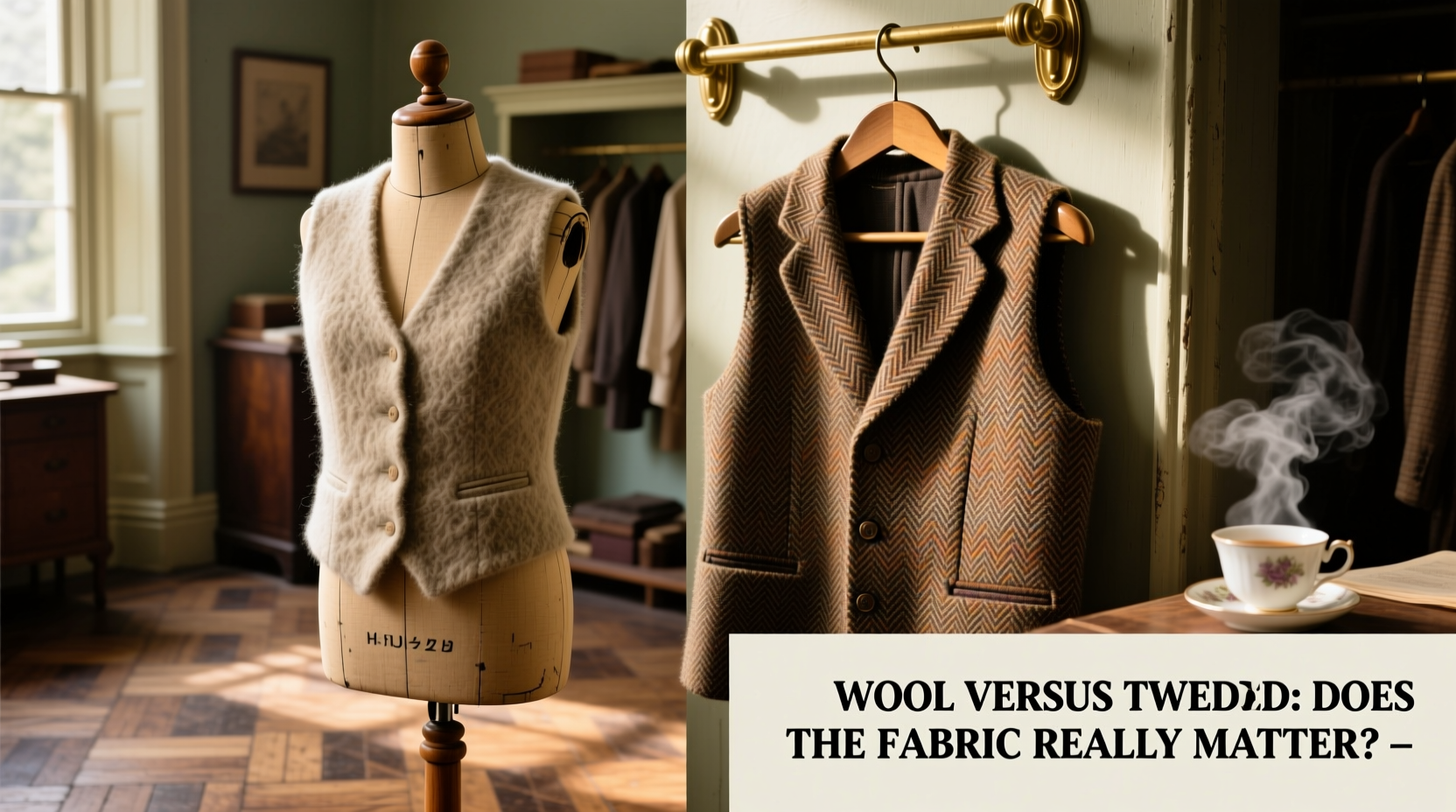
One common misconception is that tweed is a fiber, like wool. In reality, tweed is a type of fabric weave, typically made *from* wool—though sometimes blended with other fibers like silk, cotton, or synthetic yarns. So while all tweed vests are made from wool (or wool-blend), not all wool vests are tweed.
Wool refers to the natural fiber sheared from sheep. It's valued for its breathability, moisture-wicking properties, and insulation—even when wet. Vests made from pure wool tend to be smoother, softer, and more uniform in texture. They’re often used in tailored suiting and formal layering.
Tweed, on the other hand, is characterized by its rough, open weave and often features flecks of color, herringbone patterns, or checks. Originally developed in rural Scotland and Ireland for outdoor wear, tweed was designed to withstand wind, rain, and rugged terrain. Today, it carries a heritage aesthetic—evoking images of country estates, academic intellectuals, and vintage-inspired fashion.
Tip: If warmth and rustic charm are priorities, lean toward tweed. For sleekness and versatility in urban settings, a plain wool vest is often the better fit.Performance Comparison: Warmth, Breathability, and Durability
Fabric performance should be a deciding factor, especially if you're investing in a piece meant to last several seasons. Let’s examine how wool and tweed compare across key functional categories.
| Feature | Wool Vest | Tweed Vest |
|---|---|---|
| Warmth | High – excellent natural insulation | Very High – dense weave traps heat efficiently |
| Breathability | Excellent – regulates body temperature | Good – slightly less due to tighter construction |
| Durability | High – resilient to wear over time | Very High – abrasion-resistant and hardwearing |
| Water Resistance | Moderate – wool repels light moisture | High – traditional tweed is treated for weather protection |
| Weight | Light to Medium | Medium to Heavy |
As the table shows, tweed generally outperforms plain wool in durability and elemental resistance, making it ideal for fall hikes, outdoor events, or unpredictable weather. Wool vests, meanwhile, excel in controlled environments—offices, dinners, or layered under a coat in city life—where comfort and drape take precedence.
“Tweed isn’t just a fabric—it’s armor against the elements wrapped in elegance.” — James Holloway, Textile Historian and Menswear Consultant
Style and Styling: When to Wear Which
Styling is where personal expression meets practicality. A wool vest tends to integrate seamlessly into modern wardrobes. Its smooth finish pairs well with dress shirts, ties, and tailored trousers, making it a staple in business-casual and smart-office attire. Navy, charcoal, or black wool vests maintain a refined silhouette without drawing excessive attention.
Tweed vests, by contrast, are statement pieces. Their textured surface and patterned design command presence. They shine in autumnal color palettes—olive, rust, houndstooth, or Donegal speckles—and pair naturally with earth-toned flannels, corduroys, or leather boots. Think weekend outings, countryside visits, or intellectual gatherings where individuality is appreciated.
That said, tweed isn’t limited to casual wear. A finely woven herringbone tweed vest in a muted tone can elevate a three-piece suit, adding depth without sacrificing formality. The key is balance: avoid overly rustic textures in boardrooms, and don’t pair sleek wool with frayed denim if you’re aiming for cohesion.
Mini Case Study: Alex’s Autumn Wardrobe Upgrade
Alex, a 34-year-old marketing consultant based in Edinburgh, wanted to refresh his fall wardrobe. He owned a navy wool vest he wore weekly to client meetings, but found it lacked personality and didn’t hold up well during weekend trips to the Highlands.
After consulting a local tailor, he added a brown herringbone tweed vest to his rotation. He kept the wool vest for weekdays and reserved the tweed for weekends and hybrid work-from-cafe days. The result? Improved confidence in varied settings and compliments on his “thoughtful layering.” The tweed also lasted longer—after two years, it showed minimal pilling compared to the wool, which had begun to thin at the stress points.
This real-world example underscores that fabric choice directly affects both function and perceived style across contexts.
Care and Maintenance: Longevity by Design
Proper care extends the life of any garment, but wool and tweed respond differently to cleaning and storage.
- Wool vests should be dry cleaned only when necessary. Spot clean minor stains with a damp cloth and mild detergent. Always air out after wearing and store on padded hangers to maintain shape.
- Tweed vests, thanks to their denser weave and traditional lanolin content, are naturally more resistant to dirt and odors. Many high-quality tweeds are labeled “brush, don’t wash.” A clothes brush removes dust and restores the nap without damaging fibers.
Both fabrics should be stored in breathable cotton bags, away from moths. Cedar blocks or lavender sachets help deter pests without harsh chemicals.
Tip: Never machine wash wool or tweed. Heat and agitation cause shrinkage and felted damage. When in doubt, consult a professional cleaner experienced with natural fibers.Step-by-Step Guide: Caring for Your Wool or Tweed Vest
- After Each Wear: Hang the vest to air out for at least 24 hours.
- Weekly: Use a soft-bristled clothes brush (for tweed) or lint roller (for wool) to remove debris.
- As Needed: Spot clean with a microfiber cloth dampened with water and a drop of wool-safe detergent.
- Seasonally: Dry clean only if visibly soiled or odorous. Over-cleaning degrades fibers.
- Off-Season Storage: Clean before storing. Place in a cotton garment bag with natural moth repellents.
FAQ: Common Questions About Wool and Tweed Vests
Can I wear a tweed vest in the office?
Yes, but choose wisely. A finely woven, solid-color tweed in charcoal or dark green can work in creative or traditional industries. Avoid loud patterns or bulky textures in conservative corporate environments.
Is wool itchy? What about tweed?
Pure wool can feel scratchy if low-grade or unlined. Look for merino wool blends, which are softer. Tweed, despite its coarse appearance, is often lined (typically with Bemberg or viscose), reducing direct skin contact and improving comfort.
Which is more expensive—wool or tweed?
It depends on quality and origin. Basic wool vests may be cheaper, but high-end tweed—especially Harris Tweed or handwoven varieties—can command premium prices due to craftsmanship and heritage.
Final Verdict: Does the Fabric Really Matter?
Yes—the fabric matters profoundly, not because one is objectively better, but because each serves a unique role. A wool vest offers streamlined versatility, ideal for polished, everyday wear. A tweed vest delivers rugged elegance, built for character and endurance in cooler climates.
Your choice should reflect your lifestyle. If you spend most days indoors in climate-controlled spaces, wool provides comfort and refinement. If you embrace the outdoors, value tradition, or want a piece with visual interest, tweed stands out as both functional and expressive.
Ultimately, the best wardrobe doesn’t rely on one fabric but on understanding how different materials enhance different moments. By recognizing the strengths of wool and tweed, you’re not just buying a vest—you’re investing in intentionality.
🚀 Ready to refine your layering game? Assess your seasonal needs, try both fabrics, and build a vest collection that moves seamlessly from boardroom to bramble path. Share your favorite combo in the comments!








