
Choosing the right cage for your hamster goes beyond aesthetics or size—it directly impacts hygiene, odor control, and long-term maintenance. Two popular materials in the debate are wood and plastic. While both have loyal advocates, one stands out when it comes to ease of cleaning and minimizing unpleasant smells. Understanding the strengths and weaknesses of each material helps ensure a healthier, more comfortable environment for your small companion.
Cleaning Challenges with Wood Cages
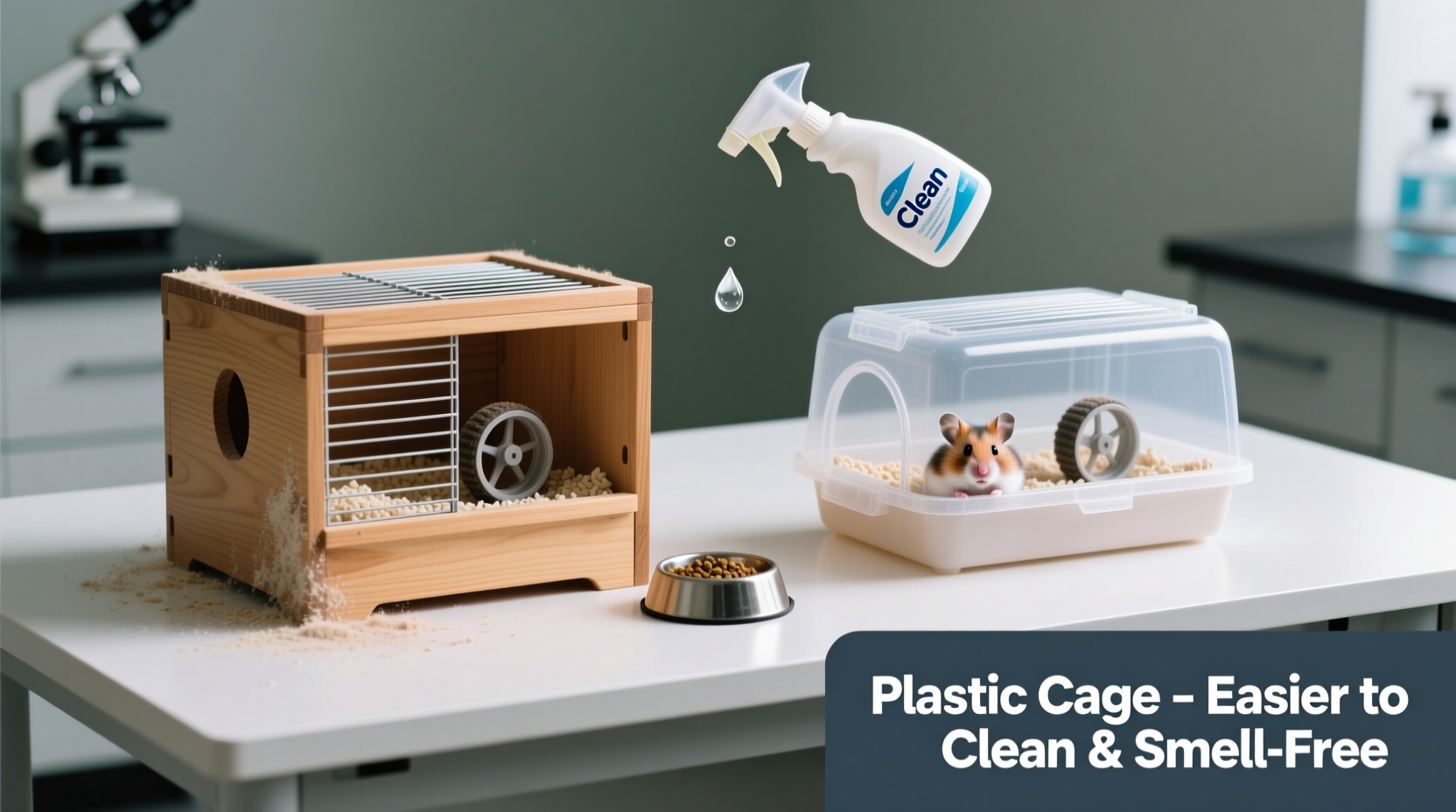
Wooden cages, often praised for their natural look and breathability, come with significant drawbacks in terms of cleanliness. Solid wood or plywood enclosures may appear sturdy and attractive, but they absorb moisture and urine over time. Even sealed or varnished wood eventually degrades under repeated exposure to humidity and waste byproducts.
Because wood is porous, it traps odors deep within its fibers. Regular spot-cleaning may mask surface-level messes, but ammonia from accumulated urine can permeate the grain, leading to persistent smells that are difficult to eliminate. Over time, this creates an unhealthy environment for your hamster, increasing the risk of respiratory irritation and skin conditions.
Deep cleaning wooden cages is not only challenging but often impractical. You cannot fully submerge or scrub wooden panels without risking warping, mold growth, or delamination. Most manufacturers advise against using liquid cleaners or wet cloths, leaving owners reliant on dry brushing or light wiping—methods that fall short in removing bacteria and organic residue.
Tip: If you own a wooden cage, line the base with a waterproof barrier such as acrylic sheets or heavy-duty plastic trays to reduce direct absorption.Advantages of Plastic Cages for Hygiene
Plastic cages—especially those made from high-density polyethylene (HDPE) or ABS plastic—are inherently non-porous. This means liquids, urine, and food spills sit on the surface rather than soaking in, making them far easier to wipe away. Unlike wood, plastic resists microbial penetration and doesn’t retain odors once properly cleaned.
The smooth surfaces of plastic allow for thorough disinfection using mild detergents, vinegar solutions, or diluted pet-safe disinfectants. Owners can safely rinse, scrub, and even pressure-wipe corners and seams without damaging the structure. Many modular plastic cages also feature removable trays and interlocking components designed specifically for easy disassembly and cleaning.
Additionally, most plastic enclosures include built-in ventilation while maintaining structural integrity against moisture. When combined with appropriate bedding and regular maintenance, plastic cages can remain odor-free for days—even weeks—with proper care.
“From a veterinary standpoint, non-porous housing materials like plastic significantly reduce bacterial load and ammonia buildup, which are common triggers for respiratory disease in small mammals.” — Dr. Lena Torres, Exotic Animal Veterinarian
Comparative Analysis: Wood vs Plastic
| Feature | Wood Cage | Plastic Cage |
|---|---|---|
| Porosity | High – absorbs liquids and odors | Low – resists absorption |
| Cleanability | Limited – cannot be deeply washed | Excellent – fully washable |
| Odor Retention | High – retains ammonia over time | Low – odor dissipates after cleaning |
| Durability Against Moisture | Poor – prone to warping/mold | High – resistant to water damage |
| Maintenance Frequency | High – requires frequent airing and surface care | Moderate – weekly full cleaning sufficient |
| Safety for Hamsters | Risk of splinters and mold if degraded | Smooth edges; no degradation when maintained |
Step-by-Step Guide to Maintaining a Smell-Free Plastic Cage
A well-maintained plastic cage can stay fresh and hygienic with minimal effort. Follow this routine to maximize cleanliness and minimize odor between full cleanings:
- Daily Spot-Cleaning: Remove soiled bedding, leftover food, and droppings from sleeping areas and corners. Wipe down any wet spots with a damp cloth.
- Every 2–3 Days: Clean food dishes and water bottles. Check tunnels and hideouts for buildup and wipe with a pet-safe disinfectant.
- Weekly Full Cleaning:
- Remove all accessories, toys, and bedding.
- Take out the tray and wash with warm water and mild dish soap or a 1:10 vinegar-water solution.
- Scrub corners and seams with a soft brush to remove residue.
- Rinse thoroughly and dry completely before reassembling.
- Monthly Deep Sanitization: Use a reptile-safe disinfectant (like F10SC) to kill lingering bacteria and neutralize odor-causing compounds. Allow the cage to air-dry in sunlight if possible—UV light has natural disinfecting properties.
- Bedding Choice: Opt for paper-based or aspen shavings instead of cedar or pine, which release aromatic oils that can irritate hamsters and contribute to odor confusion.
Real-Life Example: A Side-by-Side Test
In a six-week observational trial conducted by a small pet care group, two identical Syrian hamsters were housed separately—one in a sealed pine wood cage, the other in a modular plastic bin setup. Both received the same diet, bedding type (paper-based), and cleaning schedule for the first month.
By week three, the wood cage began emitting a faint ammonia smell despite daily spot-cleaning. The base showed slight darkening where urine had pooled near the nesting area. In contrast, the plastic unit remained odorless after weekly washes and required only brief wipe-downs midweek.
At the end of the trial, swab tests revealed significantly higher bacterial counts in the wood cage, particularly around seams and corners. The owner of the wood enclosure admitted to avoiding deep cleaning due to fear of damaging the finish. Meanwhile, the plastic cage was fully hosed down twice during the period without issue.
This case illustrates how material choice directly influences both perceived and actual hygiene—even when care routines are consistent.
Common Misconceptions About Natural Materials
Many owners assume that because wood is “natural,” it must be healthier for their pets. However, in the context of small animal housing, natural does not always mean safe or sanitary. Organic materials like untreated wood, wicker, or bamboo can harbor fungi, mites, and bacteria if not meticulously maintained.
Another myth is that wood “breathes better” than plastic, implying superior air circulation. In reality, airflow depends on ventilation design—not the wall material. A well-ventilated plastic cage with mesh panels performs just as well, if not better, than a wooden box with limited airflow.
Furthermore, some wooden cages use glues or finishes containing formaldehyde or volatile organic compounds (VOCs), which off-gas over time and can harm sensitive rodent lungs. Always verify that any wooden product intended for pet use is certified non-toxic and sealed with pet-safe finishes—if used at all.
Checklist: Choosing the Right Cage for Cleanliness
- ✅ Is the interior surface non-porous?
- ✅ Can the entire tray be removed and washed?
- ✅ Are corners rounded or seamless to prevent debris buildup?
- ✅ Does it have adequate ventilation without compromising structural integrity?
- ✅ Are replacement parts or liners available for long-term maintenance?
- ✅ Is the material resistant to chewing? (Hamsters may gnaw on wood, creating splinters.)
- ✅ Can it be disinfected safely with common household pet cleaners?
If your answer is “yes” to most of these, especially regarding cleanability and safety, you’re likely looking at a plastic or hybrid system optimized for hygiene.
Frequently Asked Questions
Can I paint or seal a wooden cage to make it easier to clean?
You can apply pet-safe, waterproof sealants like polyurethane or epoxy, but these require reapplication over time and may still fail under constant moisture exposure. Even sealed wood remains more vulnerable than plastic. For long-term ease, switching to plastic is a more sustainable option.
Do plastic cages get scratched easily, and does that affect cleanliness?
Plastic can scratch with heavy chewing or abrasive cleaning tools, but surface scratches rarely compromise hygiene unless deeply gouged. Regular inspection helps; if deep grooves form, consider replacing affected panels. Most commercial plastic cages are designed to resist moderate wear.
How often should I clean my hamster’s cage to prevent odor?
For plastic cages: full cleaning every 7–10 days is sufficient with daily spot checks. Wood cages may need partial refreshes every 3–4 days due to odor retention, though complete cleaning remains difficult. Consistency matters more than frequency—neglecting even one cycle can lead to rapid odor buildup in porous materials.
Final Recommendation
When evaluating wood versus plastic hamster cages for ease of cleaning and odor control, plastic clearly wins. Its non-porous nature, compatibility with thorough washing, and resistance to bacterial infiltration make it the superior choice for maintaining a healthy, smell-free habitat. While wooden enclosures offer aesthetic appeal, they demand higher maintenance, pose greater health risks over time, and ultimately fall short in practicality.
Modern plastic cages have evolved to combine functionality with attractive designs, including multi-level layouts, secure latches, and integrated ventilation. Investing in a quality plastic setup not only simplifies your cleaning routine but also promotes better respiratory and dermatological health for your hamster.
“The single biggest factor in reducing husbandry-related illness in pet hamsters is cage material. Easy-to-clean surfaces directly correlate with lower infection rates.” — Dr. Arjun Patel, Small Mammal Research Institute🚀 Ready to upgrade your hamster’s living space? Choose a durable, fully washable plastic cage today and enjoy a cleaner, fresher home for both you and your pet. Share your experience or ask questions in the comments below!









