
Summer means sunshine, swimming, and outdoor fun—but for many people, it also brings an unexpected and unwelcome change: green-tinted hair. If you’ve emerged from a refreshing dip with coppery or teal strands, especially if your hair is blonde, bleached, or highlighted, you’re not alone. This phenomenon is more common than most realize, and contrary to popular belief, it has nothing to do with chlorine. The real culprit lies in the chemistry of pool water and how it interacts with porous hair. Understanding the science behind this discoloration is the first step toward preventing it—and keeping your hair vibrant all season long.
The Science Behind Green Hair: Copper, Not Chlorine
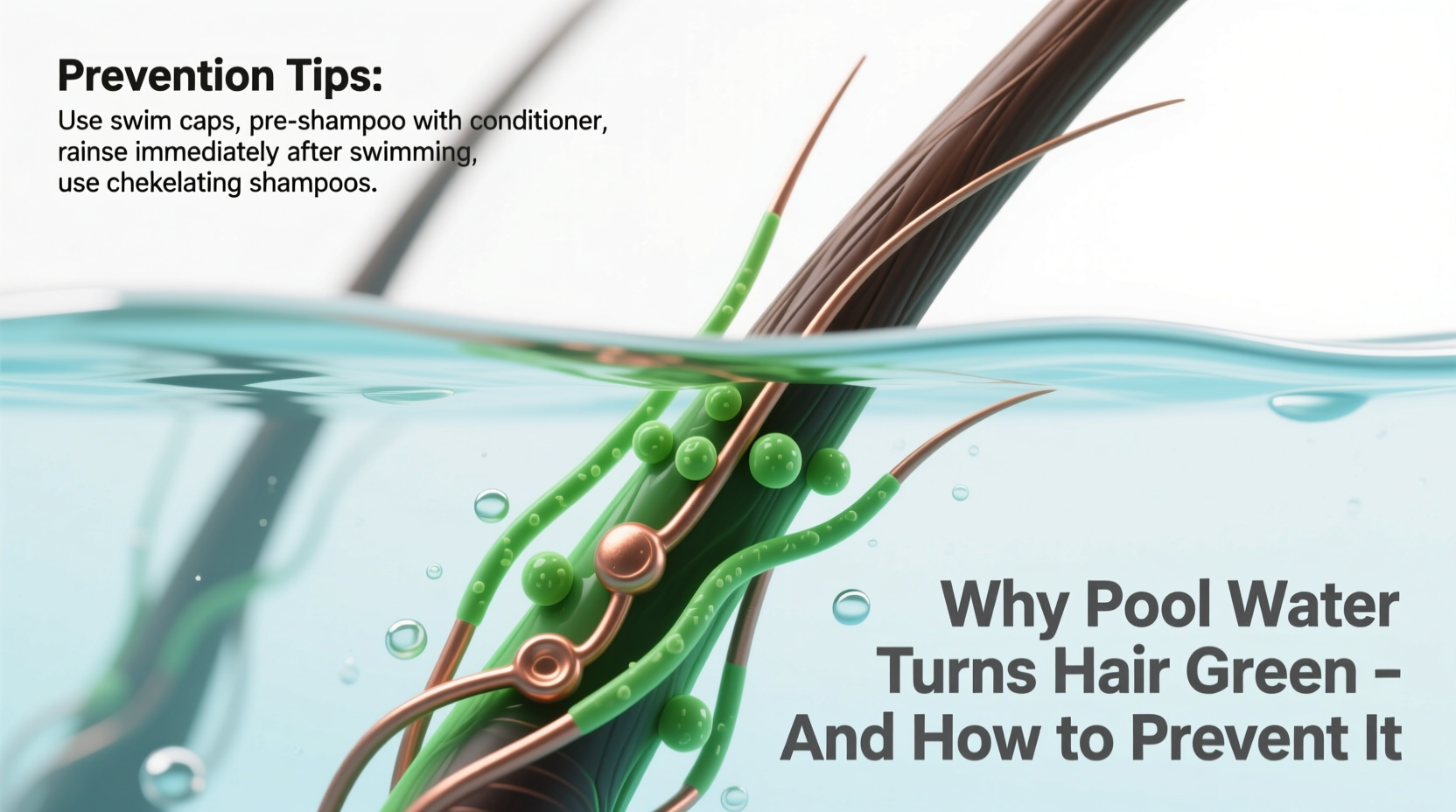
One of the most widespread misconceptions about green hair is that chlorine causes it. In reality, chlorine itself does not turn hair green. Instead, the green tint comes from oxidized metals—primarily copper—dissolved in pool water. Many pools use algaecides containing copper sulfate to control algae growth, especially in warmer months. When chlorine is added to the water, it oxidizes these copper particles, turning them into a form that binds easily to hair proteins.
Human hair, particularly when chemically treated, becomes more porous. Bleaching, coloring, and even sun exposure strip away the outer cuticle layer, making hair more susceptible to absorbing minerals like copper. Once bound, copper reflects light in a way that creates a greenish hue—most noticeable on lighter shades such as blonde, gray, white, or platinum.
Even well-maintained pools can have trace amounts of copper, especially if they rely on copper-based ionization systems or if the water source (like well water) naturally contains higher mineral levels. Over time, repeated exposure leads to cumulative buildup, intensifying the green tint.
“Hair doesn’t turn green from chlorine—it turns green from copper binding to damaged cuticles. It’s a chemical adhesion issue, not a dyeing one.” — Dr. Lisa Chen, Trichologist and Cosmetic Chemist
Who Is Most at Risk?
Not everyone experiences green hair, but certain individuals are far more vulnerable due to hair structure and treatment history:
- Blonde, silver, or gray-haired individuals: Lighter pigments don’t mask the green tint, making it immediately visible.
- People with bleached or highlighted hair: Chemical processing increases porosity, allowing metals to penetrate more deeply.
- Frequent swimmers: Daily or near-daily exposure accelerates mineral buildup.
- Those using hard water at home: High mineral content in tap water can pre-sensitize hair to further metal absorption.
Children with naturally fine, light hair are also commonly affected, especially during swim camps or intensive training programs. Their hair may appear streaked with green after just a few days in the pool.
Tip: If you're a regular swimmer with light-colored hair, assume your hair is at risk—even in public pools advertised as \"chlorine-free.\"Prevention Tips: How to Keep Your Hair Green-Free
Preventing green hair is far easier than treating it after the fact. The key is creating a barrier between your hair and the pool water, minimizing copper absorption from the start.
1. Wet Hair Before Swimming
Saturating your hair with clean water before entering the pool reduces its ability to absorb pool water. Porous hair acts like a sponge; if it's already full of fresh water, it absorbs less of the copper-laden pool water.
2. Use a Swim Cap
A silicone or latex swim cap provides a physical barrier. While not 100% watertight, it significantly limits exposure. For maximum protection, wear it over damp hair coated with a leave-in conditioner.
3. Apply a Protective Pre-Swim Product
Use conditioners or oils that coat the hair shaft. Look for products containing ingredients like shea butter, coconut oil, or silicones (e.g., dimethicone), which seal the cuticle and block mineral penetration.
4. Rinse Immediately After Swimming
Don’t wait until you get home. Rinse your hair thoroughly with fresh water as soon as you exit the pool. This removes surface-level copper before it has time to bind to the hair.
5. Wash with a Chelating Shampoo Weekly
Chelating shampoos contain agents like EDTA that bind to metals and wash them away. Use one every 7–10 days during peak swimming season to prevent buildup. Avoid clarifying shampoos with sulfates if your hair is color-treated—they can be too harsh.
6. Limit Sun Exposure During Peak Hours
UV rays weaken hair proteins and increase porosity. Combined with chlorine, this makes hair even more prone to discoloration. Wear a hat or UV-protective spray when outdoors.
7. Monitor Pool Chemistry
If you own a pool, test copper levels regularly. Ideal copper concentration should be below 0.3 ppm. Consider switching to non-copper algaecides or using zinc-based alternatives.
| Prevention Method | Effectiveness | Best For |
|---|---|---|
| Wet hair before swimming | High | All hair types, especially light-colored |
| Swim cap | Very High | Daily swimmers, competitive athletes |
| Pre-swim conditioner/oil | Moderate to High | Bleached or porous hair |
| Immediate post-swim rinse | High | All swimmers |
| Chelating shampoo (weekly) | Very High (preventative) | Regular pool users |
Step-by-Step Guide: What to Do If Your Hair Turns Green
If you notice a green tint forming, act quickly. Early intervention can reverse the discoloration without damaging your hair.
- Stop swimming temporarily: Give your hair a break to prevent further copper buildup.
- Rinse with vinegar or lemon juice: Mix one part white vinegar with three parts water. Apply to hair, let sit for 5–10 minutes, then rinse. Citric acid helps dissolve surface copper.
- Use a chelating shampoo: Wash hair with a metal-removing formula. Follow instructions carefully—overuse can dry out hair.
- Try a tomato juice rinse (optional):strong> The acidity and natural red pigments can neutralize green tones. Massage into hair, wait 15 minutes, then shampoo out.
- Condition deeply: After treatment, apply a hydrating mask to restore moisture lost during cleansing.
- Repeat if necessary: Severe cases may require two to three treatments spaced 2–3 days apart.
- Resume prevention routine: Once color is corrected, reapply protective measures before returning to the pool.
Mini Case Study: Emma’s Summer Swim Surprise
Emma, a 28-year-old teacher with shoulder-length platinum blonde hair, signed up for a week-long adult swim camp to improve her freestyle. She swam twice daily in an indoor-outdoor facility known for its crystal-clear water. By day four, she noticed faint green streaks along her ends. By day six, the tint had spread upward and was clearly visible in sunlight.
She consulted a salon professional who confirmed copper buildup. Emma followed a three-step recovery plan: rinsing with vinegar, using a chelating shampoo (Malibu C Swimmer’s Wellness Shampoo), and applying a deep conditioning treatment. After two applications, her hair returned to its original tone. Since then, she wets her hair and applies coconut oil before each swim and uses a silicone cap—no recurrence in two summers.
Her experience highlights how quickly green hair can develop—even in controlled environments—and how effective simple preventive habits can be.
FAQ: Common Questions About Green Hair
Can brown or black hair turn green?
Possibly, but it’s rare. Dark hair has enough melanin to mask the green tint. However, individuals with balayage, ombre, or sun-lightened sections may see greenish tones in those areas.
Is green hair permanent?
No. Unlike chemical damage, green discoloration is reversible. With proper treatment, most cases resolve within a week. However, leaving it untreated can lead to deeper metal bonding, requiring more intensive care.
Are saltwater pools safer for hair?
Generally, yes. Saltwater pools generate chlorine through electrolysis but typically don’t use copper-based algaecides. However, some still add copper for algae control, so check maintenance practices. Salt itself can be drying, so hydration remains important.
Checklist: Protect Your Hair This Summer
- ✅ Wet hair with clean water before entering the pool
- ✅ Apply a leave-in conditioner or oil (coconut, argan, or swim-specific)
- ✅ Wear a swim cap, preferably silicone
- ✅ Rinse hair immediately after swimming
- ✅ Wash with chelating shampoo once a week during heavy pool use
- ✅ Deep condition 1–2 times per week
- ✅ Test your pool’s copper levels if you maintain it yourself
- ✅ Avoid prolonged sun exposure without protection
Conclusion: Enjoy the Water Without the Tint
Green hair doesn’t have to be an inevitable summer side effect. With the right knowledge and habits, you can enjoy swimming without compromising your hair’s appearance. The transformation isn’t caused by chlorine, but by copper binding to weakened hair—making prevention both logical and achievable. From pre-wetting your strands to using targeted chelating treatments, small actions make a significant difference. Whether you’re a weekend splasher or a dedicated lap swimmer, protecting your hair is part of responsible self-care.
💬 Have a green hair story or a go-to prevention trick? Share your experience in the comments and help others keep their locks vibrant all summer long.








