
Cats are curious creatures, and their behaviors often leave owners puzzled. One such habit—licking plastic bags—can seem bizarre, even amusing, until it becomes a frequent or obsessive act. While occasional interest in crinkly materials might appear harmless, repeated licking of plastic can signal underlying issues ranging from sensory attraction to medical concerns. Understanding why your cat engages in this behavior is key to determining whether it’s a quirky habit or a red flag requiring intervention.
The Science Behind Cats and Plastic: Why the Fascination?
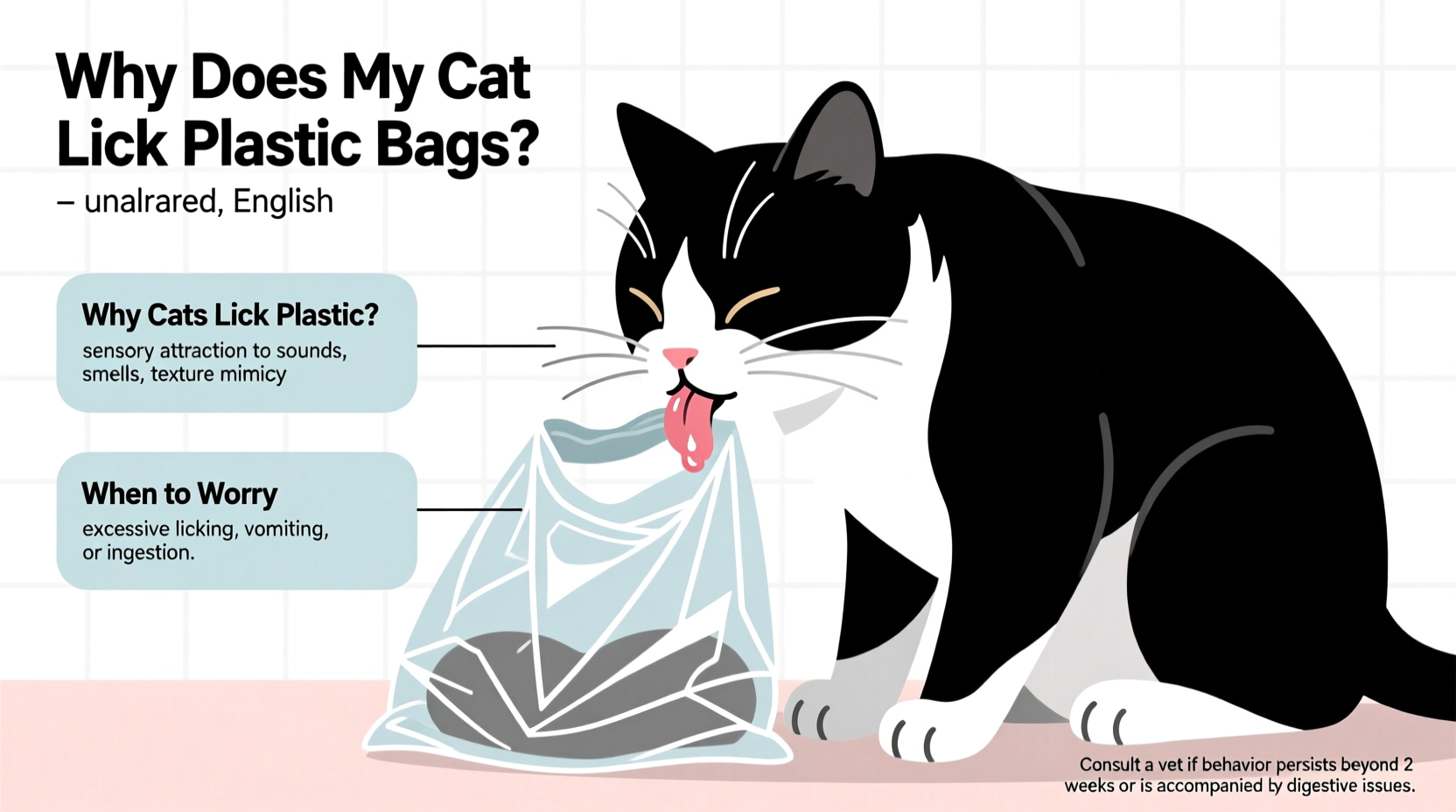
Cats rely heavily on their senses, particularly smell and touch, to interpret the world. Plastic bags, especially those used for food storage, often carry residual scents that pique a cat’s interest. The lingering aroma of meat, fish, or dairy can trigger a feeding response, prompting licking as if preparing to consume food.
Additionally, many plastic bags emit a faint static charge when crumpled. This subtle sensation may stimulate a cat’s whiskers and skin, creating a tactile experience they find intriguing. Some experts believe the crinkling sound mimics the noise of small prey moving through leaves, activating instinctual hunting behaviors.
Another factor is the texture. Thin plastic has a unique mouthfeel—smooth yet slightly resistant—that some cats find satisfying to chew or lick. This oral fixation can be especially common in cats weaned too early or those with a history of chewing non-food items.
“Cats are drawn to novel textures and smells. A plastic bag isn’t food, but to a curious feline, it might as well be a puzzle worth investigating.” — Dr. Lena Torres, Feline Behavior Specialist
Common Reasons Cats Lick Plastic Bags
Not every cat that licks plastic is at risk. In many cases, the behavior stems from natural curiosity rather than compulsion. Here are the most frequent explanations:
- Scent attraction: Food residue on grocery or sandwich bags can lure cats in.
- Tactile stimulation: The feel of thin plastic against the tongue or teeth may be pleasurable.
- Auditory appeal: The crinkle sound activates predatory instincts.
- Pica (eating non-food items): Some cats develop an urge to consume inedible materials due to nutritional deficiencies or stress.
- Early weaning: Kittens separated from their mothers too soon may retain sucking or chewing behaviors into adulthood.
- Boredom or anxiety: Licking can become a self-soothing activity in under-stimulated environments.
When Should You Be Concerned?
Occasional licking is usually not dangerous. However, certain patterns indicate the behavior has crossed into risky territory. Watch for these warning signs:
- Regular consumption: If your cat is swallowing pieces of plastic, even small ones, it could lead to intestinal blockage—a life-threatening condition.
- Obsessive focus: Spending more than 10–15 minutes a day fixated on plastic bags suggests compulsive behavior.
- Neglect of normal activities: Skipping meals, avoiding play, or isolating while seeking out plastic is a sign of behavioral imbalance.
- Digestive symptoms: Vomiting, diarrhea, constipation, or loss of appetite after plastic exposure requires immediate veterinary attention.
- Aggression when denied access: Swatting, growling, or biting when you remove a bag indicates obsession.
Plastic ingestion can cause gastrointestinal obstructions, internal lacerations, or toxic reactions depending on additives in the material. Polyethylene, commonly used in shopping bags, is generally inert but still poses physical hazards. Other plastics may contain phthalates or stabilizers that are harmful if ingested in quantity.
Mini Case Study: Bella the Baggie-Licker
Bella, a 3-year-old domestic shorthair, began licking bread bags left on the kitchen counter. Her owner thought it was cute—until she started tearing open trash bins to retrieve them. Over two weeks, Bella became lethargic and stopped eating. An X-ray revealed a partial bowel obstruction caused by a wad of plastic. After surgery and behavioral counseling, her owners introduced environmental enrichment and secured all plastic waste. Today, Bella plays with crinkle toys instead—and hasn’t touched a bag since.
This case highlights how a seemingly innocent quirk can escalate quickly without intervention.
Do’s and Don’ts: Managing Plastic Licking Behavior
| Do | Don’t |
|---|---|
| Store plastic bags out of reach (e.g., in closed cabinets) | Leave bags unattended on floors or counters |
| Provide safe alternatives like crinkle balls or paper bags | Use punishment to stop the behavior |
| Enrich your cat’s environment with puzzle feeders and climbing spaces | Ignore repeated attempts to eat non-food items |
| Consult a vet if the behavior persists beyond a few weeks | Assume it’s “just a phase” without monitoring closely |
| Check for dietary deficiencies (especially fiber or trace minerals) | Offer plastic-based toys unless specifically designed for pets |
Step-by-Step Guide to Reducing Plastic Licking
If your cat frequently licks or chews plastic, follow this practical plan to address both environmental and emotional triggers:
- Secure all plastic materials: Use drawer organizers or lidded bins to store bags, packaging, and wrappers. Never leave shopping bags lying around.
- Introduce safe substitutes: Offer clean, empty paper bags, cardboard tubes, or pet-safe crinkle toys. Supervise initial interactions to ensure safety.
- Increase mental stimulation: Rotate toys weekly, use treat-dispensing puzzles, and engage in daily interactive play sessions with wand toys.
- Evaluate diet: Discuss your cat’s nutrition with a veterinarian. Deficiencies in iron, zinc, or fiber may contribute to pica.
- Rule out medical causes: Schedule a check-up to test for anemia, diabetes, hyperthyroidism, or gastrointestinal disorders that can prompt unusual eating habits.
- Monitor behavior changes: Keep a log of when licking occurs, duration, and potential triggers (e.g., after feeding, during storms).
- Seek professional help: If the behavior continues, consult a veterinary behaviorist. Cognitive therapies or anti-anxiety medications may be recommended.
FAQ: Common Questions About Cats Licking Plastic
Is it safe if my cat only licks plastic but doesn’t swallow it?
Licking alone is generally low-risk, provided the plastic is clean and free of toxic residues. However, even minimal contact can escalate into chewing over time. It’s best to discourage the behavior early before it becomes habitual.
Can plastic licking be a sign of a nutrient deficiency?
Yes. Conditions like anemia or malabsorption syndromes can lead to pica—the consumption of non-nutritive substances. A blood panel can identify deficiencies in iron, vitamin B12, or other essential nutrients. Your vet may recommend dietary adjustments or supplements.
Are certain cat breeds more prone to licking plastic?
While any cat can exhibit this behavior, Oriental breeds such as Siamese and Burmese show higher rates of pica, possibly due to genetic predisposition or heightened sensitivity. These breeds are also more likely to develop compulsive behaviors under stress.
Expert Insight: When Curiosity Turns Compulsive
“Pica in cats isn’t just about hunger—it’s often about need. That need could be nutritional, environmental, or emotional. A cat licking plastic may be trying to fill a gap we’re not seeing.” — Dr. Marcus Reed, DVM, Veterinary Behavioral Medicine
Dr. Reed emphasizes that repetitive non-nutritive behaviors often stem from unmet needs. In multi-cat households, competition for resources can increase stress, leading to displacement behaviors like plastic licking. Similarly, indoor-only cats without adequate outlets for hunting simulation may redirect their energy toward inappropriate objects.
Prevention Checklist: Protecting Your Cat Long-Term
- ✅ Remove accessible plastic bags and packaging
- ✅ Switch to sealed, cat-proof trash cans
- ✅ Provide daily interactive play (at least 15 minutes twice a day)
- ✅ Rotate toys weekly to maintain novelty
- ✅ Feed a balanced, species-appropriate diet
- ✅ Schedule annual vet exams with blood work for early detection
- ✅ Introduce calming aids (e.g., Feliway diffusers) if anxiety is suspected
- ✅ Document behavior changes for vet consultations
Conclusion: Know the Line Between Quirky and Dangerous
Cats licking plastic bags isn’t inherently alarming—but it shouldn’t be ignored either. What starts as harmless curiosity can evolve into a hazardous compulsion. By understanding the sensory, emotional, and medical factors behind the behavior, you can take proactive steps to protect your cat’s health and well-being. Secure hazardous materials, enrich your cat’s environment, and consult your veterinarian at the first sign of escalation.
💬 Have a cat that loves plastic? Share your story or tips in the comments below—your experience could help another pet owner recognize a warning sign early.








