It’s a sound many homeowners dread—the sharp, rhythmic drumming of a woodpecker on the side of a house. While these birds are vital to forest ecosystems, their presence on residential structures can be alarming and damaging. Understanding why woodpeckers target homes is the first step toward resolving the issue without harming the birds. These actions aren’t random; they stem from instinctual behaviors tied to communication, feeding, and nesting. Fortunately, with informed, humane strategies, it’s possible to deter woodpeckers while preserving both your property and local wildlife.
The Science Behind Woodpecker Behavior
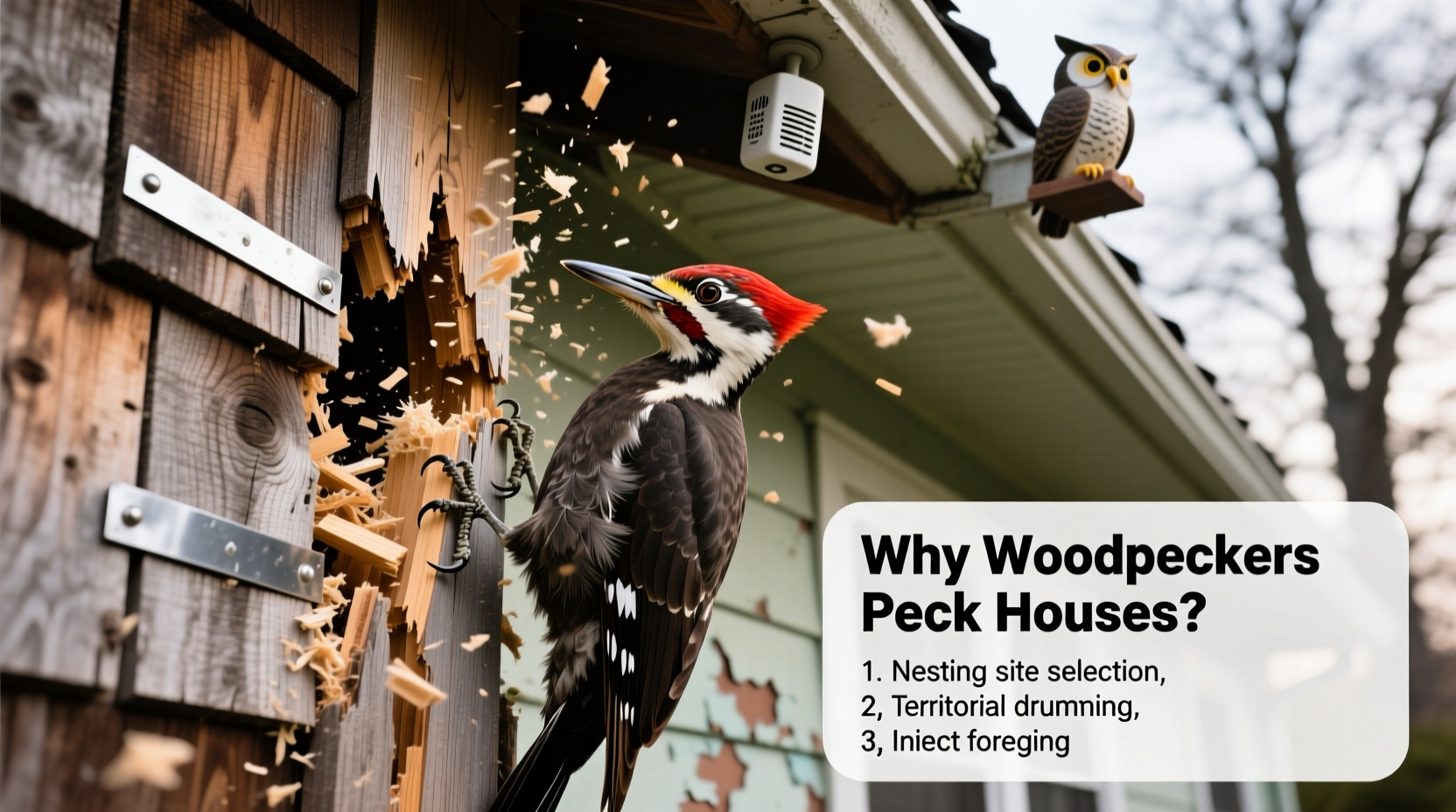
Woodpeckers belong to the family Picidae and are uniquely adapted for drilling into wood. Their strong beaks, reinforced skulls, and shock-absorbing neck muscles allow them to hammer repeatedly without injury. In natural settings, they use this ability to excavate insects from tree bark, create nesting cavities, or communicate through drumming. When woodpeckers appear on homes, they’re not acting out of malice—they’re responding to environmental cues that mimic their natural habitat.
Three primary motivations drive woodpecker activity on houses: foraging, drumming, and nesting. Each has distinct characteristics and requires different prevention approaches. For example, holes made in search of food tend to be irregular and scattered, often near areas where insects like carpenter bees or termites may reside. In contrast, drumming sites are typically flat, resonant surfaces such as vinyl siding, metal gutters, or wooden fascia boards—chosen for their sound-carrying properties during mating season.
“Woodpeckers don’t damage homes out of aggression. They’re following survival instincts shaped over millions of years.” — Dr. Alan Finch, Ornithologist, Cornell Lab of Ornithology
Primary Reasons Woodpeckers Target Houses
1. Foraging for Insects
One of the most common reasons woodpeckers attack homes is the presence of insects beneath the siding. Carpenter ants, termites, and beetle larvae often infest wooden structures, especially in older homes or those with moisture damage. Woodpeckers detect these pests through sound and vibration, then drill into the surface to extract them. If you notice small, deep holes concentrated in one area—particularly under eaves or along rooflines—it’s likely a sign of insect-related foraging.
2. Drumming for Communication
During spring and early summer, male woodpeckers engage in drumming to establish territory and attract mates. Unlike feeding holes, drumming produces a rapid, repetitive tapping sound. The birds seek hard, resonant surfaces that amplify noise—such as aluminum gutters, downspouts, or clapboard siding. This behavior is seasonal but can be persistent during peak breeding months, usually lasting several weeks.
3. Nesting or Roosting Cavity Excavation
In late winter to early spring, woodpeckers may begin carving out nesting cavities. These holes are larger (often 1.5 to 2 inches in diameter), neatly round, and usually located higher on the house, such as under eaves or on gable ends. Some species, like the Northern Flicker or Hairy Woodpecker, prefer softwood materials, making cedar or pine siding particularly vulnerable.
Tip: Inspect your home’s exterior annually for signs of insect infestation—early detection reduces the likelihood of attracting woodpeckers.Effective Prevention and Deterrence Strategies
Preventing woodpecker damage requires a multi-pronged approach focused on removing attractants and creating discomfort without causing harm. Because woodpeckers are protected under the Migratory Bird Treaty Act in the United States, it’s illegal to kill or trap them without a federal permit. Instead, rely on humane deterrents and proactive maintenance.
Step-by-Step Guide to Deter Woodpeckers
- Inspect for Pests: Hire a pest control professional to check for carpenter ants, termites, or other wood-boring insects. Eliminating the food source removes the primary reason woodpeckers visit.
- Seal Existing Holes: Repair any holes with wood putty, metal flashing, or durable filler. Cover larger openings temporarily with hardware cloth until permanent repairs are made.
- Install Visual Deterrents: Hang reflective tape, wind chimes, or hawk-shaped decoys near problem areas. Motion-activated devices work best, as static objects lose effectiveness over time.
- Use Noise-Based Repellents: Ultrasonic devices or recorded distress calls can discourage woodpeckers, though results vary by location and species.
- Shield Vulnerable Surfaces: Apply lightweight mesh netting (¼ to ½ inch) over affected walls, extending at least 3 inches from the surface to prevent access.
- Modify Resonant Materials: Attach foam padding or rubber strips behind gutters and fascia boards to dampen drumming sounds.
Do’s and Don’ts: A Quick Reference Table
| Action | Do | Don't |
|---|---|---|
| Pest Control | Treat underlying insect infestations promptly | Ignore signs of termite or ant activity |
| Deterrents | Use moving, reflective, or noisy devices | Depend solely on plastic owls or static visuals |
| Repairs | Fix holes immediately with sturdy materials | Leave gaps open or use soft sealants that can be re-drilled |
| Legal Compliance | Use only non-lethal, humane methods | Attempt to harm, trap, or destroy nests with eggs/chicks |
Real-World Example: A Homeowner’s Solution
In Asheville, North Carolina, homeowner Maria Thompson noticed repeated pecking on her cedar-sided garage each April. At first, she assumed it was random noise, but after discovering a series of clean, circular holes near the roofline, she contacted a local wildlife consultant. Inspection revealed no insect activity, ruling out foraging. The timing pointed to drumming behavior. Maria installed a rotating predator decoy and hung strips of metallic tape above the affected area. Within five days, the drumming stopped. She continued using motion-activated sprinklers during peak season for two consecutive years, and the woodpeckers never returned. Her experience highlights how understanding the root cause leads to faster, more effective solutions.
FAQ: Common Questions About Woodpecker Damage
Can woodpecker damage lead to structural problems?
While isolated holes rarely compromise structural integrity, repeated excavation can expose insulation, invite moisture intrusion, and accelerate wood decay. Over time, unchecked damage may require costly repairs, especially if water enters wall cavities.
Are certain house materials more attractive to woodpeckers?
Yes. Soft woods like cedar, redwood, and pine are preferred for nesting and drumming due to ease of drilling. Vinyl and aluminum siding are less appealing for excavation but still used for drumming because of their resonance.
Will woodpeckers return to the same spot every year?
Some species exhibit site fidelity, meaning they return to familiar locations annually. However, consistent deterrent use during breeding season can break this pattern and encourage relocation.
Tip: Combine at least two deterrent methods—such as visual repellents and noise—for maximum effectiveness.Long-Term Protection Checklist
- ✅ Schedule annual exterior inspections for insect activity
- ✅ Trim tree branches within 6–10 feet of the house to limit access
- ✅ Paint or stain exposed wood to make it less appealing
- ✅ Install bird netting in high-risk zones before breeding season
- ✅ Use motion-activated sprinklers or lights near vulnerable areas
- ✅ Monitor for early signs of pecking and act quickly
- ✅ Consider installing alternative drumming posts away from the house
Conclusion: Coexisting with Nature Responsibly
Woodpeckers peck at houses for understandable reasons rooted in survival and reproduction. Rather than viewing them as pests, homeowners can adopt smart, compassionate strategies that protect both property and wildlife. By addressing insect problems, modifying attractive surfaces, and deploying timely deterrents, most conflicts can be resolved humanely. Remember, prevention is always more effective—and less expensive—than repair. With a little observation and proactive care, it’s entirely possible to live in harmony with these remarkable birds while keeping your home intact.
💬 Have you dealt with woodpecker damage? Share your story or solution in the comments below—your experience could help others find relief too.








