In recent years, a quiet but powerful shift has taken place in how people carry and consume water. The once-ubiquitous single-use plastic bottle is increasingly being replaced by reusable alternatives—particularly glass and stainless steel. This isn’t just a passing trend; it’s a growing movement driven by health concerns, environmental awareness, and long-term practicality. From offices to hiking trails, homes to gyms, more individuals are making the switch—and for compelling reasons.
Health Concerns: What Lurks in Your Plastic Bottle?
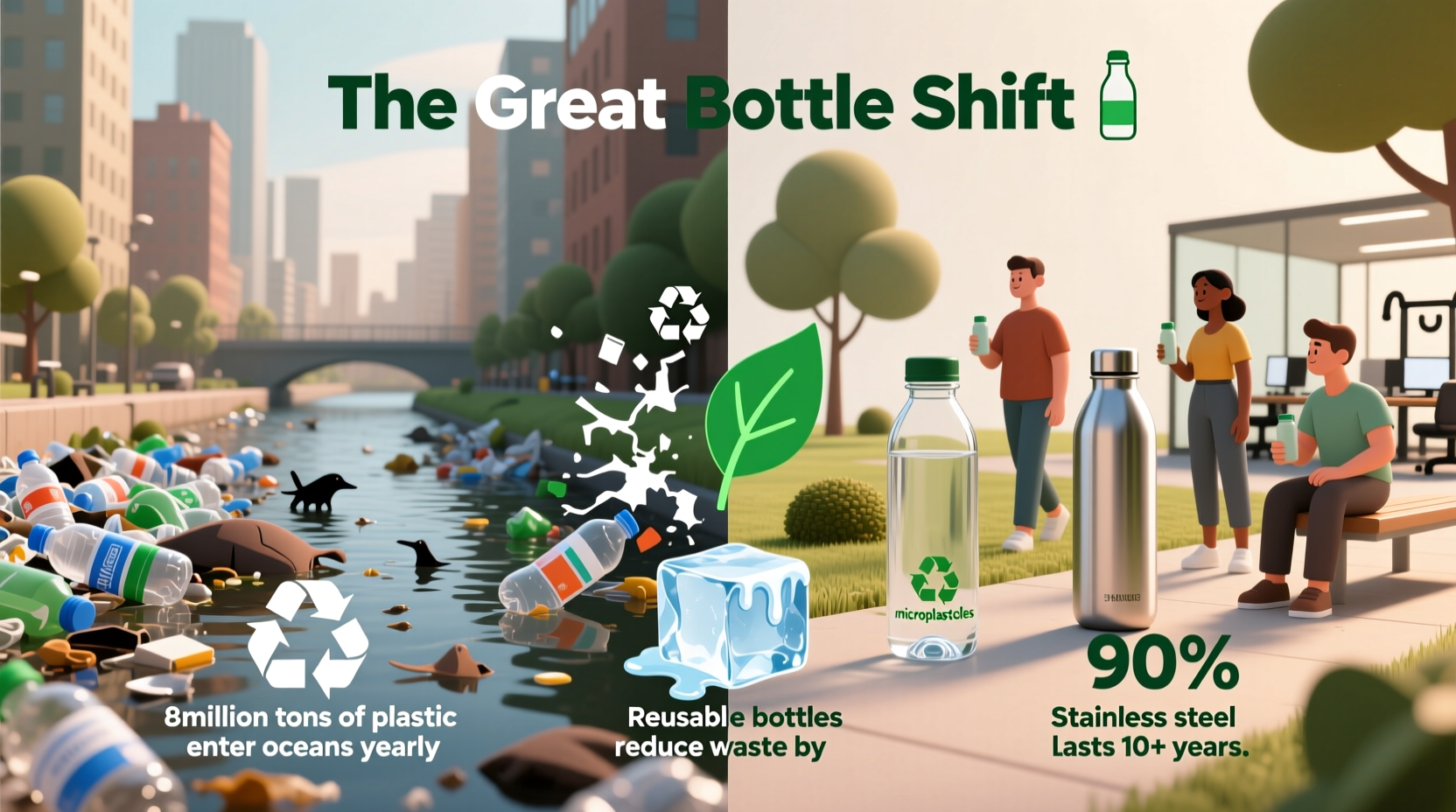
One of the most significant motivations behind the move away from plastic is health. While convenient, plastic water bottles—especially when reused or exposed to heat—can leach harmful chemicals into the water. Common culprits include bisphenol A (BPA), phthalates, and antimony, all of which have been linked to hormonal disruptions, reproductive issues, and other long-term health risks.
Polyethylene terephthalate (PET), the plastic used in most disposable bottles, is not designed for repeated use. Over time, especially when exposed to sunlight or high temperatures (like being left in a hot car), PET can degrade and release microplastics into the liquid. Studies have shown that bottled water contains significantly more microplastic particles than tap water—an unsettling revelation for regular consumers.
“Even BPA-free plastics may contain substitutes like BPS or BPF, which exhibit similar endocrine-disrupting effects. Glass and stainless steel eliminate this risk entirely.” — Dr. Lena Patel, Environmental Health Researcher at the Institute for Sustainable Living
Glass and stainless steel offer inert surfaces. They do not react with water or beverages, nor do they degrade over time under normal conditions. For those prioritizing clean hydration without chemical exposure, these materials provide peace of mind.
Tip: Avoid leaving any water bottle—especially plastic—in direct sunlight or hot environments for extended periods to minimize chemical leaching.Environmental Impact: Reducing Waste One Bottle at a Time
The environmental toll of single-use plastic bottles is staggering. According to the Earth Day Network, over one million plastic bottles are sold every minute globally, and less than 30% are recycled in the U.S. The rest end up in landfills, oceans, and ecosystems, where they take up to 450 years to decompose.
Microplastics from degraded bottles infiltrate soil and water supplies, entering the food chain and affecting marine life and human health alike. By switching to reusable glass or stainless steel bottles, individuals dramatically reduce their contribution to this waste stream. A single reusable bottle can replace hundreds—or even thousands—of disposable ones over its lifetime.
Stainless steel is highly recyclable and durable, often lasting decades with proper care. Glass, while more fragile, is also fully recyclable and made from natural materials like sand and limestone. When broken, it returns to the earth without releasing toxic residues.
Plastic vs. Reusable: Environmental Comparison
| Factor | Single-Use Plastic | Stainless Steel | Glass |
|---|---|---|---|
| Lifespan | Single use | 5–10+ years | 2–5+ years (with care) |
| Recyclability | Low (contamination issues) | High (infinitely recyclable) | High (non-toxic recycling) |
| Carbon Footprint (per year, 1 bottle/day) | ~60 kg CO₂ | ~3 kg CO₂ (amortized) | ~4 kg CO₂ (amortized) |
| Microplastic Risk | High | None | None |
The data makes a strong case: reusables are far more sustainable, both in resource use and long-term environmental impact.
Lifestyle and Practical Benefits
Beyond health and ecology, many people find that glass and stainless steel bottles enhance their daily routines. Stainless steel models are lightweight, shatterproof, and excellent at temperature retention—keeping drinks cold for up to 24 hours or hot for 12. This makes them ideal for outdoor activities, travel, or office use.
Glass bottles, often encased in protective silicone sleeves, offer a premium feel and complete flavor neutrality. Unlike plastic, which can retain odors from previous contents (like coffee or sports drinks), glass cleans easily and doesn’t absorb smells. Many users report that water tastes “cleaner” from a glass container—a subtle but noticeable difference.
Additionally, reusable bottles have become a personal style statement. Available in sleek designs, matte finishes, custom engravings, and vibrant colors, they reflect individuality and values. Carrying a high-quality bottle signals a commitment to wellness and sustainability.
Real Example: How Sarah Made the Switch
Sarah Thompson, a teacher from Portland, Oregon, used to buy two plastic water bottles daily during her commute. After learning about microplastics in a documentary, she decided to try a stainless steel bottle. “At first, I missed the convenience,” she admits. “But within a week, I noticed my morning headaches decreased. I also saved about $40 a month. Now I can’t imagine going back.”
She later upgraded to a double-walled glass bottle for home use, appreciating its clarity and ease of cleaning. “I feel like I’m doing something small but meaningful every day,” she says.
How to Make the Transition Smoothly
Switching from plastic to reusable bottles doesn’t have to be overwhelming. Here’s a step-by-step approach to help integrate the change into your routine:
- Assess your current usage: Track how many plastic bottles you use in a week. This baseline helps measure progress.
- Choose your preferred material: Try one stainless steel and one glass bottle to see which fits your lifestyle better.
- Keep it accessible: Store your bottle in your bag, car, or near the sink so it’s always within reach.
- Establish a cleaning routine: Wash your bottle daily with warm, soapy water. For stainless steel, use a bottle brush. Glass can go in the dishwasher if labeled safe.
- Refill mindfully: Use filtered tap water at home or public refill stations when out. Apps like Tap, Refill, or WeTap help locate nearby water fountains.
- Replace when needed: Inspect for wear—dents in steel, cracks in glass—and replace promptly to maintain hygiene and performance.
Checklist: Making the Switch Successfully
- ✅ Determine your daily water needs and bottle size preference (e.g., 500ml, 750ml, 1L)
- ✅ Purchase at least one high-quality glass or stainless steel bottle
- ✅ Label your bottle if sharing space (office, gym locker)
- ✅ Set phone reminders to drink water if you tend to forget
- ✅ Carry a folded cloth bag to protect glass bottles when traveling
- ✅ Share your experience with friends to encourage collective change
Common Misconceptions Addressed
Despite the growing popularity of reusables, several myths persist:
- “Glass is too fragile.” Modern glass bottles come with shock-absorbing silicone sleeves and caps, greatly reducing breakage risk. With basic care, they last years.
- “Stainless steel tastes metallic.” High-grade 18/8 or 304 stainless steel is non-reactive and taste-neutral. Any metallic aftertaste usually comes from poor manufacturing or inadequate cleaning.
- “Reusable bottles are hard to clean.” Most are dishwasher-safe or easy to hand-wash with a bottle brush. Regular cleaning prevents bacterial buildup.
- “It’s too expensive.” While upfront cost is higher ($20–$40), the long-term savings are substantial. One user calculated saving over $300 annually by eliminating bottled water.
Frequently Asked Questions
Can I put hot liquids in a glass water bottle?
Yes, but only if the bottle is specifically designed for thermal use. Look for borosilicate glass, which resists thermal shock. Never pour boiling water into a room-temperature soda-lime glass bottle—it may crack.
Are stainless steel bottles safe for acidic drinks like lemon water?
Yes. Food-grade stainless steel (typically 18/8 or 304) is highly resistant to corrosion from citrus and other acidic beverages. However, avoid prolonged storage of such drinks if you notice any off-tastes.
What’s better: glass or stainless steel?
It depends on your priorities. Choose glass for purity of taste and complete chemical inertness. Opt for stainless steel for durability, insulation, and portability. Many people own both and use them in different settings.
Conclusion: A Simple Change with Far-Reaching Impact
Ditching plastic water bottles for glass or stainless steel is more than a personal upgrade—it’s a conscious choice with ripple effects. It protects your health by eliminating exposure to endocrine-disrupting chemicals. It reduces plastic pollution and conserves resources. And it promotes a mindful, intentional lifestyle centered on sustainability and well-being.
The transition requires minimal effort but delivers lasting benefits. Whether you start with one bottle at home or commit to never buying plastic again, each refill is a small act of resistance against a throwaway culture. As awareness grows, so does momentum. The future of hydration isn’t wrapped in plastic—it’s clear, clean, and built to last.
💬 Ready to make the switch? Share your favorite reusable bottle brand or tip in the comments below—your insight could inspire someone else to take their first step toward a plastic-free hydration habit.








