Nose strips have long been marketed as a quick fix for blackheads and clogged pores. Their appeal is understandable: peel them off, see the gunk come away, and feel like you’ve achieved instant clarity. But beneath the satisfying visual lies a growing body of evidence suggesting that nose strips may do more harm than good. While they offer temporary gratification, repeated use can compromise skin health, especially for sensitive or acne-prone complexions. Understanding the risks—and knowing what to use instead—can help you achieve clearer skin without sacrificing long-term integrity.
The Allure and Reality of Nose Strips
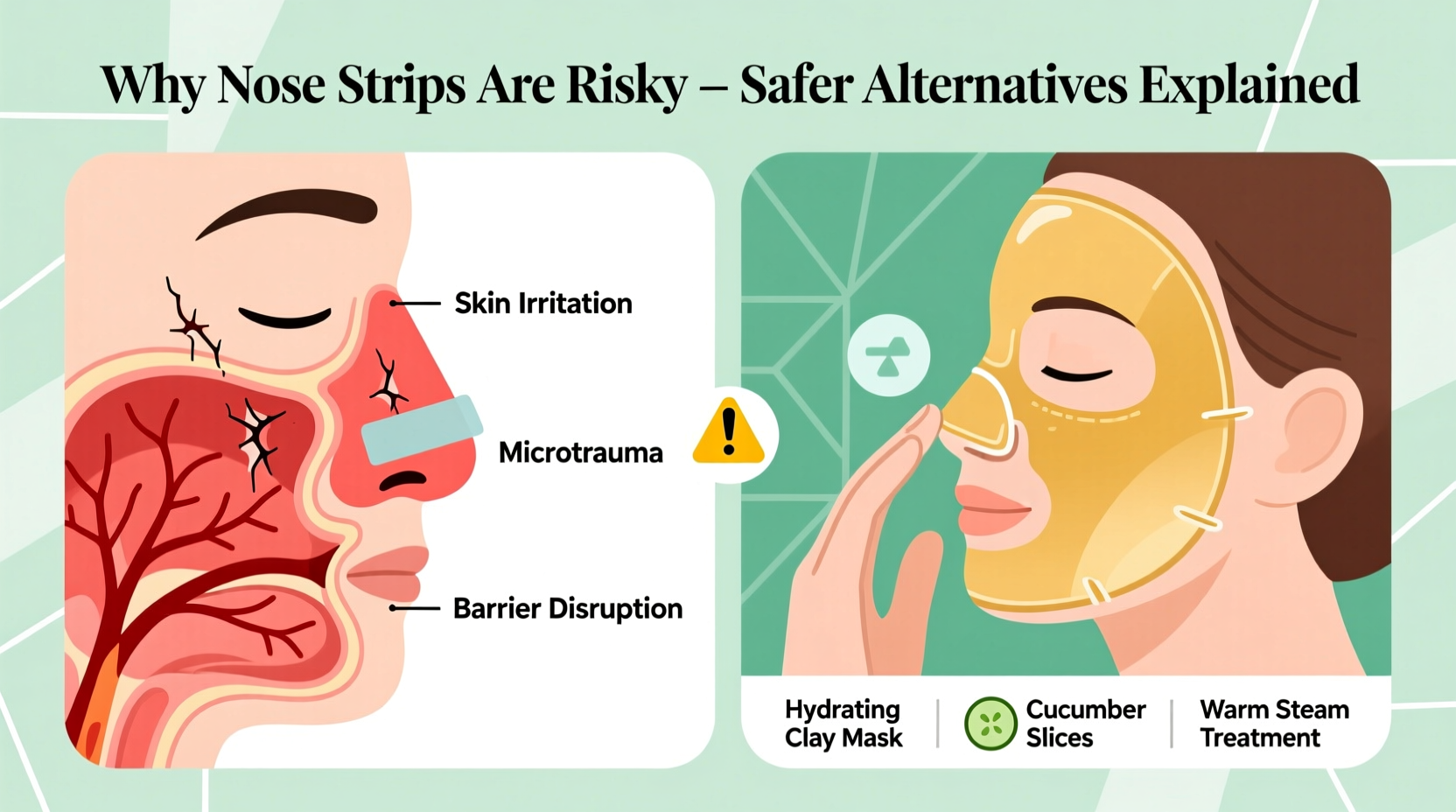
Nose strips work by adhering to the surface of the skin and lifting out debris when removed. The immediate result—a strip covered in black specks—is often mistaken for deep pore cleansing. In reality, most of what’s extracted sits at the very top layer of the pore. The deeper blockages, which contribute to acne and inflammation, remain untouched.
Moreover, the adhesive used in these strips is designed to grip tightly. This strength becomes problematic when applied to delicate facial skin. The force required to remove the strip can cause micro-tears, damage hair follicles, and even lead to broken capillaries. Over time, this mechanical trauma weakens the skin’s protective barrier, making it more vulnerable to irritation, infection, and environmental stressors.
Tip: If you must use a nose strip occasionally, apply a soothing moisturizer or aloe vera gel immediately afterward to reduce redness and support recovery.Risks and Downsides of Regular Use
Frequent reliance on nose strips introduces several dermatological concerns. These aren’t just minor inconveniences—they can escalate into chronic skin issues if ignored.
- Skin Barrier Damage: The stratum corneum, the outermost layer of skin, protects against bacteria, moisture loss, and irritants. Aggressive peeling compromises this layer, leading to increased sensitivity and transepidermal water loss.
- Enlarged Pores: Contrary to claims, nose strips don’t shrink pores. In fact, repeated pulling can stretch pore openings over time, making them appear larger and more noticeable.
- Irritation and Inflammation: People with rosacea, eczema, or acne may experience flare-ups due to the physical stress and potential residue left behind.
- Ingrown Hairs and Follicle Damage: Stripping removes not only sebum but also fine vellus hairs, potentially causing ingrowns or inflamed follicles.
- Rebound Oil Production: When the skin senses excessive dryness post-strip, it compensates by producing more oil, increasing the likelihood of future clogs.
“Physical extraction methods like nose strips can disrupt the skin’s microbiome and structural integrity. For lasting results, gentler, consistent care is always preferable.” — Dr. Lena Torres, Board-Certified Dermatologist
Safe and Effective Alternatives
Cleaner, healthier skin doesn’t require dramatic measures. The most effective solutions work gradually, respecting the skin’s natural processes. Here are proven, dermatologist-recommended alternatives to nose strips:
1. Salicylic Acid Cleansers
A beta-hydroxy acid (BHA), salicylic acid penetrates oil-filled pores, dissolving buildup from within. Used daily in a gentle cleanser or toner, it prevents clogs without stripping the skin.
2. Clay Masks
Masks containing kaolin or bentonite clay absorb excess sebum and draw out impurities through osmotic action. Unlike strips, they don’t pull at the skin and can be used 1–2 times weekly.
3. Retinoids
Topical retinol or prescription tretinoin increases cell turnover, preventing dead skin cells from accumulating in pores. Over weeks, they refine texture and reduce blackhead formation.
4. Professional Extractions
When performed by a licensed esthetician or dermatologist, manual extractions are safe and targeted. They’re typically preceded by steaming and followed by calming treatments to minimize risk.
5. Double Cleansing
Start with an oil-based cleanser to dissolve makeup and sebum, then follow with a water-based one to remove residue. This method clears pores gently and thoroughly.
| Method | Effectiveness | Risk Level | Frequency |
|---|---|---|---|
| Nose Strips | Short-term visible removal | High (barrier damage, irritation) | Occasional (max once every 2–3 weeks) |
| Salicylic Acid | Prevents clogs, reduces oil | Low (mild dryness possible) | Daily or every other day |
| Clay Masks | Moderate oil absorption | Low (overuse may dry) | 1–2 times per week |
| Retinoids | Long-term pore refinement | Medium (requires acclimation) | 2–3 nights per week, build up slowly |
| Professional Extraction | Immediate, thorough clearance | Low (when done correctly) | Every 4–6 weeks |
Mini Case Study: From Strip Dependency to Balanced Skin
Sarah, a 28-year-old office worker, had used charcoal nose strips weekly for three years. She loved the immediate “clean” feeling but noticed her nose became increasingly red and oily by midday. Small bumps began forming along her nostrils, and her pores appeared wider. After consulting a dermatologist, she stopped using strips entirely. Instead, she adopted a routine with a salicylic acid wash, a hydrating toner, and a weekly clay mask. Within two months, her oiliness stabilized, redness faded, and blackheads diminished significantly. Most importantly, her skin felt stronger and less reactive.
Step-by-Step Guide to Transitioning Away from Nose Strips
- Week 1–2: Cease all strip use. Allow your skin to recover from any micro-injuries. Apply a fragrance-free moisturizer and sunscreen daily.
- Introduce a BHA product. Start with a low-concentration salicylic acid cleanser every other night. Monitor for dryness or stinging.
- Add a clay mask. Use once weekly after cleansing. Leave on for 10 minutes, then rinse with lukewarm water.
- Incorporate retinol (optional). Begin with twice-weekly application, gradually increasing as tolerated.
- Schedule a professional facial. After four weeks, consider a session with extractions to safely clear remaining congestion.
- Maintain consistency. Stick with the new regimen for at least 8–12 weeks to see full results.
FAQ
Can I use nose strips occasionally without harm?
Occasional use—once every few weeks—is unlikely to cause lasting damage for most skin types. However, those with sensitive, thin, or compromised skin should avoid them altogether. Always follow with a soothing serum or moisturizer.
Do nose strips remove blackheads permanently?
No. Blackheads reappear because strips only extract surface-level debris. Without addressing the root causes—excess sebum, dead skin accumulation, hormonal factors—the cycle continues.
Are there any nose strips that are safer than others?
Some brands offer gentler adhesives or hydrogel-based systems that lift debris without aggressive peeling. However, even these cannot eliminate the fundamental issue of mechanical stress on delicate facial skin.
Final Thoughts and Call to Action
The desire for instant results is powerful, but sustainable skincare is built on patience and respect for the skin’s biology. Nose strips offer a fleeting illusion of cleanliness while undermining the very health they claim to improve. By shifting to science-backed alternatives—gentle exfoliants, balanced cleansing, and professional guidance—you invest in long-term clarity and resilience.
Your skin deserves more than a quick fix. Commit to routines that nurture rather than strip, and you’ll see not just fewer blackheads, but a stronger, more radiant complexion overall.
💬 Have you made the switch from nose strips? Share your experience or ask questions in the comments below—we’d love to hear how your skin has responded!








