For decades, the denim jacket has stood as a symbol of rebellion, practicality, and timeless style. From workwear roots to fashion staple, it’s evolved—but not all iterations are created equal. Today, consumers face a choice: hunt for an authentic vintage piece or opt for a meticulously crafted modern reproduction. The decision isn’t just about aesthetics; it involves material quality, historical significance, sustainability, and long-term value. While modern reproductions offer convenience and consistency, vintage denim jackets carry stories, unique character, and a level of craftsmanship that many argue can’t be replicated.
This isn’t merely a debate between old and new—it’s a conversation about authenticity, durability, and personal values in fashion. Whether you're building a capsule wardrobe or seeking a statement piece, understanding the differences is essential.
The Craftsmanship Divide: How Jeans Were Made Then vs. Now
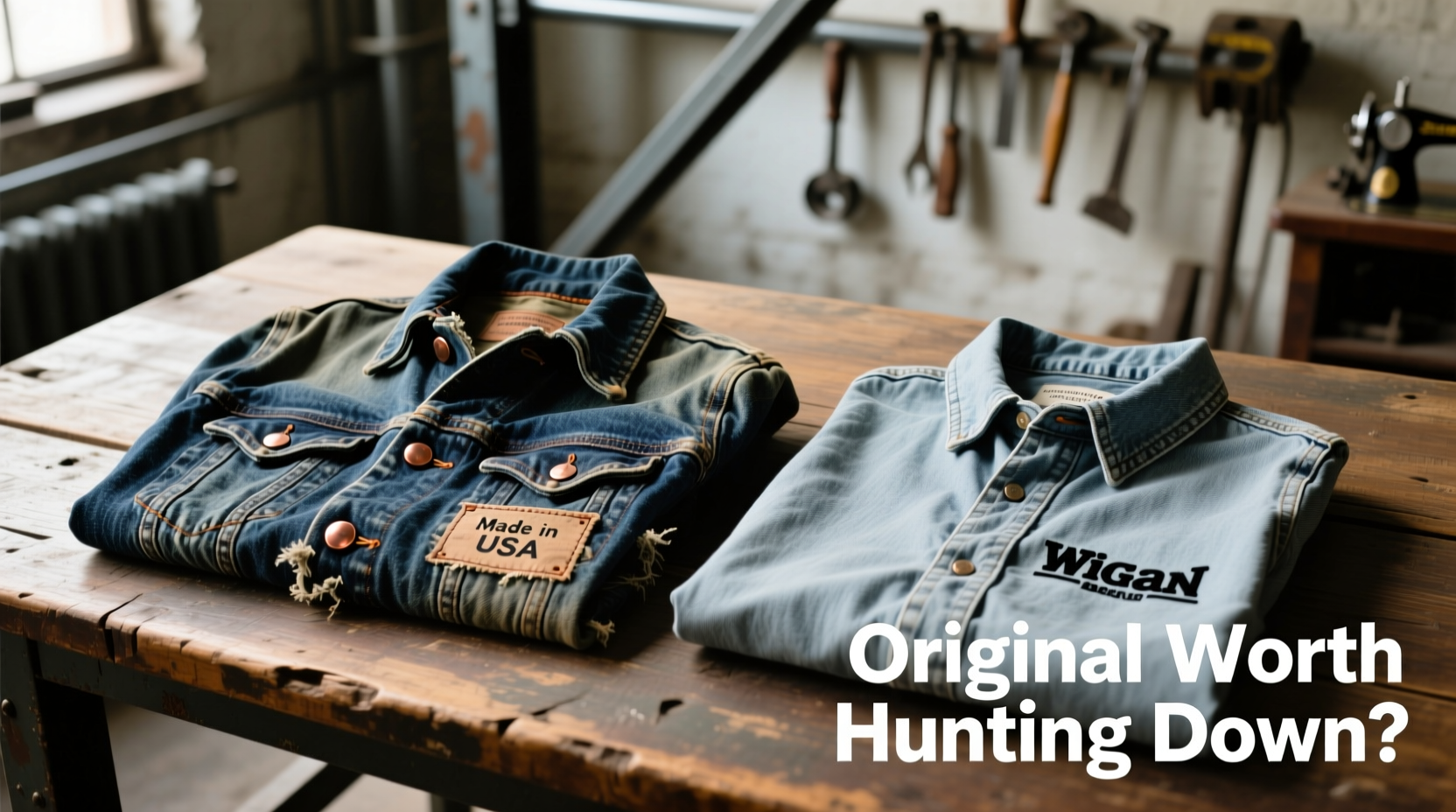
In the mid-20th century, denim was built to last. Factories like Cone Mills in North Carolina supplied fabric with tighter weaves, higher thread counts, and natural indigo dyeing processes. Vintage Levi’s Type I, II, and III trucker jackets from the 1950s through the 1970s were constructed using chain-stitching, copper rivets, and heavyweight selvedge denim—features designed for laborers who needed garments that could endure daily abuse.
Modern reproductions attempt to mirror these details, but the context has changed. Most mass-produced denim today uses projectile looms, synthetic dyes, and automated stitching. Even premium brands sourcing Japanese selvedge often streamline production for scalability, sacrificing subtle nuances like irregular selvage IDs or hand-linked buttonholes.
“Vintage denim wears *with* you, not just *on* you. The way it fades, creases, and softens over time reflects your movement and lifestyle.” — Daniel Park, Denim Archivist & Founder of Raw Stripes
Reproductions may look identical at first glance, but under scrutiny, differences emerge. For example, vintage jackets often feature single-needle construction on side seams, while modern versions use double-needle machines for speed. These variations affect not only durability but also how the garment ages.
Material Quality and Aging: Fading, Fraying, and Character Development
One of the most compelling arguments for vintage denim is its aging potential. Natural indigo dye, used almost exclusively before the 1980s, oxidizes gradually, producing rich honeycombs behind the knees, whiskering around the pockets, and diagonal fades across the chest. These patterns are unpredictable and deeply personal.
In contrast, many modern jackets—even those labeled “raw” or “dry”—use chemical washes or laser distressing to simulate age. While this appeals to buyers wanting instant character, it lacks the organic progression of genuine wear. A 1960s Levi’s 715 will develop high-contrast fades over years of consistent use; a 2023 “vintage-style” jacket from a fast-fashion brand may lose its shape after six months.
Tip: To preserve fading patterns on vintage denim, avoid frequent washing. Spot clean when necessary and air out between wears.Moreover, vintage cotton tends to be softer over time without losing integrity. Modern blends often include elastane or polyester, which degrade faster and resist natural break-in. If you value how a jacket evolves with wear, original pieces offer a more rewarding journey.
Comparative Analysis: Vintage vs. Reproduction at a Glance
| Feature | Vintage Denim Jacket | Modern Reproduction |
|---|---|---|
| Fabric Source | Cone Mills, vintage shuttle looms | Japanese mills, selvedge or non-selvedge |
| Dye Process | Natural indigo, rope-dyed | Synthetic indigo, sometimes blended |
| Stitching | Chain-stitch, single-needle | Overlock, double-needle |
| Hardware | Copper rivets, leather patches | Nickel or antique-finish rivets |
| Aging Potential | High – develops unique fade maps | Moderate – depends on wash treatment |
| Availability | Limited, requires hunting | Widely available, multiple price points |
| Sustainability | High – extends life of existing garment | Variable – depends on brand ethics |
Real-World Example: Two Jackets, One Wardrobe
Consider Mark, a 34-year-old designer based in Portland, who owns both a 1972 Levi’s Type III and a 2021 repro from a well-known heritage brand. He bought the vintage piece for $180 at a rural estate sale—its red tab slightly faded, the back cinch strap cracked but functional. Over two years of regular wear, it developed deep arm-crease fades and a sun-bleached collar that gives it a lived-in soul.
His reproduction, though nearly identical in specs, behaves differently. Despite being raw selvedge, it resists creasing. After nine months, the fading remains subtle and uniform. “It feels like it’s waiting for permission to age,” he says. “The vintage one just… went for it.”
When comparing repair needs, the vintage jacket required only one patch on the elbow—easily fixed with iron-on denim from a scrap piece. The repro developed loose stitching at the pocket bar-tack within a year, likely due to stress on machine-made threads. For Mark, the original proved more resilient despite its age.
Is the Hunt Worth It? A Step-by-Step Guide to Sourcing Vintage
Finding a quality vintage denim jacket demands patience and discernment. Unlike online shopping with filters and reviews, vintage hunting is tactile and contextual. Follow this timeline to increase your chances of success:
- Define Your Era: Decide whether you prefer 1950s (Type I, minimal branding), 1960s (Type II, twin pockets), or 1970s (Type III, flap pockets). Each has distinct design cues.
- Know Key Identifiers: Study red tabs (early ones say “LEVI’S” in all caps), pocket stitching (arcuate curves), and label fonts. Misprints or changes can date a piece accurately.
- Inspect Condition Thoroughly: Check underarms for sweat damage, inner yoke seams for fraying, and buttonholes for stress. Small flaws can be repaired; structural issues cannot.
- Try Before You Buy: Fit varies wildly. Vintage sizing runs smaller, so a modern medium might require a vintage large. Shoulder seams should align with your shoulders, not hang off.
- Clean Gently: Never toss vintage denim in the washer. Instead, freeze it overnight to kill bacteria or use a vinegar soak (1 part vinegar to 3 parts cold water) for odor removal.
- Preserve Character: Avoid dryers and direct sunlight. Store flat or on a padded hanger to maintain shape.
Checklist: What to Look for in a Worthy Vintage Find
- ✔️ Original buttons and rivets intact
- ✔️ No major tears or thinning at stress points (armpits, elbows)
- ✔️ Consistent dye lot—no patchy discoloration
- ✔️ Legible size tag and manufacturing date
- ✔️ Selvedge ID visible on cuff (if applicable)
- ✔️ Natural stiffness indicating unwashed state
- ✔️ Red tab in good condition (collectors value unaltered branding)
Cost vs. Value: Beyond the Price Tag
A common misconception is that vintage means expensive. While pristine 1950s Levi���s can fetch hundreds, many wearable pieces are priced between $80 and $150—often less than premium reproductions. However, cost shouldn’t be measured solely in dollars.
Value includes longevity, emotional resonance, and environmental impact. A vintage jacket reused today prevents new production, conserving water, energy, and raw materials. According to the Ellen MacArthur Foundation, extending a garment’s life by just nine months reduces its carbon footprint by 20–30%. Choosing vintage aligns with circular fashion principles far more directly than even ethically made new items.
That said, reproductions have their place. Brands like Studio D’Artisan, Pure Blue Japan, and Iron Heart invest in archival research and ethical manufacturing. Their jackets honor tradition while offering warranties, consistent sizing, and customer support—advantages vintage can’t provide.
Frequently Asked Questions
Are all vintage denim jackets better than modern ones?
No. Condition matters more than age. A poorly stored or heavily damaged vintage jacket may be weaker than a well-made reproduction. Always assess fabric integrity, stitching, and hardware before assuming superiority.
Can I wear a vintage denim jacket every day?
Yes, but with care. Rotate wear to prevent excessive strain, avoid prolonged exposure to rain, and never machine wash. Daily wear actually enhances fading patterns, making the jacket uniquely yours over time.
How do I authenticate a vintage Levi’s jacket?
Examine the red tab (font style and text), pocket arcuates (curve shape and stitching), interior tags (material and country of origin), and hardware (button engraving, rivet type). Resources like the Levi’s Vintage Clothing guidebooks or online forums like Reddit’s r/levis can help verify details.
Conclusion: Wear History, Not Just Fabric
The choice between vintage and reproduction isn’t binary. Both have merit. But if you seek more than a garment—if you want a piece with history, texture, and a story embedded in every thread—then the original is absolutely worth hunting down.
Vintage denim jackets aren’t relics; they’re wearable artifacts. They represent eras of innovation, cultural shifts, and individual journeys. Yes, finding the right one takes effort. It might mean sifting through dusty bins or waiting months for the perfect size. But when you finally slip on a jacket that’s weathered decades and still holds strong, you’re not just wearing clothes. You’re continuing a legacy.
💬 Have you found your dream vintage denim jacket? Share your hunt, your haul, or your favorite repro brand in the comments—help others navigate this timeless wardrobe decision.








